The two-rail claim mat, paper-test card and decision board each have a same-name PDF. This page conveys every printed prompt, number, unit, response area and meaningful order; it is more than a brief image description. Enlarge, read exactly, make Braille locally or use the tactile arrangements below. Colours group sections but convey no unique answer. Check with the actual learner; these pages have not been certified across assistive technologies.
Two rail claim mat
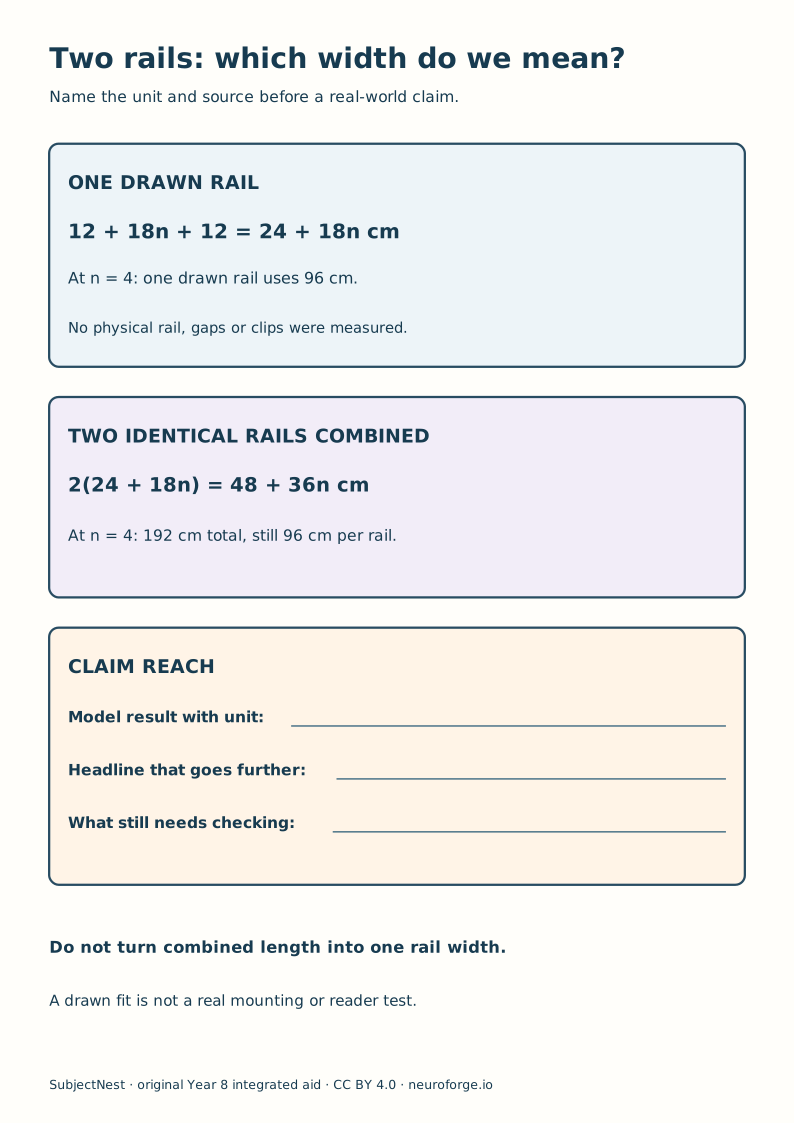
Title: Two rails: which width do we mean? Instruction: Name the unit and source before a real-world claim. Three boxes top to bottom:
- ONE DRAWN RAIL:
12+18n+12=24+18ncm. At n4, one drawn rail uses 96 cm. No physical rail, gaps or clips were measured. - TWO IDENTICAL RAILS COMBINED:
2(24+18n)=48+36ncm. At n4, 192 cm total, still 96 cm per rail. - CLAIM REACH: three separate blank answer lines headed Model result with unit, Headline that goes further, What still needs checking.
Footers: Do not turn combined length into one rail width. A drawn fit is not a real mounting or reader test.
Tactile build: Make two raised/labelled paper rail strips. On each put LEFT MARGIN 12, PANEL GROUP 18n, RIGHT MARGIN 12. Keep the two strips physically distinct, then place a separate TOTAL TWO RAILS 48+36n card below. At n4, put 96 on each strip and 192 on the combined card. Place MODEL, HEADLINE and STILL UNKNOWN cards in a second row for the learner's own wording.
Paper test card
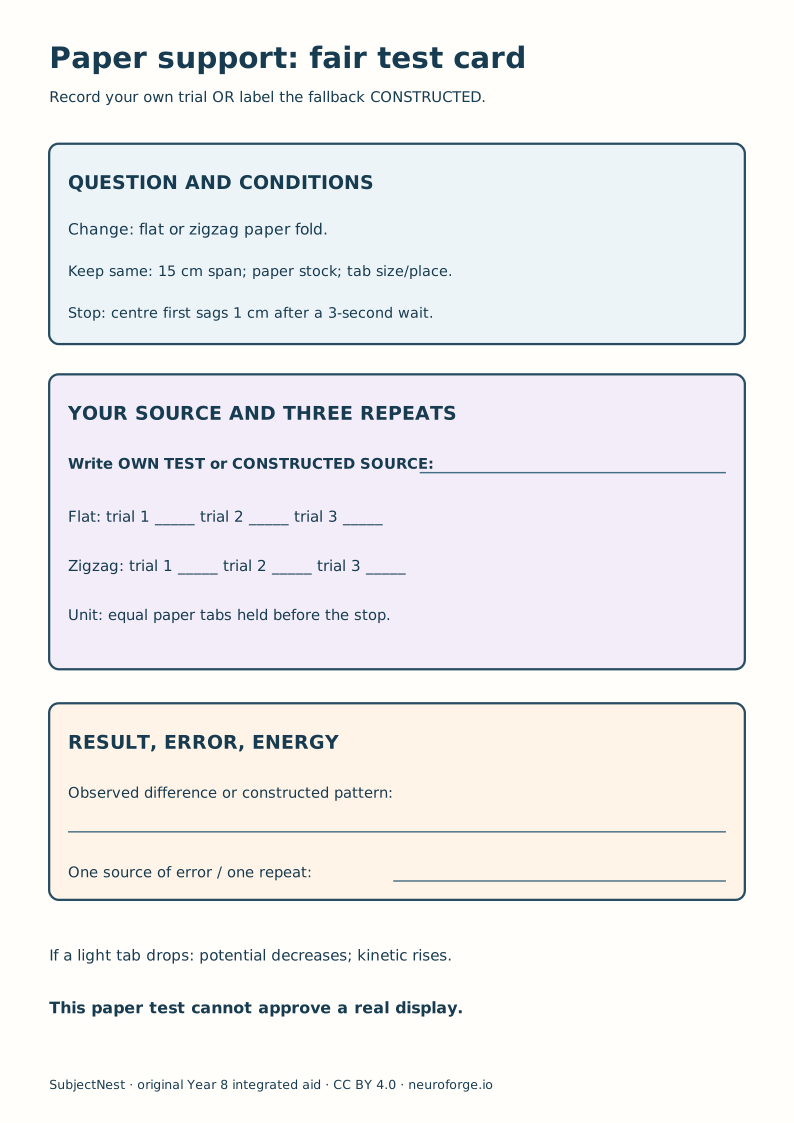
Title: Paper support: fair test card. Instruction: Record your own trial OR label the fallback CONSTRUCTED. Three sections top to bottom:
- QUESTION AND CONDITIONS: Change flat or zigzag paper fold. Keep same 15 cm span, paper stock, tab size and placement. Stop when the centre first sags 1 cm after a three-second wait.
- YOUR SOURCE AND THREE REPEATS: a blank line to write OWN TEST or CONSTRUCTED SOURCE. Blank entries for Flat trials 1, 2 and 3; Zigzag trials 1, 2 and 3. Unit: equal paper tabs held before the stop. The sheet has no sample answers; use Source C for clearly marked constructed fallback values.
- RESULT, ERROR, ENERGY: blank line for observed difference or constructed pattern; separate blank line for one source of error or repeat.
Footers: If a light tab drops: potential decreases; kinetic rises. This paper test cannot approve a real display.
Tactile build: Create CHANGE, KEEP SAME and STOP cards, then a 2×3 labelled grid with raised Flat/Zigzag row labels and three numbered trial columns. Use distinct OWN TEST and CONSTRUCTED SOURCE tokens before adding any number. A partner may place paper-tab counters as directed; do not combine real and constructed counts. Add a DOWN ARROW token for the light paper tab with spoken potential/kinetic labels, without claiming an energy quantity.
Decision board
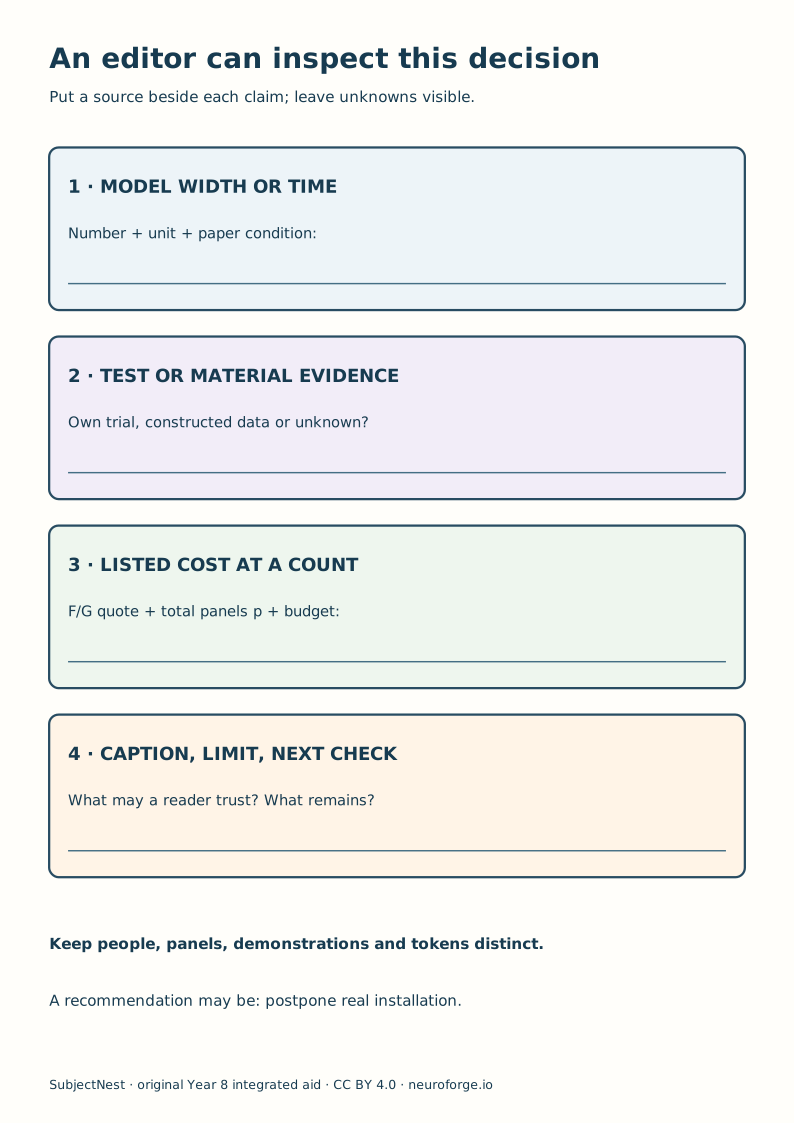
Title: An editor can inspect this decision. Instruction: Put a source beside each claim; leave unknowns visible. Four large numbered boxes run top to bottom, each with one blank answer line:
- MODEL WIDTH OR TIME: Number + unit + paper condition.
- TEST OR MATERIAL EVIDENCE: Own trial, constructed data or unknown?
- LISTED COST AT A COUNT: F/G quote + total panels
p+ budget. - CAPTION, LIMIT, NEXT CHECK: What may a reader trust? What remains?
Footers: Keep people, panels, demonstrations and tokens distinct. A recommendation may be: postpone real installation.
Tactile build: Four numbered or notched cards in the printed order. Give the learner separate unit tokens cm, minutes, tabs, tokens, people and source tokens B, C, D, E, F. They place an exact source and unit next to each claim. Use a distinct UNKNOWN card, never an empty token interpreted as zero.
Original resource rights: © NeuroForgeIO Pty Ltd 2026, SubjectNest, CC BY 4.0. Credit author, source, licence and changes. PDF embedded font subsets retain separate font rights.