All ten linked files have matching one-page A4 SVG and PDF versions. Their word labels, outlines and positions carry the information; pale fills only separate regions. The PDFs contain selectable text but are untagged PDFs. Use this linear version with a screen reader, or read the source aloud while the child directs a broad marker or a trusted adult. For a tactile copy, use large raised cell borders or a reusable 2×2/2×3/3×3 tray, with the same spoken word label on each occupied cell. Do not infer braille literacy, motor ability or colour recognition. No child must cut small pieces, navigate an actual room, or reveal a personal location. The teacher checks that a changed format preserves the source positions and speaker labels before judging a response.
| A4 aid | Exact linear content and layout | Tactile/low-vision route |
|---|---|---|
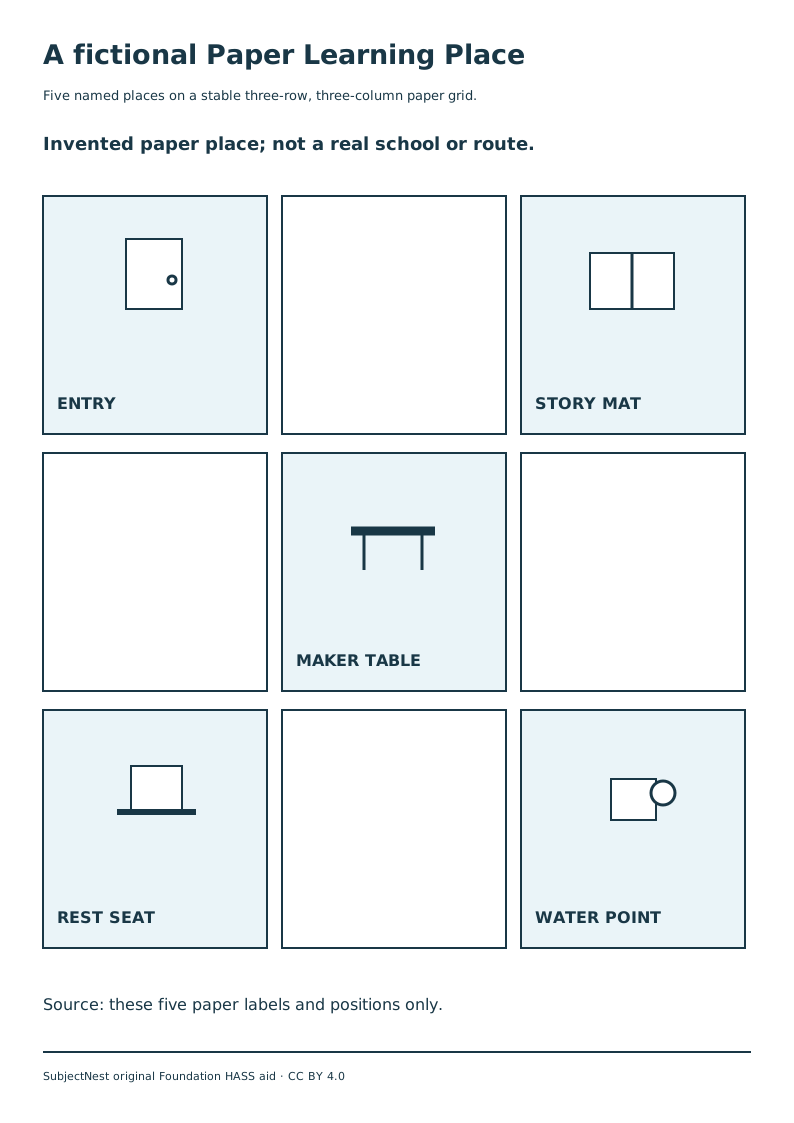
| Paper Learning Place map (SVG) | Invented 3×3 paper grid. Row 1: ENTRY, blank, STORY MAT. Row 2: blank, MAKER TABLE, blank. Row 3: REST SEAT, blank, WATER POINT. Door, open-book, table, seat and cup outlines accompany the word labels. No actual school or route is shown. | Use a 3×3 broad-cell tray with top edge fixed. Read row and column before placing a large labelled tile. Child can point, touch, signal or direct placement. |
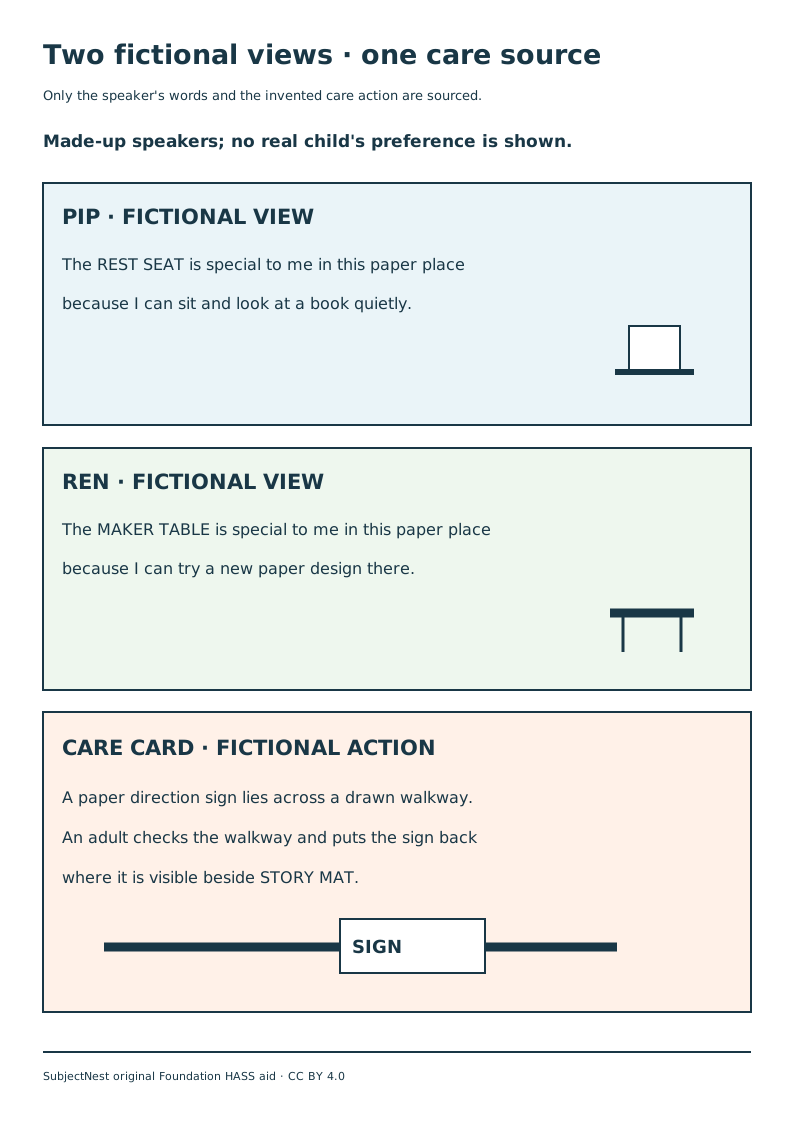
| Fictional views and care (SVG) | Pip, fictional: “The REST SEAT is special to me in this paper place because I can sit and look at a book quietly.” Ren, fictional: “The MAKER TABLE is special to me in this paper place because I can try a new paper design there.” Care source, fictional: “A paper direction sign lies across a drawn walkway. An adult checks the walkway and puts the sign back where it is visible beside STORY MAT.” A rectangle labelled SIGN crosses a thick drawn walkway. | Offer three separate large source cards labelled PIP, REN, CARE. Read each exact line while the child selects a source. Keep the care card distinct from the two perspective cards. |
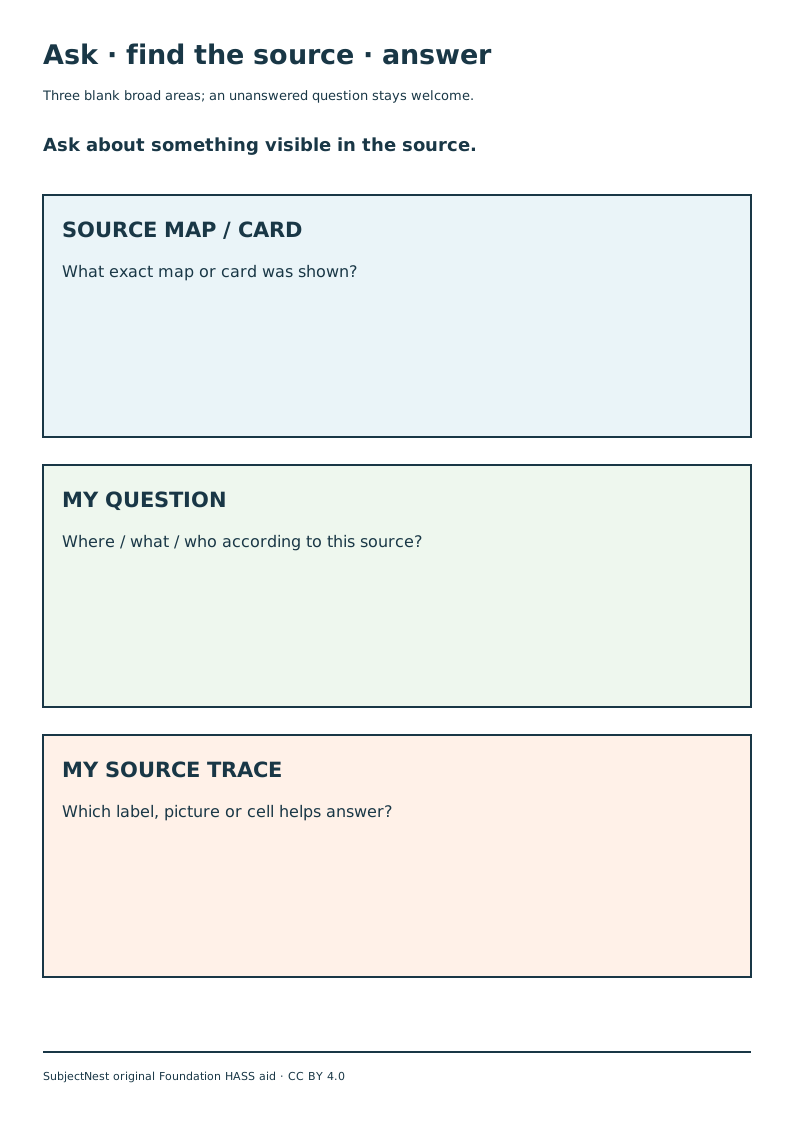
| Ask/map/source mat (SVG) | Three broad blank regions in top-to-bottom order: SOURCE MAP / CARD, “What exact map or card was shown?”; MY QUESTION, “Where / what / who according to this source?”; MY SOURCE TRACE, “Which label, picture or cell helps answer?” | Three large raised-bordered spaces; adult reads headings and writes or moves only as the child directs. Leave an unanswered question visible rather than supply an answer. |
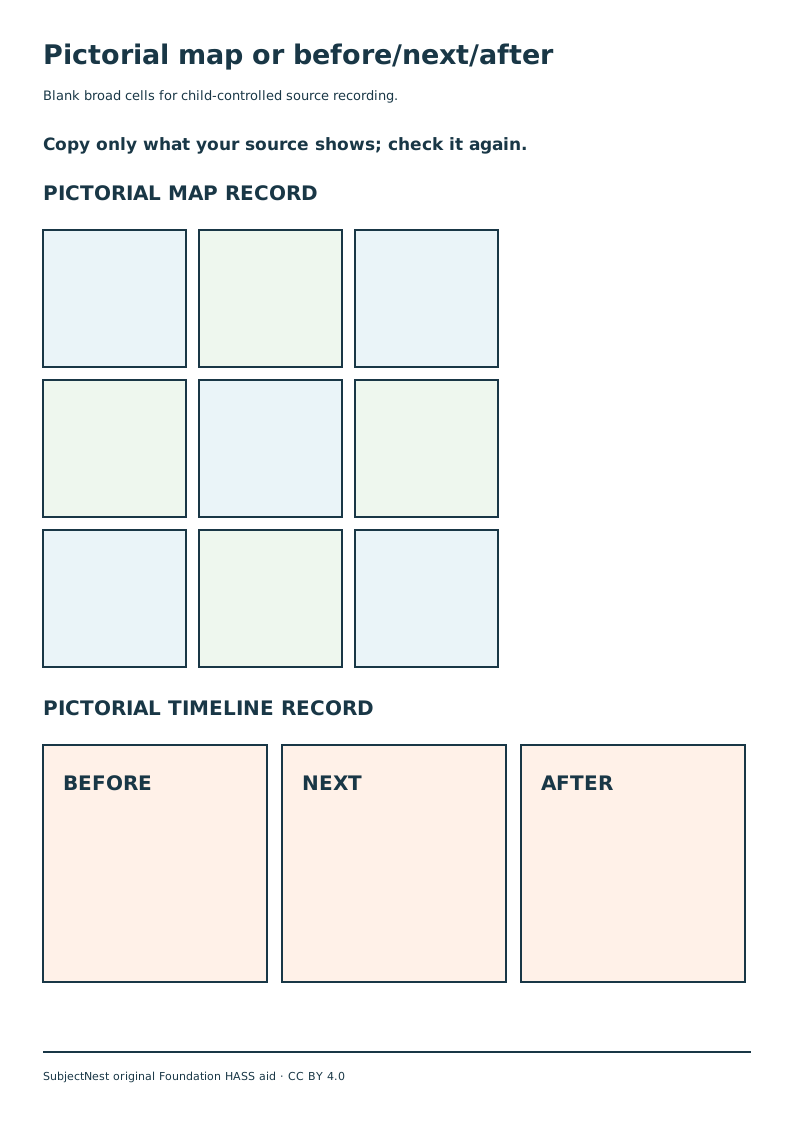
| Picture record mat (SVG) | Top: blank 3×3 pictorial map record. Bottom: three blank timeline boxes labelled BEFORE, NEXT, AFTER. Instruction: copy only what the source shows; check it again. | Broad raised 3×3 tray plus three broad ordered boxes. Fix orientation; do not count colour as a location cue. |
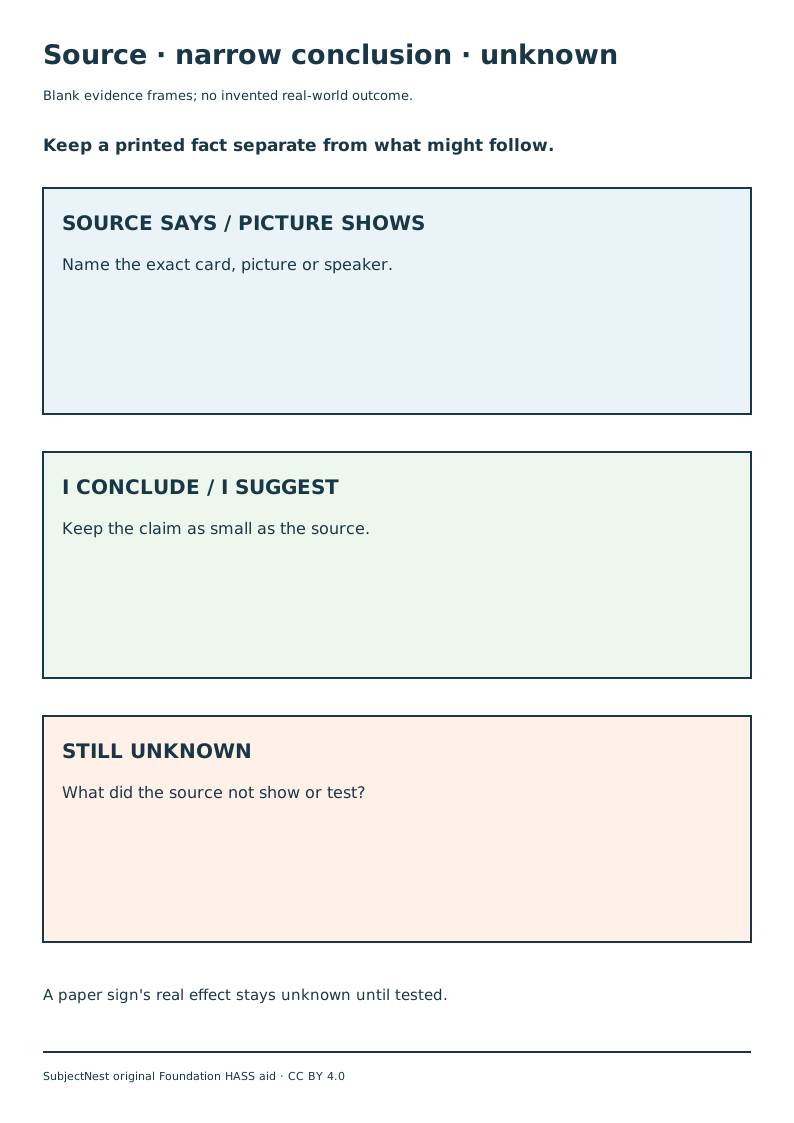
| Source/conclusion mat (SVG) | Three blank top-to-bottom frames: SOURCE SAYS / PICTURE SHOWS; I CONCLUDE / I SUGGEST; STILL UNKNOWN. Prompts require an exact card/picture/speaker, a small claim and a stated gap. Footer: a paper sign's real effect stays unknown until tested. | Three large tactile frames read one at a time; child chooses which spoken statement belongs in each. Record any adult content cue separately. |
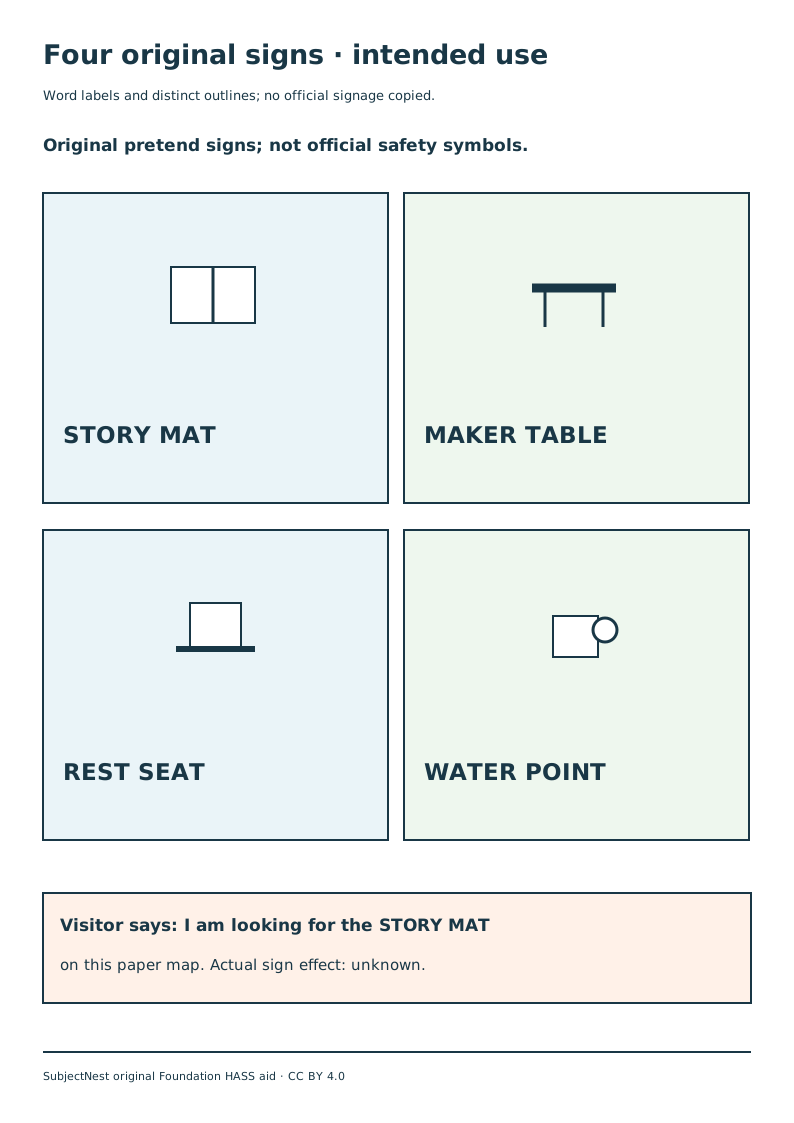
| Original sign bank (SVG) | Two by two: top-left open-book outline + STORY MAT; top-right table outline + MAKER TABLE; bottom-left seat outline + REST SEAT; bottom-right cup outline + WATER POINT. Fictional visitor: “I am looking for the STORY MAT on this paper map.” Actual sign effect is unknown. These are not official safety symbols. | Four broad labelled cards with distinct raised outlines and word labels read aloud; child matches a sign to the paper map. No real navigation or accessibility result is implied. |
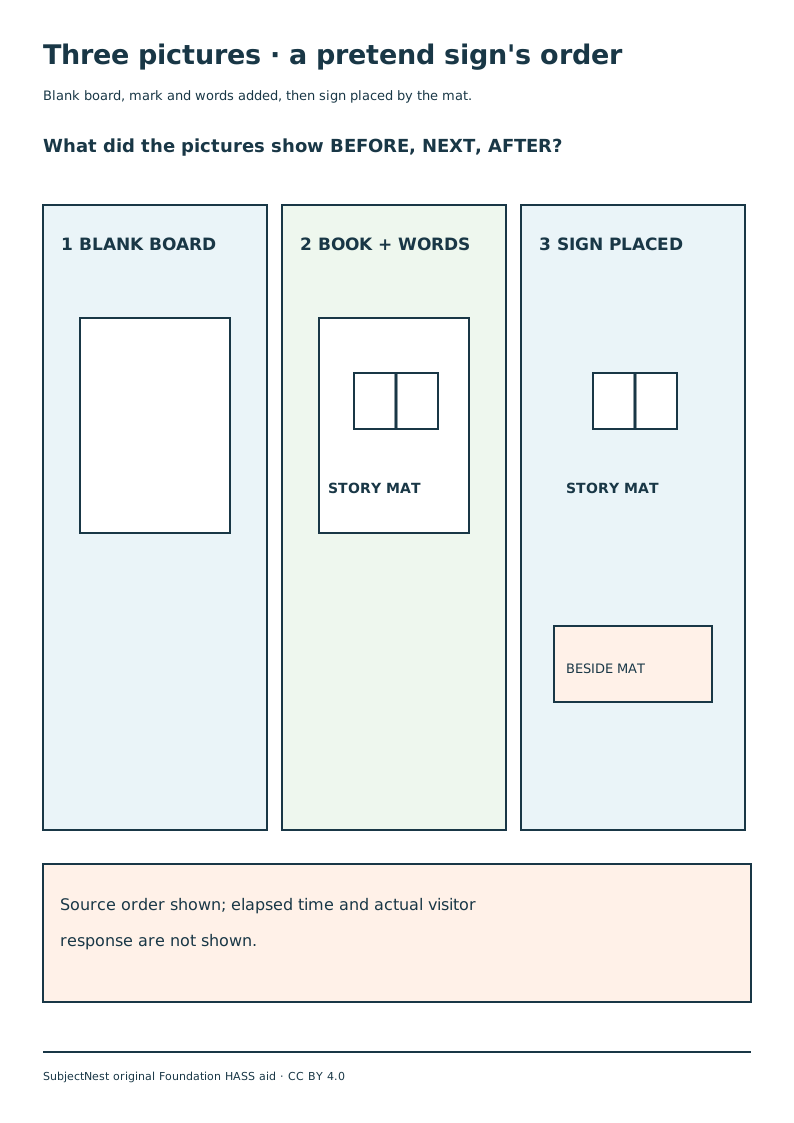
| Sign-making timeline (SVG) | Three left-to-right pictures: 1 BLANK BOARD; 2 BOOK + WORDS, showing an open-book outline and STORY MAT label; 3 SIGN PLACED, with STORY MAT sign beside the mat. Elapsed time and actual visitor response are not shown. | Three broad textured/raised frames; read frame numbers and details, then invite child-directed before/next/after placement. |
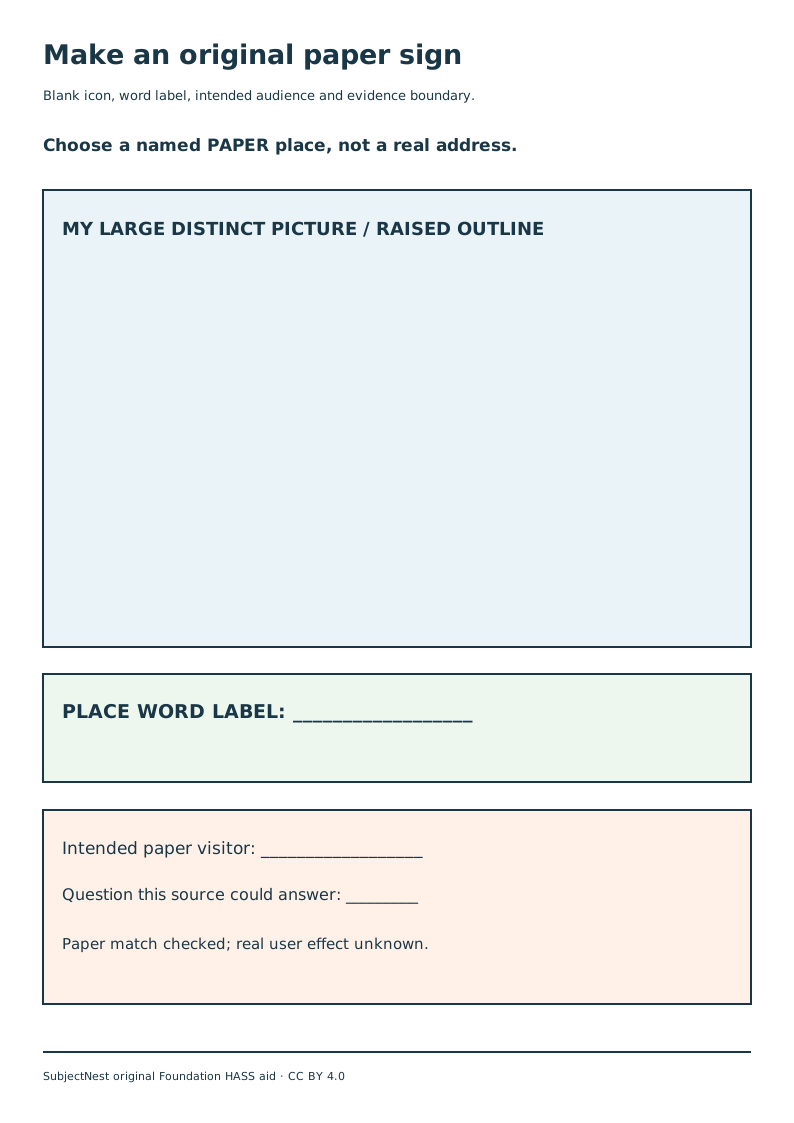
| Make-a-sign mat (SVG) | Large blank region MY LARGE DISTINCT PICTURE / RAISED OUTLINE; blank PLACE WORD LABEL; blank Intended paper visitor; blank Question this source could answer. Reminder: paper match checked; real user effect unknown. | Child dictates a large outline and word label or directs an adult scribe. A plain shape/word can replace drawing; check only the child-controlled match and reason. |
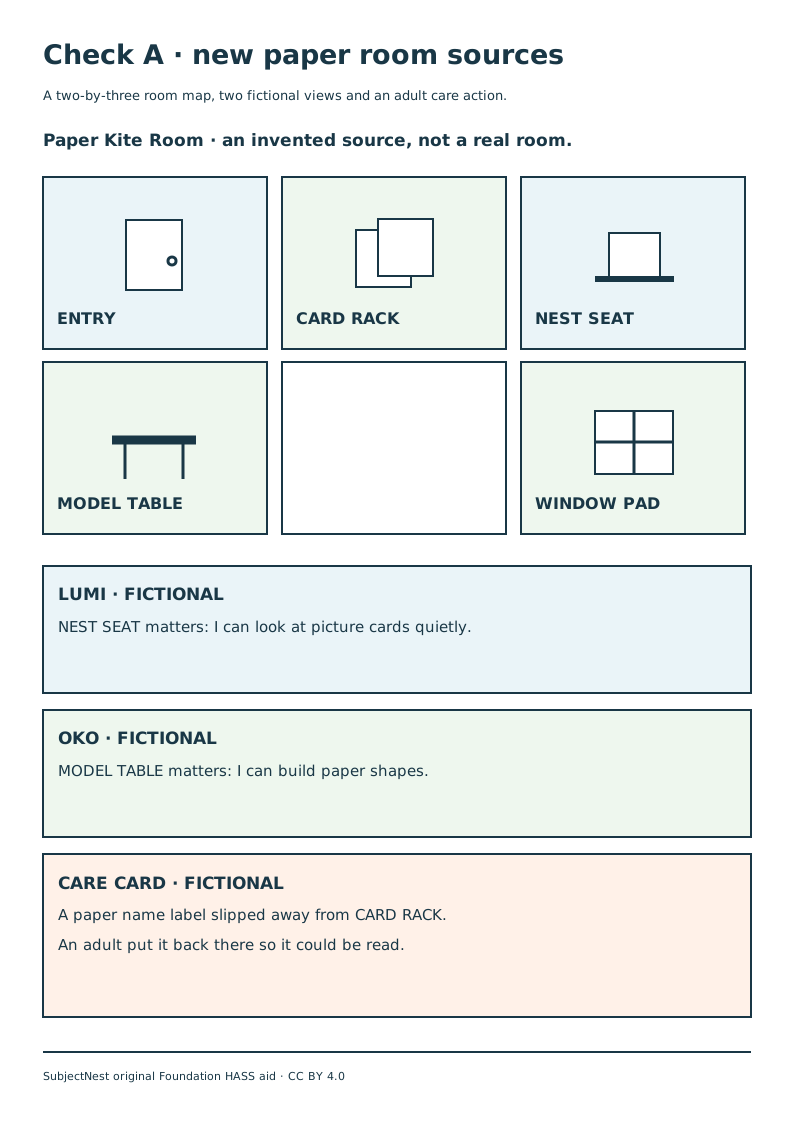
| Check A fresh place (SVG) | New Paper Kite Room, fictional 2×3 grid: row 1 ENTRY, CARD RACK, NEST SEAT; row 2 MODEL TABLE, blank, WINDOW PAD. Lumi, fictional: “NEST SEAT matters: I can look at picture cards quietly.” Oko, fictional: “MODEL TABLE matters: I can build paper shapes.” Care card, fictional: “A paper name label slipped away from CARD RACK. An adult put it back there so it could be read.” | Use a fresh 2×3 broad-cell tray and three separate large source cards. Read all print before response; preserve top-middle CARD RACK. This is public formative material, not a secure exam. |
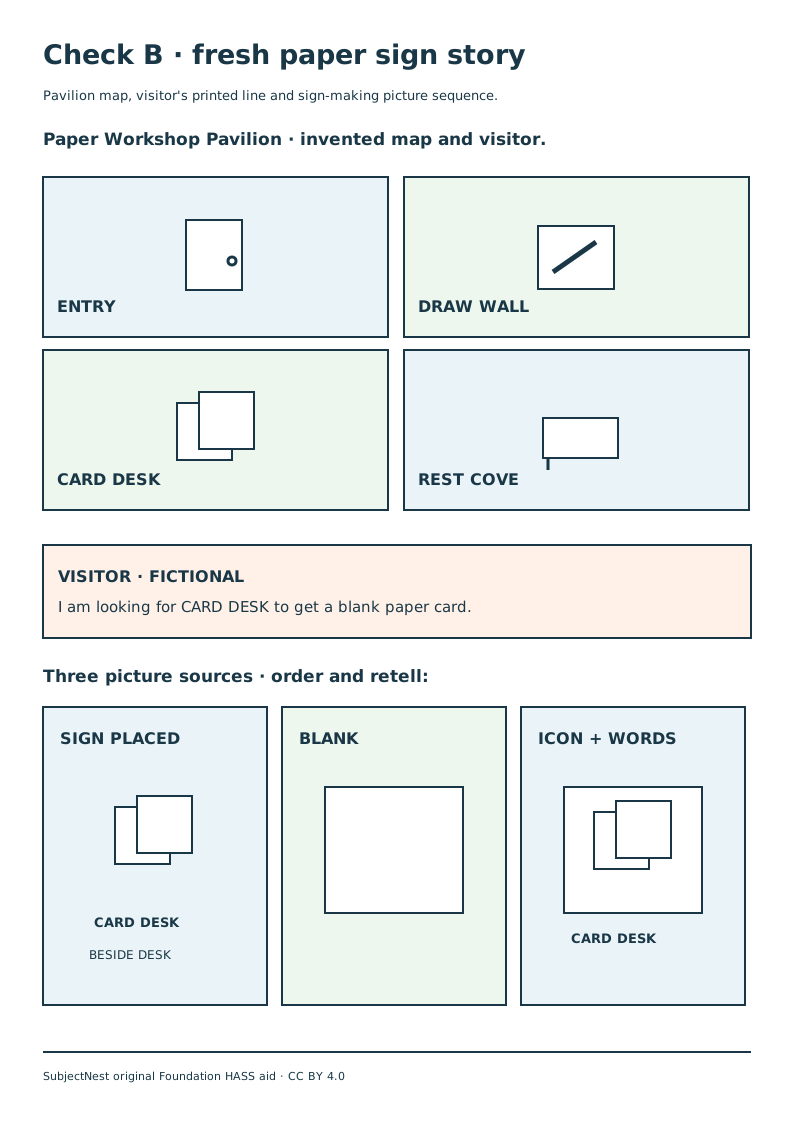
| Check B fresh signs (SVG) | New Paper Workshop Pavilion, fictional 2×2 grid: row 1 ENTRY, DRAW WALL; row 2 CARD DESK, REST COVE. Visitor, fictional: “I am looking for CARD DESK to get a blank paper card.” Three mixed source frames left-to-right: SIGN PLACED beside CARD DESK; BLANK sign; card icon and CARD DESK words added. The pictures do not show a visitor reading it. | Use a fresh 2×2 broad-cell tray and three large ordered frames. Preserve bottom-left CARD DESK. Child can order by directing an adult. Record only source use and intended purpose; actual effect remains unknown. |
Print/read boundary: SVG page titles/descriptions are metadata, not a substitute for these full linear sources. A tactile copy is a teacher-made equivalent, not a certified accessibility outcome. Recheck the chosen source after any enlargement, transcription or adaptation; keep authentic child work private.