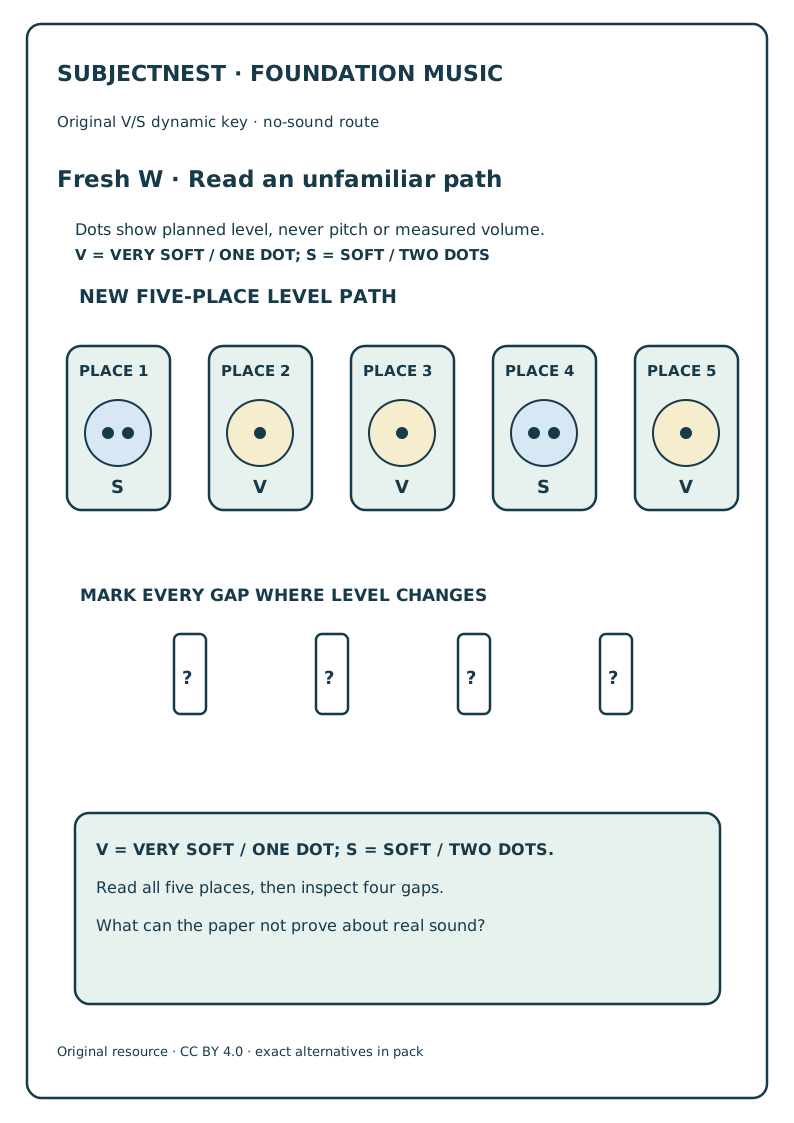
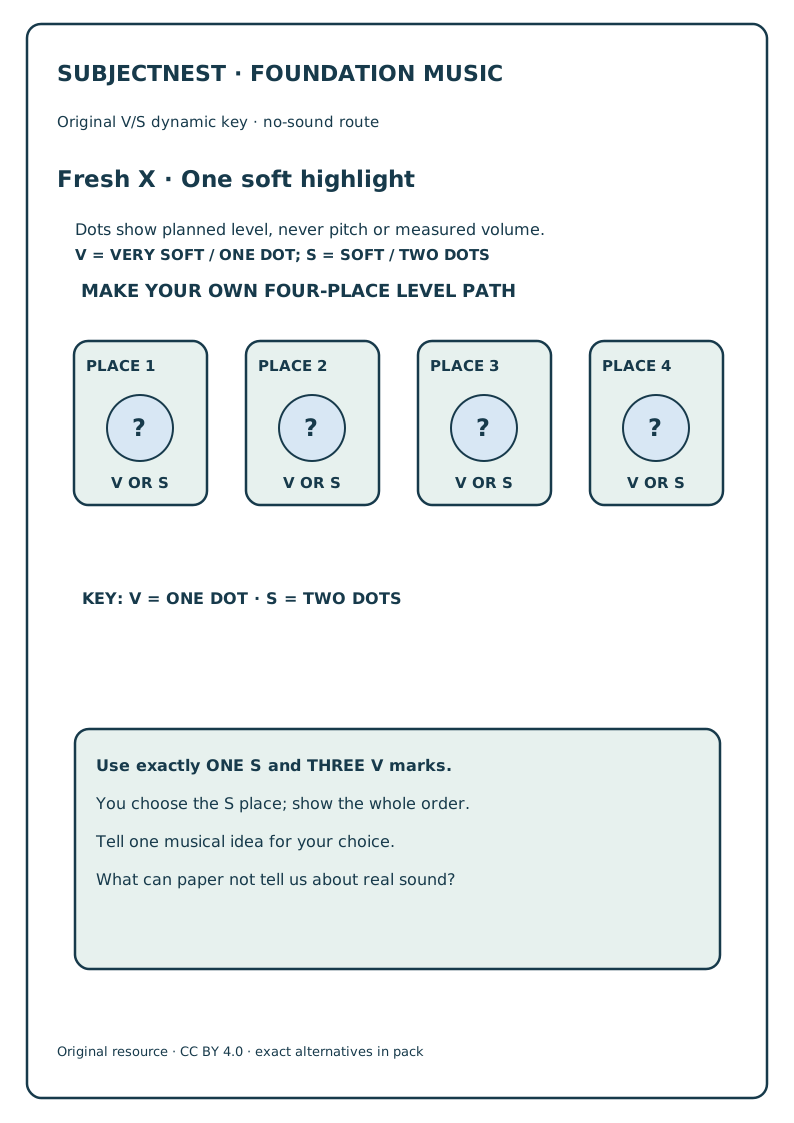
The pictures and cards use an invented, explicit V = very soft (one dot) and S = soft (two dots) key. They are planning marks, not volume measurements. Use a broad fixed strip with numbered slots, high contrast print or raised one/two-dot labels. An adult may place cards exactly as a child directs. The optional candidate sound index gives event-by-event transcripts; sound is not required for any paper-planning target.
A · The two-level key
Level legend SVG · PDF. Show one V and one S card with their full words and dots. Ask the child to choose a planned level for one fixed sound event. Then ask what this card does not tell us (actual device level, how anyone heard it). Work one example: V for a fictional paper page turning, S for the same event in a different intended version; neither tells us how loud a real page was. No symbol means “bad,” “shy” or a type of child.
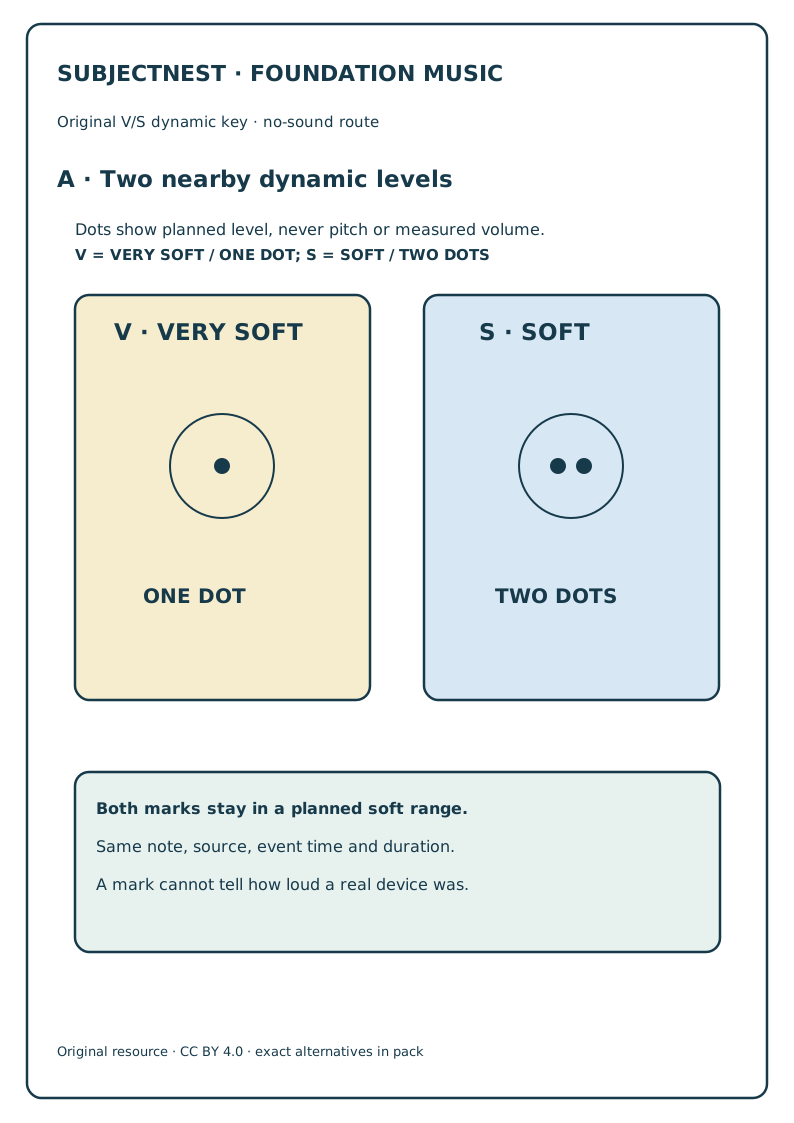
B · Hold then lift
Level lanes SVG · PDF. On the first four-place strip, set V V S S and mark one lift after 2. Then let the child move the lift boundary on a second blank strip and read their actual pattern. Keep event duration, pitch and source fixed; do not have to perform it. A tactile route uses four slots, one/two-dot cards and a broad gap marker.
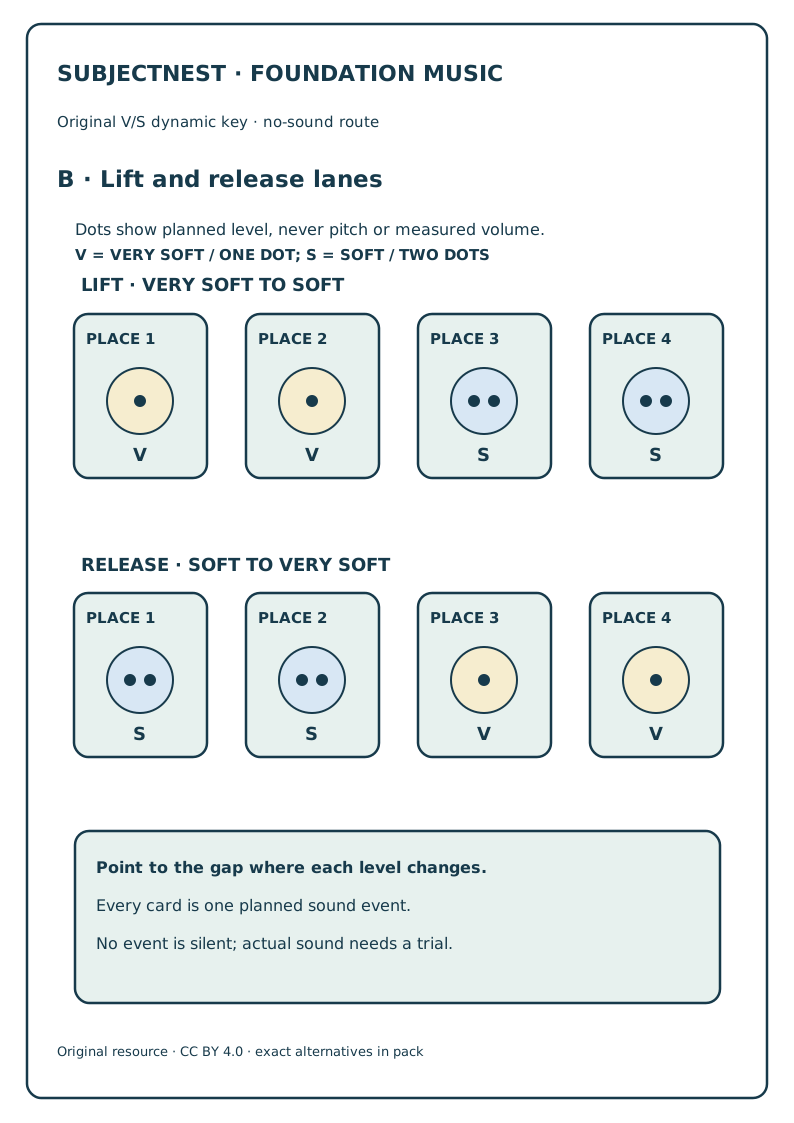
C · Release into very soft
Reuse the level lanes. Set S S V V: one release after 2, not silence. Contrast its direction with B. A child can select a quiet ending for an imaginary train stop, or explain the same score as a plain musical choice. If an approved sound is played, log the child's actual response separately.
D · Compare two dynamic shapes
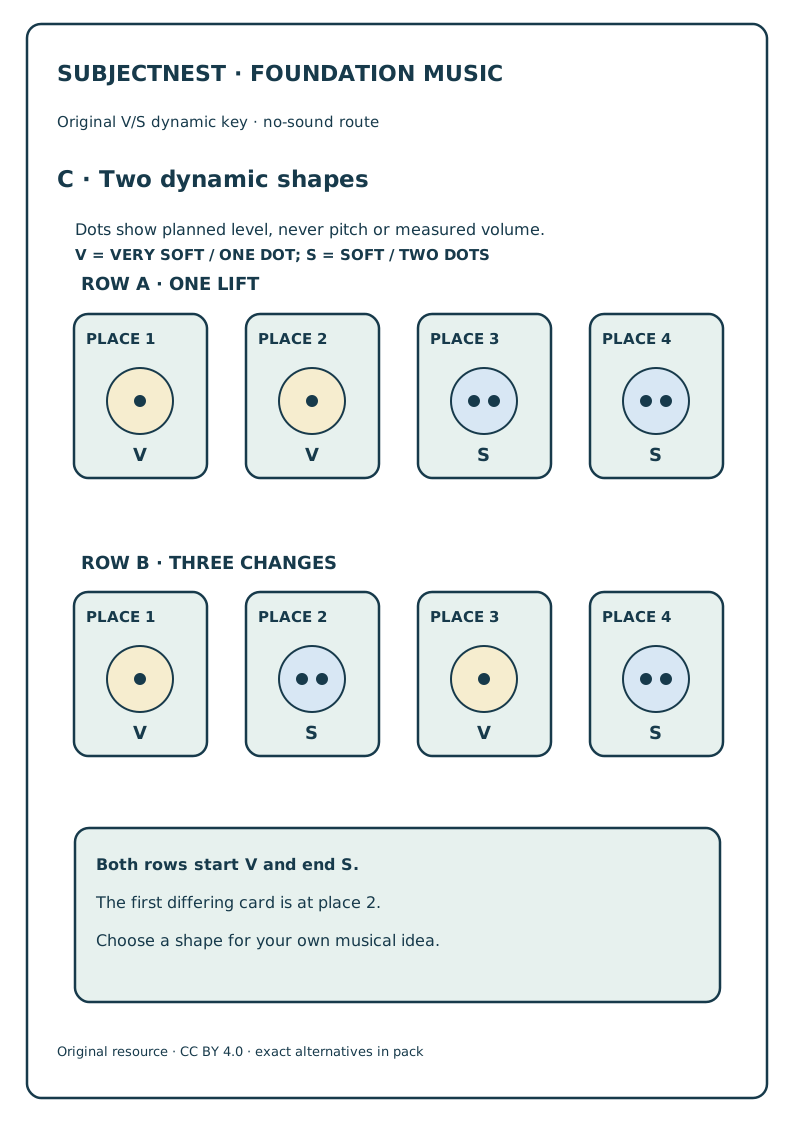
Two-shape SVG · PDF. Top V V S S has one lift; bottom V S V S has three alternating boundaries. Both use the same positions, pitch and source. First difference is at place 2. Ask which shape fits a child-chosen fictional change; there is no preset correct feeling. Place transparent or raised strips together for comparison.
E · Intention and actual trial
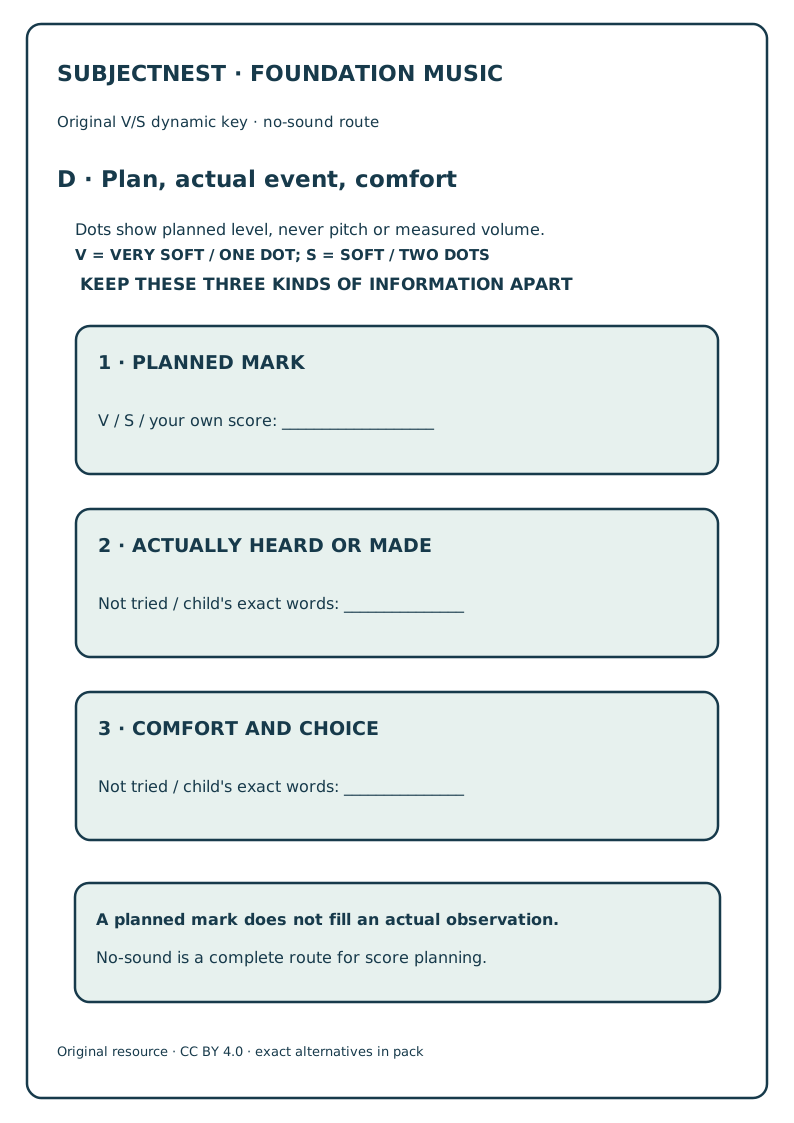
Observation log SVG · PDF. The three fields are planned mark, actually heard/made, comfort/choice. Work a quiet example: plan V at place 1; leave actual and comfort fields as “not tried” when no event happened. Only after an adult-approved comfortable trial may an educator write a child’s own observation. A diagram, waveform or PCM peak does not fill these fields.
F · Revise one level mark
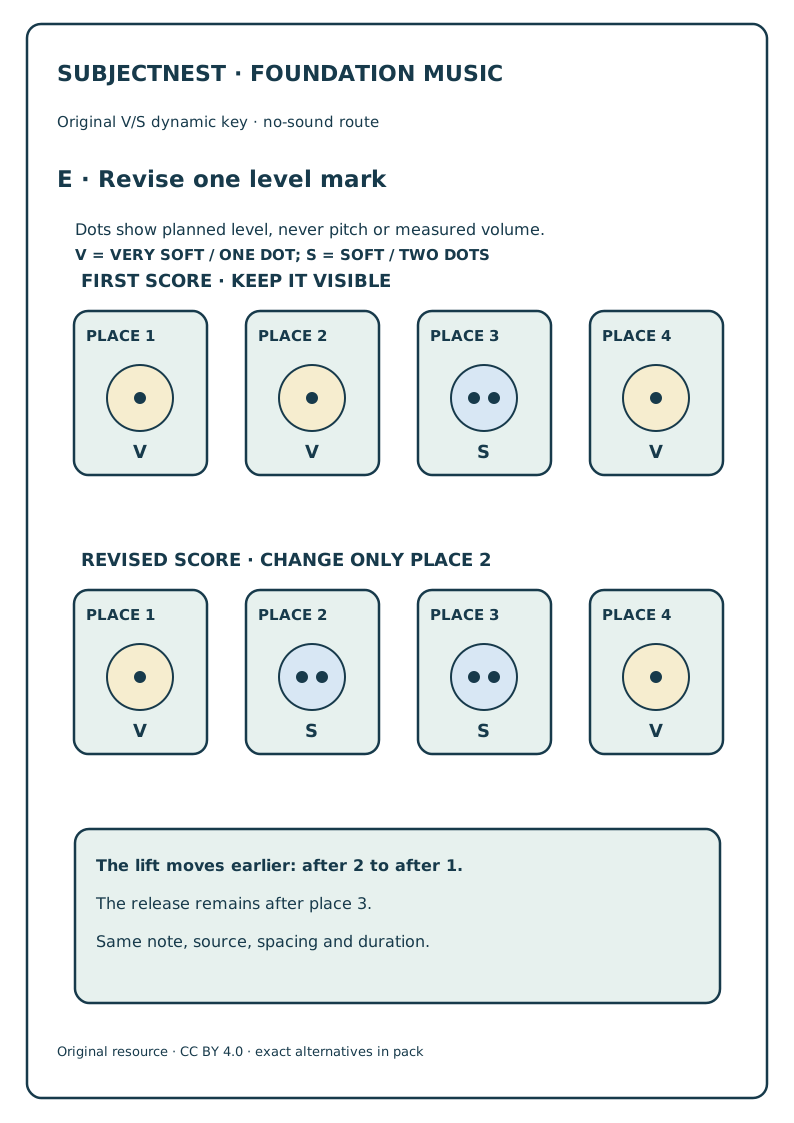
Move-lift SVG · PDF. Preserve V V S V on row one. Change only place 2 to S on row two: V S S V. The lift moves from 2→3 to 1→2; the release stays at 3→4. The child's alternative may change a different one card; write both rows and name their actual changed place.
G · Compose and review
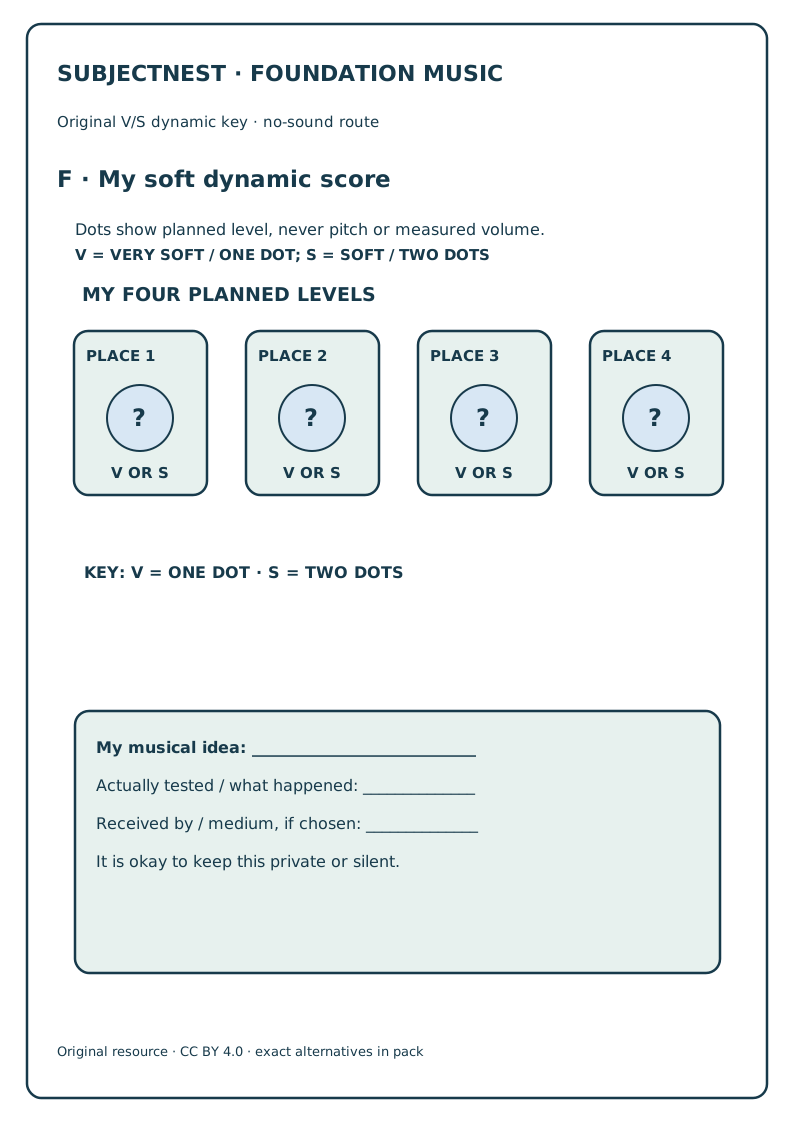
Make/share SVG · PDF. Four large blank slots, child-selected V/S marks, own intended idea, separate real-trial field and optional real-recipient field. Work adult practice S V S S, then set it aside before the child's score. Check that a child-authored idea is kept even if no safe sound or willing audience is available. “Private” and pass remain live options.
Fresh pages
The two public tasks use W SVG/PDF and X SVG/PDF. Put the teacher key away. Do not rehearse W's source row or complete X's blank strip in front of the child. Exact print text and tactile directions cover every sheet; no printer, screen or speaker is required if broad cards and neutral reading are available.