The structure has six fixed places in three two-event sections: OPENING · DIFFERENT · RETURN. In a chosen two-mark key (pitch L/H or invented source A/B), the middle differs from the opening in at least one event and RETURN copies OPENING exactly in order. This is an original score convention. It does not tell us what someone heard, felt or played. Use broad fixed slots and raised/text keys; neutral adults read and place only as directed. Exact text/tactile/no-print alternatives cover every page.
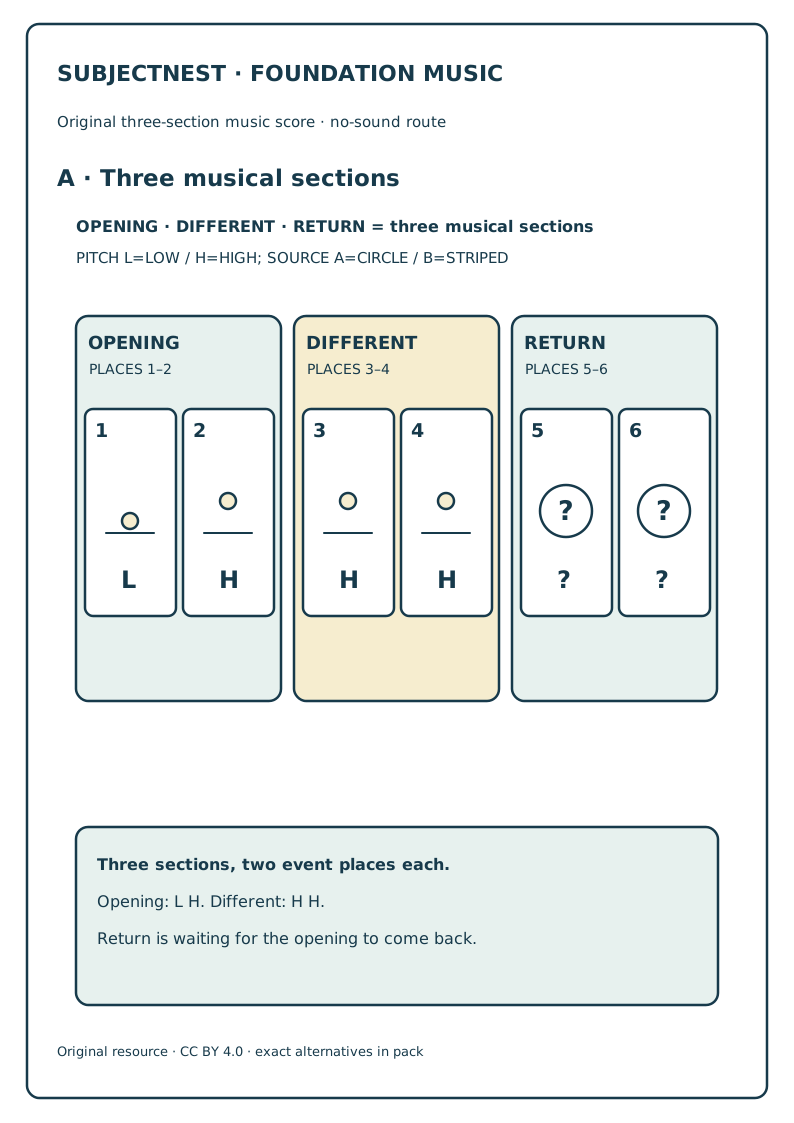
A · Three sections of two
Section-road SVG · PDF. Three large panels each have two numbered slots. Put pitch L H in OPENING and H H in DIFFERENT; keep RETURN blank. Point to which slots belong together. The connecting ribbon is a music-form diagram, not a real road map or navigation instruction. A learner may build the same three raised panels on a desk.
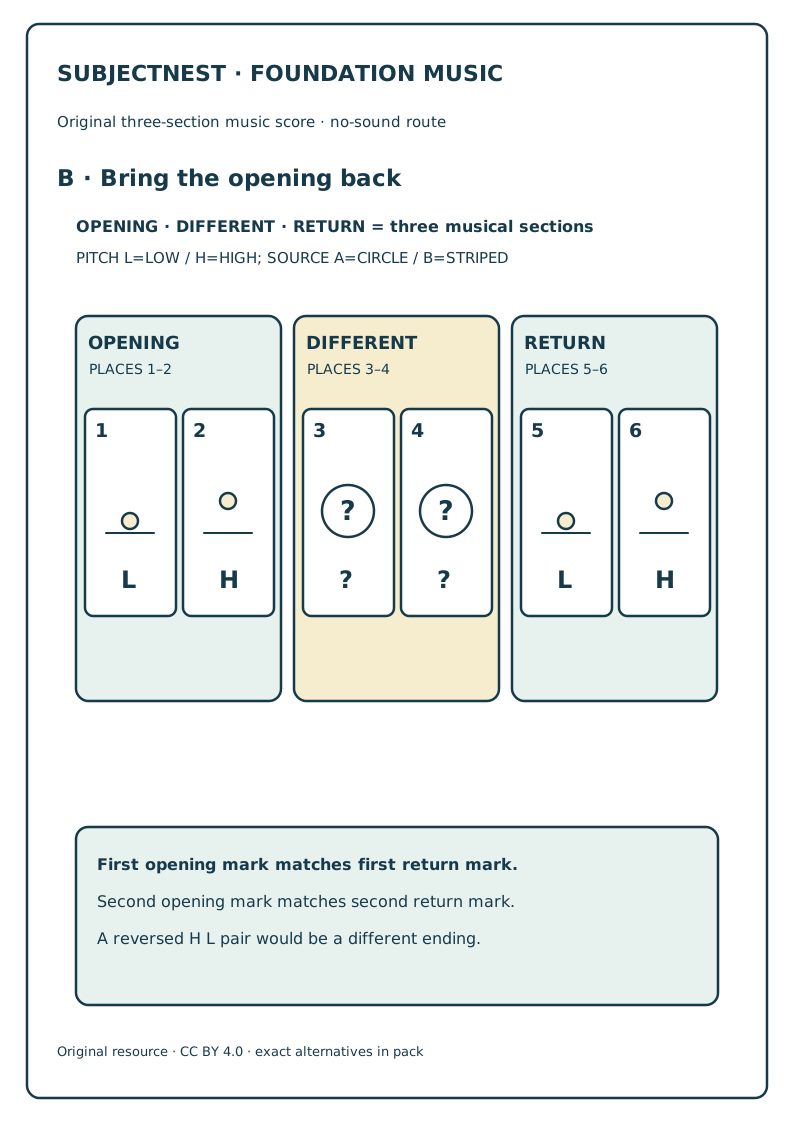
B · Make an exact return
Exact-return SVG · PDF. Lay opening L H and copy L H in places 5–6. Work the two checks: opening first L = return first L; opening second H = return second H. Reversed H L is different. The middle remains a blank invitation for Day 103; copying two cards is the current target.
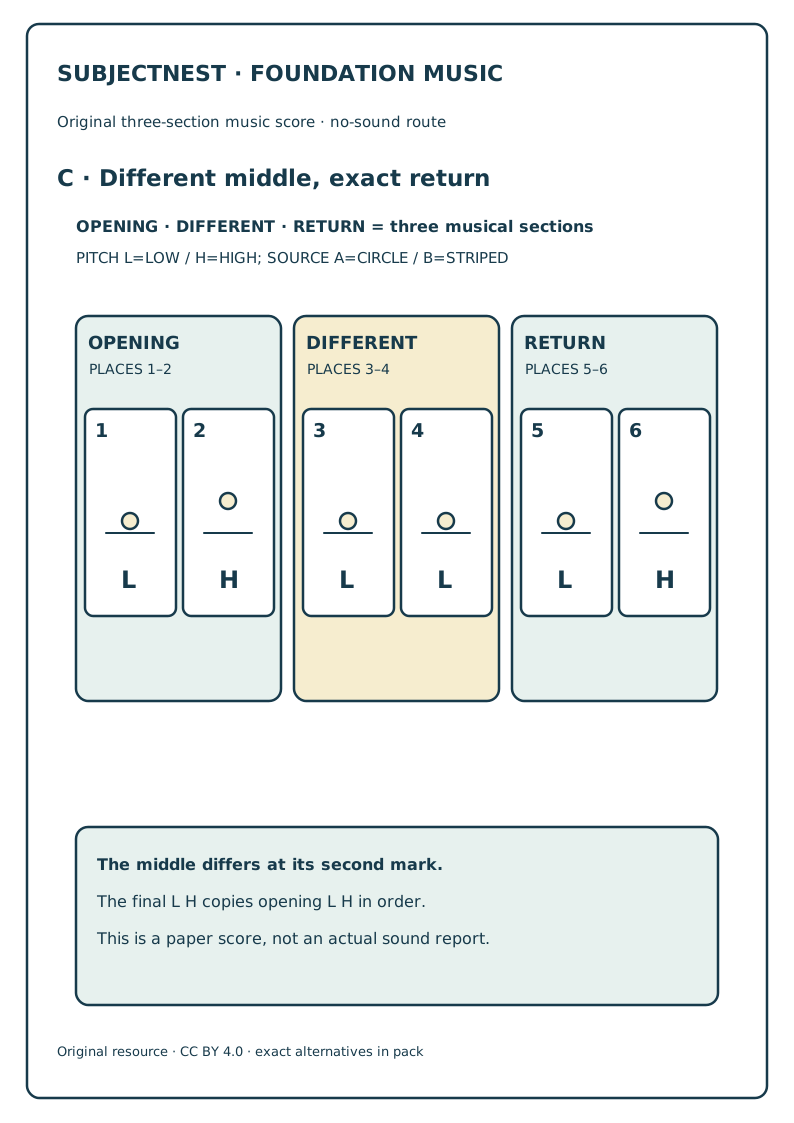
C · Middle different, final same
Contrast-return SVG · PDF. Complete L H | L L | L H. Middle changes the second mark relative to opening; final repeats both opening marks in order. The child can choose a different valid middle on another blank strip. No real sound is required.
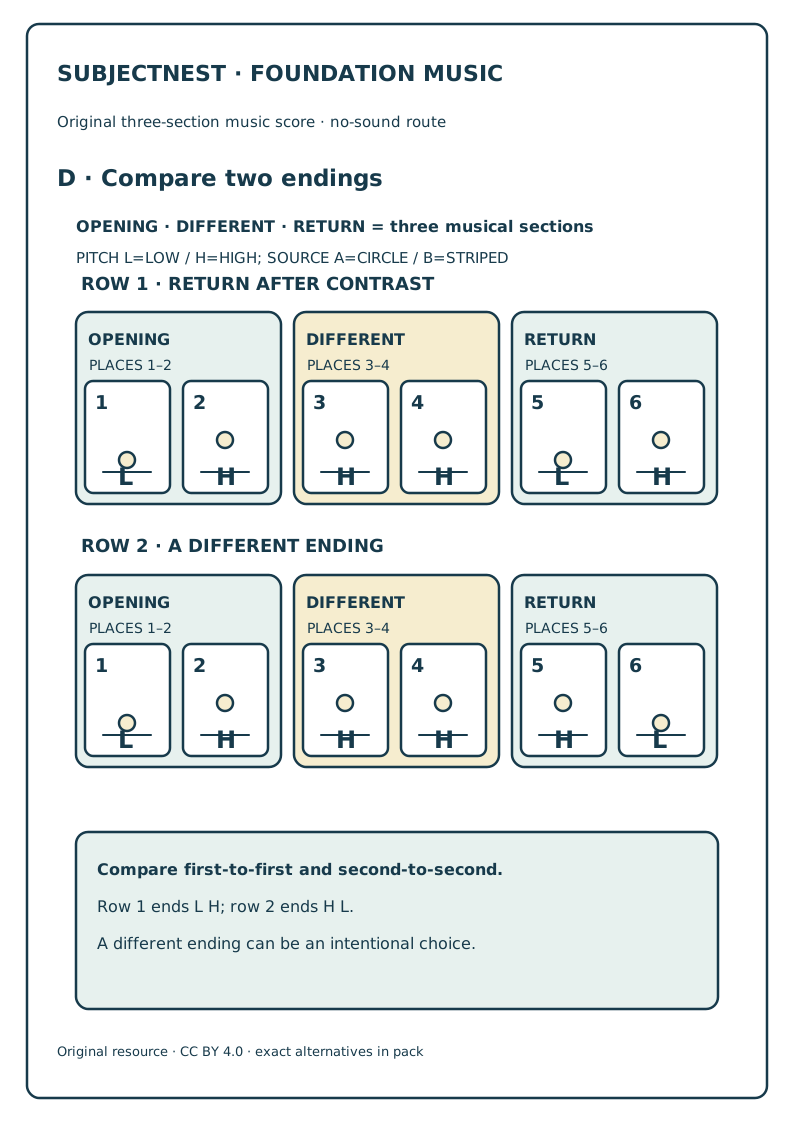
D · Compare two endings
Compare-endings SVG · PDF. Compare row 1 L H | H H | L H with row 2 L H | H H | H L. Only row 1 has exact return; row 2 is a legitimate different ending. Child traces first-to-first and second-to-second. This is structural reasoning, not a demand to prefer one kind of ending.
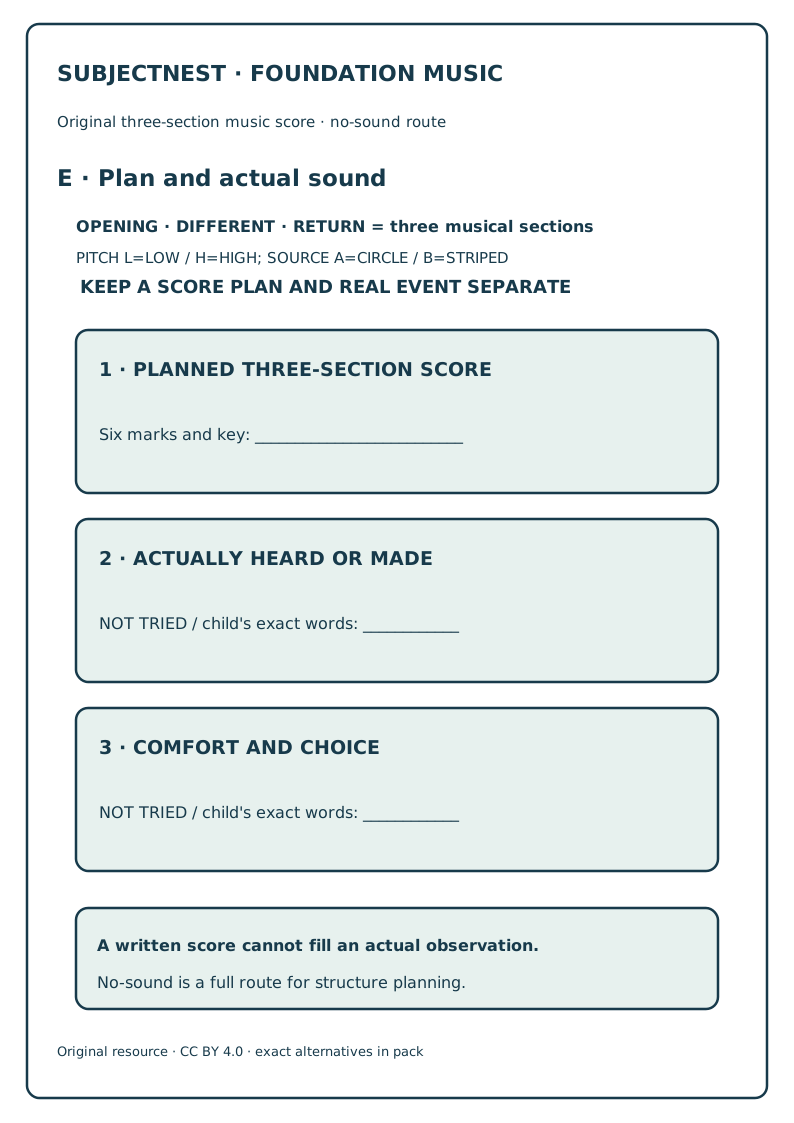
E · Plan and actual are separate
Plan/actual SVG · PDF. Three labelled boxes: planned three-section score; what was actually heard/made; comfort/choice. Work a silent example H L | L L | H L; leave the latter two boxes NOT TRIED. If a safe adult-approved trial occurs, enter the exact cue/device and child's own words rather than converting a written score into a listening claim.
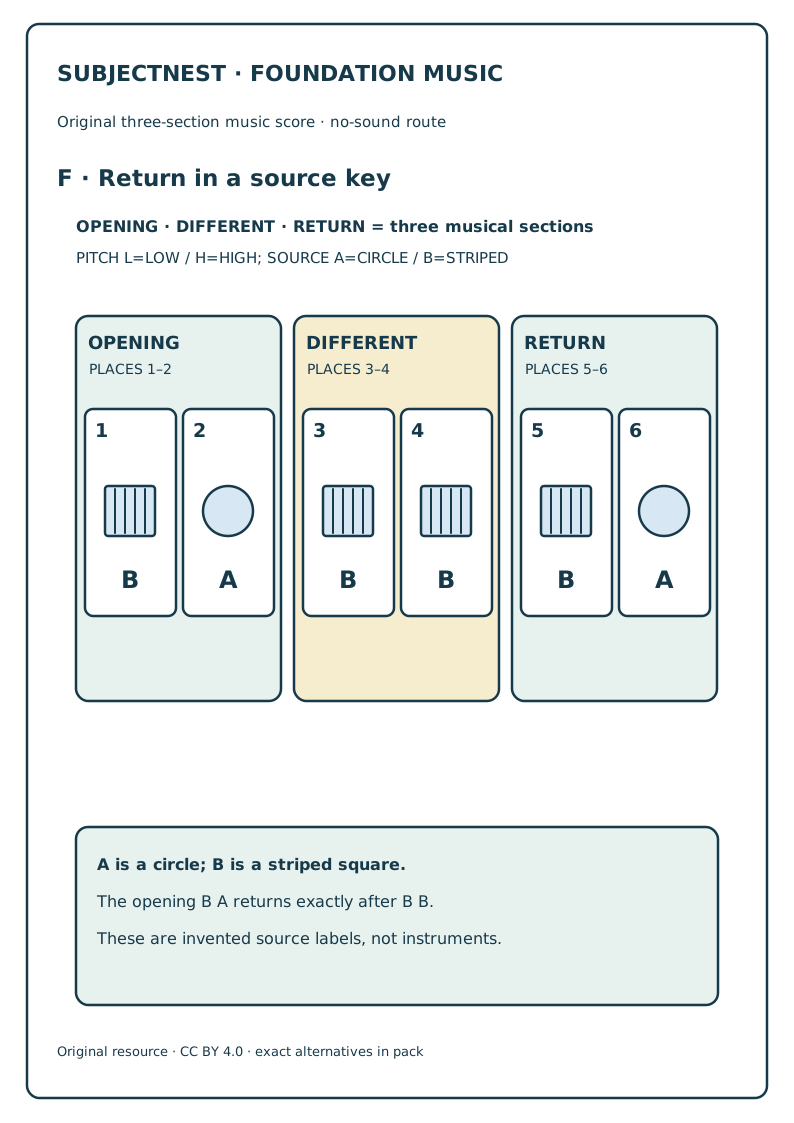
F · Transfer the return rule
Transfer-key SVG · PDF. Use the source key A=circle/B=striped square, not A/B section labels. Work B A | B B | B A: same exact opening/return structure as pitch practice, with a different invented tone-recipe key. The child can instead trace broad raised circle/stripe cards. A/B does not identify a real instrument.
G · Compose and check three sections
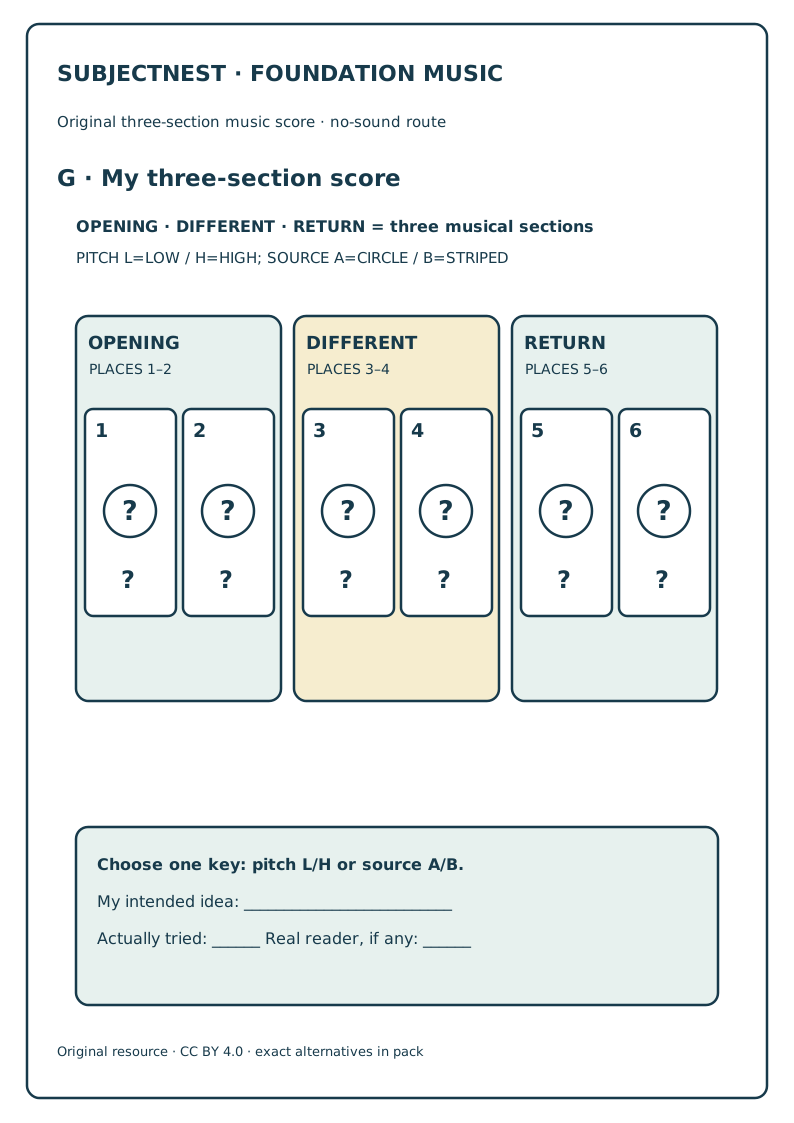
Make/share SVG · PDF. Six blank places, one two-mark key selected by child, labels for opening/different/return and fields for intended idea, actual trial, real reader if any. Child authors first two, chooses middle with at least one changed mark, then duplicates first two into return. Save first score even if an adult later helps improve the label. A private or silent score is valid for the planning target.
Fresh pages
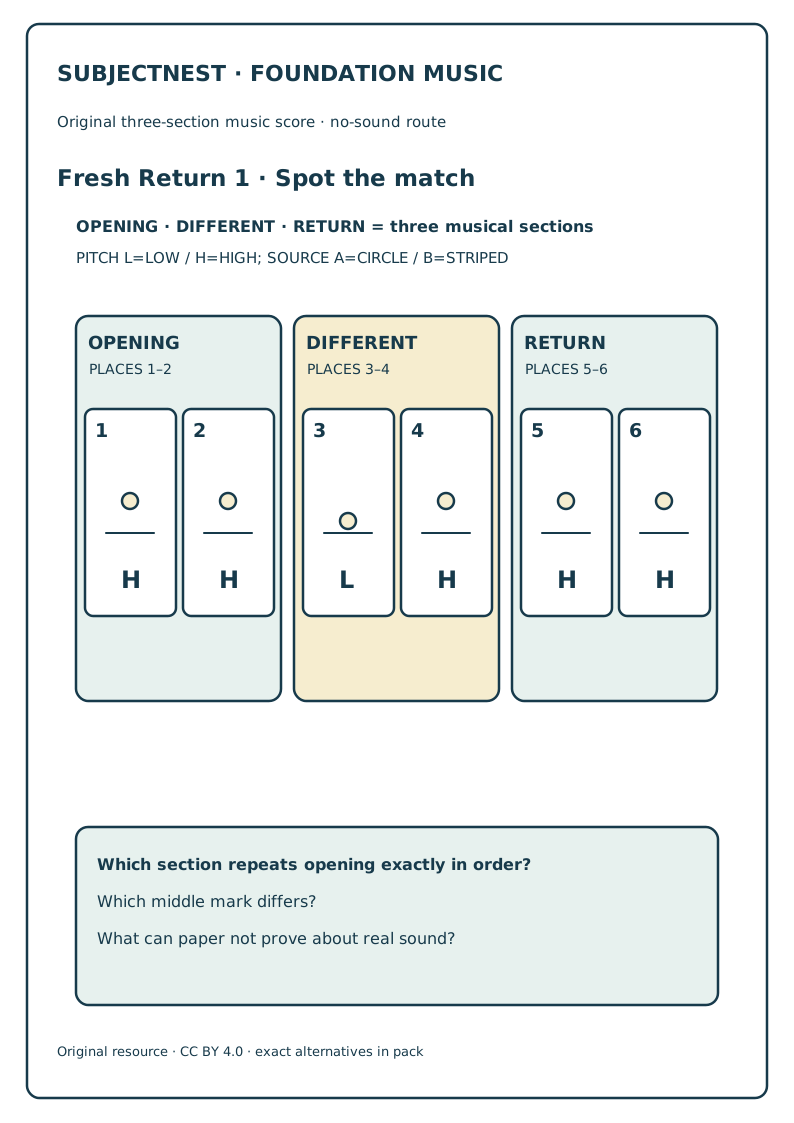
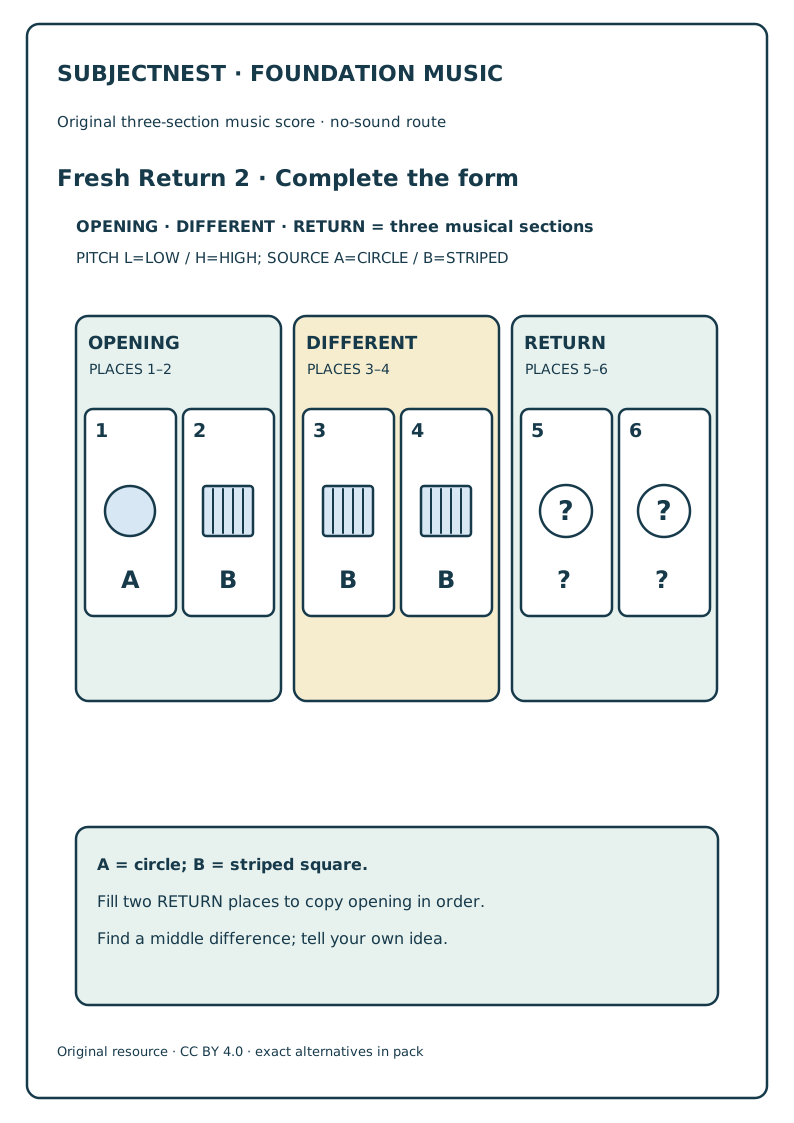
The two public checks have Return 1 SVG/PDF and Return 2 SVG/PDF. Close the educator key. These check sequences do not appear as worked practice before administration. A neutral adult may read the public key, not indicate matching or fill an answer.