A learner may use the A4 page, enlarged/broad fixed or raised cards, one beat at a time, neutral reading of every ONE/PAIR/beat mark, AAC/sign/words/pointing or a child-directed scribe. ONE is one short event at beat start; PAIR is two equal short events, start then middle of the same beat. Upper dots are beat starts, not extra rhythm sounds. Read only public tasks; do not count/name a solution for the learner or play matching sound. Keep the first response before help and record access, prompts and later self-revision. Rest/pass or unavailable access is unobserved, not an ability label. No sound/performance is required.
Check Split 1 · Compare two new rhythms · Day 145
Original A4 SVG · searchable PDF.
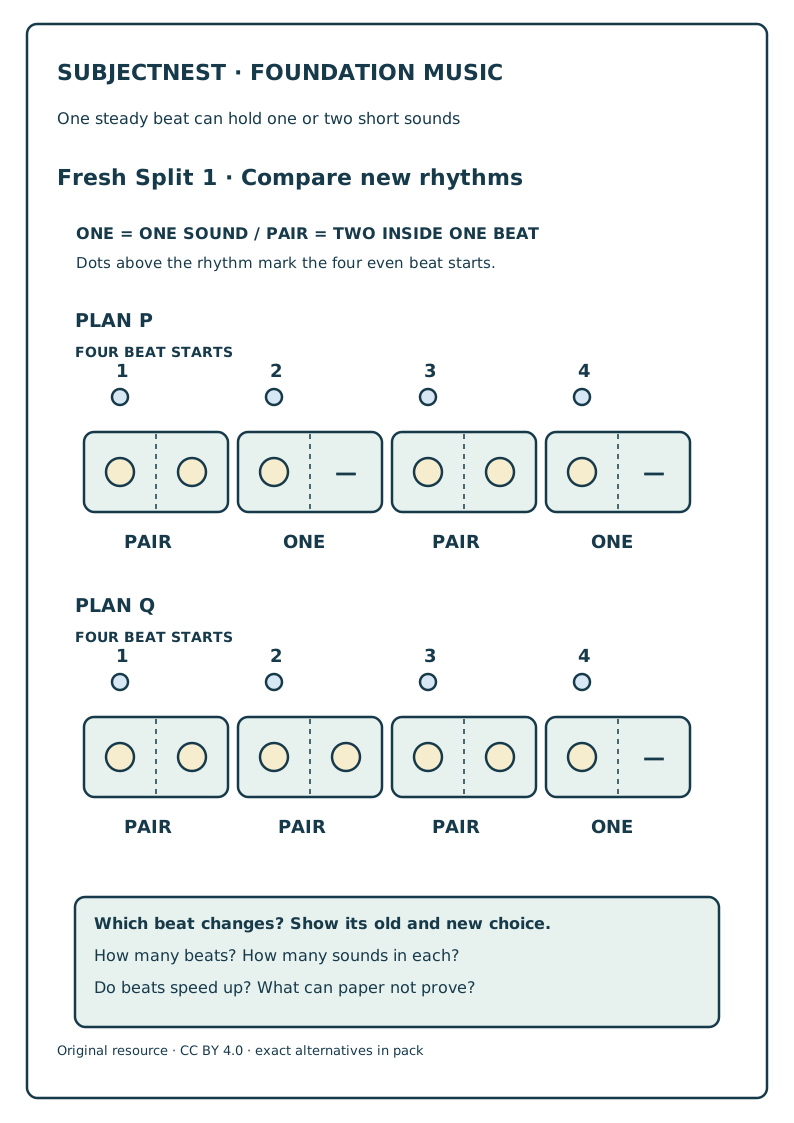
| Plan | Beat 1 | Beat 2 | Beat 3 | Beat 4 |
|---|---|---|---|---|
| P | PAIR | ONE | PAIR | ONE |
| Q | PAIR | PAIR | PAIR | ONE |
Both plans have the same four even beat-start marks. “Which beat changes? Show its old and new choice. How many beats are in each plan? How many sound events are in each? Do the beat starts speed up, or do the sounds inside one beat change? Show one thing that holds, and what the paper cannot prove.”
Count upper beats separately from lower sound discs. Accept pointing or exact neutral adult placement as directed. Save first changed-beat choice, old/new decisions, both beat/event counts, pace explanation, hold and evidence limit. This pair is not a practice model or a candidate cue. Today's worked variants and optional bridges follow the check.
Check Split 2 · A new ending with six sounds · Day 150
Original A4 SVG · searchable PDF.
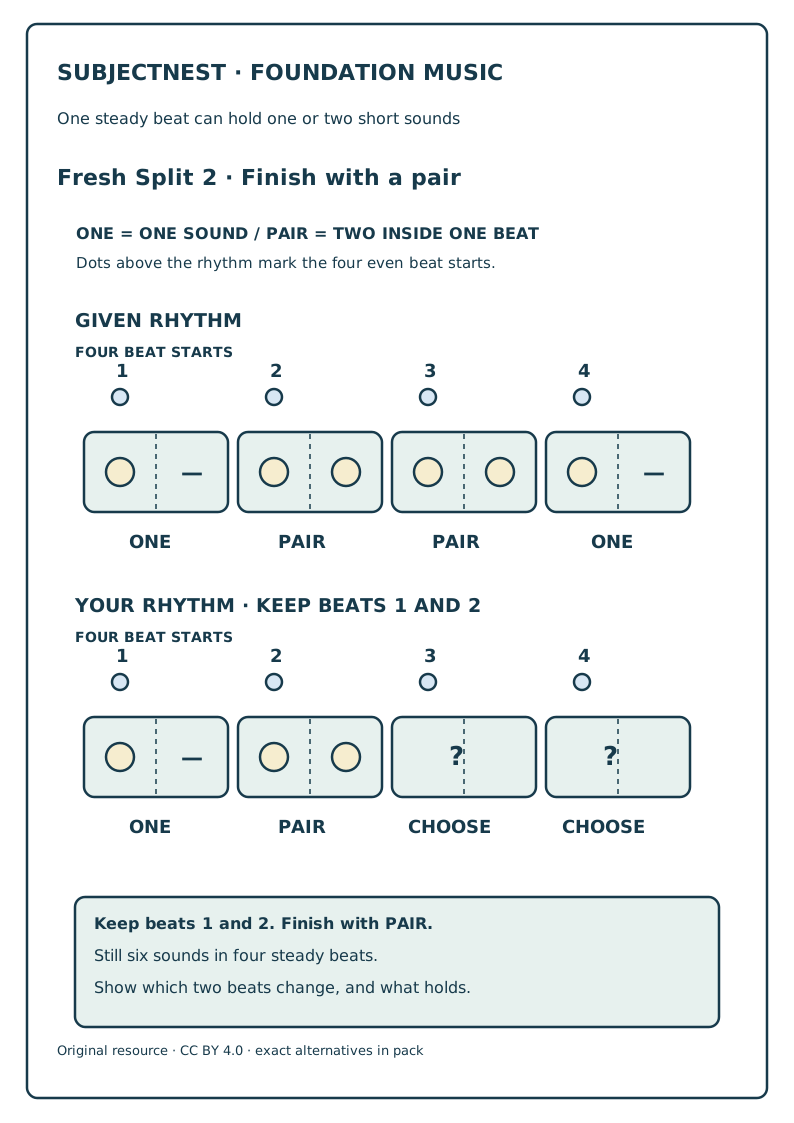
Given rhythm: ONE PAIR PAIR ONE. The response keeps beat 1 ONE and beat 2 PAIR; beats 3/4 are undecided question-mark cards.
“Make another ending. Keep beats 1 and 2. Finish with PAIR. Still have six sound events in four steady beats. Choose ONE or PAIR for beats 3 and 4. Show which two beats changed and their old/new decisions. Show the held beat count, event count and planned pace. You may give an own music reason if you wish. What can this paper not prove?”
Supply broad ONE/PAIR cards or a neutral scribe, with fixed first two cards and no solution cue. Save the first complete four-card plan, changed positions/decisions and held features before support. Child may self-check afterward; preserve any revision separately. Worked variants/home bridges for this day happen only after the check. Paper constraints do not establish actual hearing, comfortable making, kept pulse or a real audience.