The SVG and PDF mats are optional scaffolds. All required text appears here in reading order. Print as large type, read aloud, use a screen reader, copy onto cards, or use raised/folded strips. Colour only groups sections; it never encodes an answer. Blank lines on the mats are space for a response, not a required format.
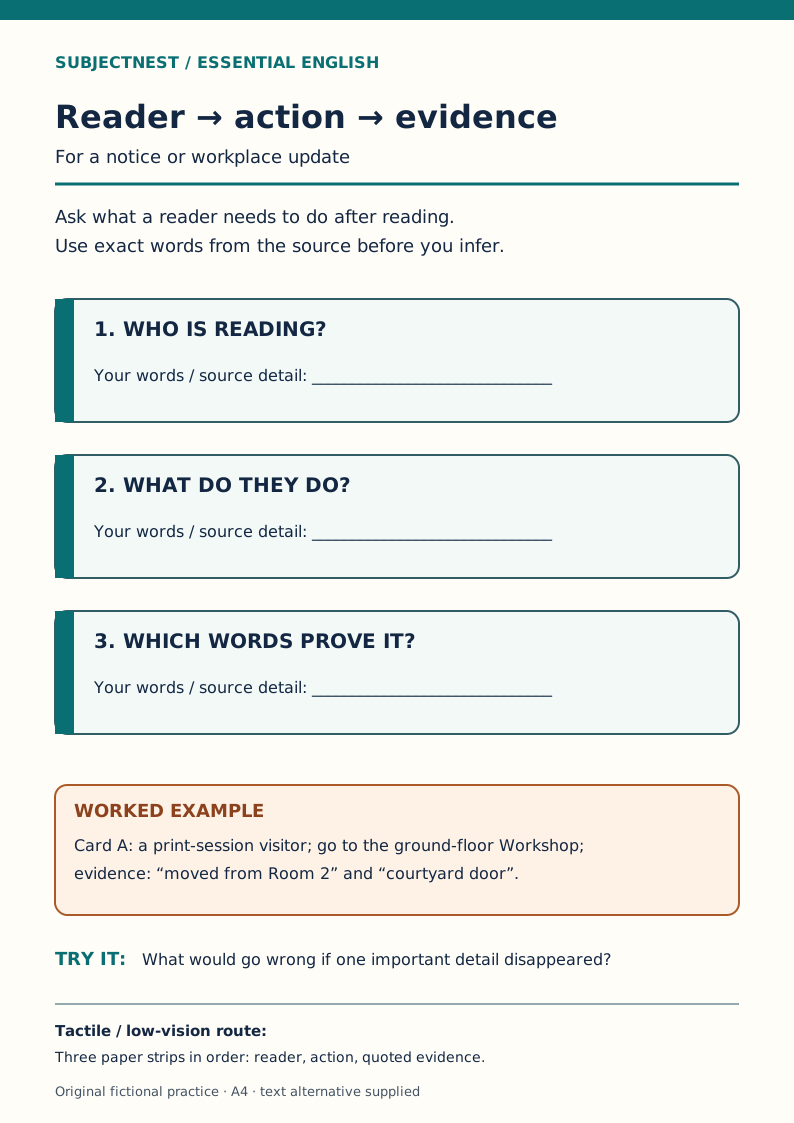
1. Reader → action → evidence
Files: reader-action.svg, reader-action.pdf. Subtitle: For a notice or workplace update. “Ask what a reader needs to do after reading. Use exact words from the source before you infer.” Three boxes: 1. Who is reading? 2. What do they do? 3. Which words prove it? Worked example: Card A is for a print-session visitor; go to the ground-floor Workshop; evidence is “moved from Room 2” and “courtyard door”. Try it: What would go wrong if one important detail disappeared? Tactile route: three paper strips in order: reader, action, quoted evidence.
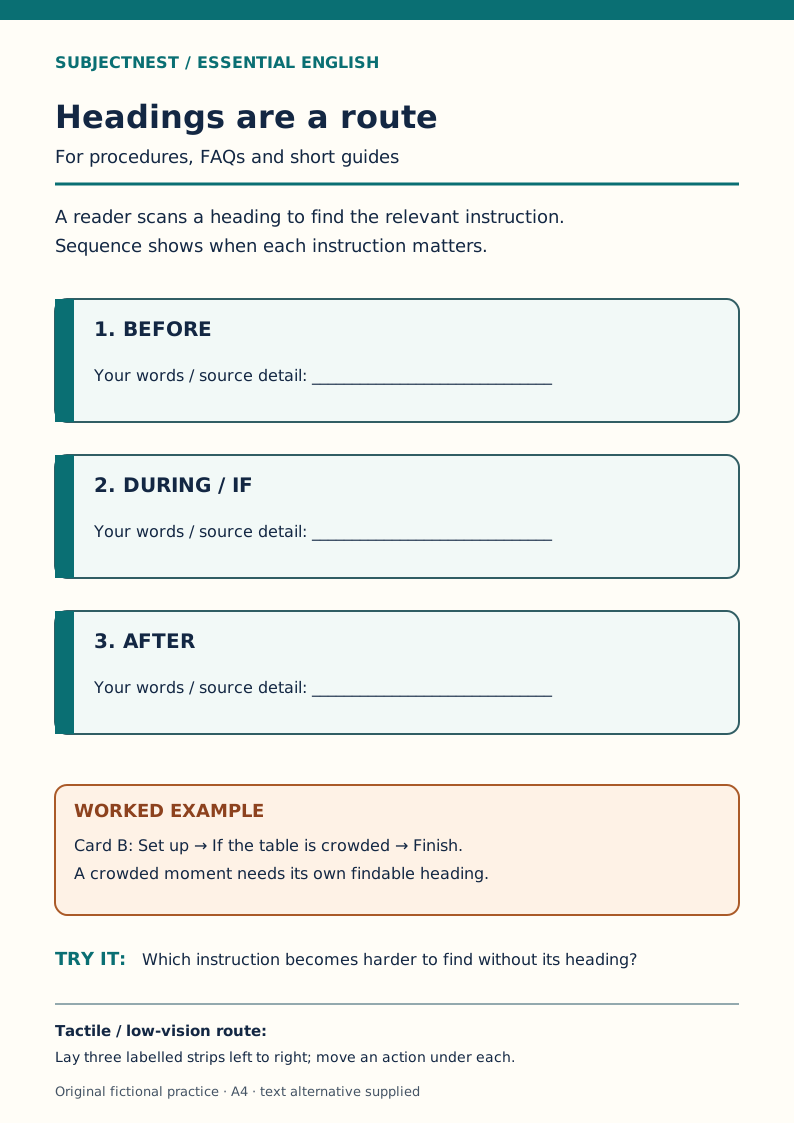
2. Headings are a route
Files: heading-route.svg, heading-route.pdf. Subtitle: For procedures, FAQs and short guides. “A reader scans a heading to find the relevant instruction. Sequence shows when each instruction matters.” Three boxes: 1. Before. 2. During / if. 3. After. Worked example: Card B moves from Set up to If the table is crowded to Finish; a crowded moment needs its own findable heading. Try it: Which instruction becomes harder to find without its heading? Tactile route: lay three labelled strips left to right; move an action under each.
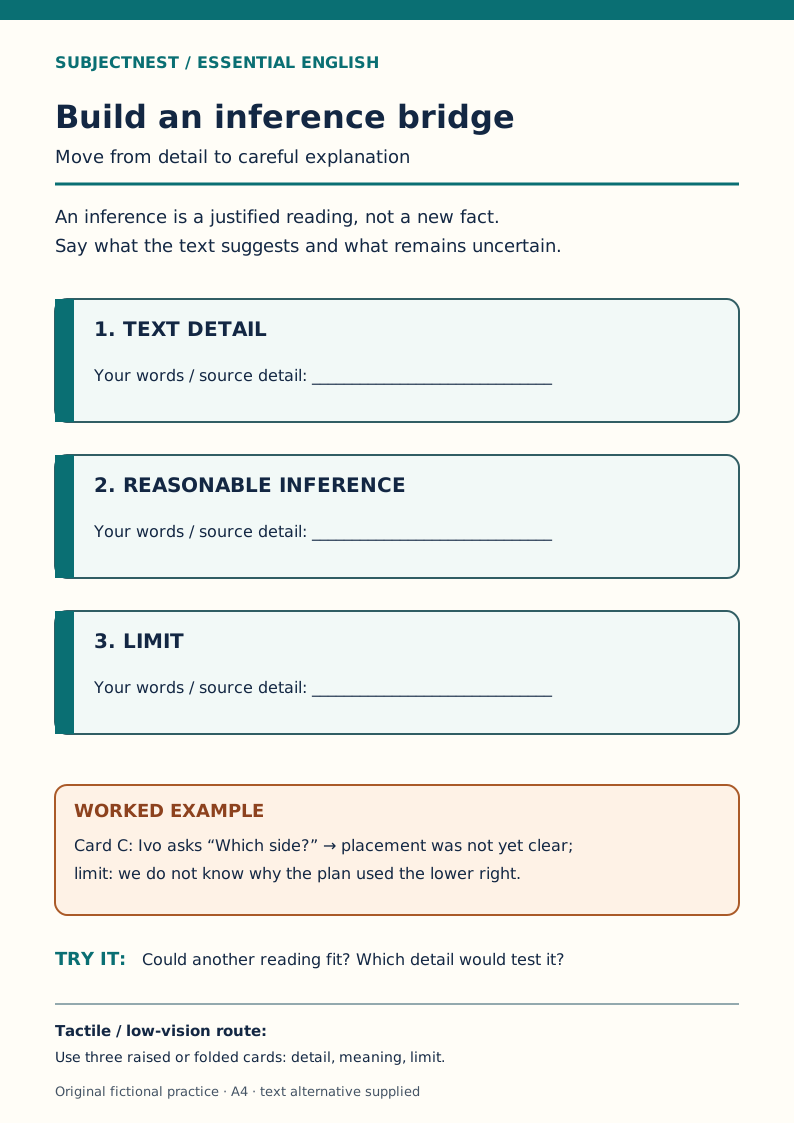
3. Build an inference bridge
Files: evidence-bridge.svg, evidence-bridge.pdf. Subtitle: Move from detail to careful explanation. “An inference is a justified reading, not a new fact. Say what the text suggests and what remains uncertain.” Three boxes: 1. Text detail. 2. Reasonable inference. 3. Limit. Worked example: Ivo asks “Which side?” in Card C, suggesting placement was not yet clear; we do not know why the plan used the lower right. Try it: Could another reading fit? Which detail would test it? Tactile route: use three raised or folded cards: detail, meaning, limit.
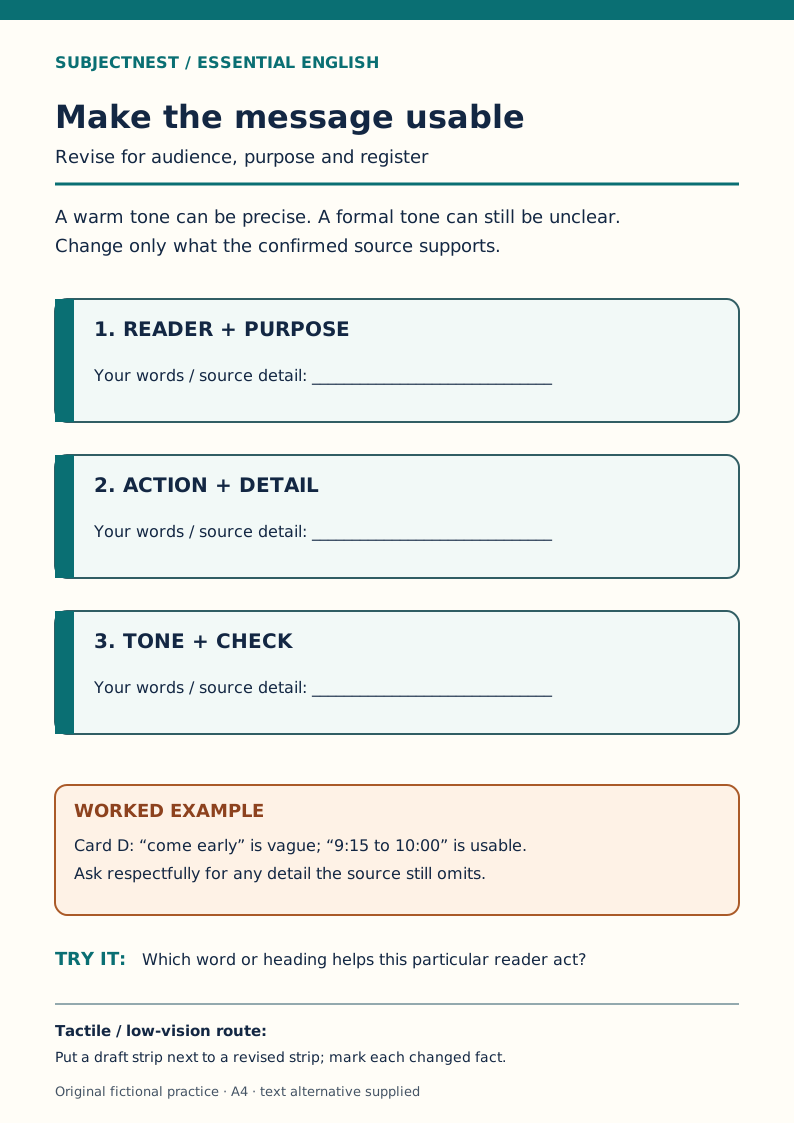
4. Make the message usable
Files: message-edit.svg, message-edit.pdf. Subtitle: Revise for audience, purpose and register. “A warm tone can be precise. A formal tone can still be unclear. Change only what the confirmed source supports.” Three boxes: 1. Reader + purpose. 2. Action + detail. 3. Tone + check. Worked example: In Card D, “come early” is vague and “9:15 to 10:00” is usable; ask respectfully for still-missing detail. Try it: Which word or heading helps this particular reader act? Tactile route: place draft and revised strips beside each other; mark each changed fact.
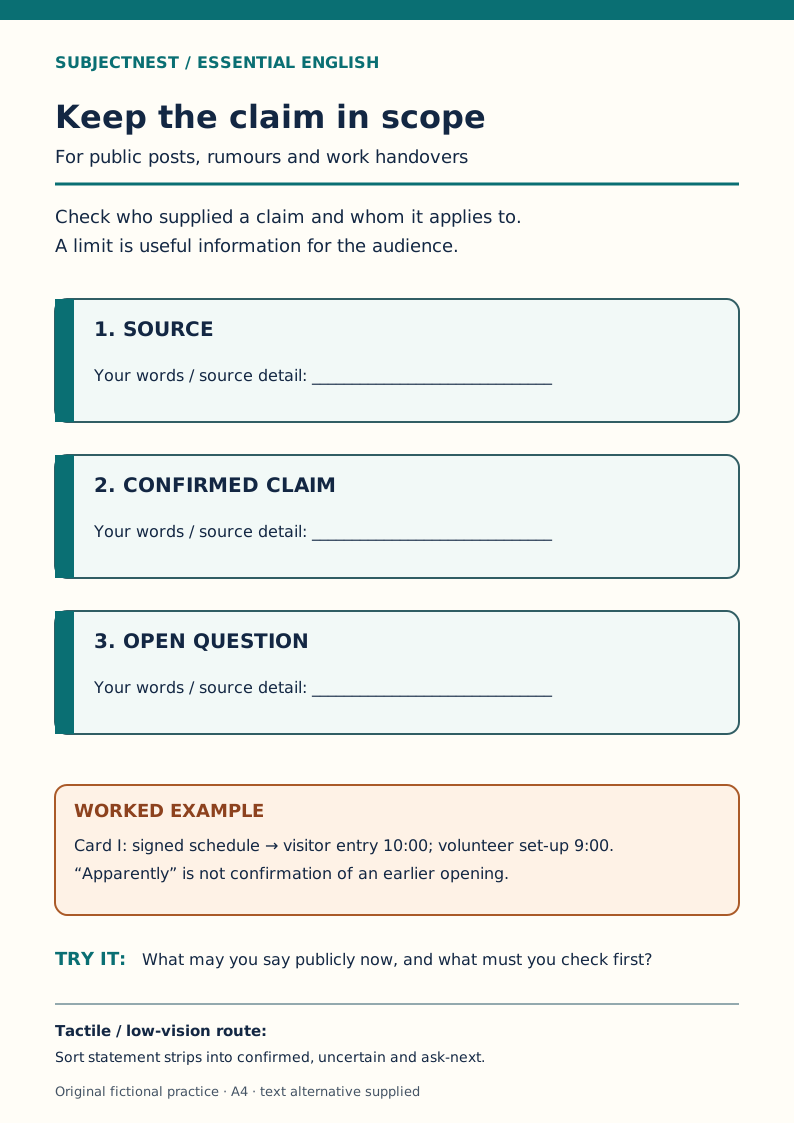
5. Keep the claim in scope
Files: source-scope.svg, source-scope.pdf. Subtitle: For public posts, rumours and work handovers. “Check who supplied a claim and whom it applies to. A limit is useful information for the audience.” Three boxes: 1. Source. 2. Confirmed claim. 3. Open question. Worked example: Card I's signed schedule confirms visitor entry at 10:00 and volunteer set-up at 9:00; “apparently” does not confirm earlier public opening. Try it: What may you say publicly now, and what must you check first? Tactile route: sort statement strips into confirmed, uncertain and ask-next.
The layouts and words are original to this pack; the examples refer to the fictional learner cards. If a print renderer does not expose the SVG title and description, use this full text version instead.