All diagrams are drawn by us; all props can be made from blank scrap paper. Keep a learner's observations distinct from these cues. Nothing depicts a named culture, person, place or existing artwork. No photography of classmates is needed. The teacher can use the exact-text/tactile description whenever seeing a flat diagram is not the right route.
A · Folded card prop
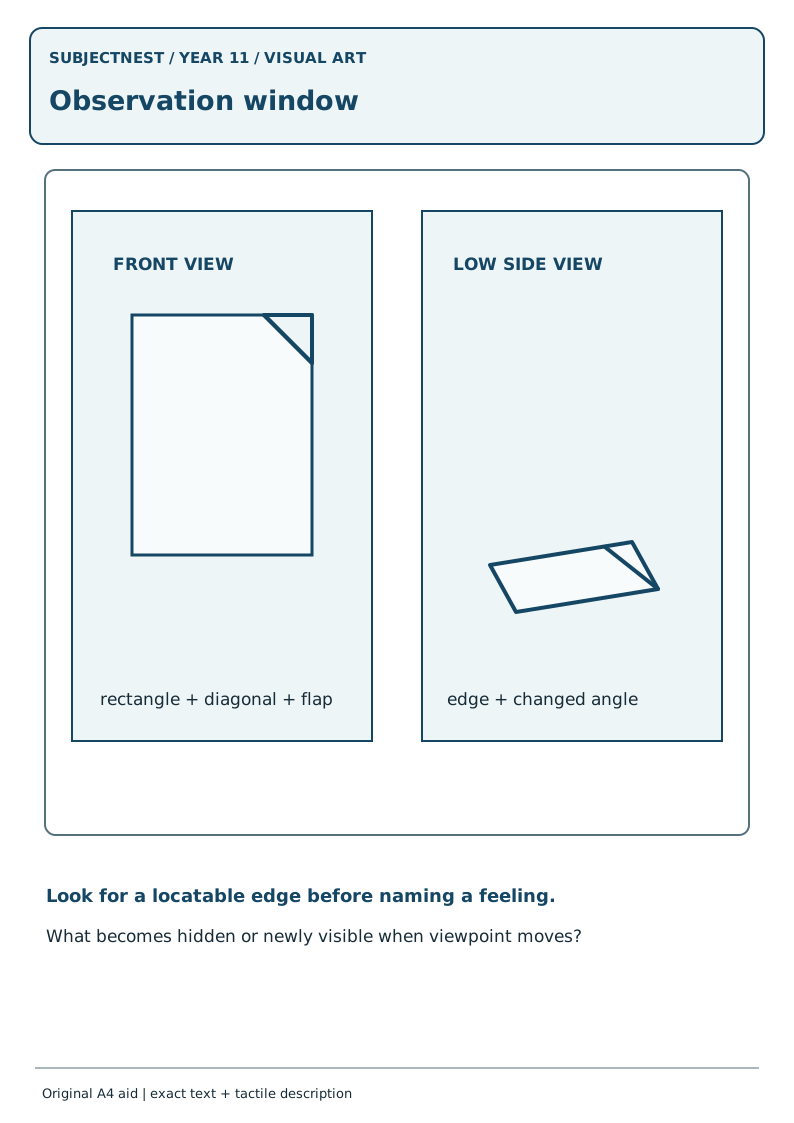
Take an unmarked rectangular card. Fold its top-right corner inward so a diagonal fold line crosses the top-right area; leave the lower edge straight. Put it upright or flat as local access allows. The original observation aid draws this simple prop from the front. Notice a rectangle, one diagonal, a triangular flap and a quiet blank area. These are observations, not a claim that the form is “shy” or “broken.” One can work from the printed original line image if constructing the prop is not possible.
B · Two possible lenses on A
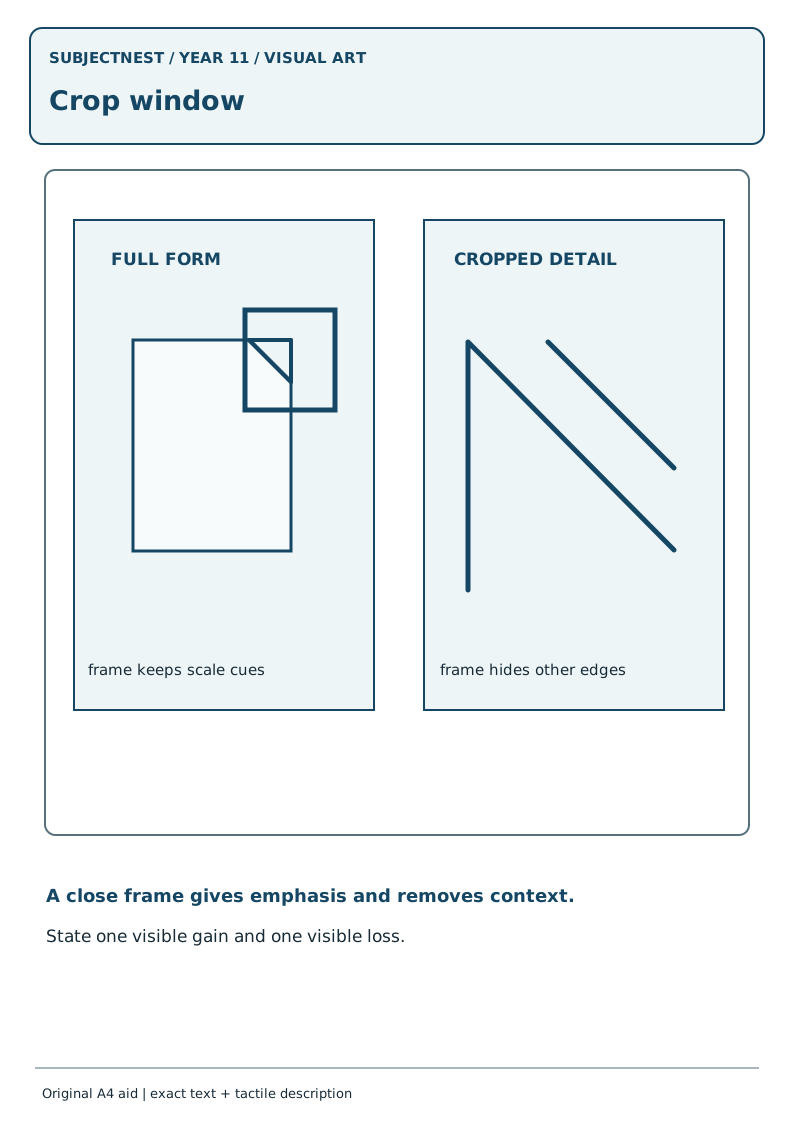
Lens 1 is a close, mostly figurative account: keep the rectangle, diagonal and flap recognisable. Lens 2 changes attention: crop to the diagonal and enlarge the empty area. Both are original demonstrations in the crop aid. A crop communicates a chosen focus; it does not tell the viewer what every person must feel. Ask for one visible difference and one likely audience inference, labelled as inference.
C · Mark and material test
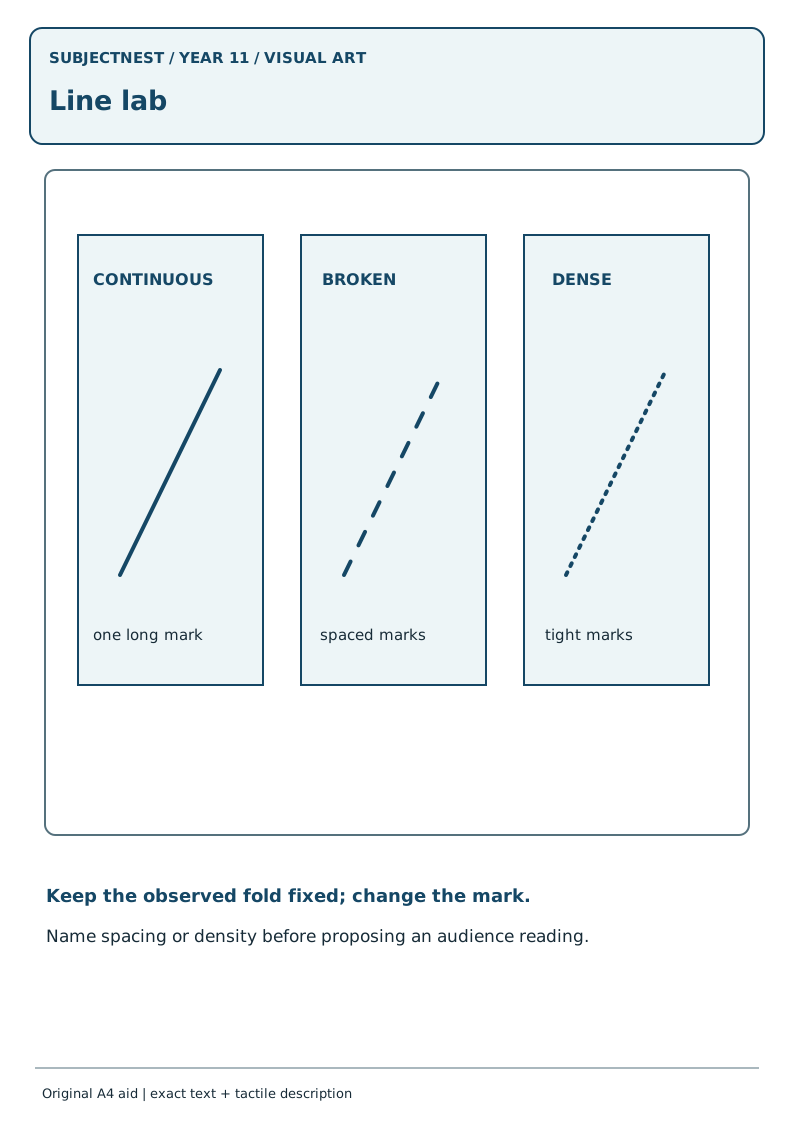
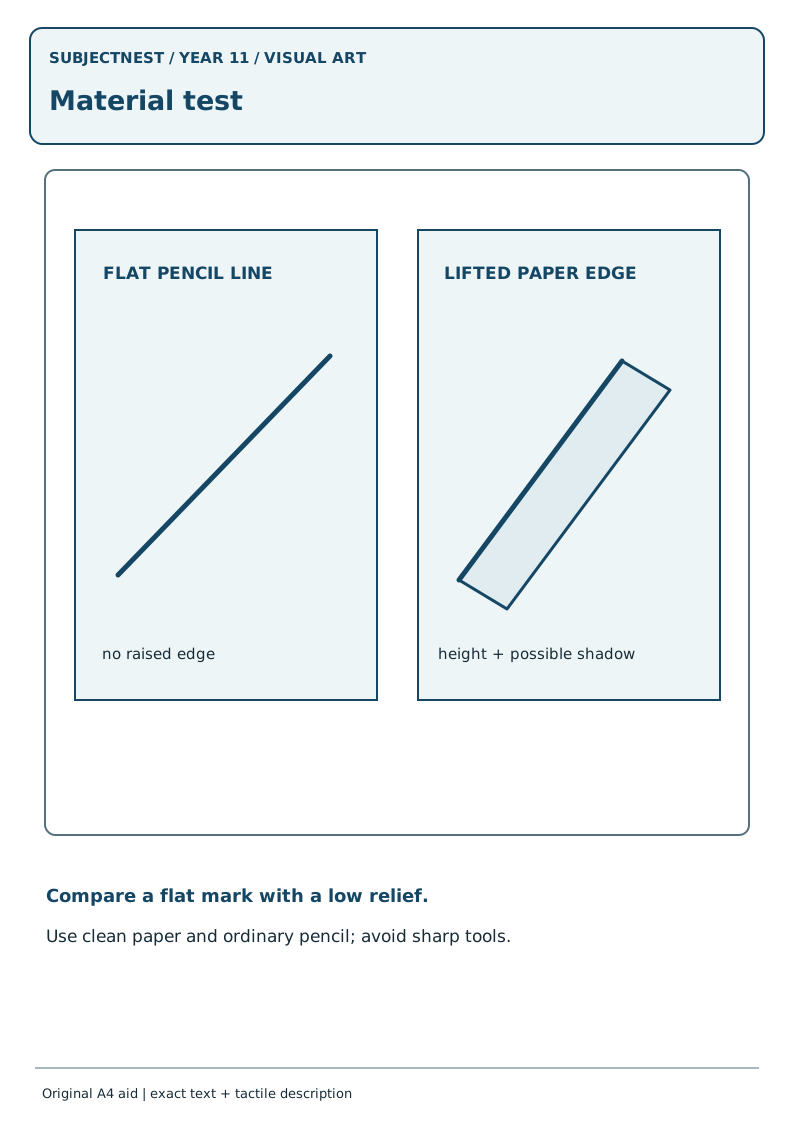
Use a pencil on clean paper to test one continuous contour line, one broken line, and one set of short repeated marks around A. Then use torn blank paper strips to build a low relief without glue (place or paperclip temporarily). Describe which material quality changes emphasis. See line lab and material test. Use school-approved pencils, paper and clips; avoid sharp tools and inhalable media.
D · Reduction without borrowing symbols
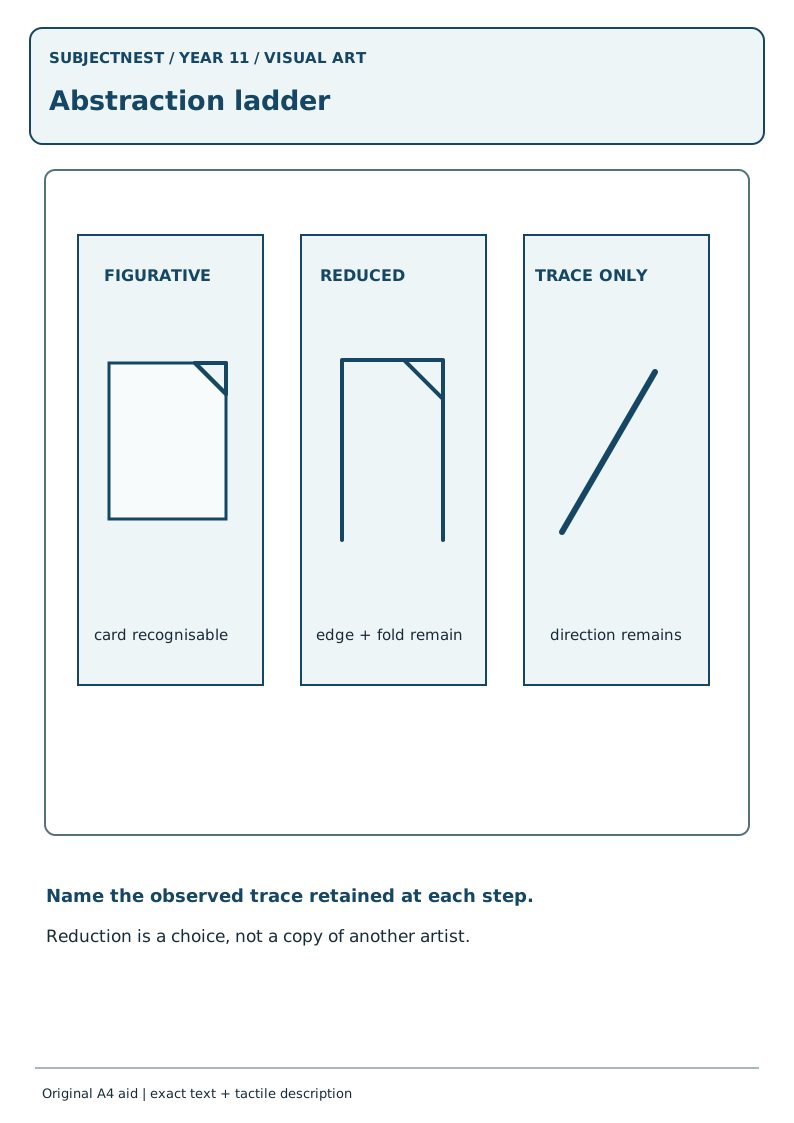
Start from A's observable fold. Draw a recognisable card silhouette, then a reduced arrangement of a long edge, diagonal and triangular flap. A third version can keep only the diagonal's direction and a surrounding blank field. Label which traces come from observation and where intentional distortion begins. The abstraction ladder shows our own geometric example, not a style to imitate from a named artist.
E · Three frames of one object
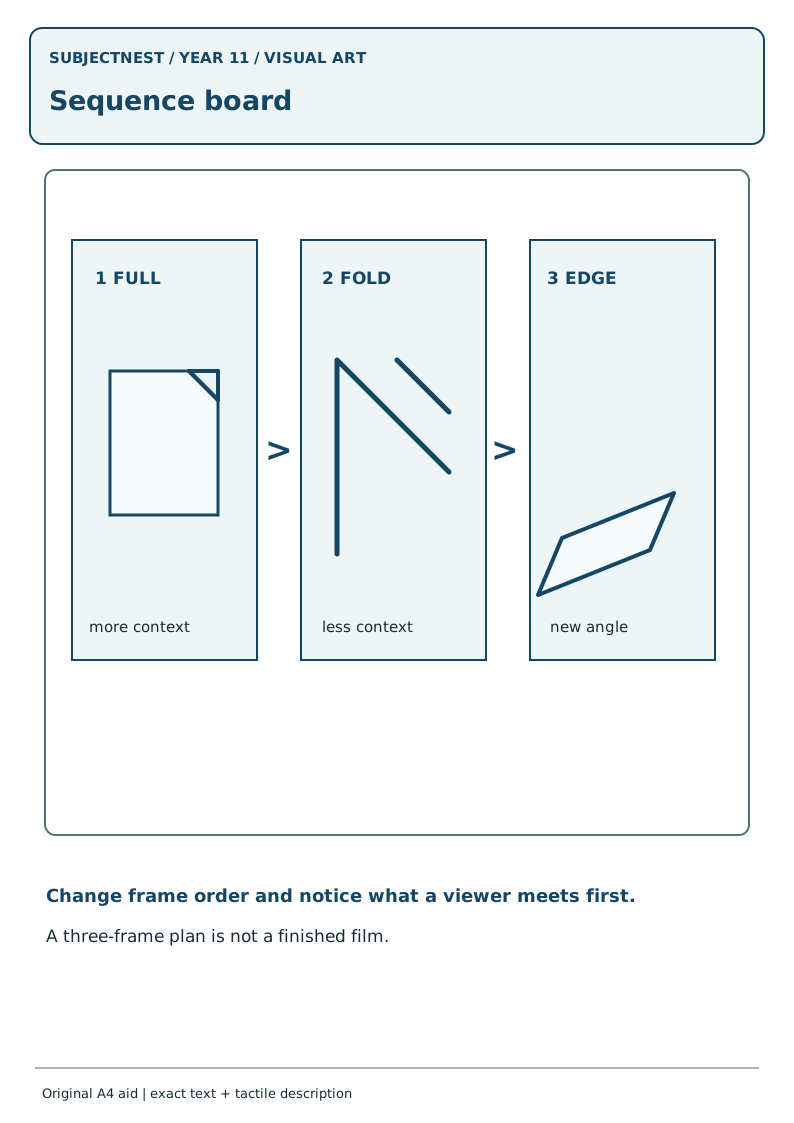
Place A's card in three positions or imagine the viewpoint moving around it: full object; close fold; view from lower edge. Make three original thumbnails. State what changes by sequence, pace or attention; no video capture is required. The storyboard aid provides empty frame boxes and a sample list of possible transitions rather than another artist's frames.
F · Folio and source log
Keep three selected experiments in order: first observation, purposeful transformation, next attempt. Under each record observed fact → visual choice → possible audience reading → next change. If a gallery record was used for research, separately log creator, work title, year, publisher, URL, access date and what fact was actually supported. Do not paste a third-party image into an openly licensed folio. The learner folio prompts provide a small planning template; it does not claim a finished unit folio.