These words provide every prompt and spatial relationship in the Science, HASS, HPE, Technologies and Arts drawings. They can be read aloud, enlarged, put into a tactile format or copied into a learner's preferred device. The drawings are blank recording aids: no worked answer is hidden in them. A learner may use plain paper instead. Each PDF is one A4 page with selectable text, but PDF tagging and human screen-reader review are still pending.
Science · claim and limit mat
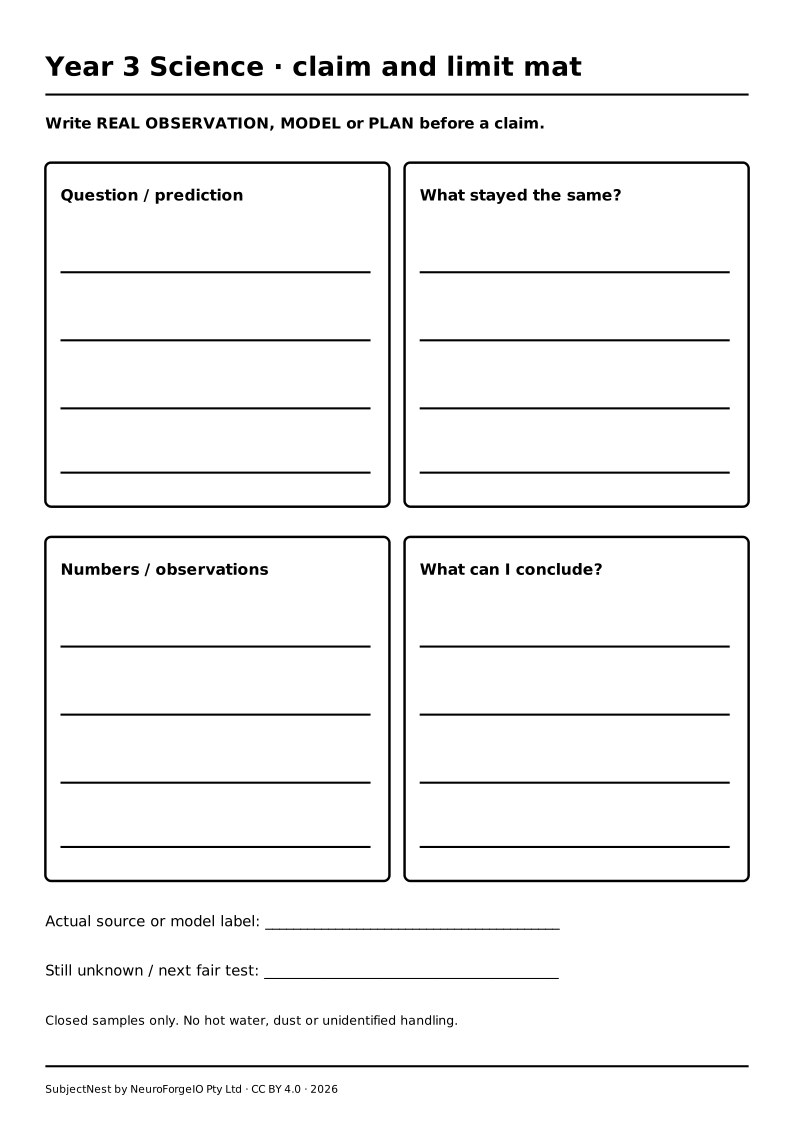
At the top: write REAL OBSERVATION, MODEL or PLAN before any claim. Four equally sized blank panels form two rows. Top left: “Question / prediction.” Top right: “What stayed the same?” Bottom left: “Numbers / observations.” Bottom right: “What can I conclude?” Each panel has four blank writing lines. Below: “Actual source or model label: ” and “Still unknown / next fair test: .” Footer reminder: closed samples only; no hot water, dust or unidentified handling.
Tactile version: make four card rectangles in the same reading order, each with its heading in large print or braille. A learner can dictate a value for each panel. The top-right panel is for controlled conditions; the bottom-right panel is for a bounded conclusion, which can say “not yet known.”
HASS · source to proposal mat
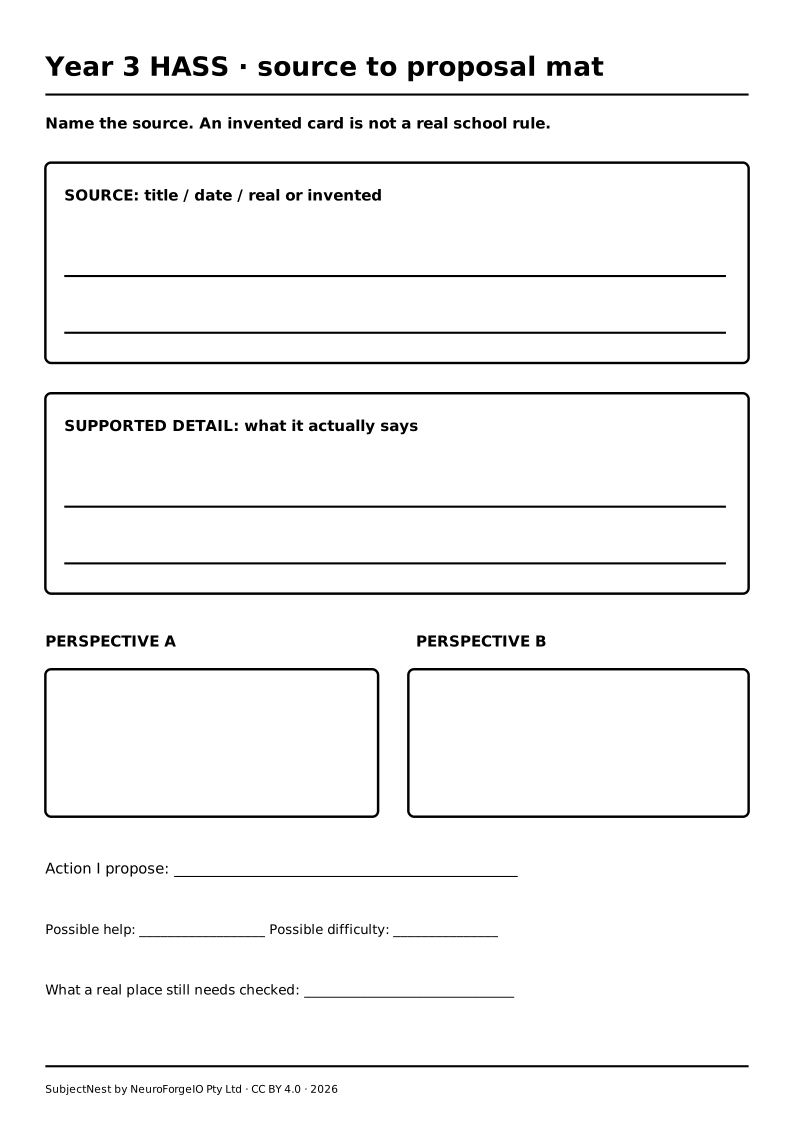
At top: “Name the source. An invented card is not a real school rule.” The first full-width blank panel asks “SOURCE: title / date / real or invented.” A second full-width panel asks “SUPPORTED DETAIL: what it actually says.” Two smaller blank boxes sit side by side: “PERSPECTIVE A” left, “PERSPECTIVE B” right. Three lines below ask “Action I propose,” “Possible help / Possible difficulty,” and “What a real place still needs checked.”
Tactile version: stack the source and supported-detail cards first, then place A and B side by side, then place three action cards underneath. Mark invented information with a raised MODEL token. No real school or community evidence appears on the page.
HPE · ask, route and evidence mat
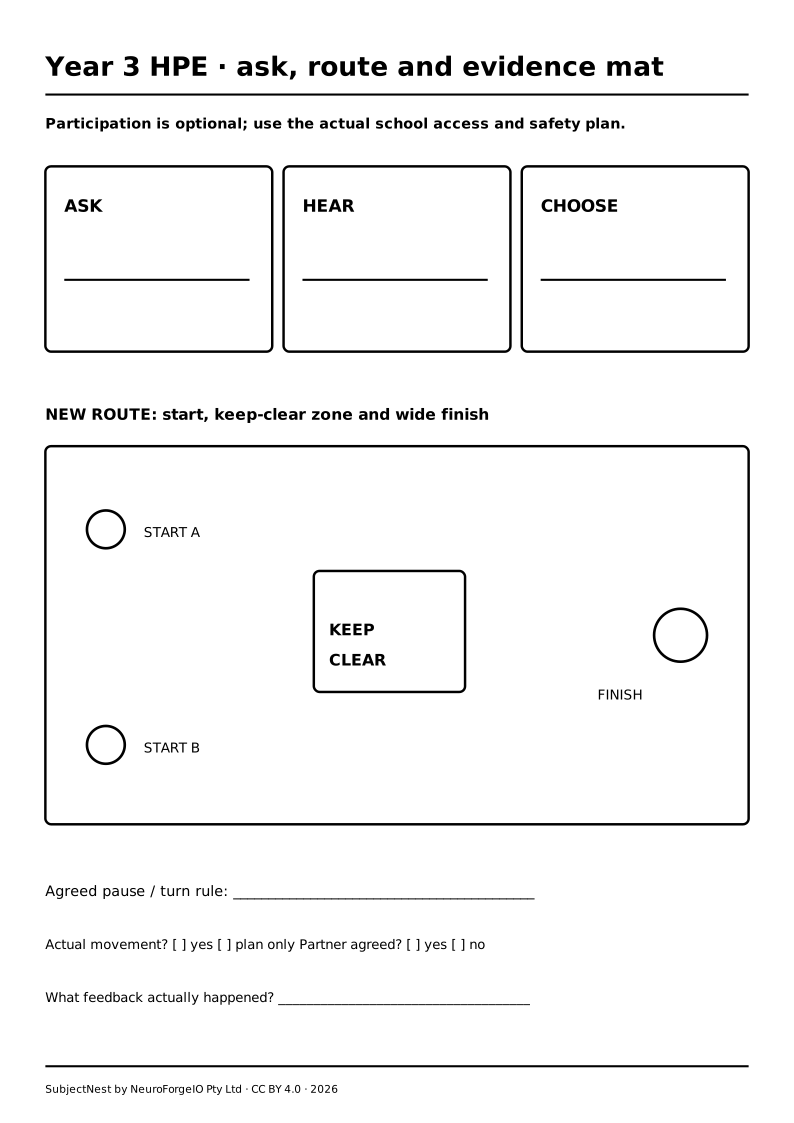
Three small blank boxes across the top read ASK, HEAR, CHOOSE, left to right. Below is a rectangle representing an invented route. There are two start circles on the left: START A near the top and START B near the bottom. A rectangular KEEP CLEAR zone sits in the middle. A large FINISH circle is on the right. Draw or describe a route that avoids the keep-clear zone; this diagram has no scale or real location. Below, fill “Agreed pause / turn rule,” tick “Actual movement? yes / plan only,” tick “Partner agreed? yes / no,” and record “What feedback actually happened?”
Tactile version: use a raised rectangle, two start tokens, a central obstacle token and a finish token. Let the learner move a separate planning token around the obstacle. Token movement is planning, so the actual-movement field remains “plan only” unless an accessible bodily movement was safely tried. No partner is presumed.
Technologies · design and algorithm mat
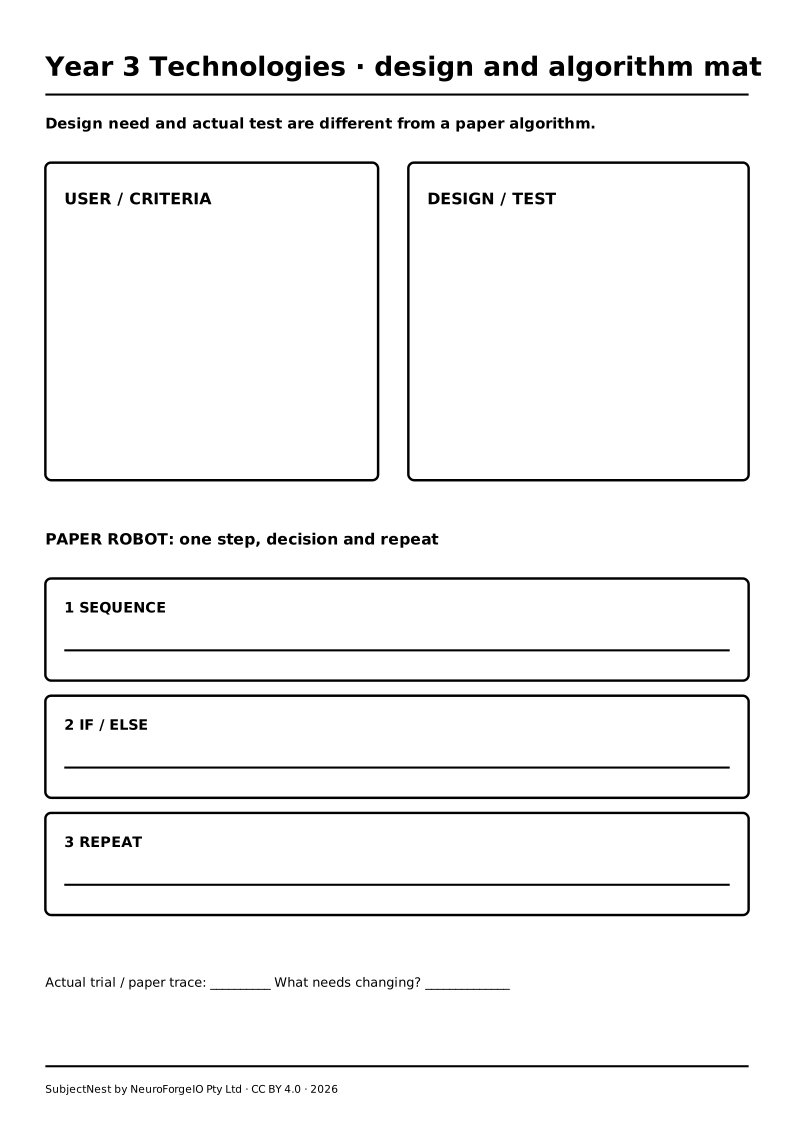
Two blank top boxes sit side by side. Left: USER / CRITERIA; right: DESIGN / TEST. Below are three full-width numbered blank rows for a paper robot: 1 SEQUENCE, 2 IF / ELSE, 3 REPEAT. Bottom line: “Actual trial / paper trace: ___ What needs changing? ___.” The layout can record a folded-card design or an unplugged sorting algorithm. It supplies no program output or answer.
Tactile version: use two top cards, then three numbered strips in vertical order. To model branching, place a choice fork under strip 2; to model repetition, return a token from strip 3 to strip 1. Describe each direction in words. A traced token is an algorithm rehearsal, not a running digital program.
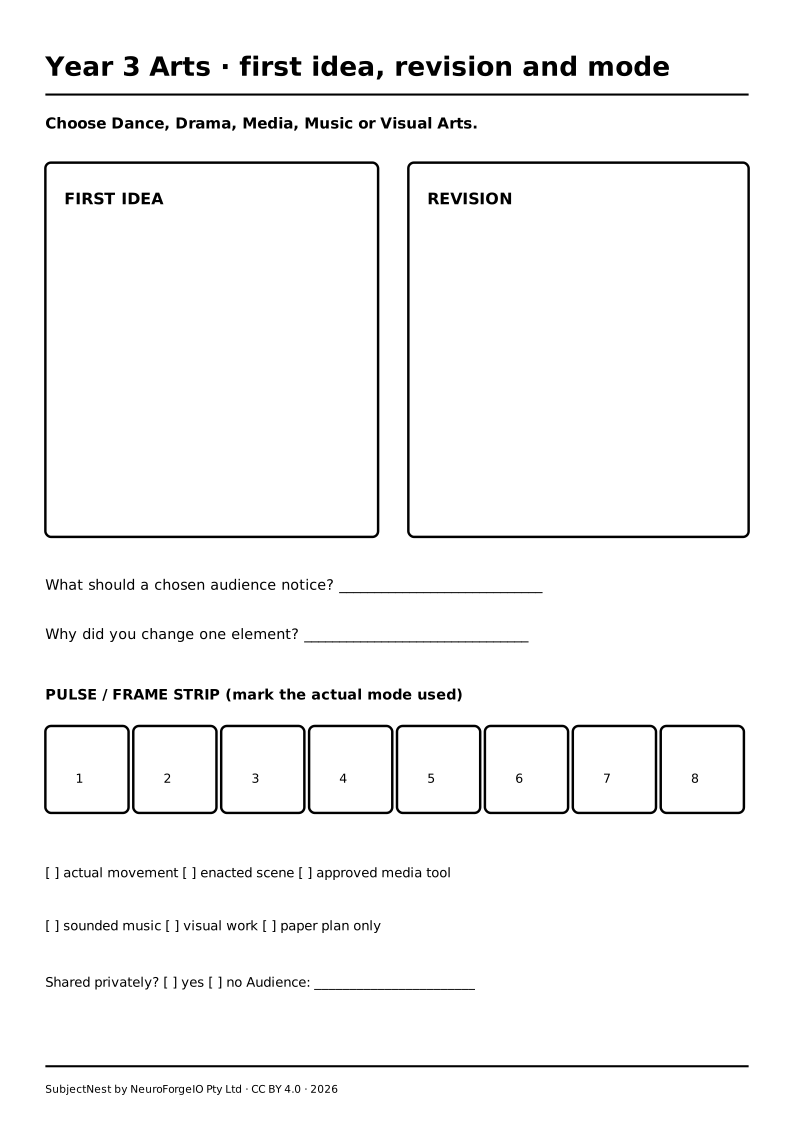
Arts · first idea, revision and mode
At top: “Choose Dance, Drama, Media, Music or Visual Arts.” Two large empty boxes sit side by side: FIRST IDEA at left and REVISION at right. Below are lines for “What should a chosen audience notice?” and “Why did you change one element?” Then eight left-to-right numbered boxes form a pulse or frame strip, 1 through 8. Tickboxes ask which actual mode occurred: actual movement, enacted scene, approved media tool, sounded music, visual work or paper plan only. A final line asks whether the work was shared privately and with whom by choice.
Tactile version: two large trays or cards, then eight numbered small tokens in order. Keep the actual-mode and private-share questions as words or AAC choices. A quiet or paper route remains valid participation; the teacher records precisely what happened before claiming any form-specific performance or media outcome.
Original text descriptions and blank mats © NeuroForgeIO Pty Ltd 2026, CC BY 4.0. Credit, link and note changes.