Each editable SVG has a <title> and <desc>; each paired PDF is A4 with selectable text. The PDFs are not asserted to be tagged for every screen reader. Supply this plain-text page, an enlarged/locally braille-transcribed copy or a child-directed tactile arrangement as appropriate. Do not assume a particular format suits a learner because of a label. Blank fields below are not answer cues.
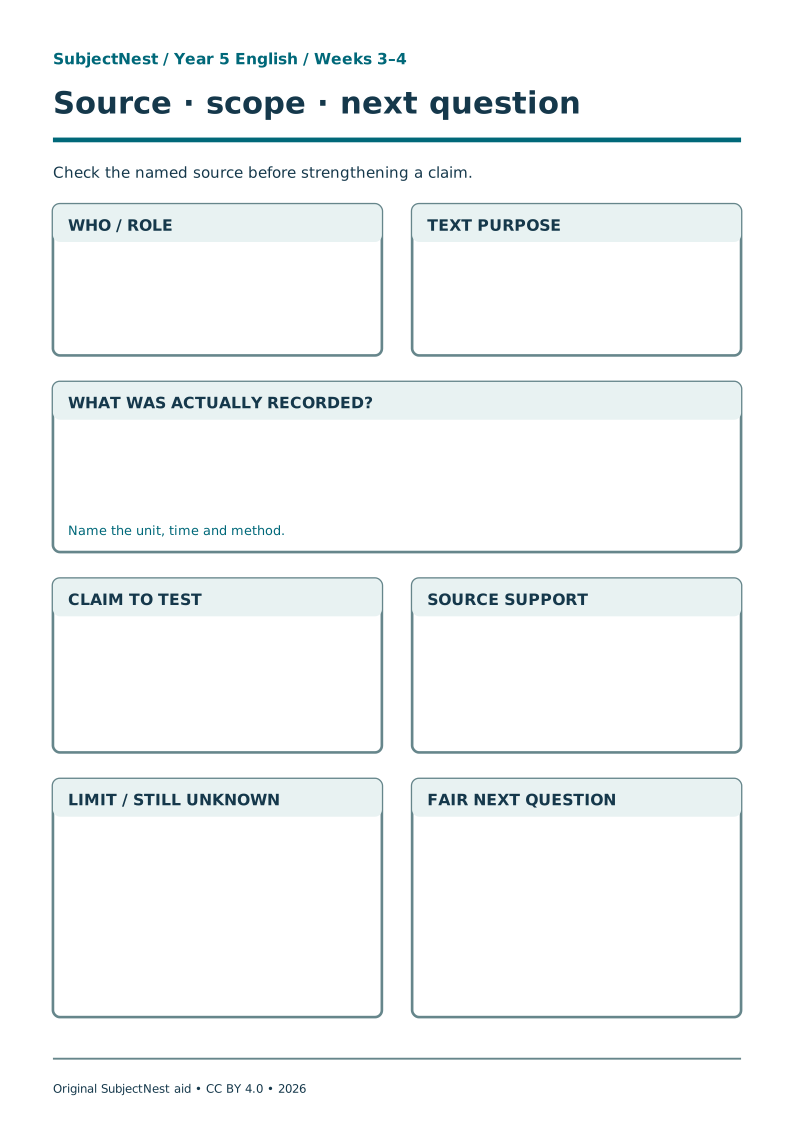
Source · scope · next question
SVG · PDF. Page order, top to bottom:
- WHO / ROLE — blank. Name the text's author or stated role, if supplied.
- TEXT PURPOSE — blank. Why was this notice, poster or story made?
- WHAT WAS ACTUALLY RECORDED? — blank. Prompt printed beneath: “Name the unit, time and method.”
- Left CLAIM TO TEST — blank; right SOURCE SUPPORT — blank.
- Left LIMIT / STILL UNKNOWN — blank; right FAIR NEXT QUESTION — blank.
Tactile route: use seven large cards with those exact headings; put paired fields side by side; let the learner move a source sentence or direct an adult to place it. Record a source's exact words rather than filling “unknown” by guesswork.
Four frames · two first impressions
SVG · PDF. The sheet is an original visual version of Text B, not the fresh Day 15 check. In vertical order:
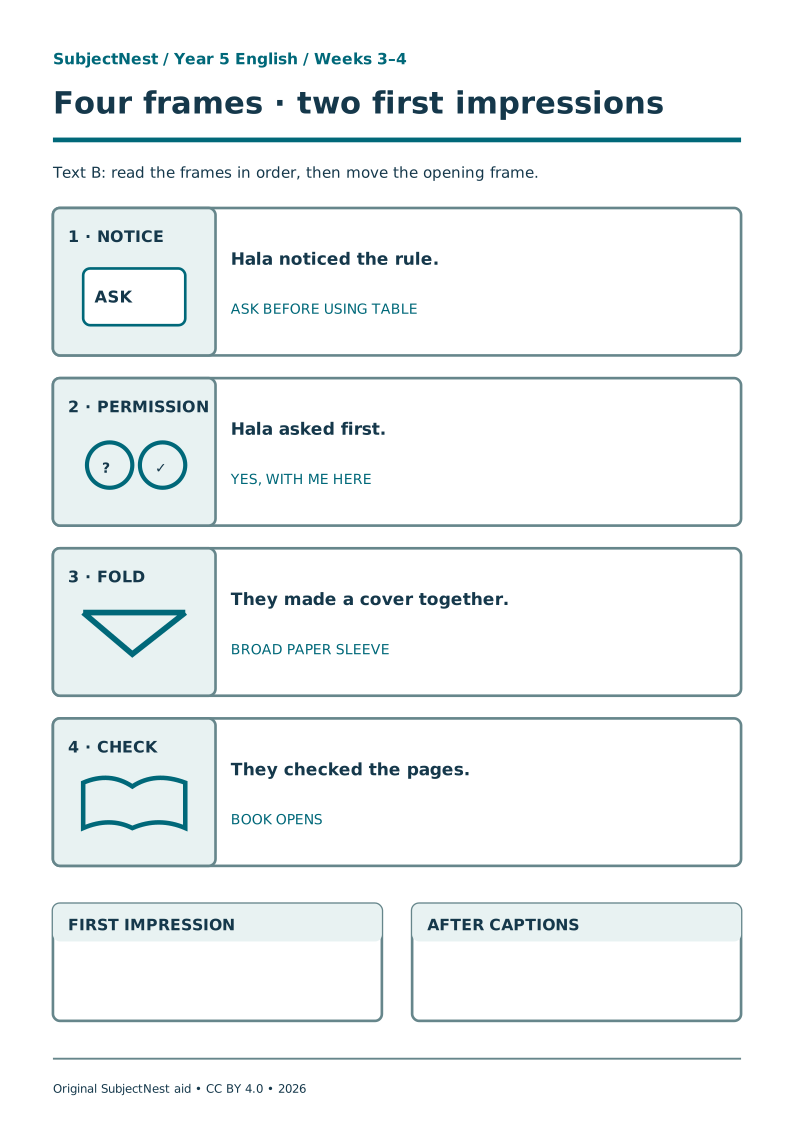
- NOTICE. Simple rectangle/icon with
ASK; caption “Hala noticed the rule.” Supporting wordsASK BEFORE USING TABLE. - PERMISSION. Two outlined circles containing question and yes marks; caption “Hala asked first.” Supporting words
YES, WITH ME HERE. - FOLD. A broad line drawing of a folded sleeve; caption “They made a cover together.” Supporting words
BROAD PAPER SLEEVE. - CHECK. A line drawing of an open book; caption “They checked the pages.” Supporting words
BOOK OPENS.
Bottom blank fields: FIRST IMPRESSION and AFTER CAPTIONS. To explore another order, use four movable cards or have the learner state an order such as 3→1→2→4. The meaning task is to explain a reader's first inference and later correction; vision or physically moving a card is not the construct. Do not let icons alone replace the captioned source.
Viewpoint · evidence · open question
SVG · PDF. Six blank fields, read row by row:
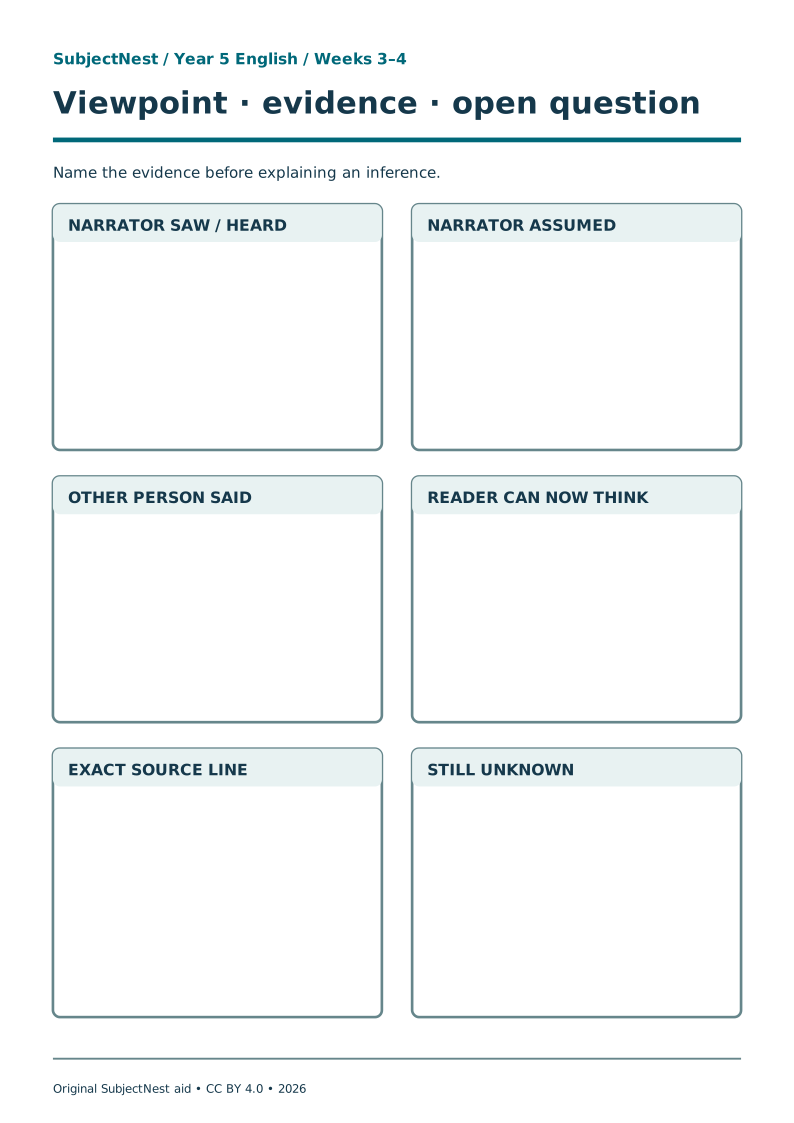
- NARRATOR SAW / HEARD beside NARRATOR ASSUMED.
- OTHER PERSON SAID beside READER CAN NOW THINK.
- EXACT SOURCE LINE beside STILL UNKNOWN.
Tactile or audio route: the learner names or points to a field, hears the same text again, and chooses an exact line. A later character's words offer a new perspective; they do not grant certainty about every private feeling. Offer a private or screen-reader-friendly response. If an adult scribes or moves cards, note the child's decisions separately.
Printing: use 100% A4 portrait with no “fit to page” shrink if the printer offers that choice. Check local font/contrast and sensory access. The underlying vector design and text are original SubjectNest work; embedded PDF font subsets follow the separate DejaVu/Bitstream Vera font rights notice. Original text and designs © 2026 NeuroForgeIO Pty Ltd, CC BY 4.0. Credit, link and indicate changes.