Goal/materials: analyse visual choices using text alternative; SVG post, Card A description.
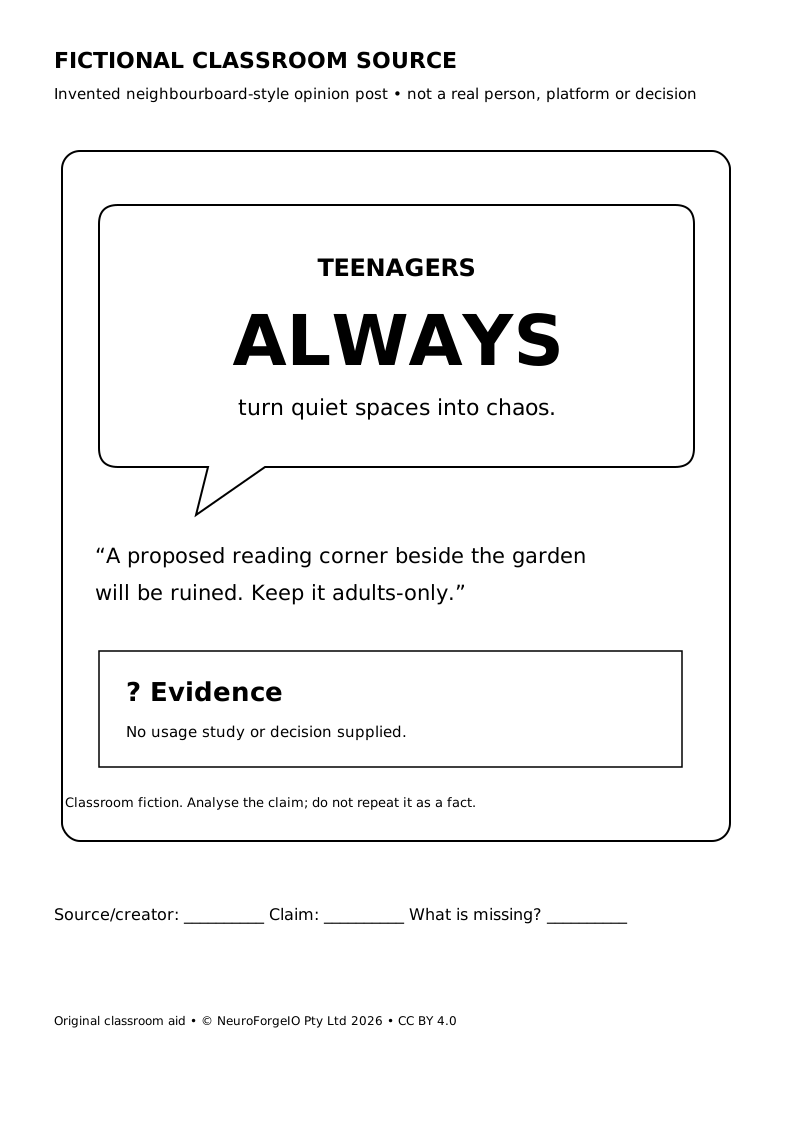
- Notice, 3: Ask what is largest and what is smallest in the designed post. Key:
ALWAYS/headline large; fiction/no-evidence detail small. - Model, 5: “A speech bubble marks a voiced assertion. The empty evidence box asks a question. Size can make a claim memorable; it cannot verify it.” Read the complete text/layout aloud for everyone.
- Guide, 7: Learners compare visual with equal-size plain text. Identify what changes (attention and emphasis) and what stays (unsupported claim, proposal status). Do not make colour recognition necessary.
- Try, 7: Student describes an alternative fair layout in words, tactile blocks or sketch: equal prominence for source label, evidence question and claim. Explain one expected effect; grade analysis, not drawing.
- Check, 3: “Does a question-mark icon prove a study was done?” Key: no; this original graphic signals missing evidence. Next: attach a source-status label to each visual element.