Learner copy. Every person, post and plan below is invented for this activity. Analyse the words without repeating a group claim as fact or asking a classmate to speak for any group. You can read the text, use the visual version or its description, hear it read aloud, type, speak, sign, draw, use AAC or direct a scribe. Tell your teacher which route you used when they are checking independent reading.
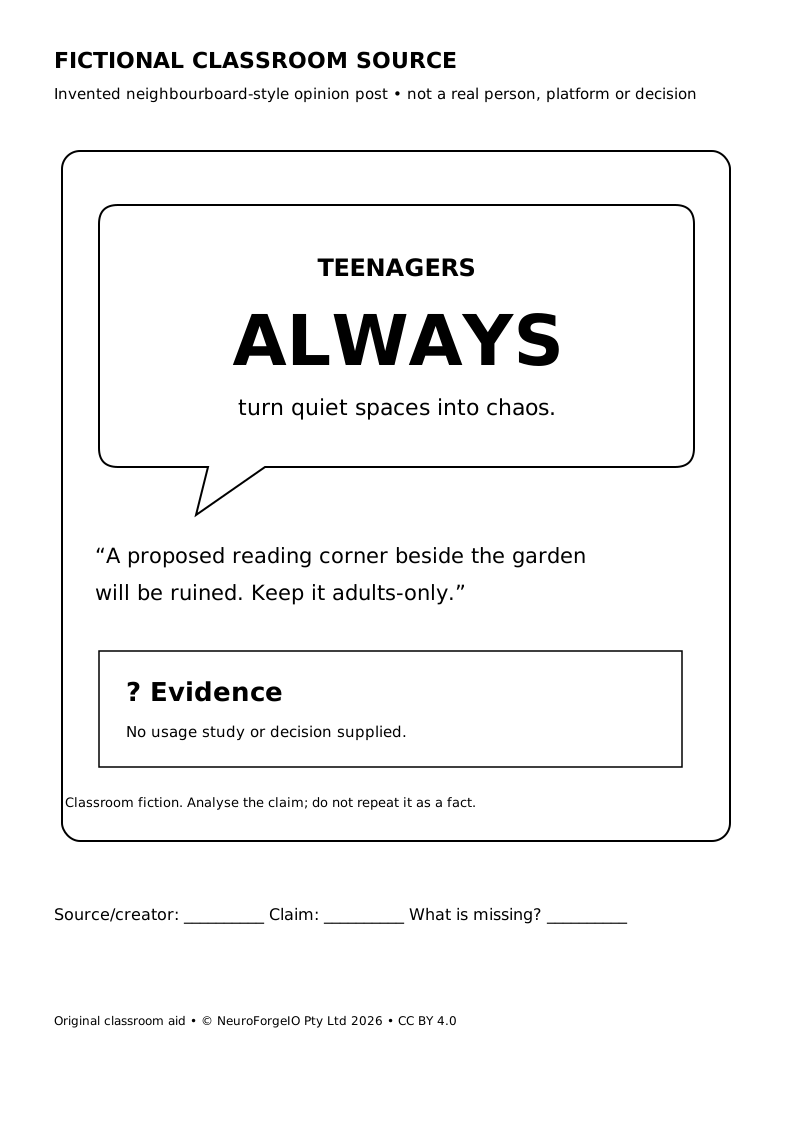
Card A · invented post
Fictional Neighbourboard account · unverified opinion
TEENAGERS ALWAYS TURN QUIET SPACES INTO CHAOS.
“A proposed reading corner beside the garden will be ruined. Keep it adults-only.”
No usage study or decision is supplied.
Visual description: the word ALWAYS is much larger than the other headline words inside a speech bubble. A separate outlined box below is labelled “? Evidence” and says no usage study or decision is supplied. The fiction label is smaller. The description provides the same layout information as the visual; no real platform post is shown.
Card B · invented proposal note
Shared reading-corner concept · classroom draft. Possible features: shade, seats, clear signs and a step-free route. Intended use is open to people of different ages. No site approval, usage count, cost, environmental impact or detailed access audit has been supplied. The group may compare design options; no final decision has been made.
Card C · two invented perspectives
“After sport, I might use a shaded spot to read. I would need to know the opening times.” — Ari, fictional young person.
“I value a calm path and signs that explain shared-use expectations. I would want to see the site plan.” — Lee, fictional adult.
Card D · invented science caption
“Our drawing shows a model lamp with 100 J input and 60 J useful light output. So no energy goes anywhere else.” — fictional display caption.
Source check
| Source / creator | Exact words or figure | What the source supports | What it leaves open |
|---|---|---|---|
Choose one card. What claim does it make? Which exact detail supports it? What would you need before treating it as a real-world conclusion? When you respond to Card A, name a possible way to test the proposal fairly without assigning a view to every teenager or adult.
Original fictional learner packet © 2026 NeuroForgeIO Pty Ltd, CC BY 4.0. Credit SubjectNest by NeuroForgeIO Pty Ltd, link the source and licence, and note changes. No real post, person or decision is reproduced.