Real-sign, safeguarding and movement gate
The educator checks with the school child-safety lead before Week 7. Select two real, currently used, locally approved health/safety signs and verify their exact text/picture, placement, intended action, date and permission to show them. The adult reads any words and describes the picture without guessing a universal meaning. A photograph is optional only if school policy permits; no child photo or uploaded personal data is needed. If the sign cannot be verified or accessed, teach the source distinction with a fictional tag and record REAL COMMUNITY SIGN NOT OBSERVED, then arrange a suitable real sign opportunity later. A paper tag cannot establish AC9HPFP06. Use the school's approved adult help route if a learner is unsure; never ask a child to name a private safe person, promise secrecy or act out a real unsafe event. Stop public teaching for any real concern and follow school policy.
The educator checks a broad stable area, fatigue/rest, consent, individual physical access and a stop cue available to each learner before Week 8's optional actual movement. Use a quiet cue choice; never require loud clapping or hearing. No forced touch, shared bodily contact, spin, hop, speed, balance demand or peer comparison. A child's paper strip, puppet movement, eye-gaze-directed adult action or spoken plan is meaningful reasoning but PHYSICAL ACTIVITY NOT OBSERVED unless the child actually chooses and performs a suitable action in the checked setting. Observe an actual action, its support, date and rule context separately. Stop immediately on the child's signal.
Complete original teaching sources
Source A · an invented practice tag. “On a fictional classroom drawing, a teacher-made paper tag says PAUSE AND ASK AN ADULT. It has a broad square border. This is an original practice reminder for a puppet. It is not a school or community health/safety sign and supplies no local instruction. The puppet has not asked anyone yet.” Read the exact words; do not treat the square shape as an official symbol.
Source B · a verified real sign record to fill locally. The public record deliberately has no sign image or assumed meaning. The educator privately fills: SCHOOL-APPROVED SIGN 1 / exact words or neutral picture description / actual placement / verified intended action / verifier and date / child's access route. Repeat for SIGN 2. A child may point, listen to an adult description, use AAC or ask privately. A real action is recorded only if it occurs, with adult support; a sign name alone does not show the action. If no real sign can be supplied, mark REAL COMMUNITY SIGN NOT OBSERVED and use Source A solely for source-reading practice.
Source C · what a fictional puppet can ask. “In an invented room, Tali sees the teacher-made practice tag but does not know what a real sign near the door would mean. Tali says to a school-approved adult role, ‘Could you tell me what this real sign means here and what we do?’ The fictional adult says, ‘Let us check the school's rule together.’ This is a low-stakes model. It does not name a real school's adult, sign or safe route.” The actual school fills the accessible adult role privately.
Source D · a quiet action/rest unit. “On an invented paper strip, Action A is a learner-chosen gentle movement; Action B is a different learner-chosen gentle movement or a still rest. The strip reads A · B | A · B | A · B. A broad STOP card can interrupt at any point. A paper strip shows an order, not that anyone moved.” The school and child choose real suitable actions only after access and space checks. A spoken, visual or other cue is agreed individually; no sound is mandatory.
Source E · a fair invitation to join. “In a fictional group, one puppet says, ‘Everyone must clap and copy my arm move at the same speed.’ Another puppet says, ‘Choose two safe actions or an action and rest that fit you. We can take turns and stop at our agreed cue.’ The second proposal leaves more room for participation. No real group has performed either rule.” A child may decline group performance and respond privately. If actual play occurs, observe the child's own action/rule conduct rather than crediting a group product.
These complete sources are original; no third-party sign, music, dance, screenshot or cultural movement is supplied or imitated. The held assessment sources remain unseen until first response. No invented translation or child's personal experience is needed.
Six A4 aids: exact ordered words and tactile/linear alternatives
Read each page top to bottom. Its exact words can be copied to large print or braille, or placed on six broad secured horizontal tactile fields. A child may decline touch. Read any arrow direction aloud; do not rely on colour alone. Blank fields are for local school use or a fictional response; do not put real child information into this public pack.
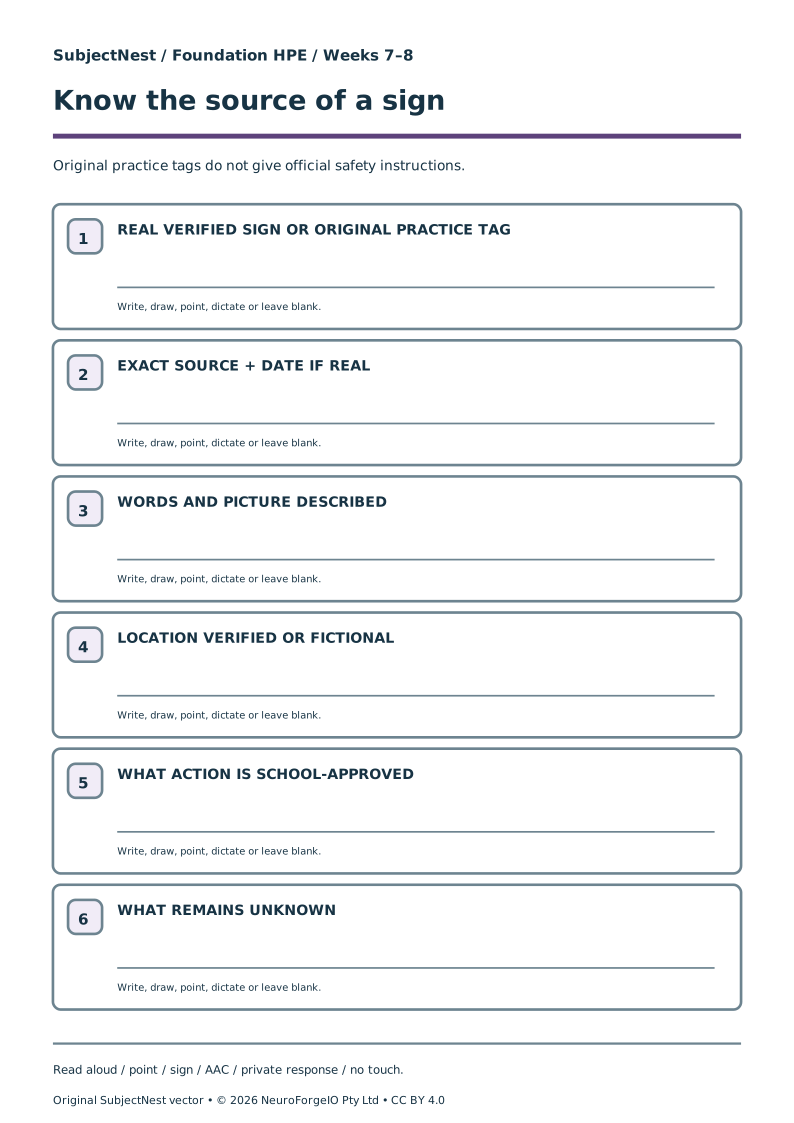
- Sign source: REAL VERIFIED SIGN OR ORIGINAL PRACTICE TAG; EXACT SOURCE + DATE IF REAL; WORDS AND PICTURE DESCRIBED; LOCATION VERIFIED OR FICTIONAL; WHAT ACTION IS SCHOOL-APPROVED; WHAT REMAINS UNKNOWN. Six fields. A teacher-made tag is never labelled an official sign.
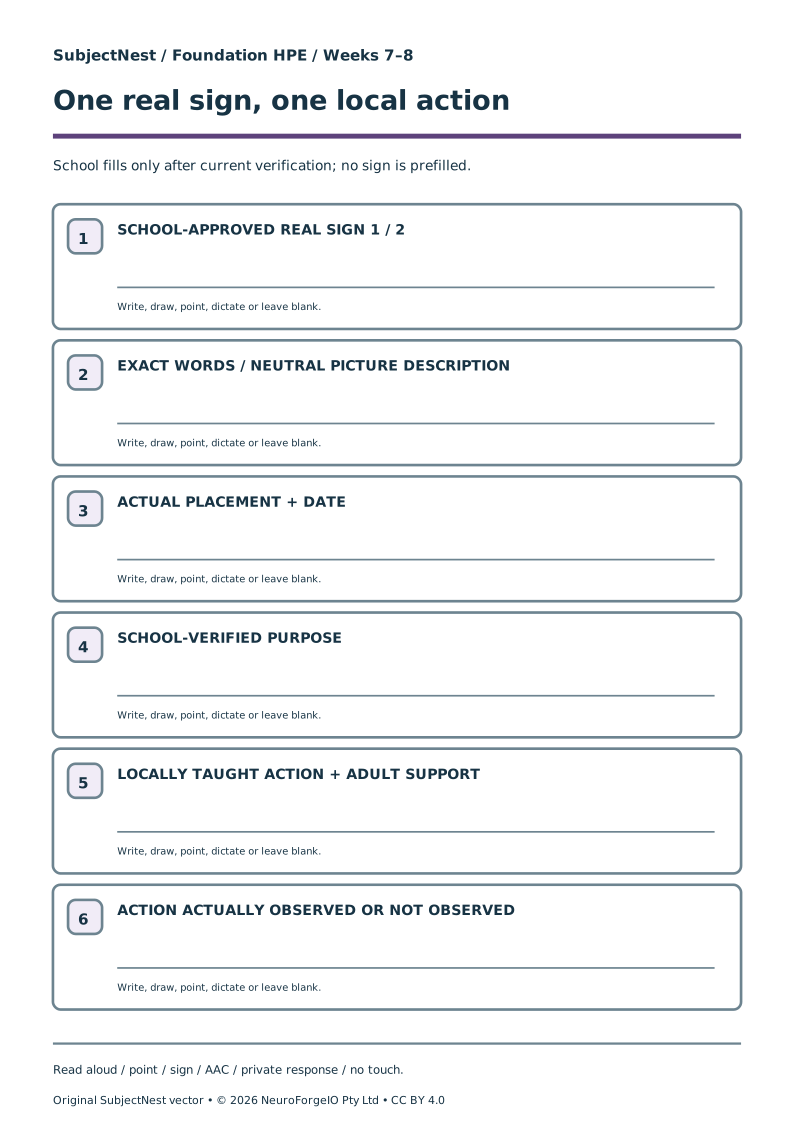
- Sign action: SCHOOL-APPROVED REAL SIGN 1 / 2; EXACT WORDS / NEUTRAL PICTURE DESCRIPTION; ACTUAL PLACEMENT + DATE; SCHOOL-VERIFIED PURPOSE; LOCALLY TAUGHT ACTION + ADULT SUPPORT; ACTION ACTUALLY OBSERVED OR NOT OBSERVED. Six fields. Teacher fills exact local details privately; the public print is blank.
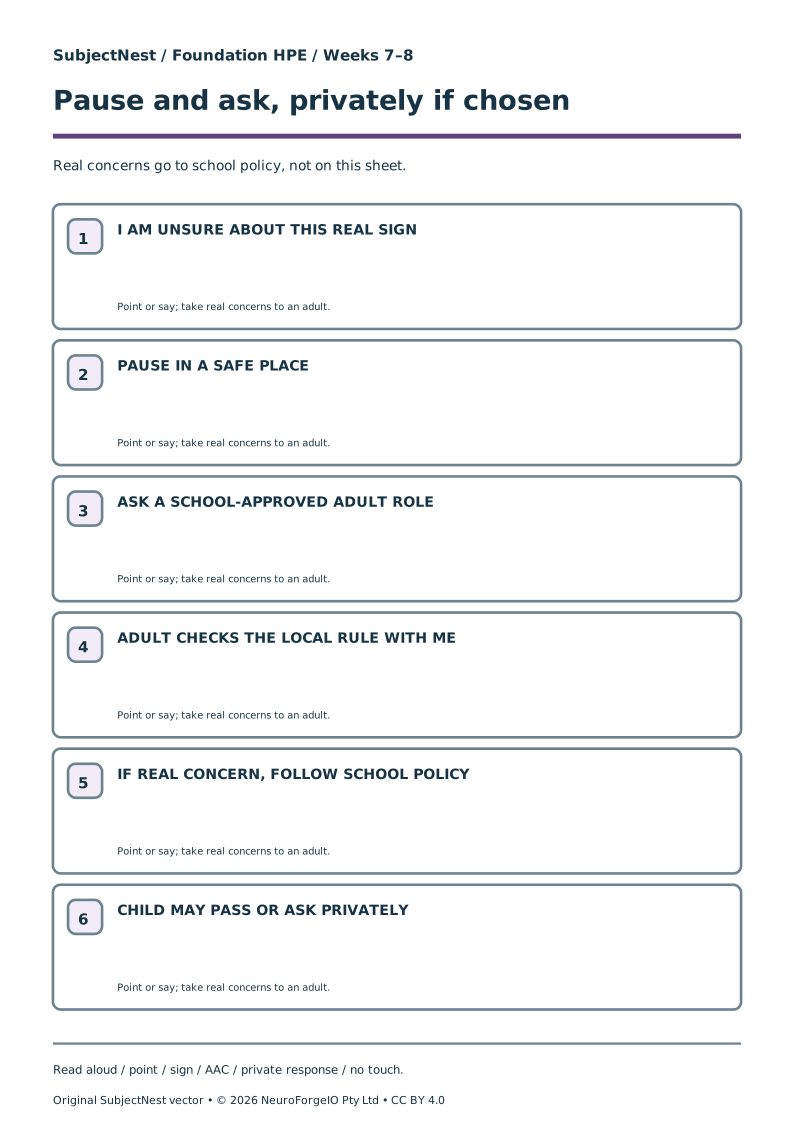
- Ask/clarify: I AM UNSURE ABOUT THIS REAL SIGN; PAUSE IN A SAFE PLACE; ASK A SCHOOL-APPROVED ADULT ROLE; ADULT CHECKS THE LOCAL RULE WITH ME; IF REAL CONCERN, FOLLOW SCHOOL POLICY; CHILD MAY PASS OR ASK PRIVATELY. Six fields. The sheet does not name an adult or replace urgent school procedure.
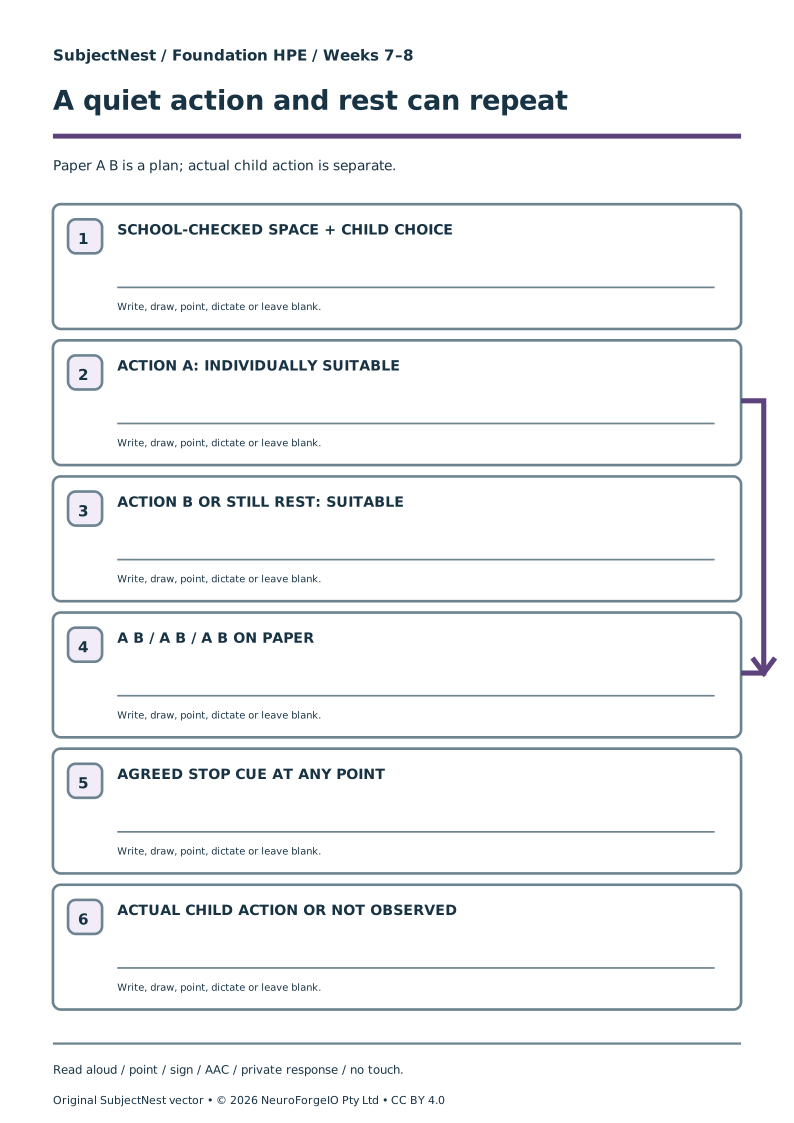
- Action pair: SCHOOL-CHECKED SPACE + CHILD CHOICE; ACTION A: INDIVIDUALLY SUITABLE; ACTION B OR STILL REST: SUITABLE; A B / A B / A B ON PAPER; AGREED STOP CUE AT ANY POINT; ACTUAL CHILD ACTION OR NOT OBSERVED. Six fields. A large connector joins A then B then repeat; any actual action is optional and separately observed.
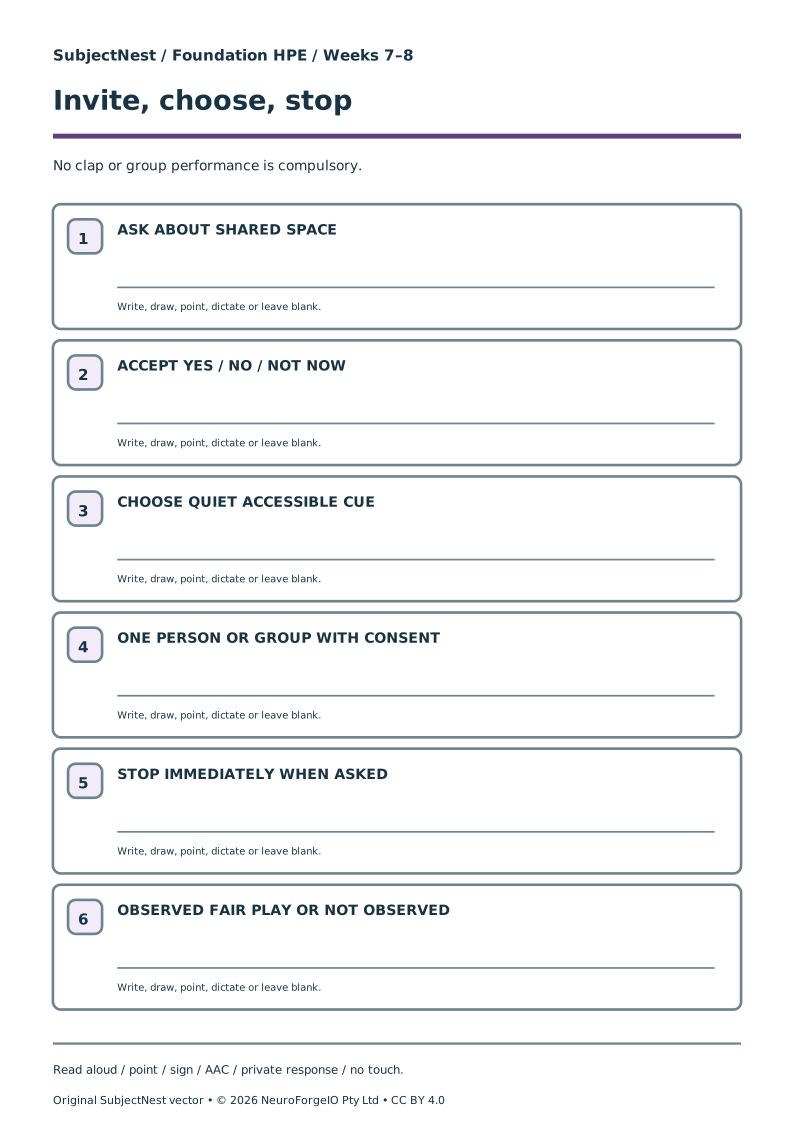
- Cue/fair: ASK ABOUT SHARED SPACE; ACCEPT YES / NO / NOT NOW; CHOOSE QUIET ACCESSIBLE CUE; ONE PERSON OR GROUP WITH CONSENT; STOP IMMEDIATELY WHEN ASKED; OBSERVED FAIR PLAY OR NOT OBSERVED. Six fields. “No” needs no explanation, and no one must hear a clap.
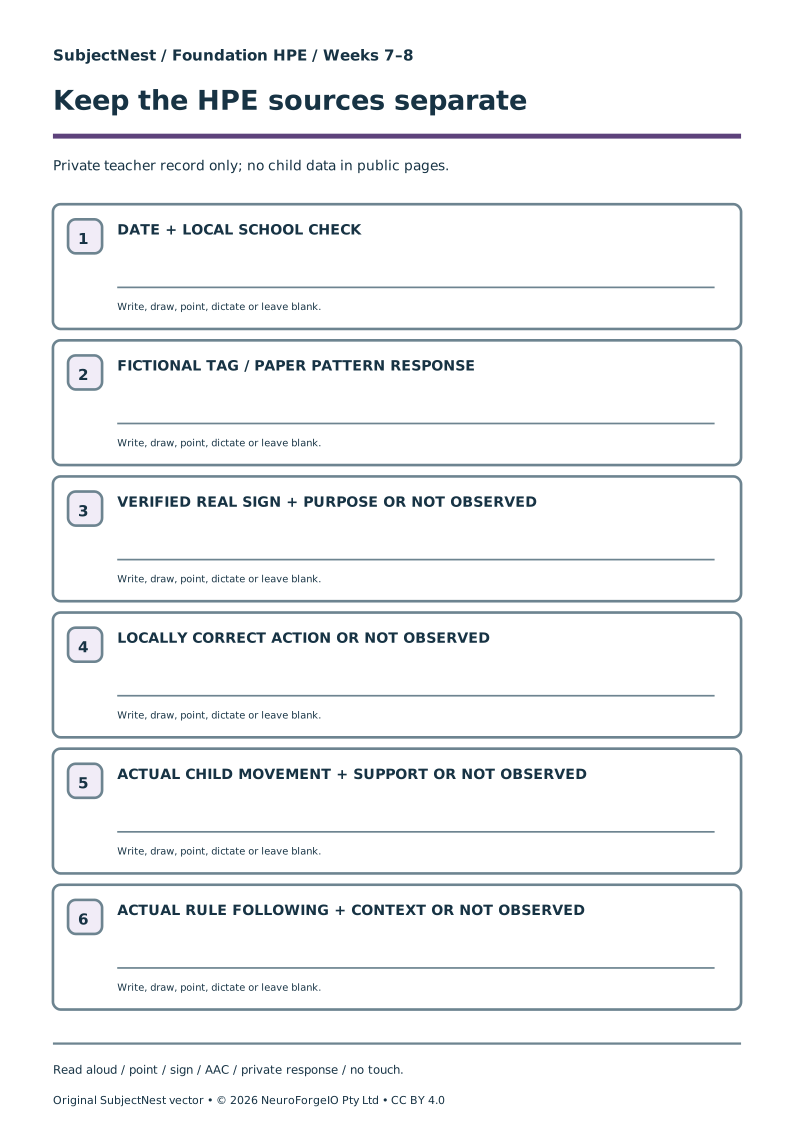
- Evidence split: DATE + LOCAL SCHOOL CHECK; FICTIONAL TAG / PAPER PATTERN RESPONSE; VERIFIED REAL SIGN + PURPOSE OR NOT OBSERVED; LOCALLY CORRECT ACTION OR NOT OBSERVED; ACTUAL CHILD MOVEMENT + SUPPORT OR NOT OBSERVED; ACTUAL RULE FOLLOWING + CONTEXT OR NOT OBSERVED. Six fields. Private teacher record; keep sign reading and physical play separate.
The six pages support access and record keeping. They cannot establish the meaning of an unspecified local sign, a real protective response, physical skill, child enjoyment or fair-play conduct from a fictional source. The educator owns those real evidence gates.