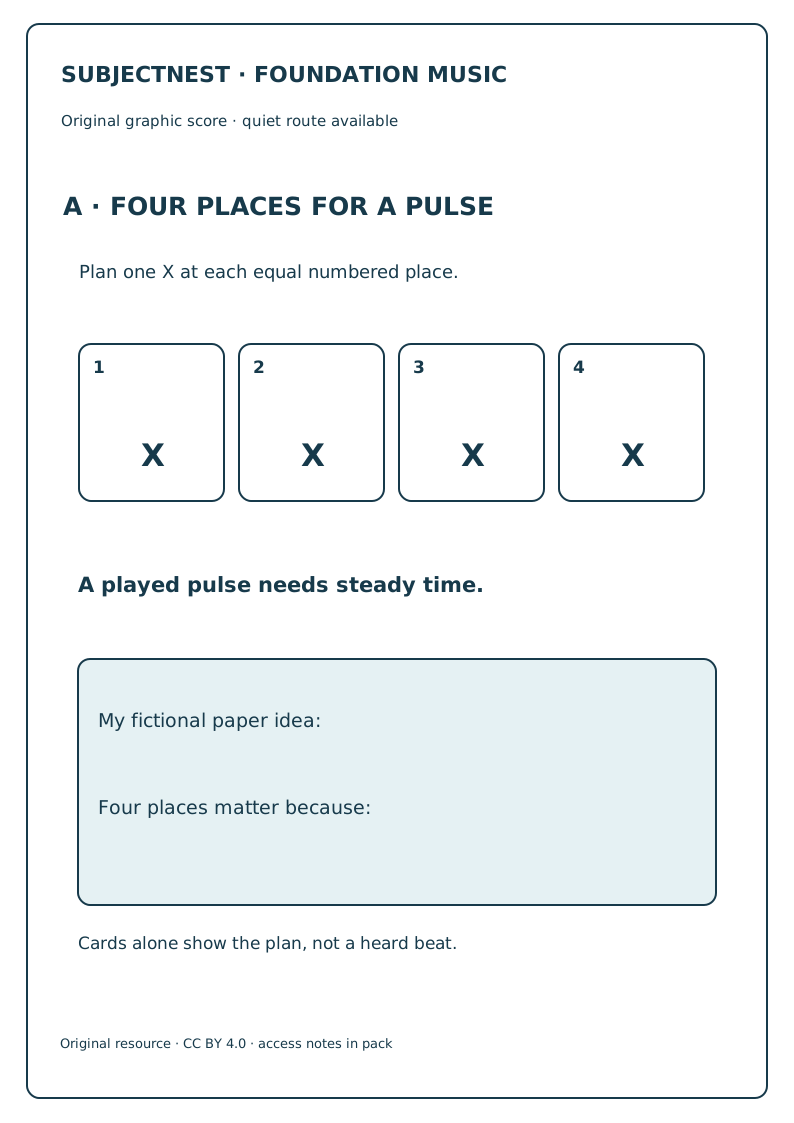
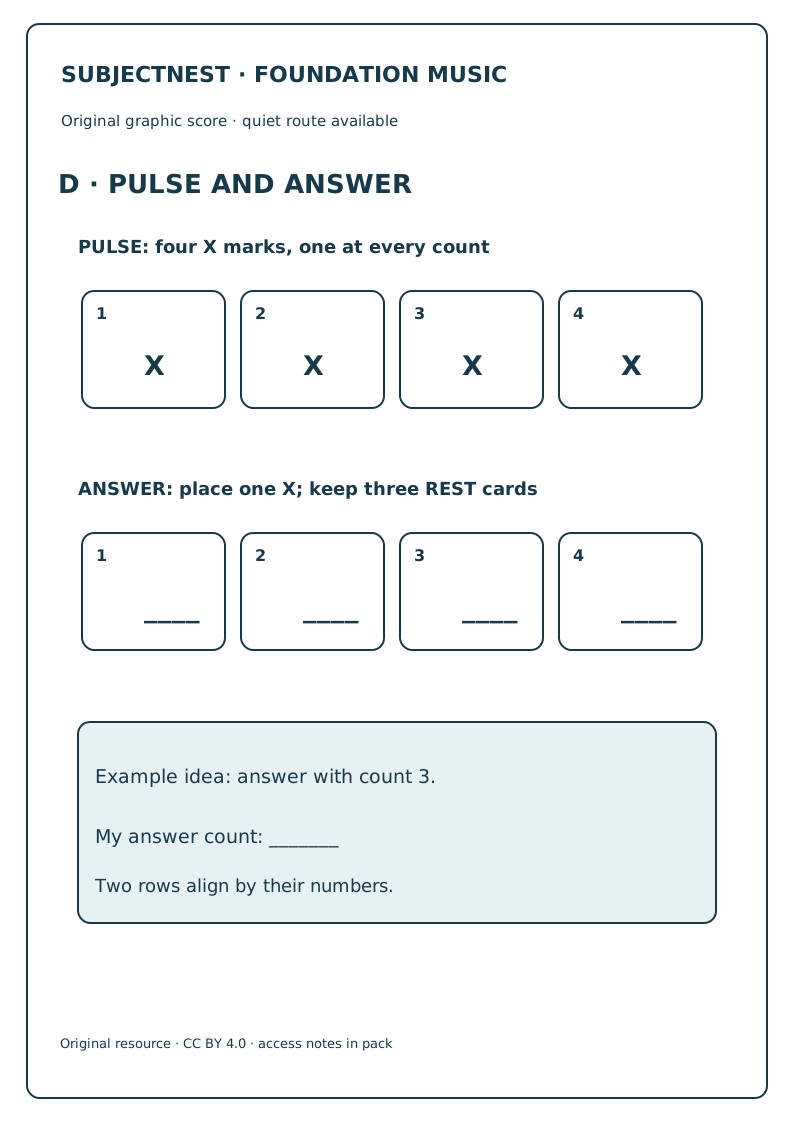
Use four broad numbered places of equal visual size. X means one short planned sound event; – means planned silence. A steady pulse is four equally spaced beats when realised through time. The accent star ★ is a plan to emphasise one beat gently, not an instruction to be loud. In a two-role score, the PULSE row holds X X X X; an ANSWER row has one X at a chosen count and three rests. If sound is locally approved, adults can demonstrate softly with a familiar safe source; cards alone remain a full route to the planning target. These symbols are original graphic notation, not a culturally representative rhythm or formal staff notation.
Reusable originals: A four-place board, B gentle-accent board, C two-tempo board, D two-role board, E choose-an-answer board, and F maker/share log. Each has a searchable A4 PDF, exact text and tactile alternative, and broad-card version. The audio index gives precise optional candidate examples and a complete no-sound method. Avoid small loose parts, forced hand-over-hand positioning and speakers near ears.
Practice A–F · reserve fresh I/J for check days
A · Four equal pulse places
1 X, 2 X, 3 X, 4 X. Trace left to right at equal spacing. To demonstrate a timed pulse, an adult may make four quiet equal-interval marks; the paper gives the plan only. Fictional idea: four evenly spaced opening pictures on a paper help desk. This is not a real request-for-help signal.
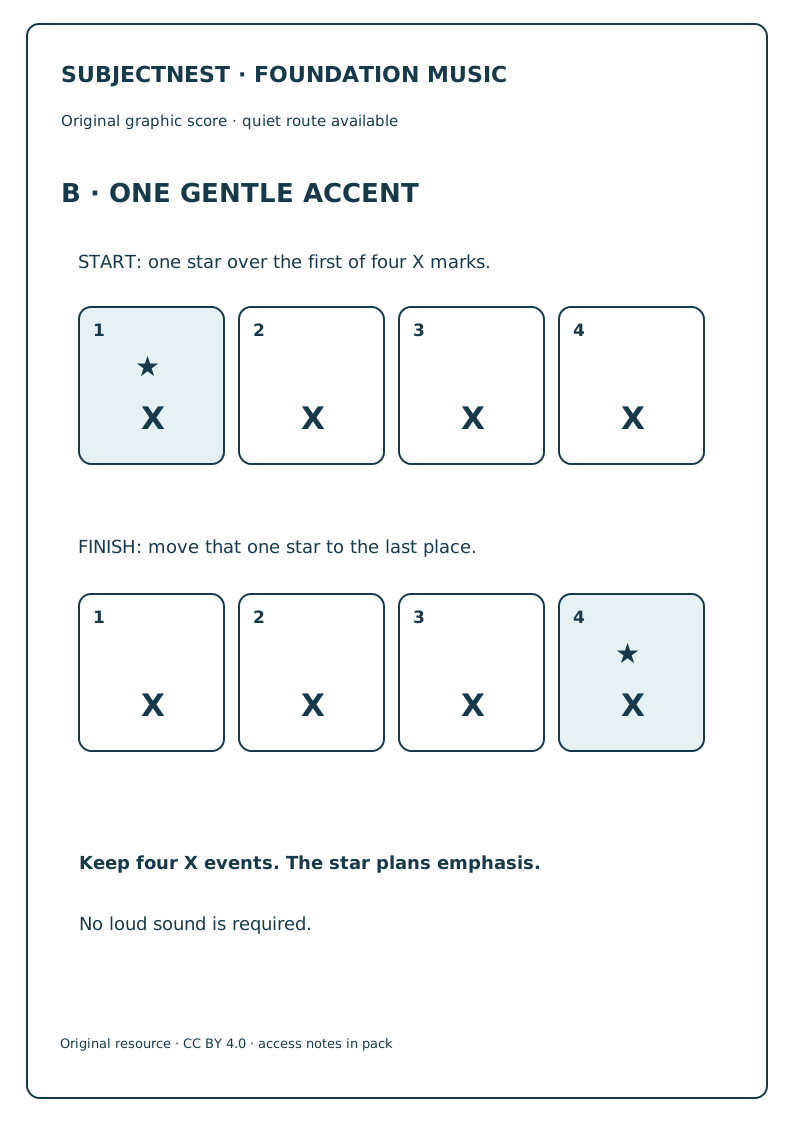
B · One gentle accent
Under A, put one star at count 1: ★ X X X X means the first of four pulse events is intended to stand out. Keep all four X marks. Draw the star instead of striking harder. If sound is tried, keep within comfortable volume and record whether an audible distinction was actually observed.
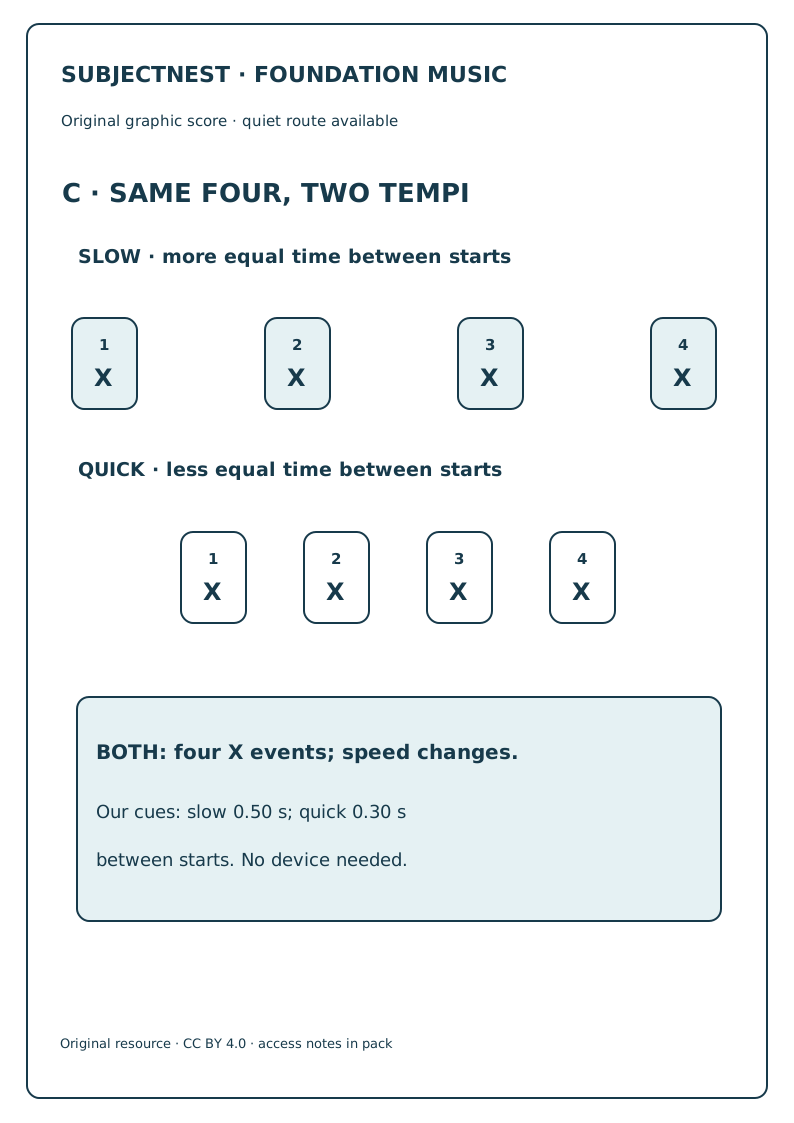
C · Same four events, two tempi
Slow plan: four X places with an imagined 0.50-second beat spacing; quick plan: four X places with a 0.30-second spacing. Each has four beats; the quick version takes less time between starts. These numbers define our generated teaching examples, not a speed requirement for children. Candidate slow (playback review held) and candidate quick (playback review held) are optional; equal-interval adult pointing at two visibly different paces is a no-sound route. Do not infer that a learner heard the contrast from their paper choice.
D · Move the emphasis
Score one has four X with star at count 1; score two has the same four X with star at count 4. Relocate the single star, not the X events. A fictional rolling paper ball can have an imagined “start” emphasis; a drawn sliding rectangle might have an imagined “finish” emphasis. Neither teaches how objects actually move.
E · Pulse and one answer
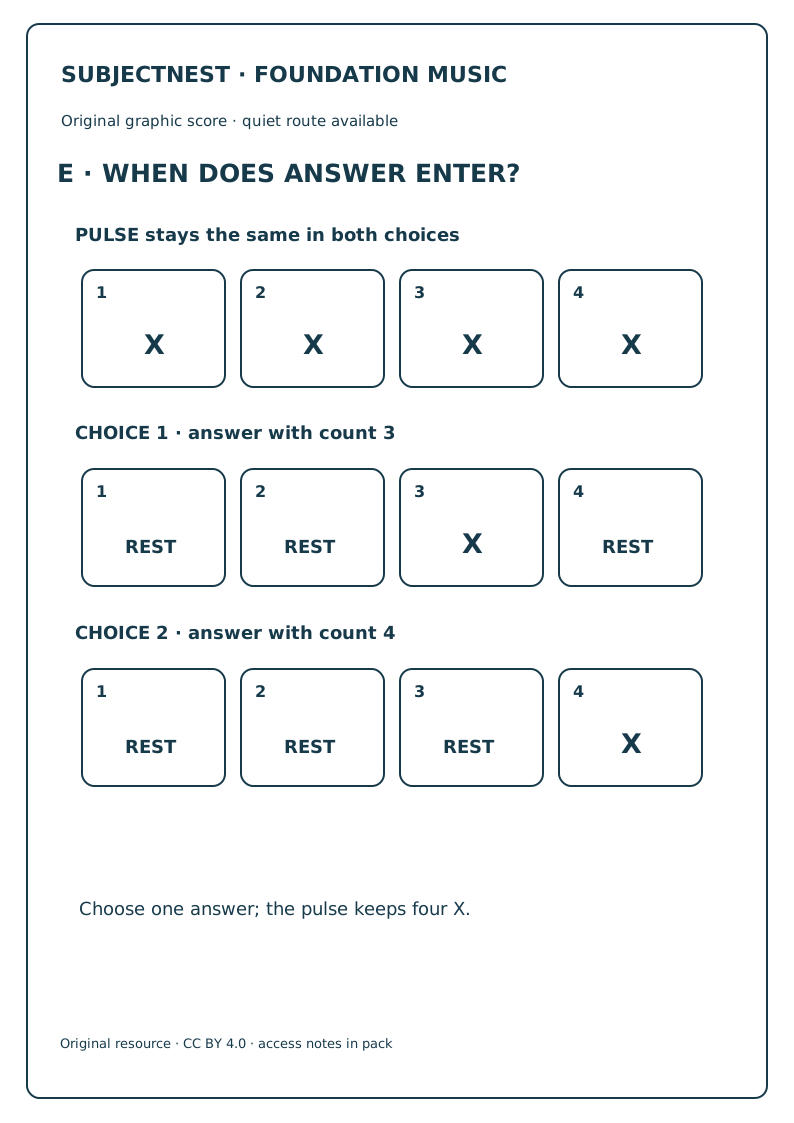
Two aligned rows: PULSE X X X X and ANSWER – – X –. The answer is planned at count 3 while the pulse continues on every count. One child can show both roles on paper; optional sound needs no partner and is not evidence of a social exchange unless one occurs.
F · Choose when the answer enters
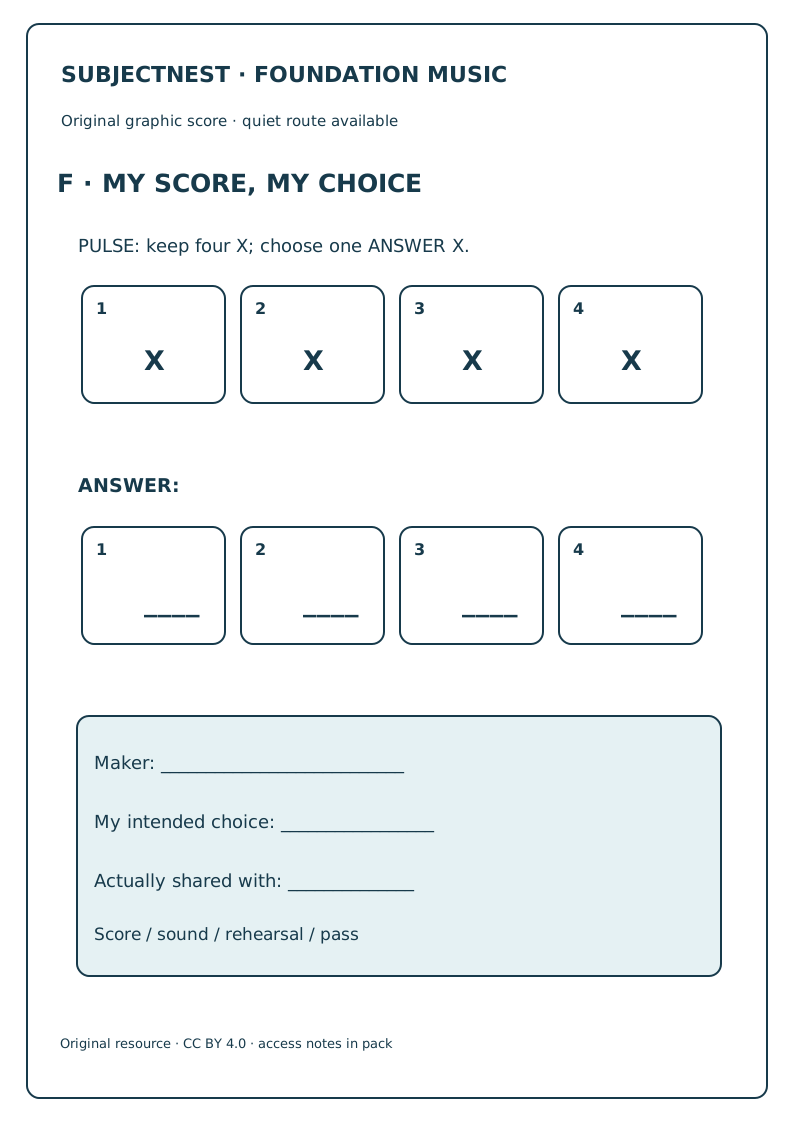
Keep the pulse row X X X X. Compare ANSWER – – X – (count 3) with – – – X (count 4). Either can suit an original fictional paper scene when the child's intention is clear. E board lets the child choose, rehearse silently, or direct an adult. For an audible realisation, teacher observes actual timing separately; there is no compulsory duet.
Fresh I/J appear only in student checks, with answers separated under teacher/. A child can make a different coherent original score during play; the held checks have specific constraints to guide subsequent teaching.