A two-line score places an upper and lower rhythm across the same four numbered beat places. Read each vertical column through both lines before moving right. X means one planned short event on its line; REST means none there. Two X in one column are two planned events at the same place. They are not one long sound or two groups of four in sequence. “Upper/lower” names position on the page, not high/low pitch, rank or who gets a turn. Use wide fixed cards or raised lanes and a broad column guide; no small loose pieces. Musical summary labels can be spoken, shown, signed or pointed.
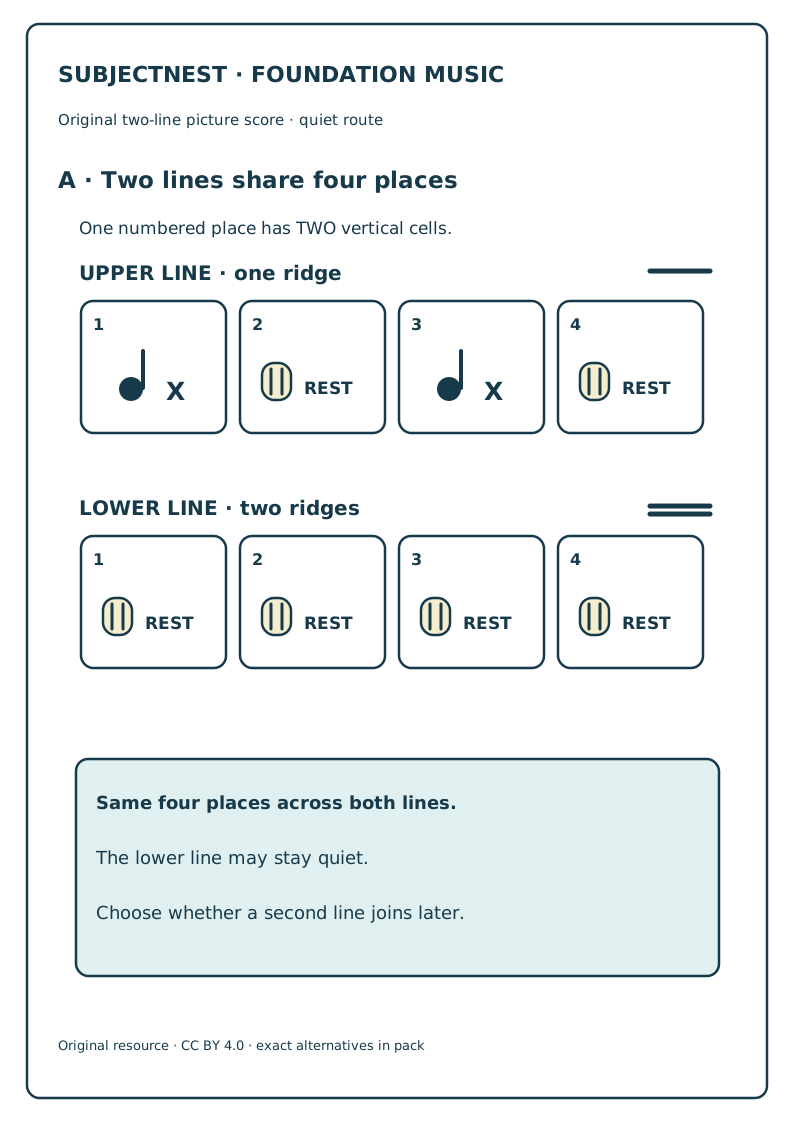
A · Two lines share four places
Upper = X REST X REST. Lower = REST REST REST REST. Only upper plans events at places 1 and 3. Both lines still have four places, and the lower line may remain quiet by choice. A illustrated lanes use one ridge on upper and two on lower for tactile differentiation.
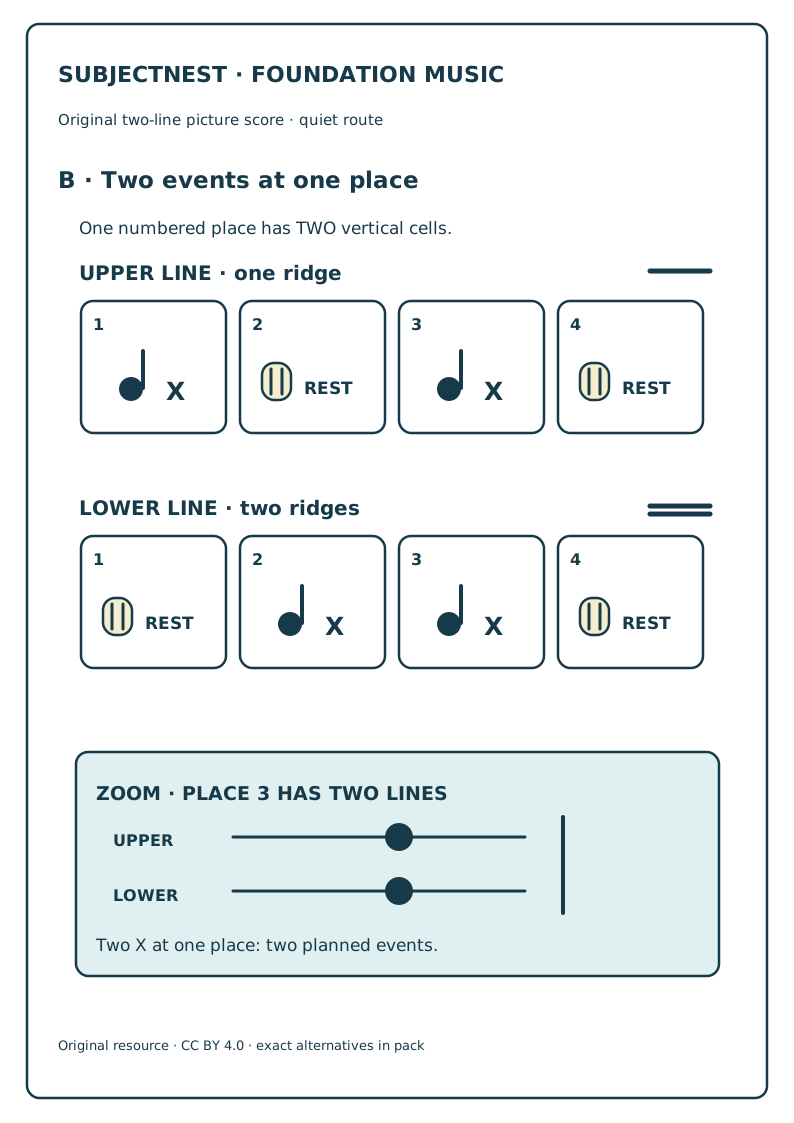
B · One place with two planned events
Upper remains X REST X REST. Lower becomes REST X X REST. Column 1 is upper-only, 2 lower-only, 3 together, 4 quiet. There are four planned short events across the two lines, but only three columns contain any event. B illustrated overlap draws two separate note dots inside one column at 3. If locally approved, candidate A sounds two synthetic tones together at the third place. Paper remains complete without it.
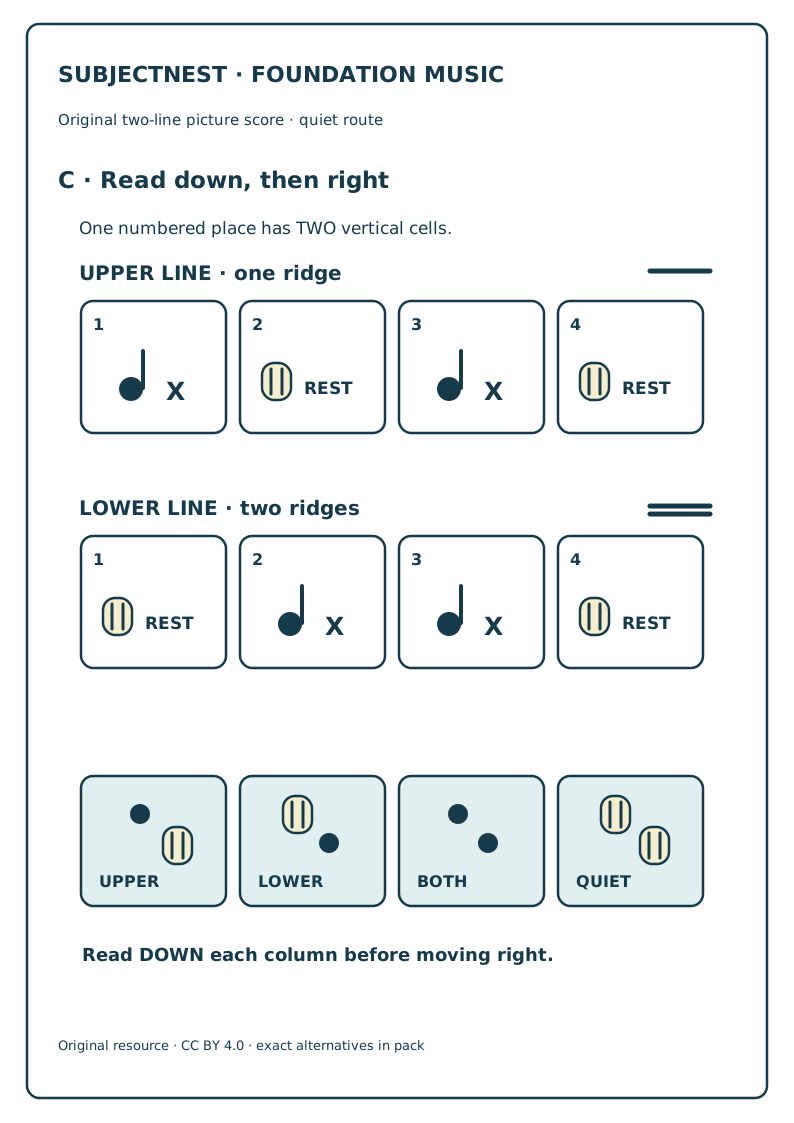
C · Read each column in two ways
From Practice B, translate four stacked pairs to a broad reader key: UPPER / LOWER / BOTH / QUIET. The C column reader shows the two-lane score and a second icon row. Together is shown with two side-by-side dots and a connecting arc; quiet uses two visible pause bars. The second representation is a design choice, not new Mathematics evidence or a heard result. A child may invent a different high-contrast symbol with a spoken, AAC or tactile legend.
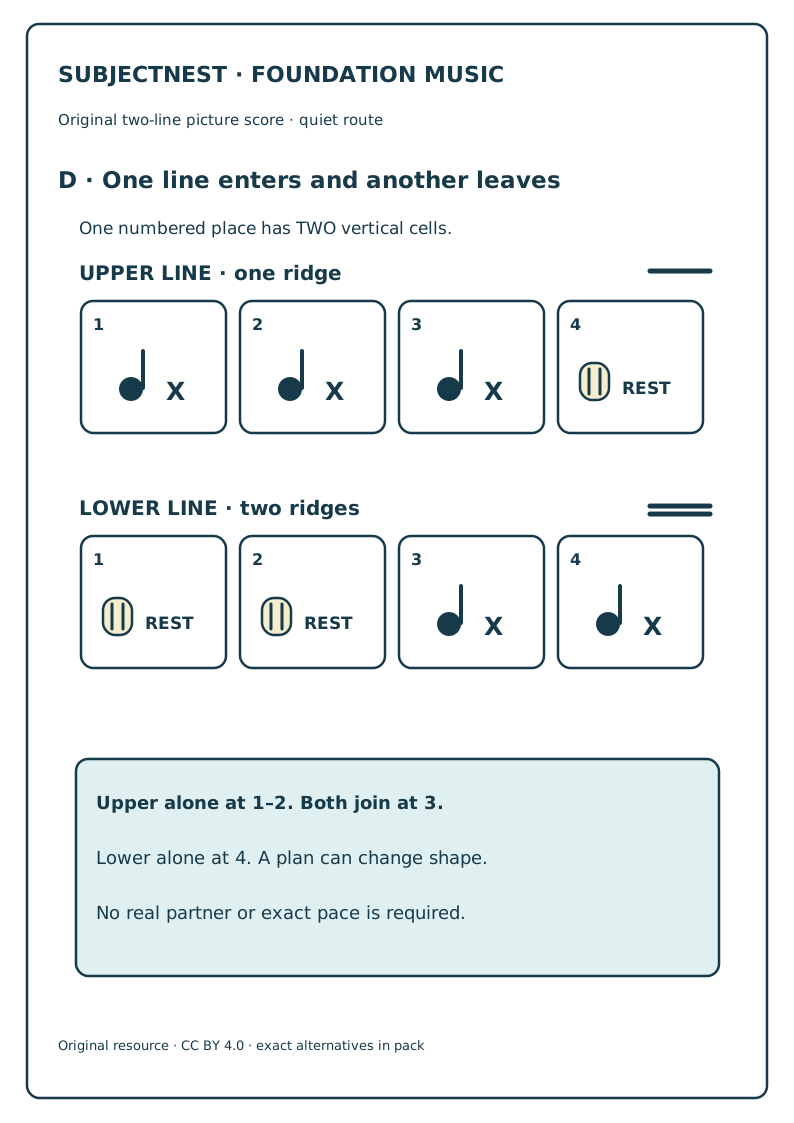
D · A line enters while another leaves
Upper = X X X REST; lower = REST REST X X. Upper only at 1 and 2, both at 3, lower only at 4. The D entry/exit picture uses a clear rising lower path and ending upper path over four numbered columns. The arrow shows planned change in who sounds, not measured tempo or a compulsory physical partner. If locally approved, candidate B is one synthetic rendition.
E · A musical choice is not a social duty
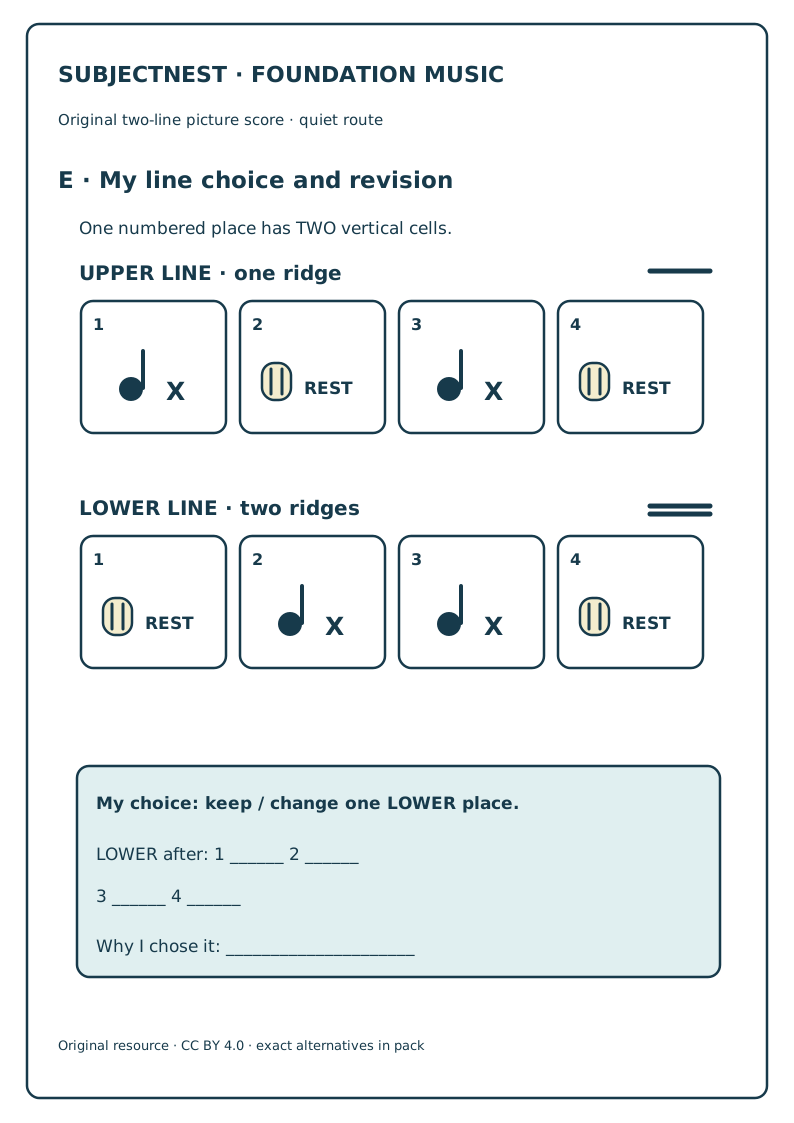
Start Practice B. If a child chooses, change lower X at count 3 to REST only. Now upper acts alone at 1 and 3, lower alone at 2, and both rest at 4. E choice/revision board has room to mark child preference, first score and one-cell revision. A real group sounding requires willingness, safe sources and observation. The paper change cannot show a person “made room” or that unequal/equal turn counts are socially fair.
F · Make a score and a reader key
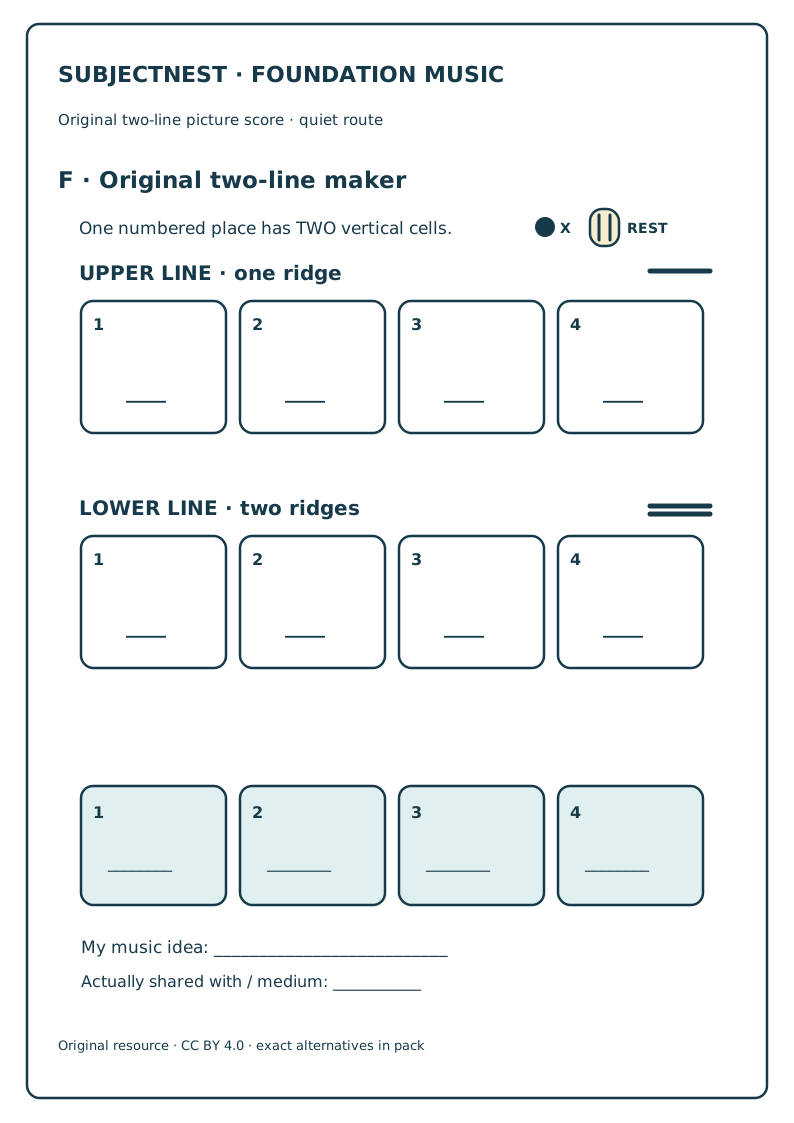
Use F original composer to author two aligned four-cell lines, then make a four-card summary key: UPPER, LOWER, BOTH or QUIET for each column. Any coherent child-authored placement is welcome; together is not compulsory. Adult model, distinct from fresh checks: upper REST X X REST; lower X REST X REST; summary LOWER / UPPER / BOTH / QUIET. Record the child's intended musical effect and any actual willing recipient/medium separately. Blank forms are not evidence of sound or audience sharing.
Fresh Q/R sources appear only in public checks; worked solutions live in the educator key. A correct graphic score can support composing and reading a musical plan. Actual aural discrimination, controlled sound-making, coordination and real audience receipt require their own observations.