Print A4 SVG/PDF or make two large fixed tactile symbols: A is a circle with the word A; B is a striped square with the word B. Use the same symbols on a numbered four-place strip. Symbols encode which invented sound recipe is planned; they do not make a sound, identify an unknown instrument or show what a child heard. Offer word, shape and raised texture together rather than colour alone. A neutral adult may move cards exactly as directed. Check U/V have separate unfamiliar sources and no worked answers on their public sheets.
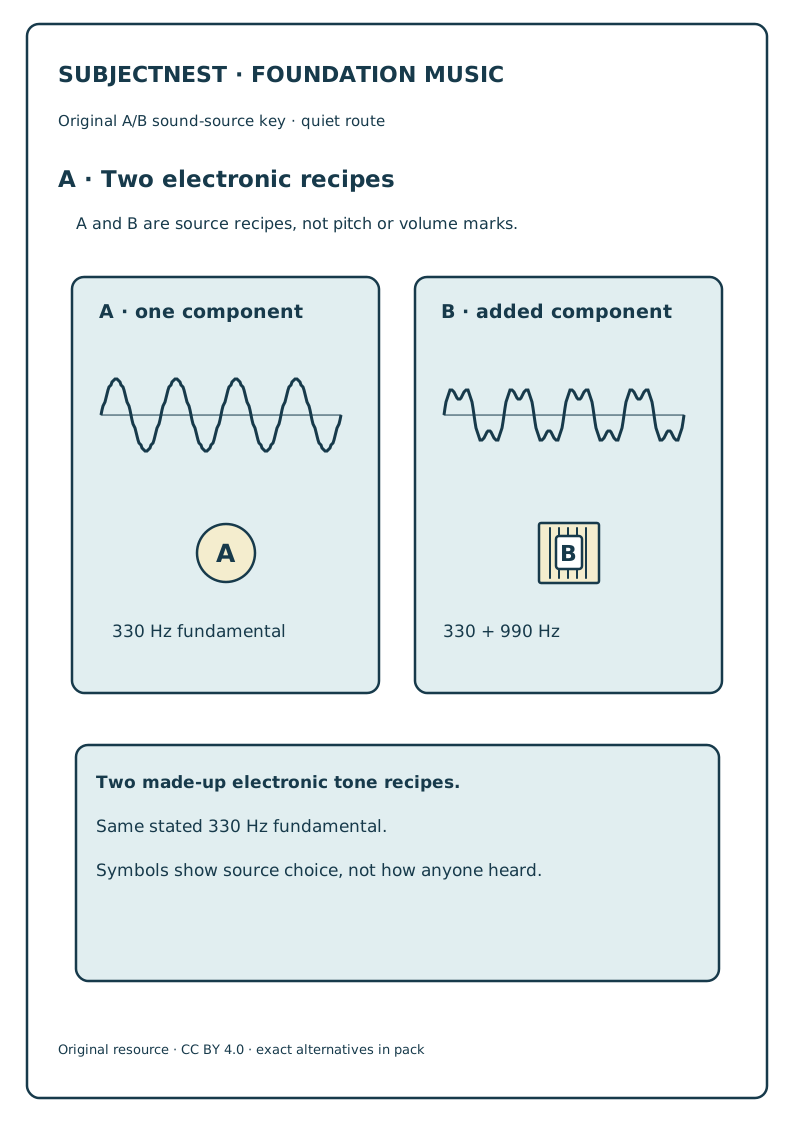
A · Two recipes, one fundamental
A4 SVG · A4 PDF. A sine-wave trace and a trace with an added third harmonic illustrate two generated 330 Hz fundamental recipes. A is a round key, B a striped square. The traces are computed from our synthesiser, not photographs of an instrument. If sound has not been approved or chosen, the child still learns and uses the key; record source-plan reading only. The exact transcript accompanies candidate cues.
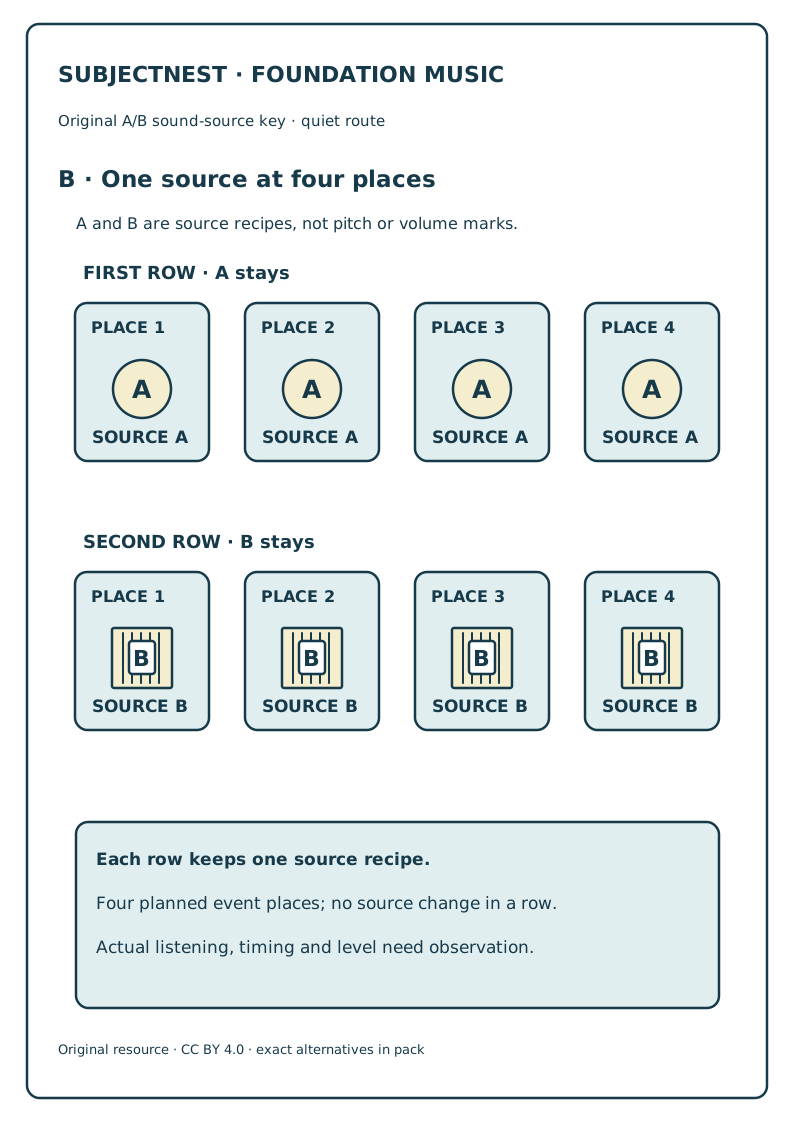
B · Hold one source choice
A4 SVG · A4 PDF. Four A circles are one source plan at places 1–4; a second four-B row can be built with broad cards. All four electronic events, if used, have the same fundamental and timing. “Same source” means the same recipe label, not a claim of identical perception or loudness.
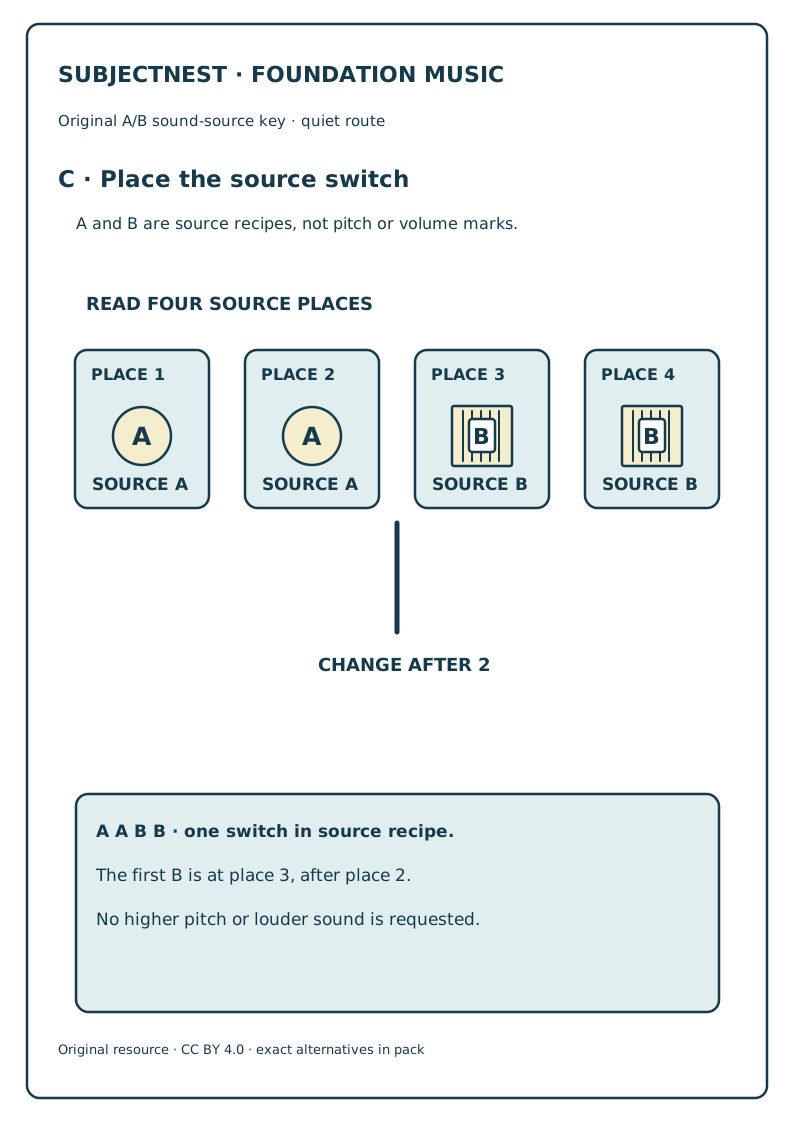
C · Place a source change
A4 SVG · A4 PDF. A A B B has one source-label switch, between places 2 and 3. Point to the boundary between cards, not the pitch rail used in Weeks 13–14. Candidate AABB audio follows this plan only after a listening/level review; its source change must be heard, not inferred from drawing.
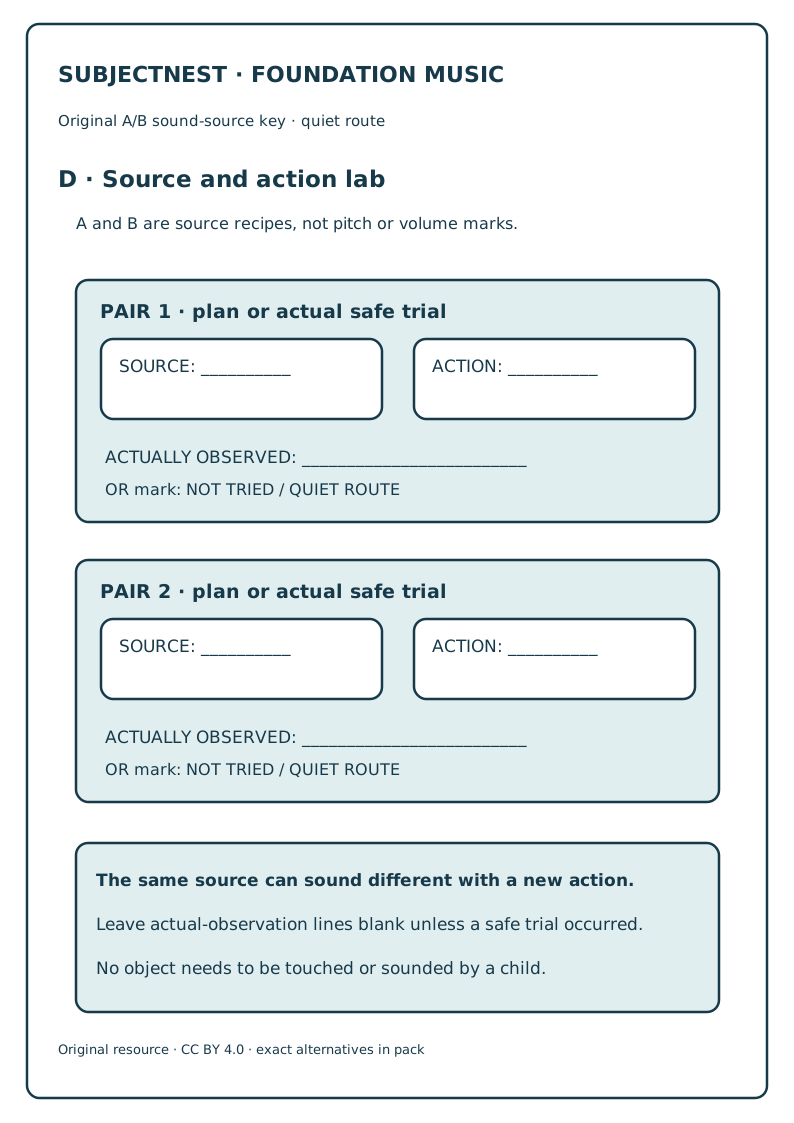
D · Real source and action log
A4 SVG · A4 PDF. Two large blank source/action/actual-observation panels let an educator demonstrate locally approved safe sources or use AAC, visual, tactile or no-sound plans. A possible educator-only trial is gently brushing a clean broad card and then softly tapping that same card onto a padded surface, after checking the room and listeners. A willing educator's unrecorded voice or a school-approved enclosed instrument can be a different locally reviewed source; no child must vocalise or handle it. “Paper” or “voice” alone does not specify a timbre: action, environment and listener matter. Avoid sharp, breakable, allergy-relevant or loud materials; an educator checks any actual source first. Leave heard/played lines blank if no event occurred.
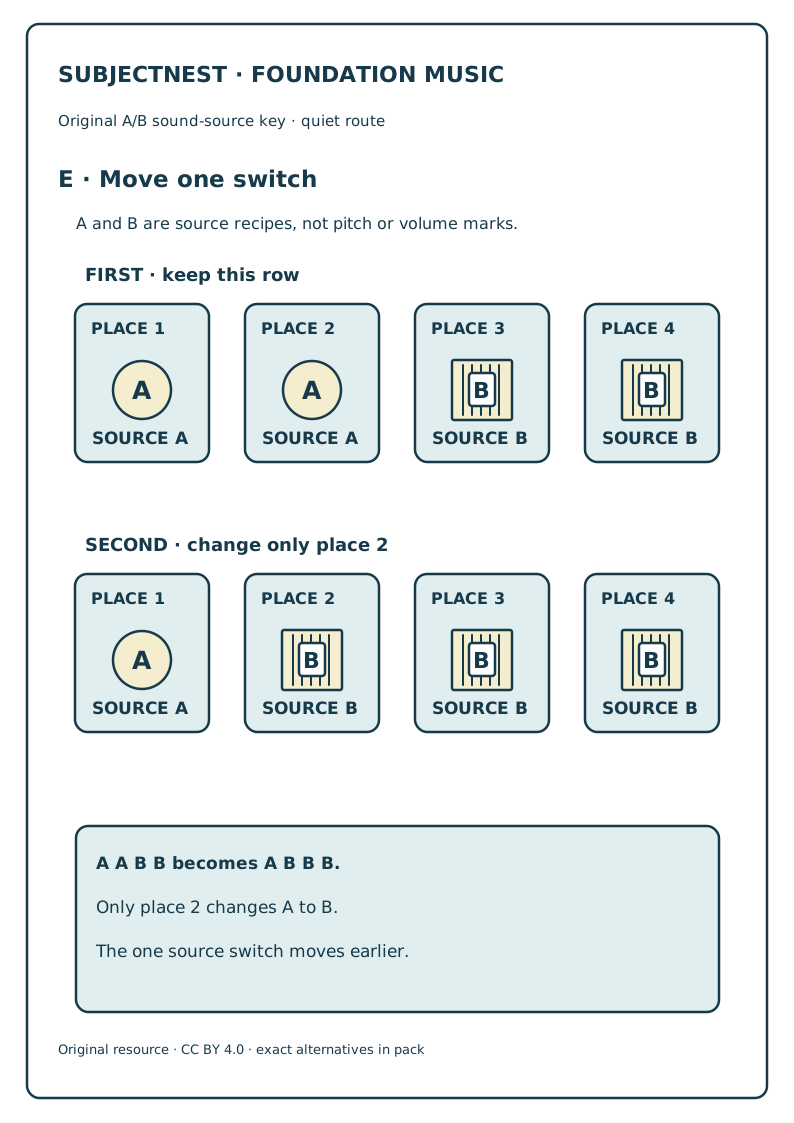
E · Move one source switch
A4 SVG · A4 PDF. Preserve A A B B, then change only place 2 to B in a second version: A B B B. The source switch moves from after place 2 to after place 1. Same four planned event places; no pitch or volume instruction. Keep both versions and the child's reason.
F · Make, test and share a palette
A4 SVG · A4 PDF. Four empty source places and separate fields for the child's musical intention, any actual safe test, and a willing recipient/medium. The child can compose with A/B paper cards and decline playback or sharing. A score is not itself evidence of an audience receiving it.
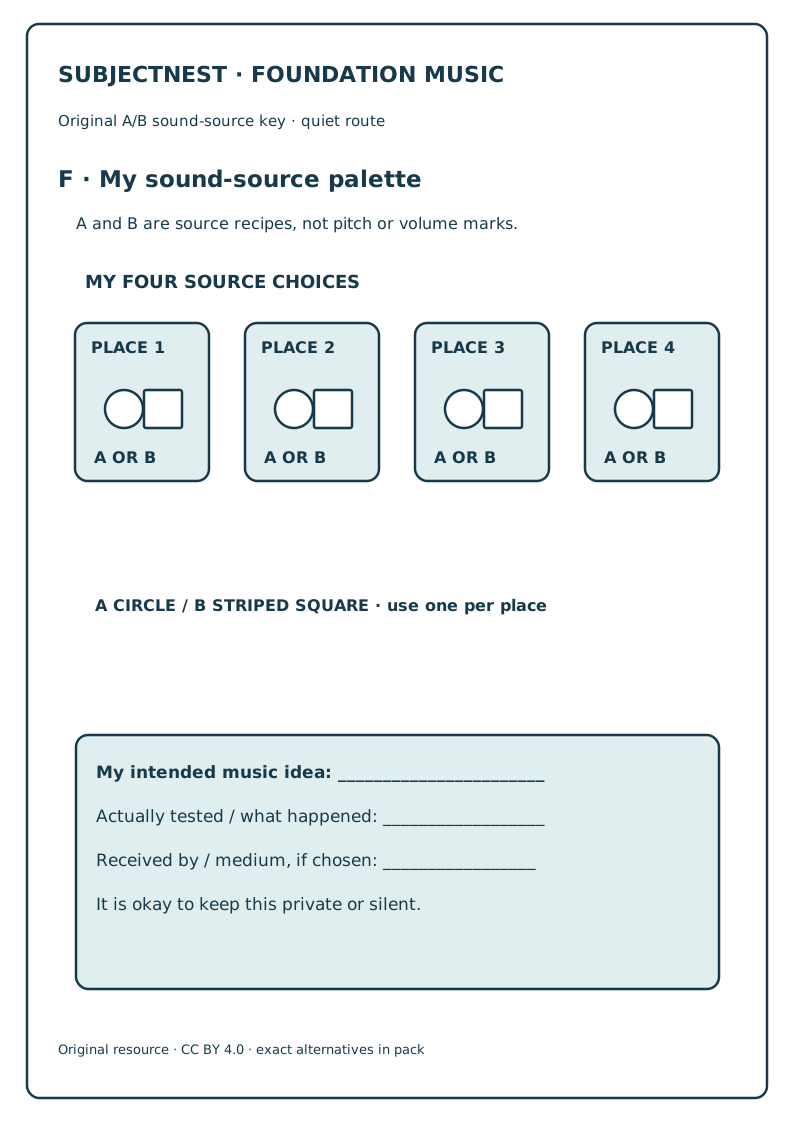
Preparation: broad washable reusable cards, a four-place tray or raised-strip equivalent, accessible marking method, individual clean set if shared objects are unsuitable, and a quiet or pass option. No child must copy a waveform, sing, touch an object, handle a device or perform in public. Electronically generated A/B cues remain candidate-only until an educator listens and approves comfortable playback on the intended equipment.