Goal: describe movement of two safe objects and judge whether a shape comparison held other relevant features sufficiently alike. Proposed codes: AC9SFU02, AC9SFI01, AC9SFI02, AC9SFI04. Prepare: adult-verified matched pair if available, same flat lane/release, compare-factors, Model N, Card 16.
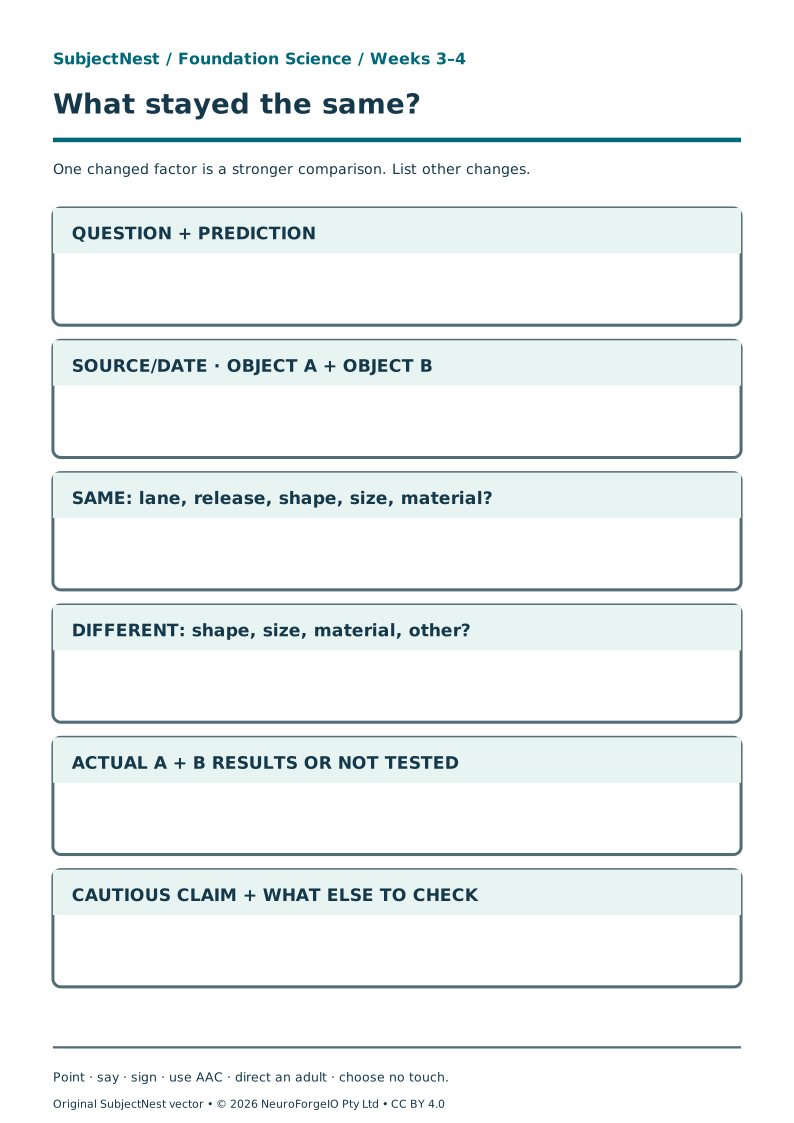
- Match gate · 3 min. Check two broad approved objects for verified material, approximate size, shape difference and safe slow release. If another factor differs or no pair is safe, write this limitation or use Model N only.
- Predict · 4 min. Name exact pair/source/date and shared surface/release; child predicts separately before any try.
- Model · 5 min. Read Model N: invented endpoints differ but its size/material/release are unverified. Model “I cannot tell that shape caused the difference.”
- Child try · 7 min. Adult conducts two safe tries from the same marked start using the same gentle action, if possible. Child uses Card 16 to record actual A/B path or stop; adult notes differences, access and any altered condition. Never supply the result in advance.
- Compare · 4 min. Child contrasts predictions and observations, then names what stayed same and what differed. If controls were incomplete, say “these tries differed” and leave cause unknown.
- Exit · 2 min. Choose one safer next repeat or missing fact; no universal “round things roll” rule.