The SVGs have titles and descriptions; the PDFs have selectable text but are untagged. Use this page for screen reading or turn each ordered block into a full-word card. Do not use colour as an answer cue. An aid rehearses fictional design reasoning, not a tested solution or a reproduction of a named process model.
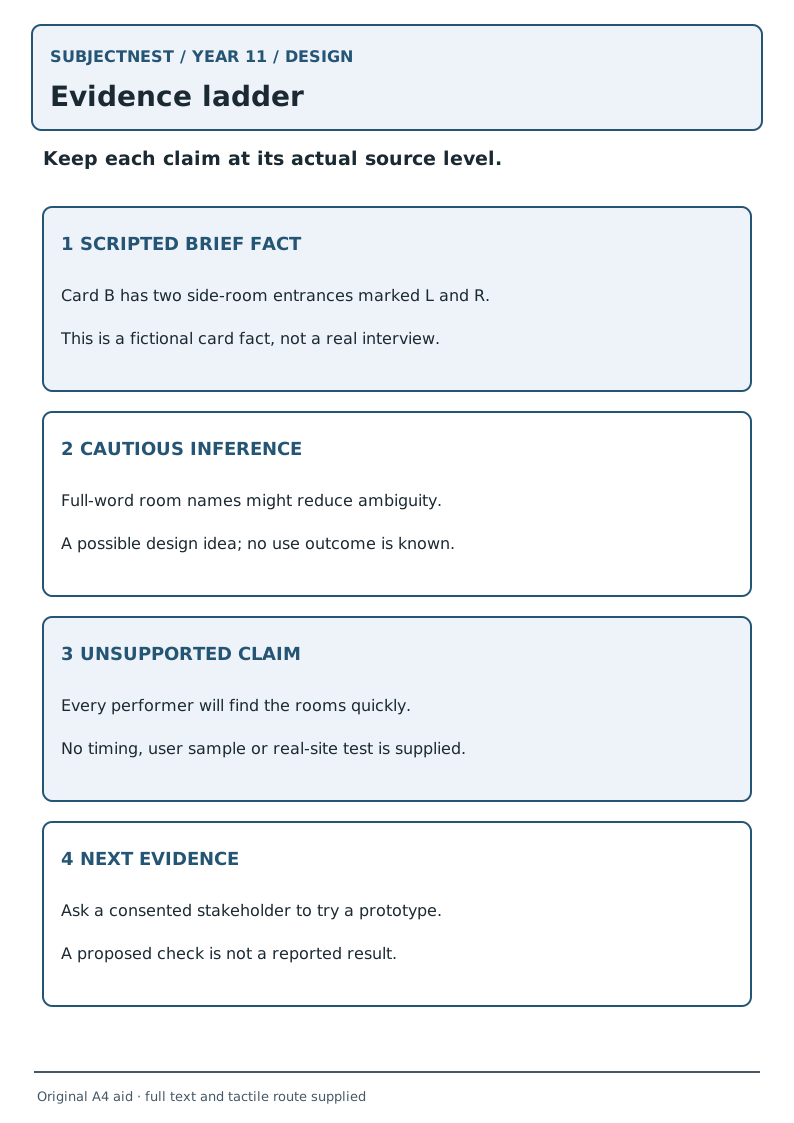
Evidence ladder
Top line: “Keep each claim at its actual source level.” Four numbered full-word cards, top to bottom:
- Scripted brief fact. Card B has two side-room entrances marked L and R. This is a fictional card fact, not a real interview.
- Cautious inference. Full-word room names might reduce ambiguity. A possible design idea; no use outcome is known.
- Unsupported claim. Every performer will find the rooms quickly. No timing, user sample or real-site test is supplied.
- Next evidence. Ask a consented stakeholder to try a prototype. A proposed check is not a reported result.
Tactile route: Make four separate full-word, large-print cards numbered 1–4. Place them vertically in the stated order. Learner moves a statement card beside the matching category and says/records why; the number and wording, not shading, provide meaning.
Problem to criteria
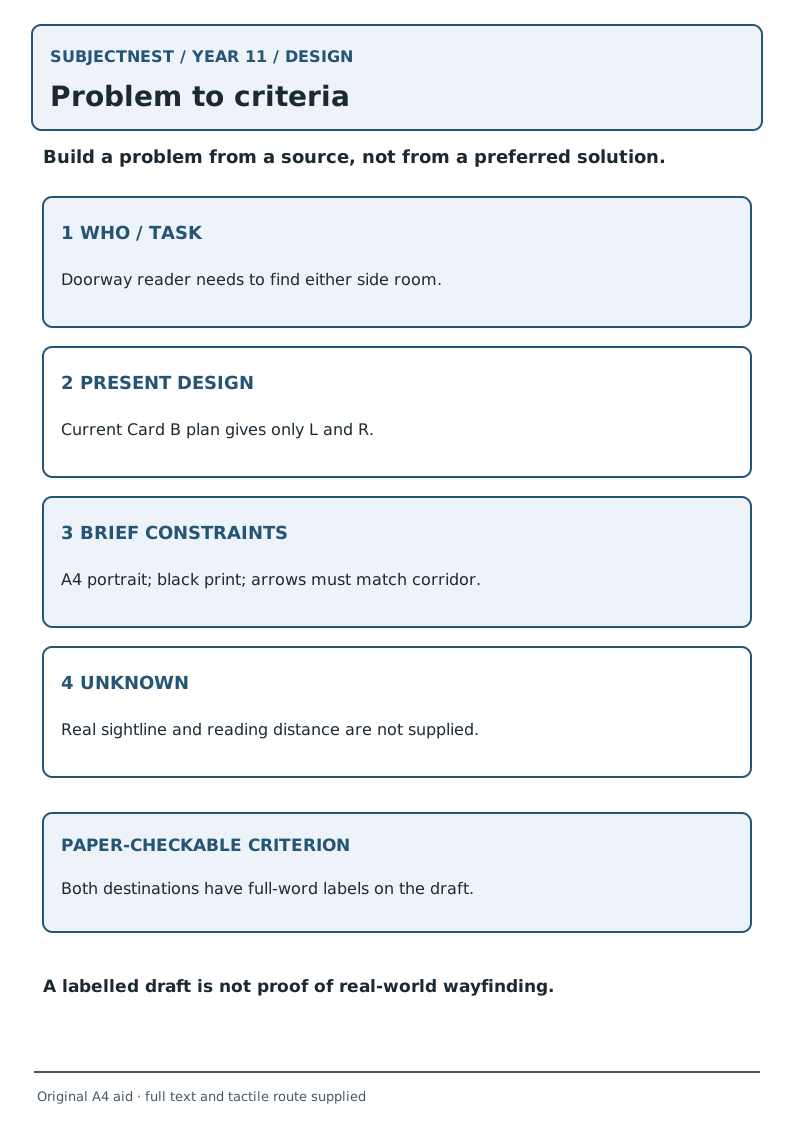
Top line: “Build a problem from a source, not from a preferred solution.” Four ordered ingredients:
- Who/task: Doorway reader needs to find either side room.
- Present design: Current Card B plan gives only L and R.
- Brief constraints: A4 portrait; black print; arrows must match corridor.
- Unknown: Real sightline and reading distance are not supplied.
Bottom box: Paper-checkable criterion: Both destinations have full-word labels on the draft. Final caution: A labelled draft is not proof of real-world wayfinding.
Tactile route: Place four numbered ingredient cards in a top-to-bottom line. Put a separate criterion card below them and a distinct “not yet tested” caution card last. Learner rearranges or points to who, present issue, constraints and unknown before composing a sentence.
Idea loop
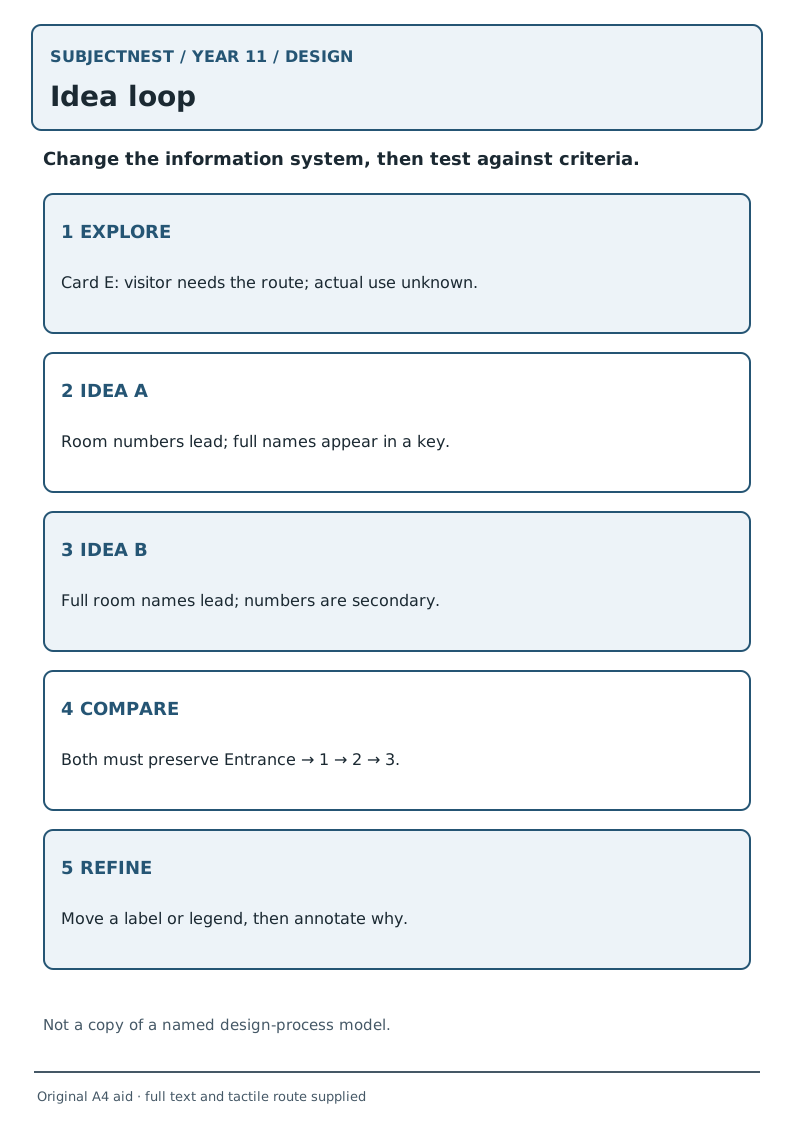
Top line: “Change the information system, then test against criteria.” Five ordered steps:
- Explore: Card E visitor needs the route; actual use unknown.
- Idea A: Room numbers lead; full names appear in a key.
- Idea B: Full room names lead; numbers are secondary.
- Compare: Both must preserve Entrance → Room 1 → Room 2 → Room 3.
- Refine: Move a label or legend, then annotate why.
Footer: “Not a copy of a named design-process model.” The teaching loop is an original organiser, not a QCAA/Design Council/IDEO model diagram.
Tactile route: Use five numbered, full-word cards in the same order. Give four separate room tiles plus an entrance tile and a desk tile. Build Idea A, clear the layout, then build Idea B. Finger-trace the same corridor both times; move a word/legend tile to show revision.
Decision grid
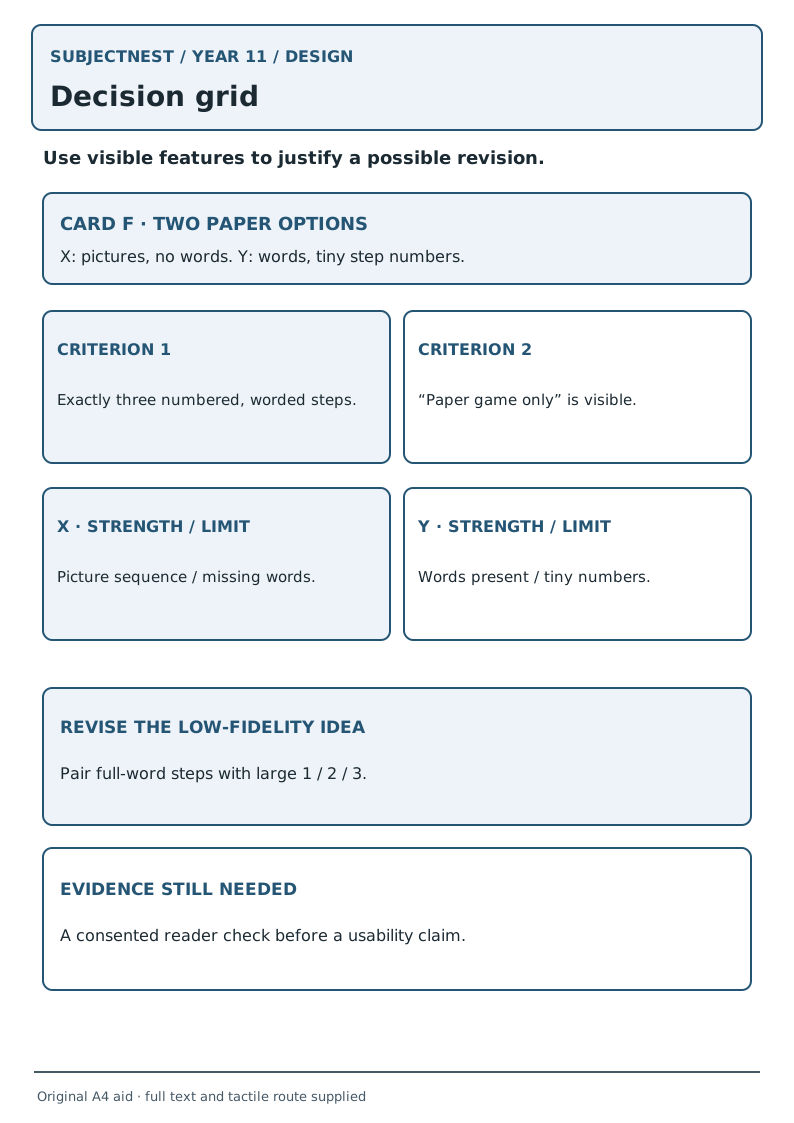
Top line: “Use visible features to justify a possible revision.” Fictional Card F options: X has pictures but no words. Y has words but tiny step numbers.
Four cells in reading order, left-to-right then top-to-bottom:
- Criterion 1: Exactly three numbered, worded steps.
- Criterion 2: “Paper game only” is visible.
- X strength/limit: Picture sequence / missing words.
- Y strength/limit: Words present / tiny numbers.
Below: Revise the low-fidelity idea: Pair full-word steps with large 1 / 2 / 3. Evidence still needed: A consented reader check before a usability claim.
Tactile route: Lay out two full-word criterion cards on the upper row and the two X/Y feature cards below, with each card's role written out. Put the revision card under them and the future-evidence card last. The learner can move the X/Y cards toward the criterion they support and name a gap; do not rely on cell location alone to convey strength or limit.