The diagrams use four connected boxes from top to bottom; arrows show reading order only. Colours never encode an answer. Every word on the sheets is supplied below, so a learner can use screen-reader text, large print, spoken instructions or paper strips. Blank lines are optional writing space.
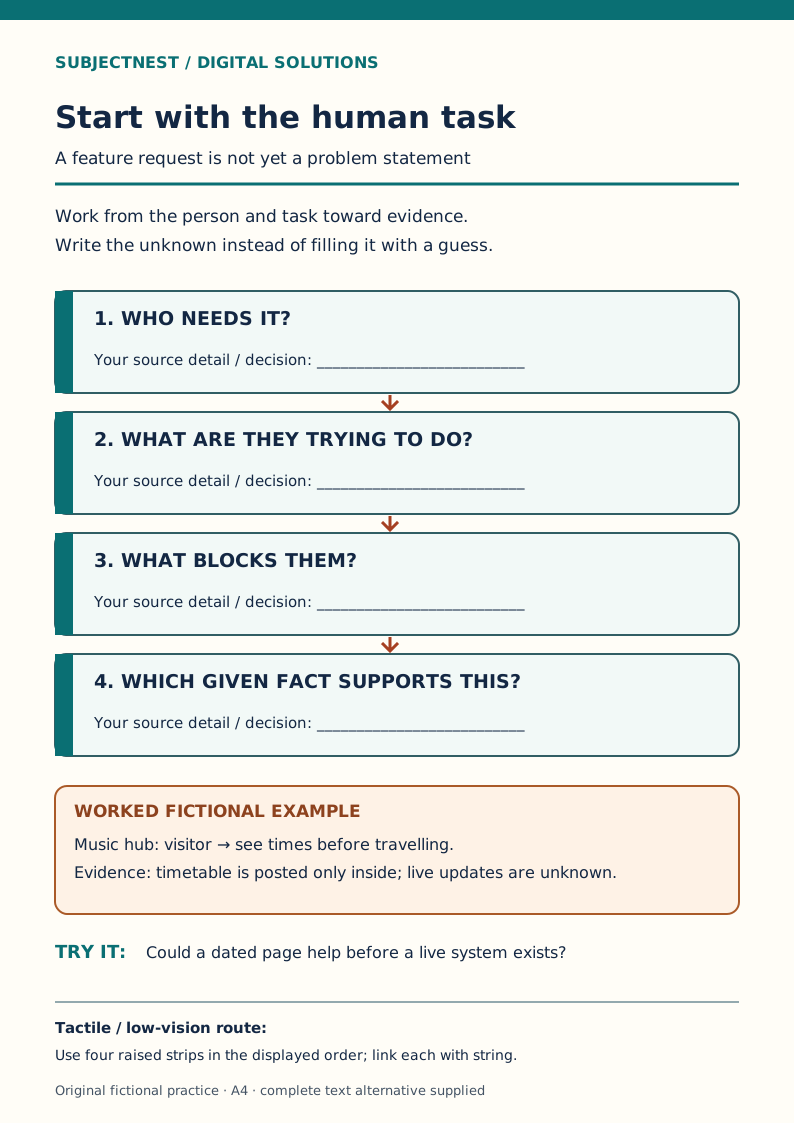
Start with the human task
need-map.svg · need-map.pdf. Subtitle: A feature request is not yet a problem statement. Intro: “Work from the person and task toward evidence. Write the unknown instead of filling it with a guess.” Boxes: 1. Who needs it? 2. What are they trying to do? 3. What blocks them? 4. Which given fact supports this? Worked fictional example: music-hub visitor wants to see times before travelling; the timetable is only inside and live updates are unknown. Try it: Could a dated page help before a live system exists? Tactile route: four raised strips in order, linked by string.
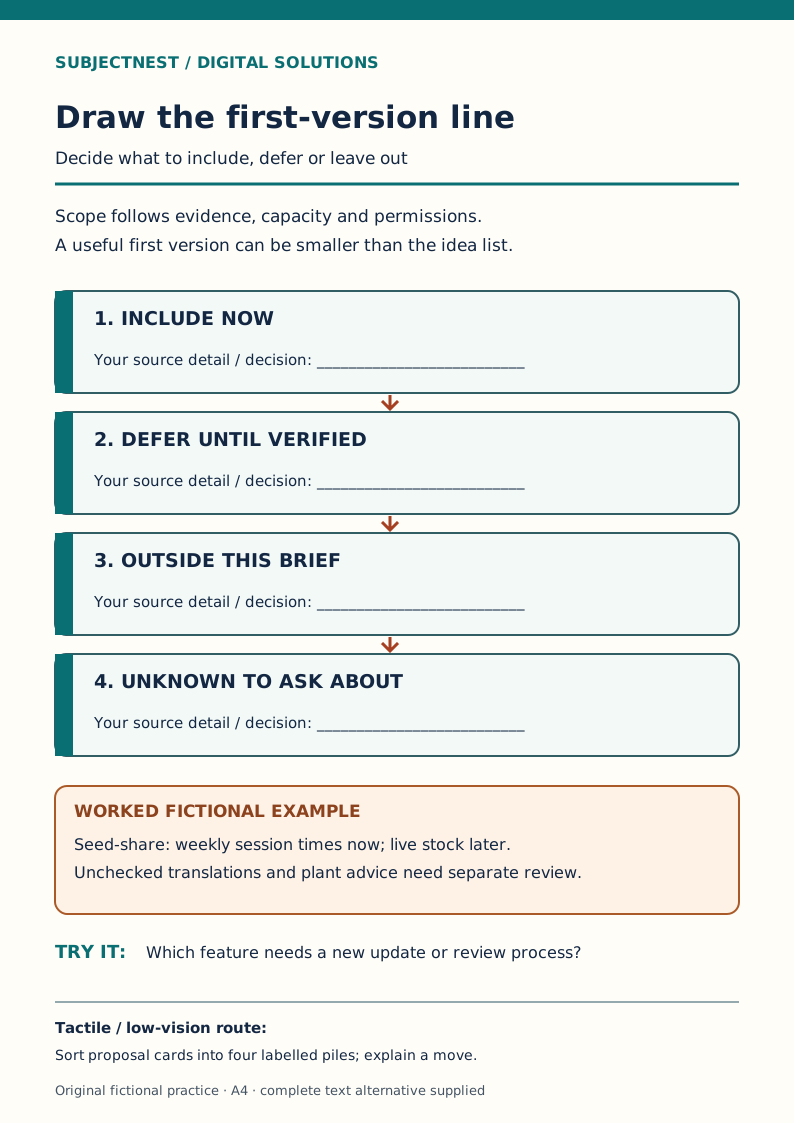
Draw the first-version line
scope-boundary.svg · scope-boundary.pdf. Subtitle: Decide what to include, defer or leave out. Intro: “Scope follows evidence, capacity and permissions. A useful first version can be smaller than the idea list.” Boxes: 1. Include now. 2. Defer until verified. 3. Outside this brief. 4. Unknown to ask about. Worked fictional example: seed-share weekly session times now; live stock later; unchecked translations and plant advice need separate review. Try it: Which feature needs a new update or review process? Tactile route: sort proposal cards into four labelled piles and explain a move.
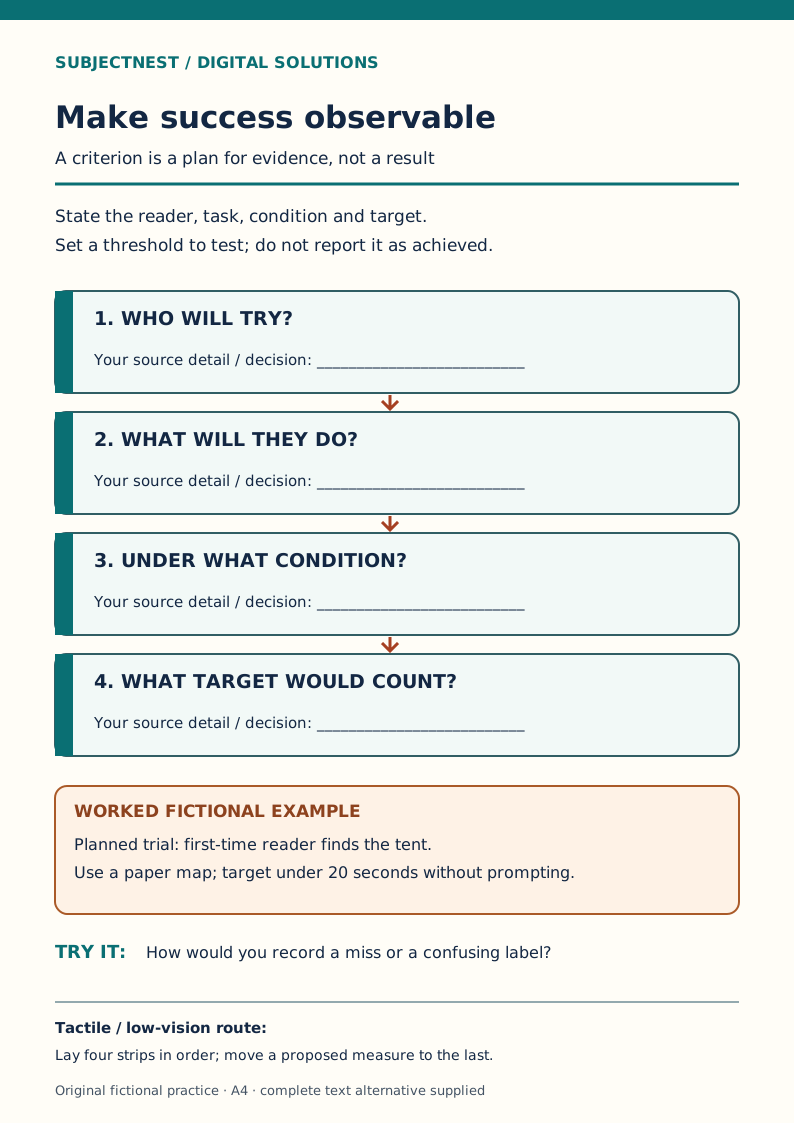
Make success observable
criterion-test.svg · criterion-test.pdf. Subtitle: A criterion is a plan for evidence, not a result. Intro: “State the reader, task, condition and target. Set a threshold to test; do not report it as achieved.” Boxes: 1. Who will try? 2. What will they do? 3. Under what condition? 4. What target would count? Worked fictional example: in a planned paper-map trial, a first-time reader finds the tent within 20 seconds without prompting. Try it: How would you record a miss or a confusing label? Tactile route: lay four strips in order; move a proposed measure to the last.
Name who carries the effect
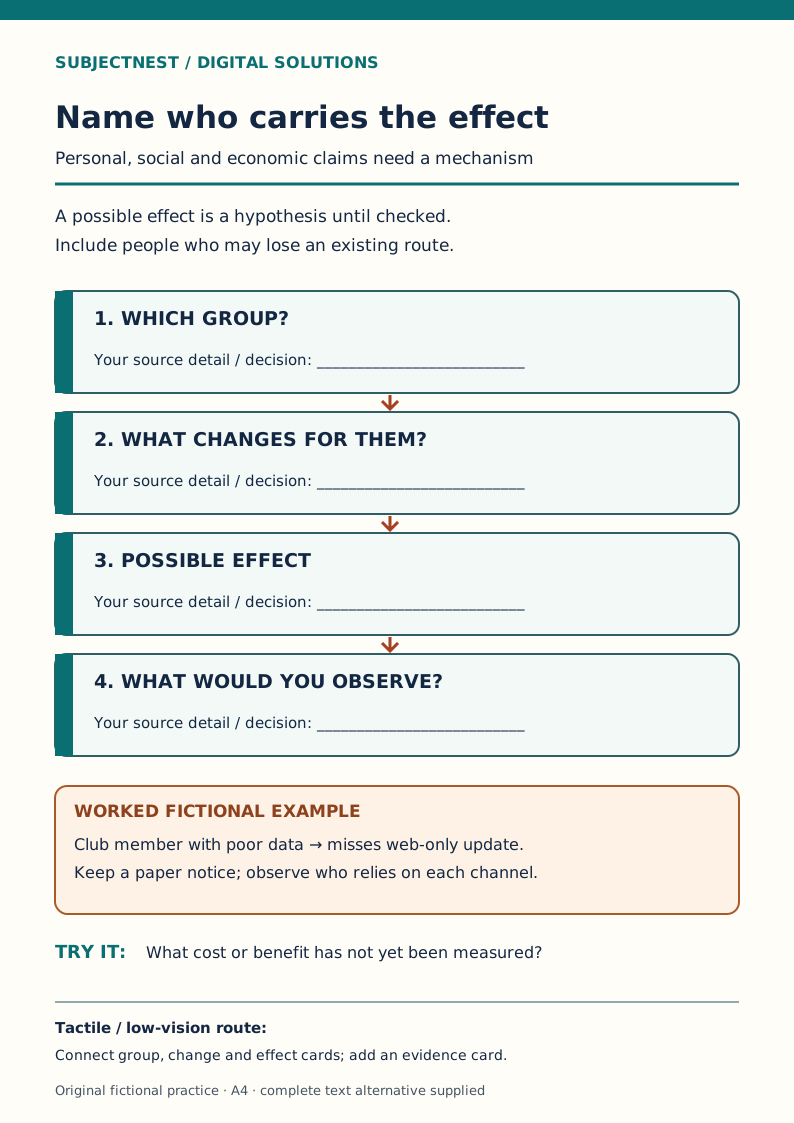
impact-lens.svg · impact-lens.pdf. Subtitle: Personal, social and economic claims need a mechanism. Intro: “A possible effect is a hypothesis until checked. Include people who may lose an existing route.” Boxes: 1. Which group? 2. What changes for them? 3. Possible effect. 4. What would you observe? Worked fictional example: a club member with poor data could miss a web-only update; keep a paper notice and observe who relies on each channel. Try it: What cost or benefit has not yet been measured? Tactile route: connect group, change and effect cards, then add an evidence card.
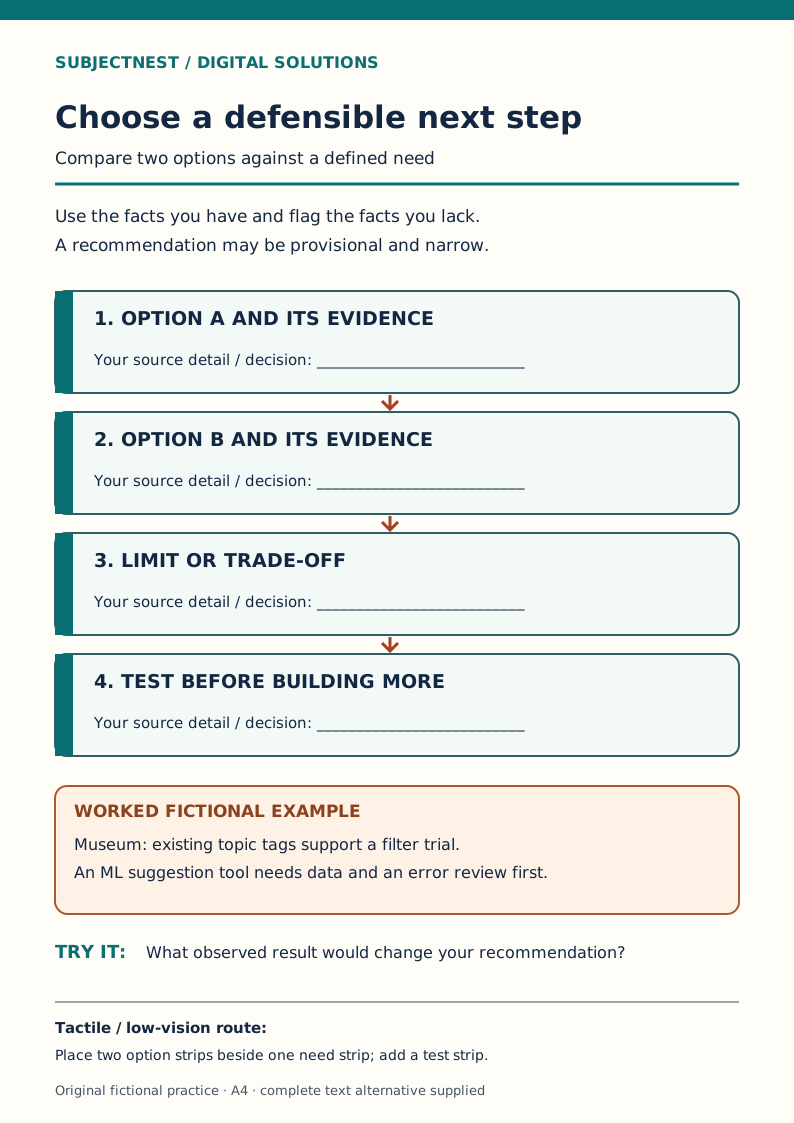
Choose a defensible next step
decision-grid.svg · decision-grid.pdf. Subtitle: Compare two options against a defined need. Intro: “Use the facts you have and flag the facts you lack. A recommendation may be provisional and narrow.” Boxes: 1. Option A and its evidence. 2. Option B and its evidence. 3. Limit or trade-off. 4. Test before building more. Worked fictional example: existing museum topic tags support a filter trial; an ML suggestion tool needs data and error review. Try it: What observed result would change your recommendation? Tactile route: place two option strips beside one need strip; add a test strip.