Every linked aid has a matching one-page A4 SVG and PDF. The PDF contains selectable text but is untagged. Original dark outlines, written labels, numbered slots and explicit position words carry meaning; pale fills are not required to tell categories apart. An adult may read exact source lines and move a broad physical token only as the child directs. A tactile copy can use three large raised-bordered slots and distinct thick outlines with the same spoken labels. Do not assume braille, fine motor control, independent print reading or device access. Check source order after any transcription/enlargement. A teacher-made tactile copy is not an accessibility certification.
| A4 print aid | Exact linear source and layout | Tactile/low-vision route |
|---|---|---|
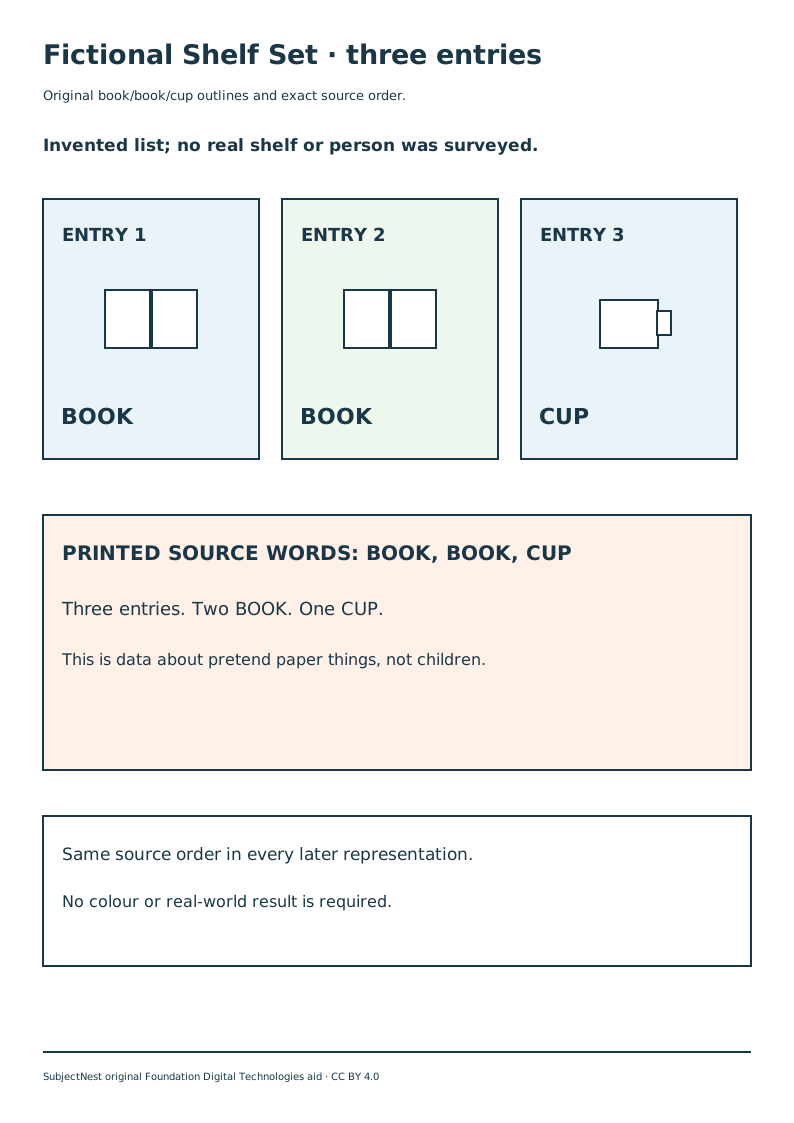
| Fictional Shelf Set (SVG) | Three left-to-right numbered entries: 1 BOOK with original open-book outline; 2 BOOK with the same outline; 3 CUP with original cup outline. Printed source words: BOOK, BOOK, CUP. Printed count line: Three entries. Two BOOK. One CUP. The list is invented, not a real room/person survey. | Use three broad source slots with labels read in order. Let a child place two large BOOK stand-ins and one CUP stand-in, or direct adult movement. |
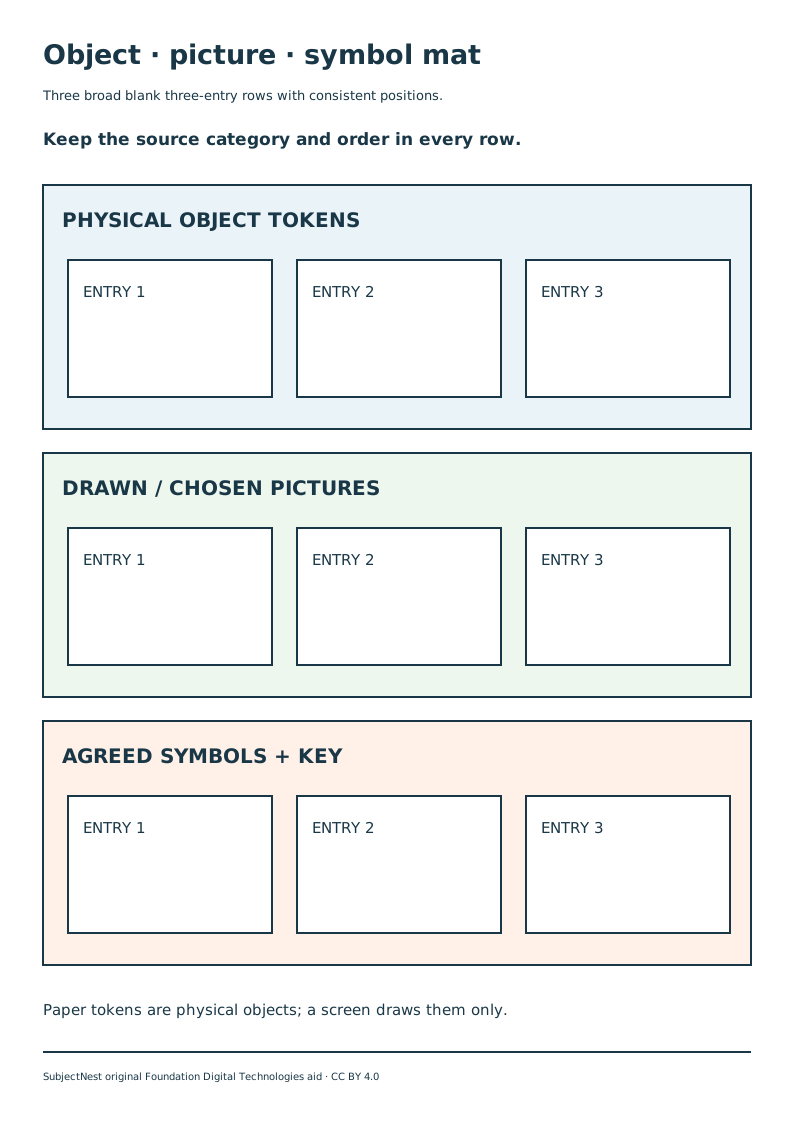
| Object/picture/symbol mat (SVG) | Three blank top-to-bottom rows, each with numbered 1/2/3 slots: PHYSICAL OBJECT TOKENS; DRAWN / CHOSEN PICTURES; AGREED SYMBOLS + KEY. Footer: paper tokens are physical objects; a screen draws them only. | Three raised wide rows with three broad aligned slots per row. Use safe large physical tokens in first row, raised or high-contrast original pictures in second, spoken/large-print symbol key in third. |
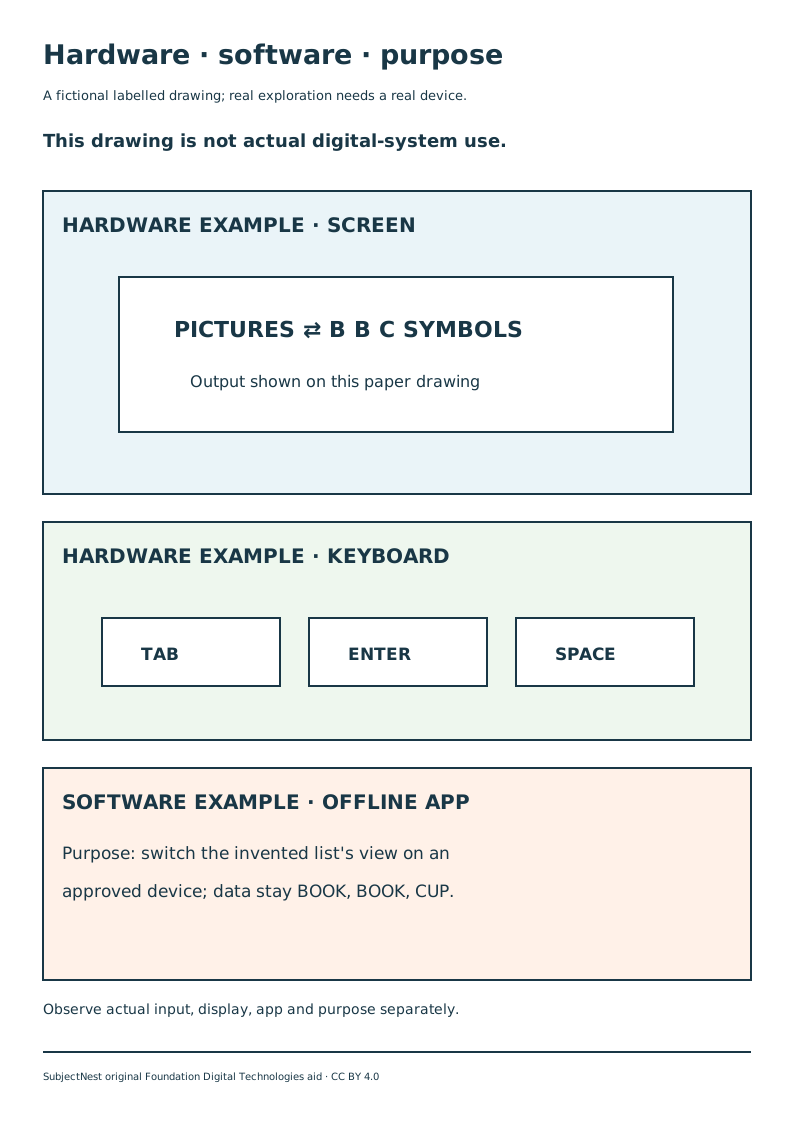
| Hardware/software/purpose drawing (SVG) | Top labelled HARDWARE EXAMPLE · SCREEN, showing printed “PICTURES ↔ B B C SYMBOLS”; middle HARDWARE EXAMPLE · KEYBOARD with TAB, ENTER, SPACE keys; bottom SOFTWARE EXAMPLE · OFFLINE APP. Printed purpose: switch the invented list's view on an approved device; data stay BOOK, BOOK, CUP. This is only a drawing. | Read the three labelled areas top-to-bottom. On paper, use a broad keyboard/screen model and explain their intended roles. For K01 exploration, separately observe a real locally approved device and running software. |
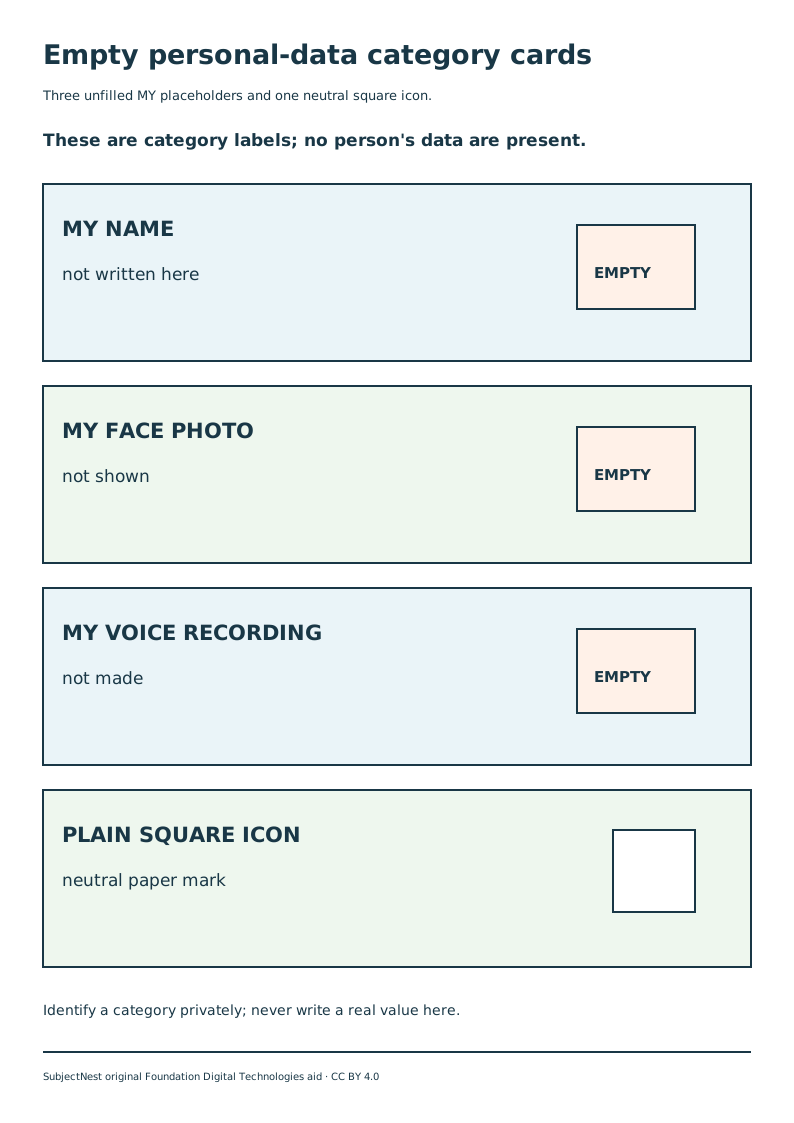
| Personal-data category cards (SVG) | Four top-to-bottom cards: MY NAME — not written here — EMPTY; MY FACE PHOTO — not shown — EMPTY; MY VOICE RECORDING — not made — EMPTY; PLAIN SQUARE ICON — neutral paper mark, with a simple square outline. These are category labels; no person's actual data are present. | Four separate large tactile/word cards; the first three have an EMPTY inset. Let child privately indicate a could-be-personal category without filling it. No real value or recording. |
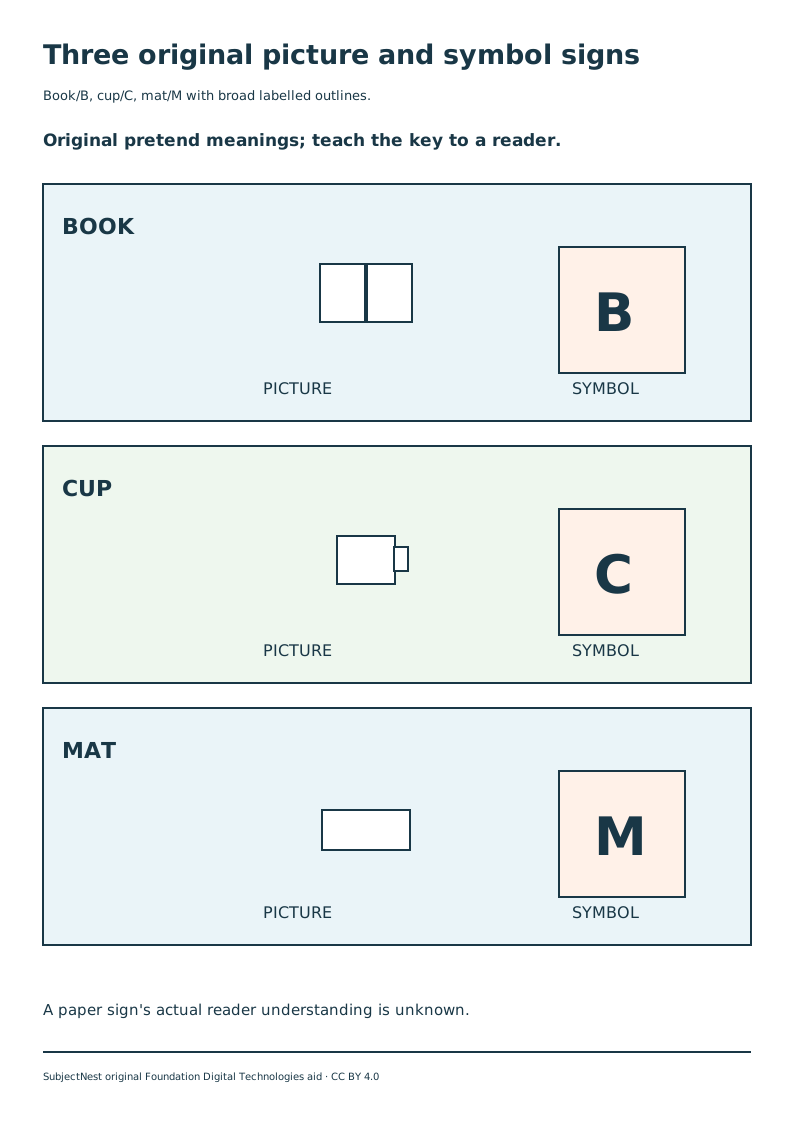
| Original picture/symbol bank (SVG) | Three top-to-bottom invented sign rows: BOOK + open-book outline + B; CUP + cup outline + C; MAT + broad rectangle outline + M. The picture and agreed letter both stand for the same neutral category. Actual reader understanding is unknown. | Three large word/picture/letter rows with distinct raised outlines. Read the local symbol key; do not score untaught decoding. |
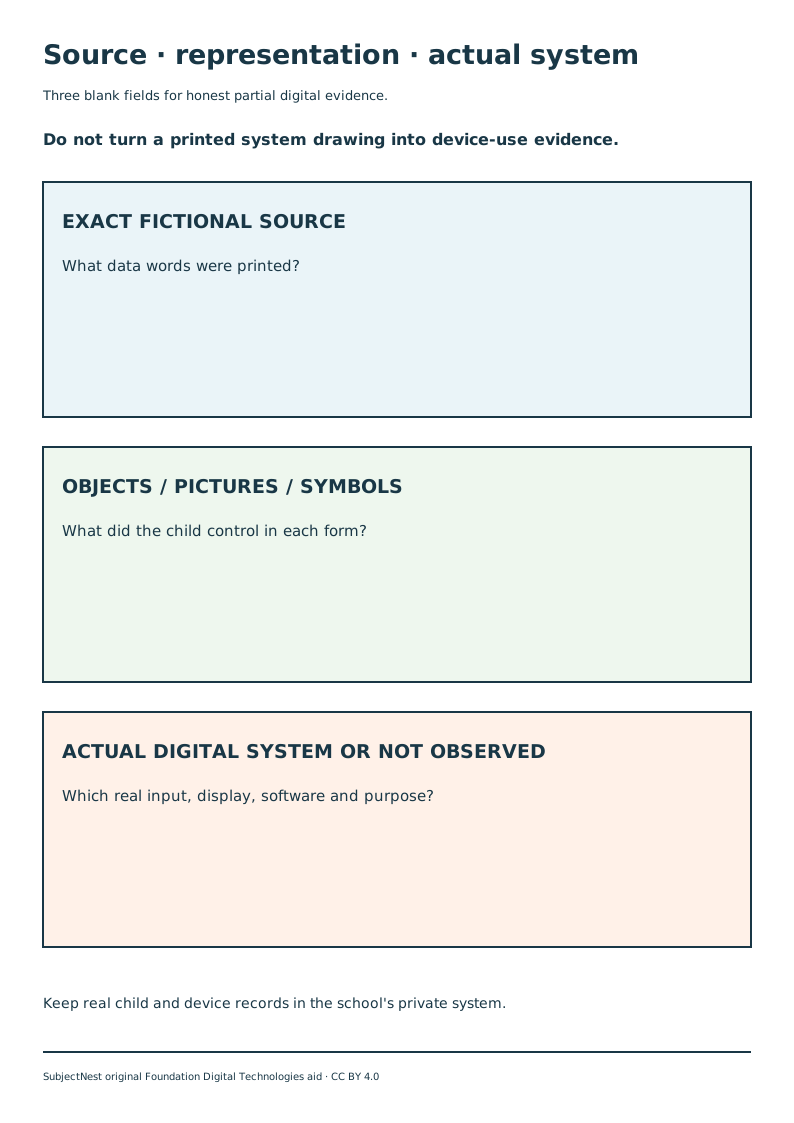
| Source/representation/system evidence mat (SVG) | Three broad blank top-to-bottom fields: EXACT FICTIONAL SOURCE; OBJECTS / PICTURES / SYMBOLS; ACTUAL DIGITAL SYSTEM OR NOT OBSERVED. Prompts ask for exact data, child-controlled forms and real input/display/software/purpose if any. | Three large raised regions. Leave the third NOT OBSERVED when only paper, a printed device drawing or an adult demonstration was used. |
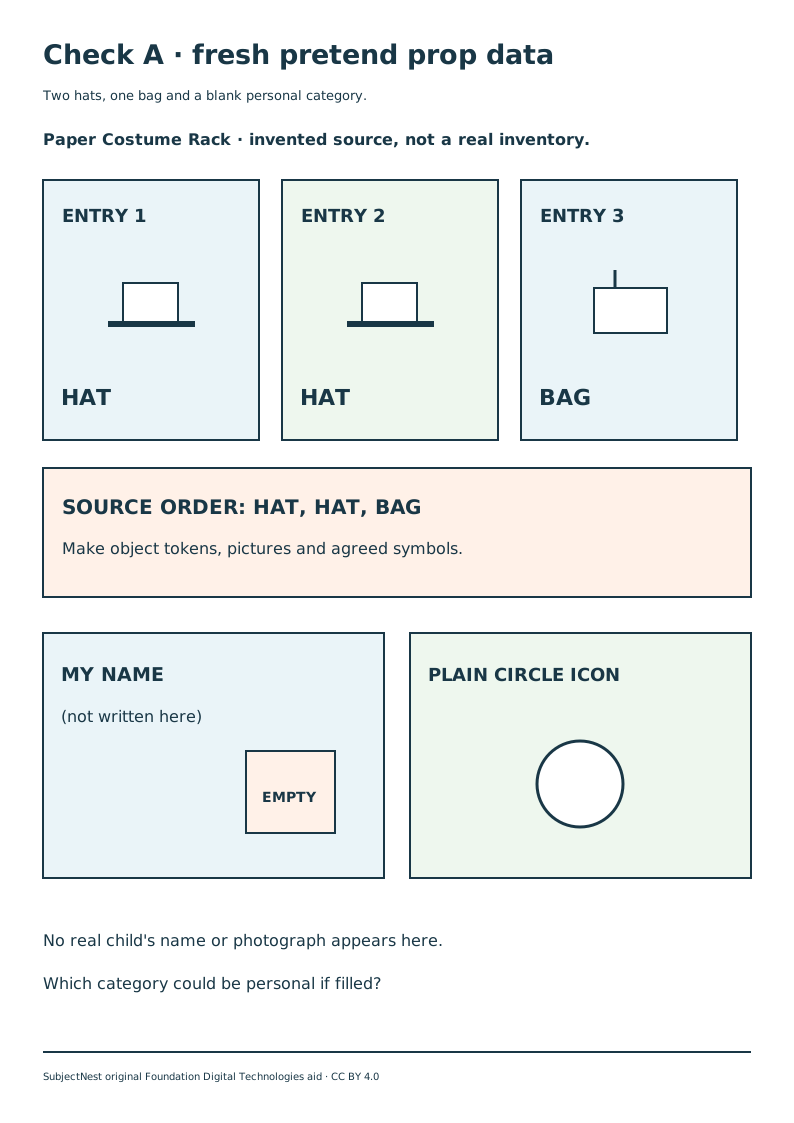
| Check A fresh rack (SVG) | New Paper Costume Rack, fictional. Three numbered left-to-right source entries: HAT, HAT, BAG, with original hat/hat/bag outlines. Bottom-left blank MY NAME (not written here) card; bottom-right PLAIN CIRCLE ICON card. No real child's name/photograph is on the sheet. | Three new broad source slots, two HAT and one BAG, plus two separate large category cards. Keep HAT/BAG values unprompted in routine practice until first check response. |
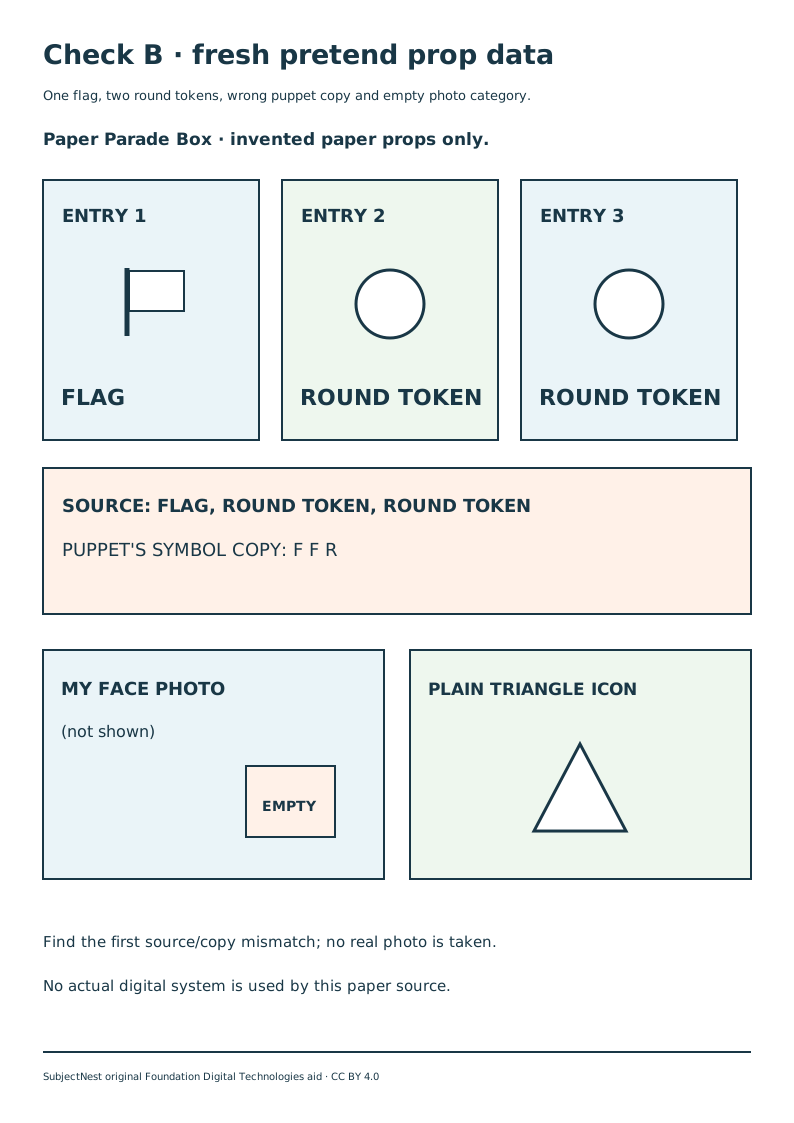
| Check B fresh props (SVG) | New Paper Parade Box, fictional. Three numbered left-to-right source entries: FLAG, ROUND TOKEN, ROUND TOKEN, with original flag/circle outlines. Puppet's printed symbol copy is F F R. Bottom-left blank MY FACE PHOTO (not shown); bottom-right PLAIN TRIANGLE ICON. No real photo is taken. | Three broad source slots and a separate wrong-copy strip; child can locate the first mismatch by touch/point/AAC. Photo placeholder remains empty. |
Assessment and digital boundary: Both fresh source sheets and the teacher key are public; collect first child-controlled responses before feedback. Paper representation can sample K02 and category reasoning can sample P01. None of these pages proves use/exploration of a real digital system under K01. The interactive paper equivalent gives the same representation task without a screen.