These A4 pages depict the scene relationships, with words as support. Print at actual size or use the exact text/tactile alternatives. Use broad fixed cards; no small loose parts. A neutral adult moves an item only as the child directs. Each scene is an invented paper fiction, not an existing play or community story. A child may choose a quiet route or pass; no prop touch, sound, role disclosure or performance is required.
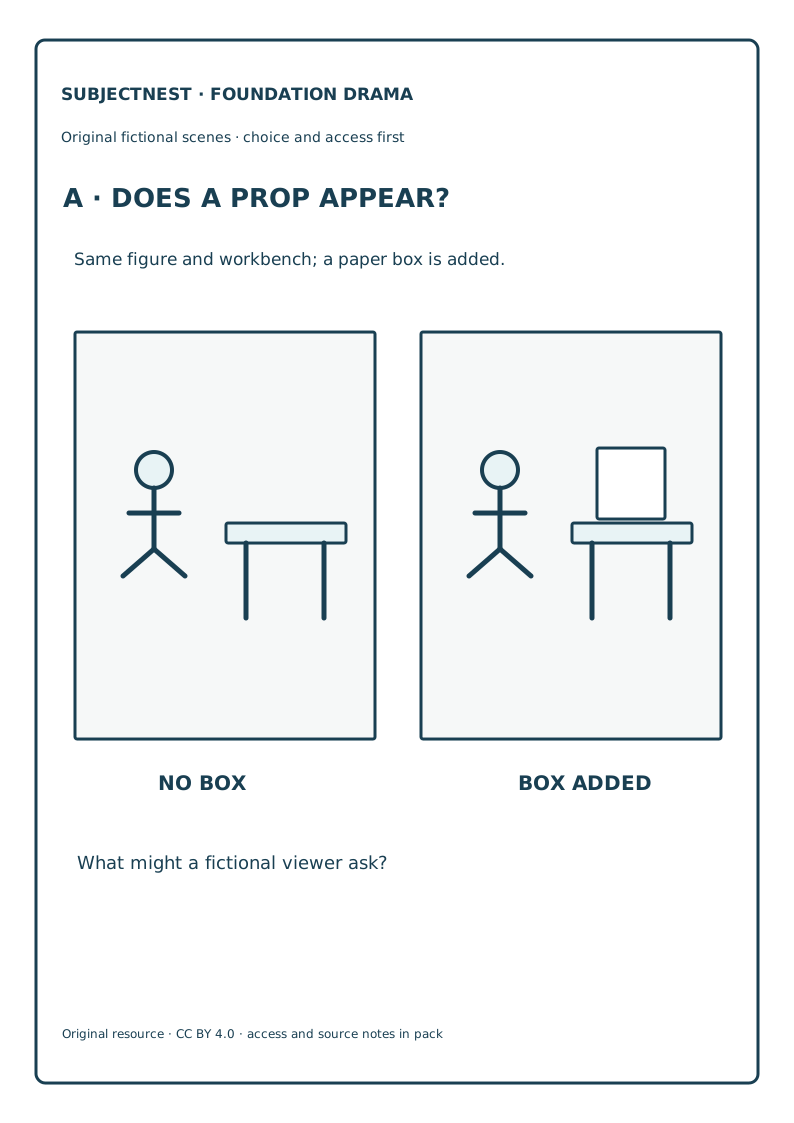
A · Prop present or absent
SVG · PDF. Two equal stage pictures keep a neutral figure and workbench fixed. The first has an empty bench; the second visibly adds a closed square paper box. Ask what changed and what a fictional viewer might ask. No actual audience response is asserted.
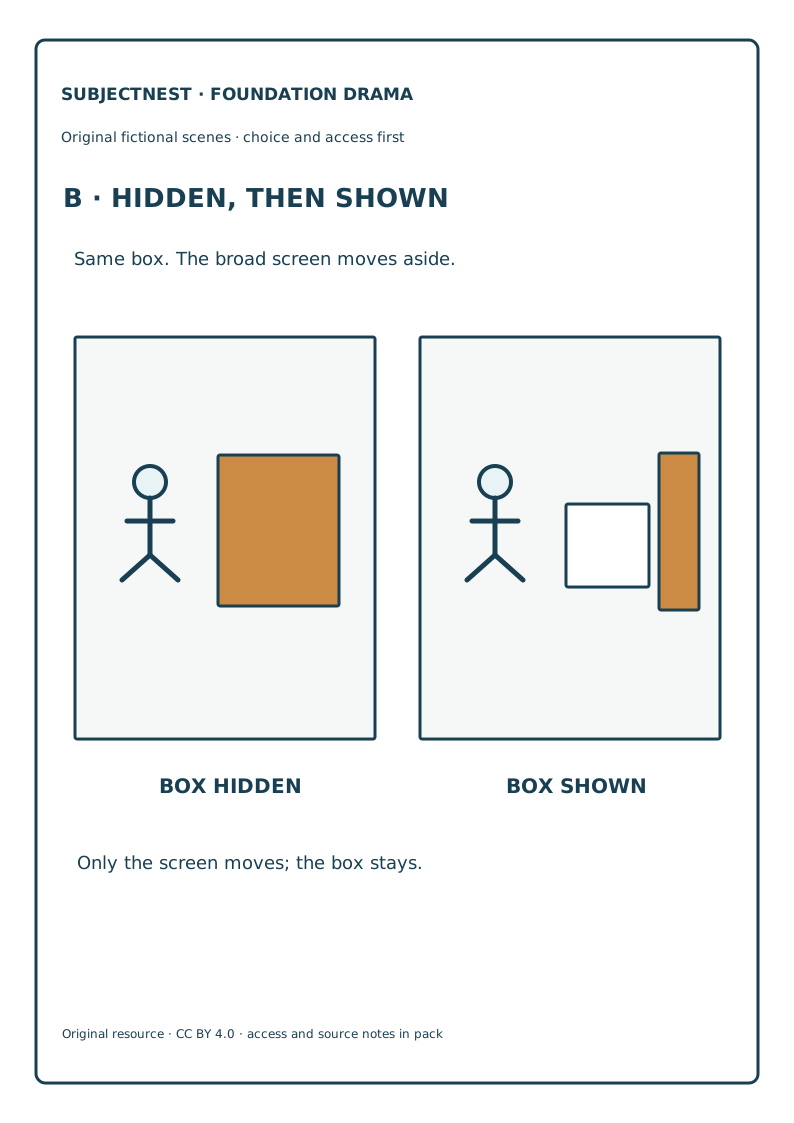
B · A screen can change what is shown
SVG · PDF. The broad screen covers the same box in one picture and slides aside in another. The box is not removed; only visibility changes. Use a fixed opaque card for a tactile/directing version. Never hide a child's personal item.
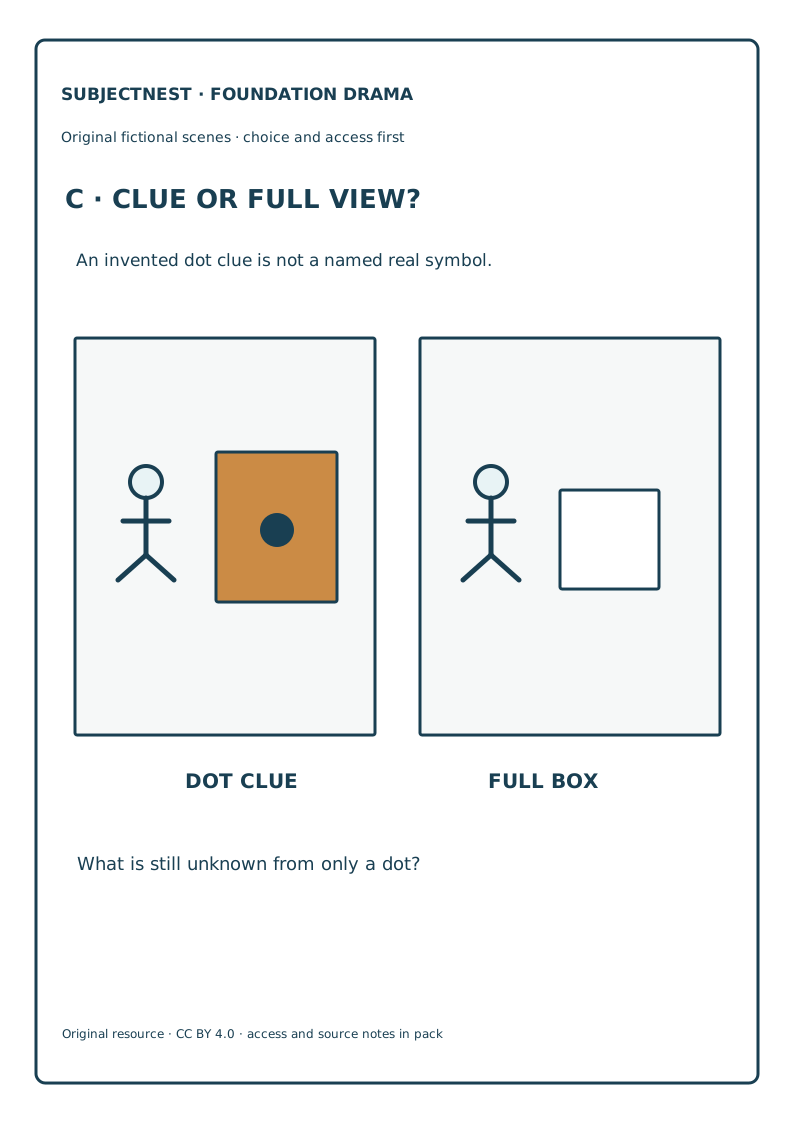
C · A clue can leave a question
SVG · PDF. A bold single dot on a broad screen is shown beside a full neutral square box. The dot is an invented clue, not a symbol with a known meaning. Ask what information each fictional scene gives, without telling the child how an audience must feel.
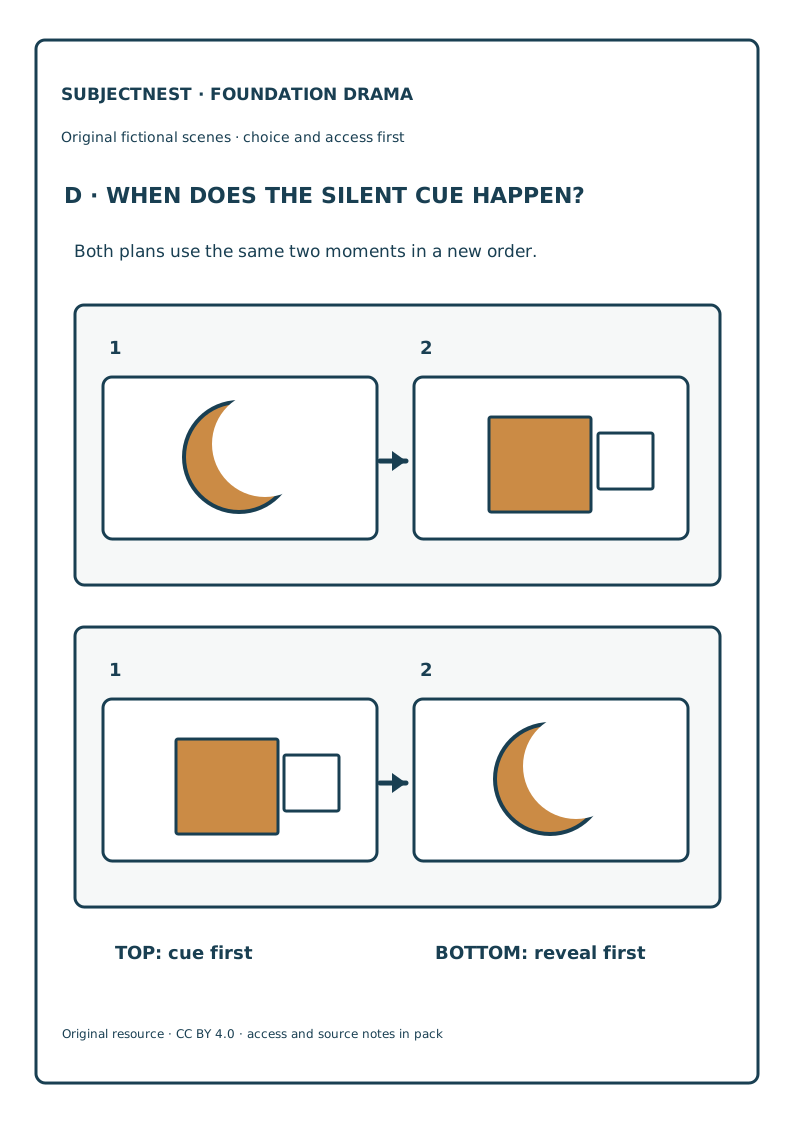
D · A silent cue can change timing
SVG · PDF. Two visible numbered two-box scores: a neutral crescent cue card BEFORE screen reveal, then the same two cards in reverse order. No sudden light, bell, sound or startle is part of the page. Child may make a third order choice.
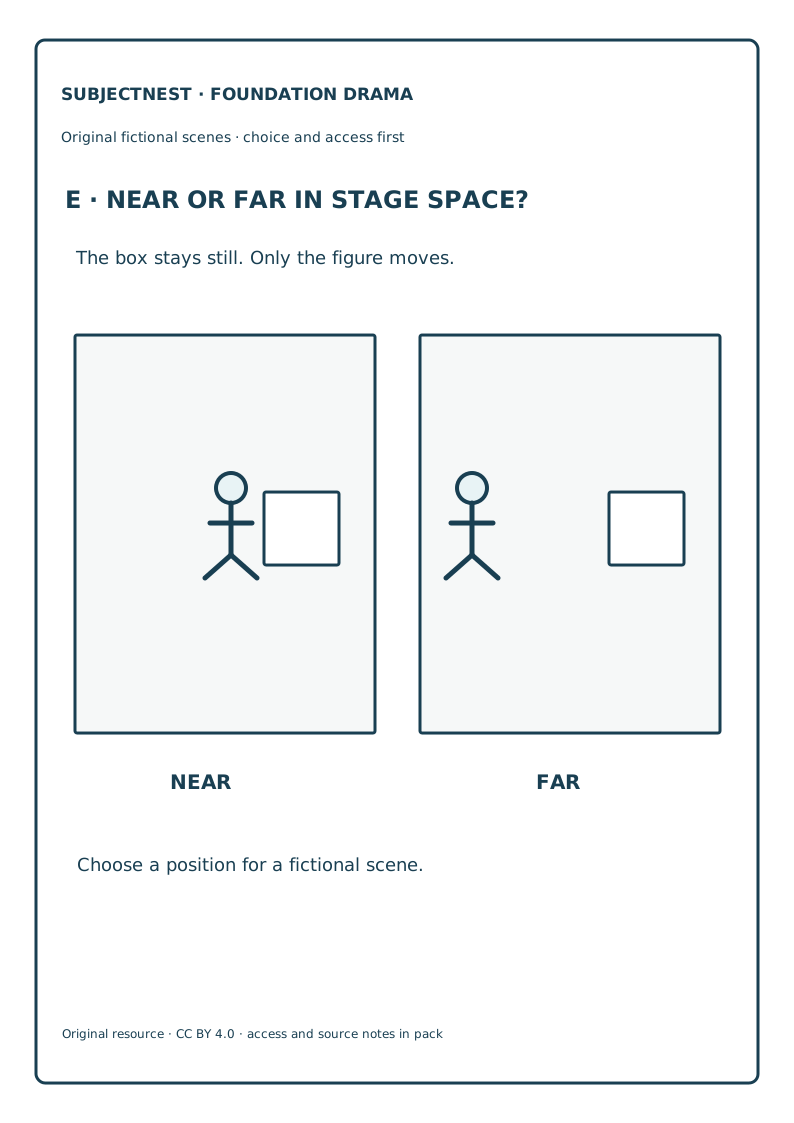
E · Distance is a scene choice
SVG · PDF. In two equal stage maps the box stays fixed; paper figure is near it in one and far in the other. The comparison is stage spacing, not a lesson on real interpersonal distance or safety.
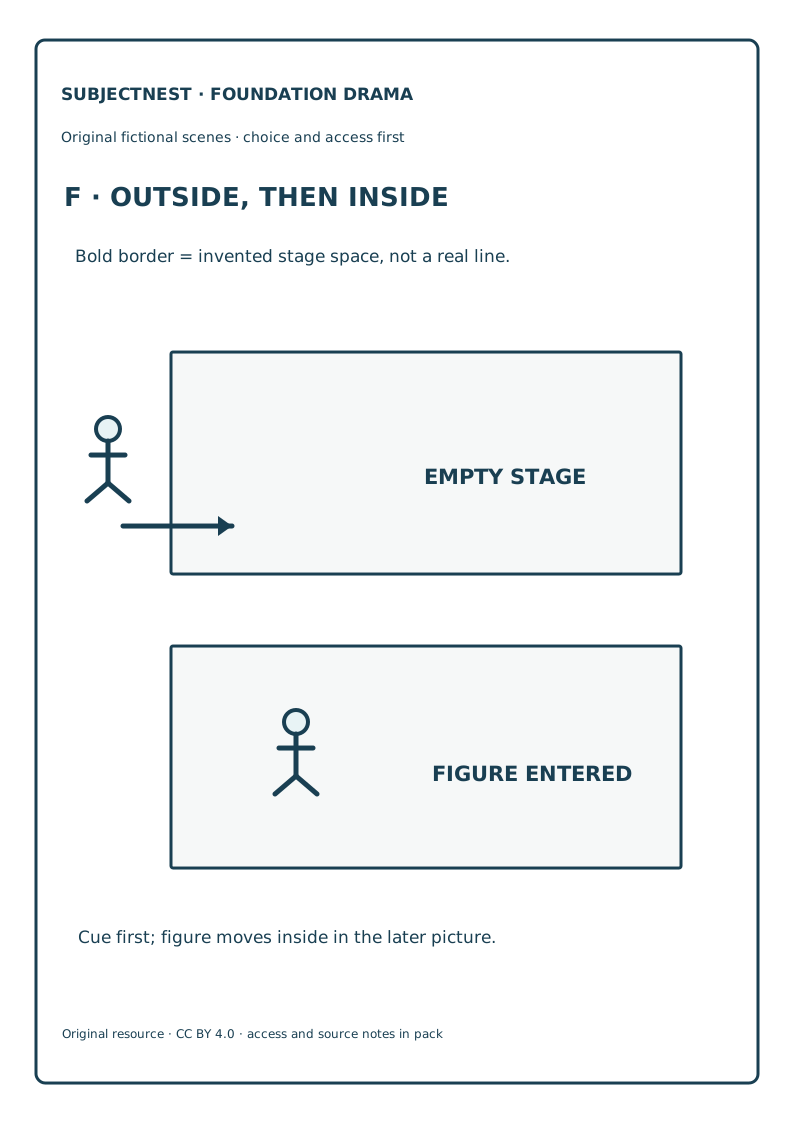
F · An entrance changes the scene
SVG · PDF. A bold border marks the fictional stage. A figure is visibly outside it, then inside it in a second panel after a broad arrow. The page shows a planned entrance, not child movement or an actual performance.
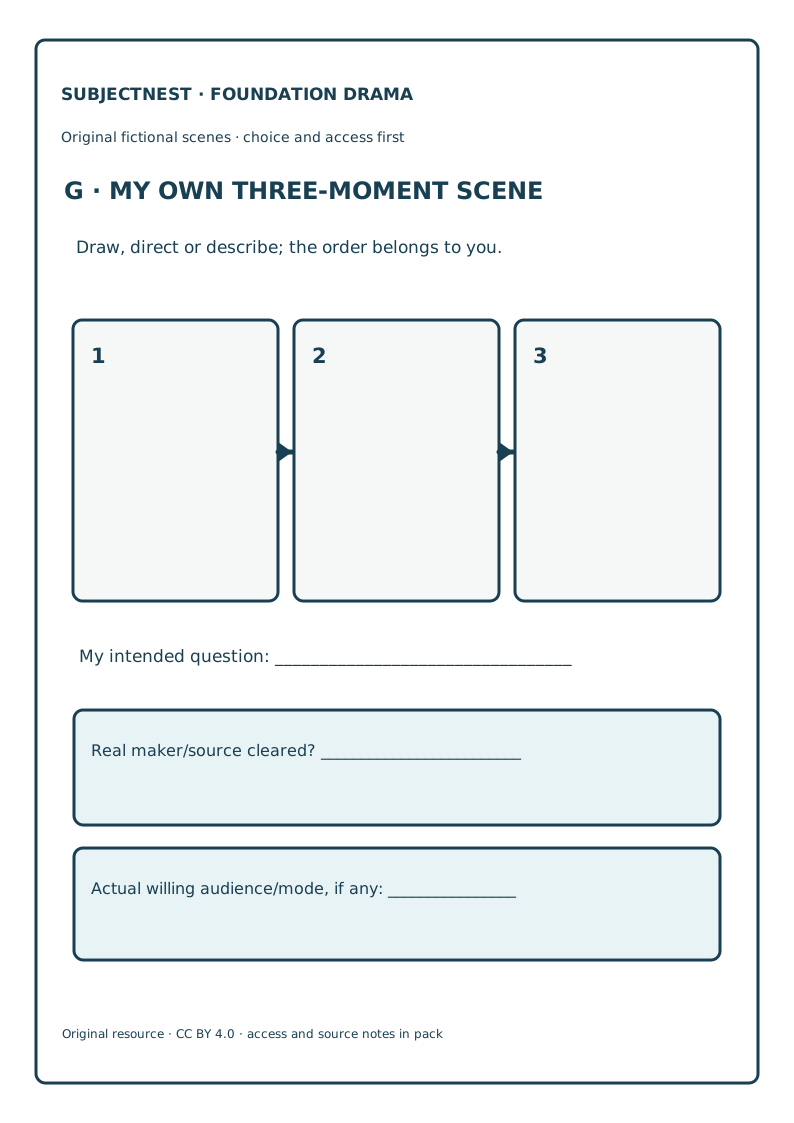
G · One original three-moment scene
SVG · PDF. Three large numbered boxes and separate fields for child's intended question, authorised real-source encounter and actual willing audience/mode. The source and audience fields remain blank until real events are observed. The child can devise a different order than the educator's model.
Safe opt-in enactment gate
Before enactment, the educator confirms local space, mobility and sensory access, physical safety, prop handling and a comfortable opt-out. Use only large, soft or paper props the school has cleared; no child-to-child touch, running, startling cue, darkening a room, high volume, surprise contact or filming is implied. The educator can enact a child-directed scene. If the child elects to enact, record the actual observed action and audience separately from the plan. Paper-only direction is not child performance. A puppet rehearsal, narrated score or pass cannot be retrospectively labelled child performance either. An audience must actually be present and willing before sharing evidence is recorded.