Proposed codes: AC9EFLA05, AC9EFLA07, AC9EFLA09, AC9EFLE02, AC9EFLY04, AC9EFLY05, AC9EFLY06, AC9EFLY07, AC9EFLY09, AC9EFLY10, AC9EFLY11, AC9EFLY13, AC9EFLY14.
Goal: Sample ay and standalone I transfer, a fresh word/image inference, a child-readable request and reason, and honest evidence about any real care action.
Prepare: ASSESSMENT.md, adult fiction D, covered fresh assessment view, held-out cards and blank response strip, private check roster.
- Set purpose · 2 min. Say “Show me what you can read and what we should practise next. You may use your usual response tools. I can repeat a direction.” Tell children fiction D is made up.
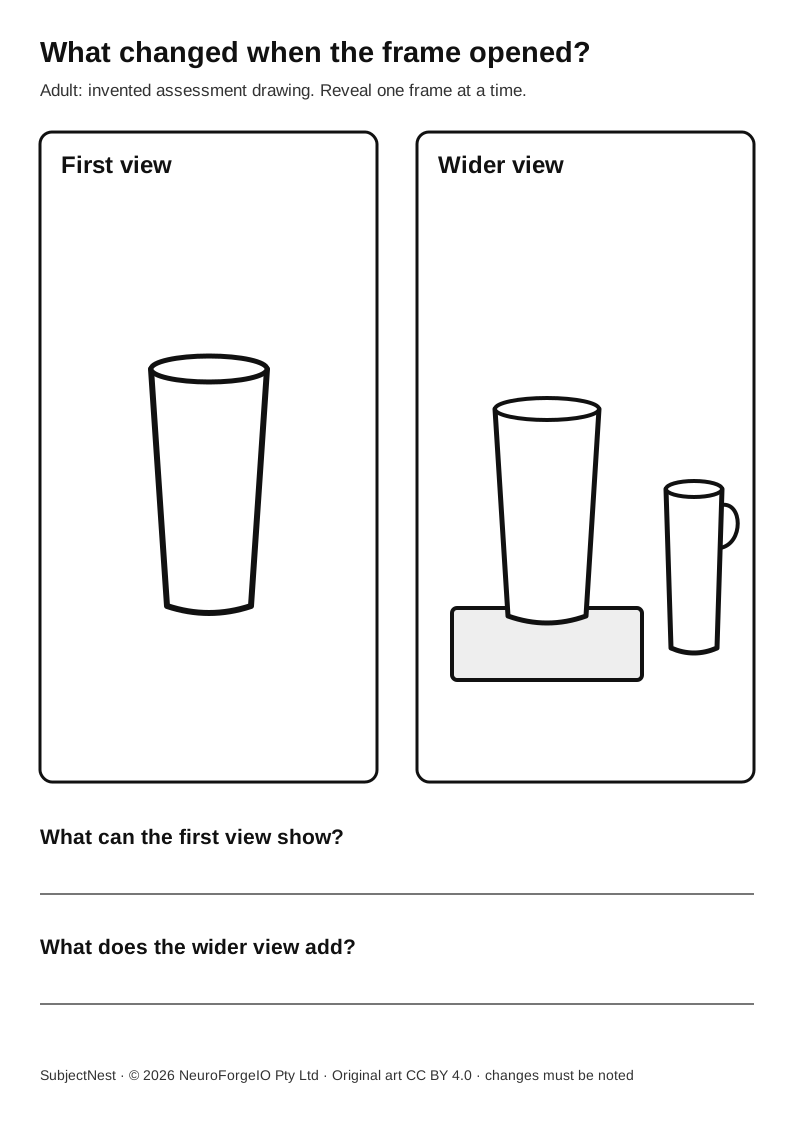
- Fresh listening and reveal · 5 min. Read fiction D twice with print hidden. Show its first frame/description, then wider frame/description. Ask what changed and what remains unknown. Save independent answers before a model.
- Oral sound and word boundary · 5 min. Give the exact spoken sound/rhyme items and the I/It/in contrast in assessment B. Record whether a child's response came from ear, print, AAC or a prompted choice.
- Fresh print · 5 min. Show the five reserved unseen words, fresh controlled caption and fresh question one at a time without pictures. Hear individual reading in private rotations; the class may do quiet independent drawing while the teacher samples. Record the first sound path, then compare the caption with the wider view.
- Encode and communicate · 6 min. Hide print and dictate two target words; then present the question/need strips and ask a learner to arrange and explain a request with reason. Invite a brief adult-spoken reason, source check and any true real care-action note. Record child writing separately from an adult scribe.
- Exit and next step · 2 min. Ask the learner to reread one ay word and standalone I, then name one next practice target. Give one specific observed strength. Complete the rubric after the block.
Feasible administration: This 25-minute class block gathers shared oral, viewing, spelling and composition evidence. Hear every learner's approximately seven-minute private print and meaning sample during Days 86–90 independent-work rotations or extend the window. A chorus, copied card or answer after a content hint is marked accordingly. A missing accessible check remains not observed, not zero. The English assessment does not certify mathematics map paths, HASS place care, media arts or a full Foundation year.
Access routes: live adult text or locally made recording with transcript, plain/large/tactile cards, exact staged image descriptions/raised shapes, quiet private check, AAC/sign/pointing/typing/drawing and child-directed adult placement. Agree any modified phoneme evidence route with learner/family/specialist where necessary. Keep child evidence private.