The paper score uses equal numbered slots. X = one short sound made or imagined at that slot; – = a rest with no sound. A LONG card lasts for two equal slots, while SHORT lasts for one. LOW and HIGH label relative pitch options in our original tones, not vocal demands or judgments of hearing. These are invented graphic symbols, not formal Western notation or any cultural rhythm. Every child may direct a neutral adult, use tactile/visual cards or make optional locally suitable sound. Do not place speakers near ears; keep any cue comfortably low and stop if unwanted. Small loose parts are not necessary: use broad paper cards.
Reusable kit: A three-slot sound/rest board, B shifted-rest board, C long/short board, D low/high board, E six-slot pattern board, F choice/share log. Exact text and tactile directions are in print alternatives. Four optional original WAVs and equal-interval no-audio routes are in the audio index.
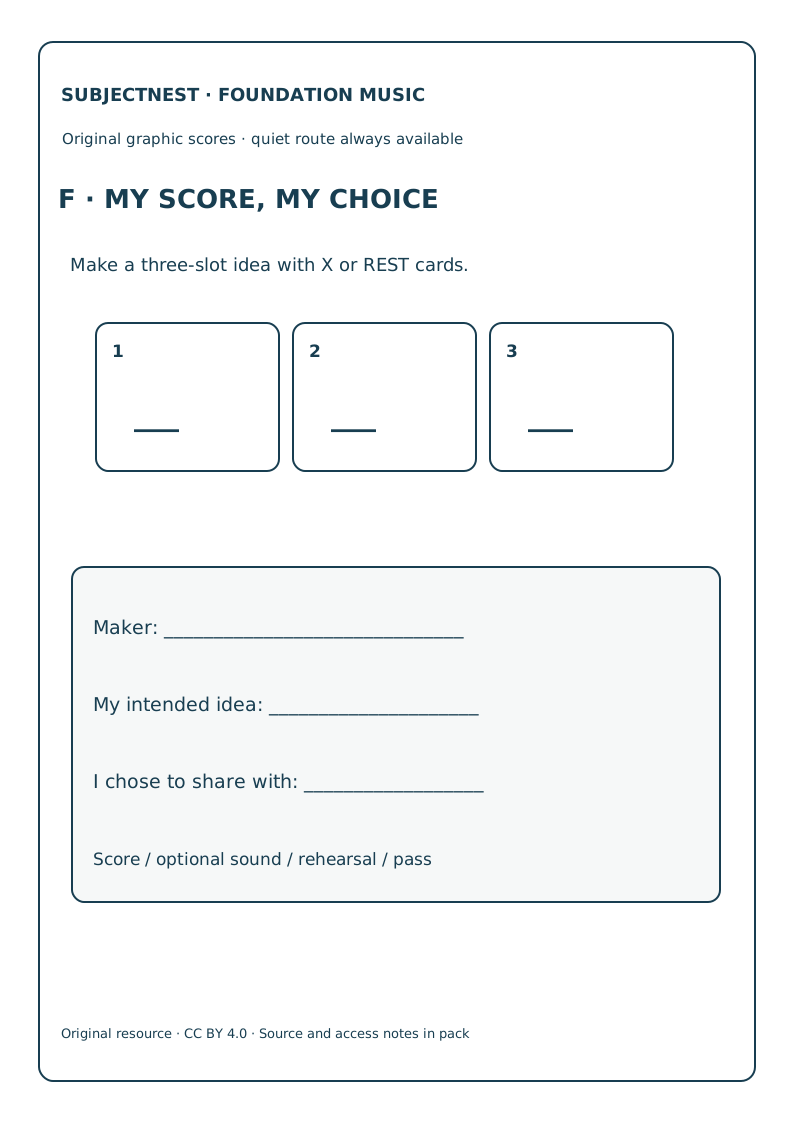
Practice A–F · hold fresh G/H until check days
A · Three equal sound slots
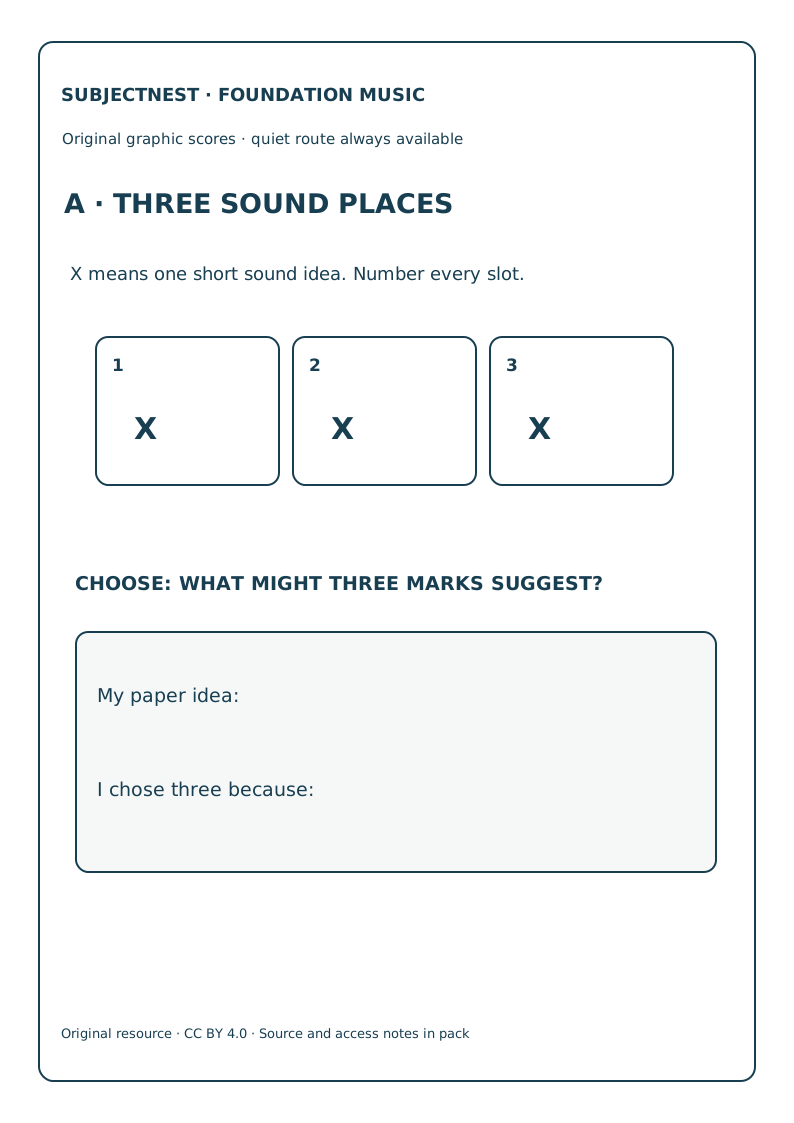
1 X, 2 X, 3 X. Three short marks at equal intervals. Fictional purpose: give a paper visitor three gentle signals that a display is open. Use original cue A, an adult's suitable taps, or numbered cards. Nothing here is a song or a real public signal.
B · A rest in the middle
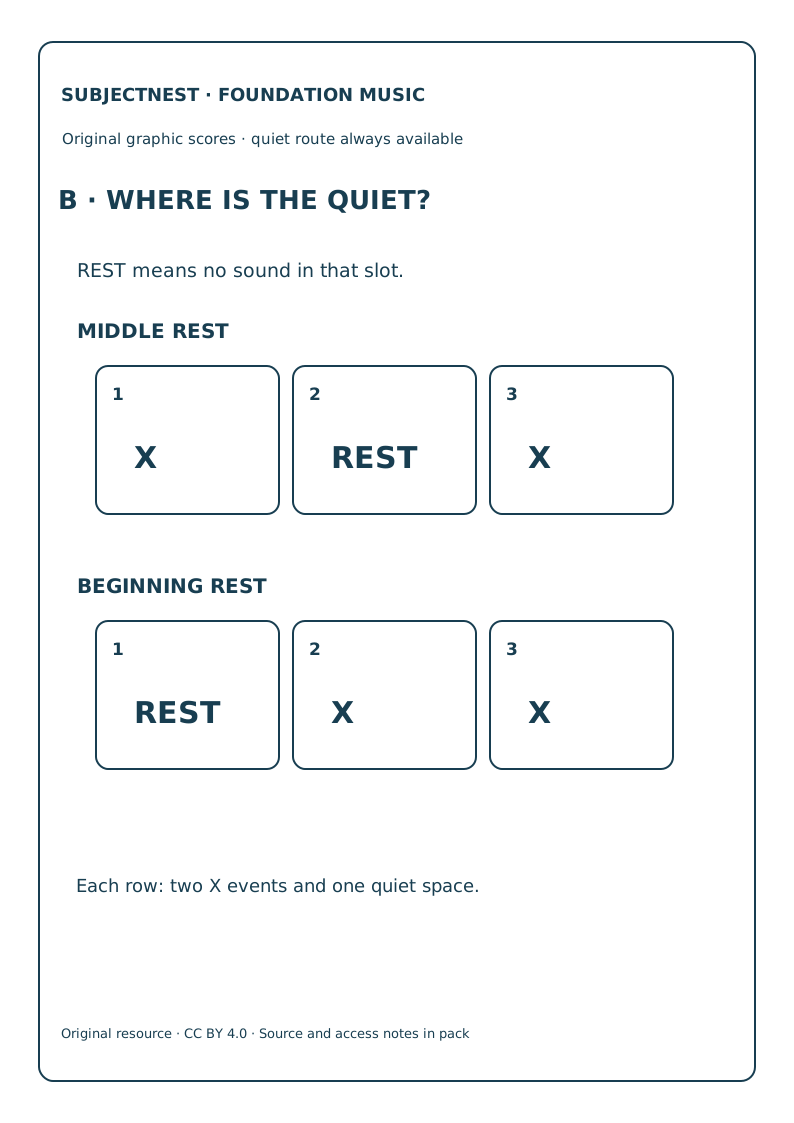
1 X, 2 – , 3 X. A rests-without-sound middle slot creates a gap. Compare A's X X X; count 2 changes only. Use original cue B or large/rest tactile cards. The child can choose a gap for a fictional “wait, then continue” paper story.
C · Move the rest
1 – , 2 X, 3 X versus B's X, –, X. Both have two sound events and one rest. Only the place of the rest changes. For a fictional door model, a beginning rest may make the signal start after a pause. This is a purpose claim, not an observed listener reaction.
D · Long then short
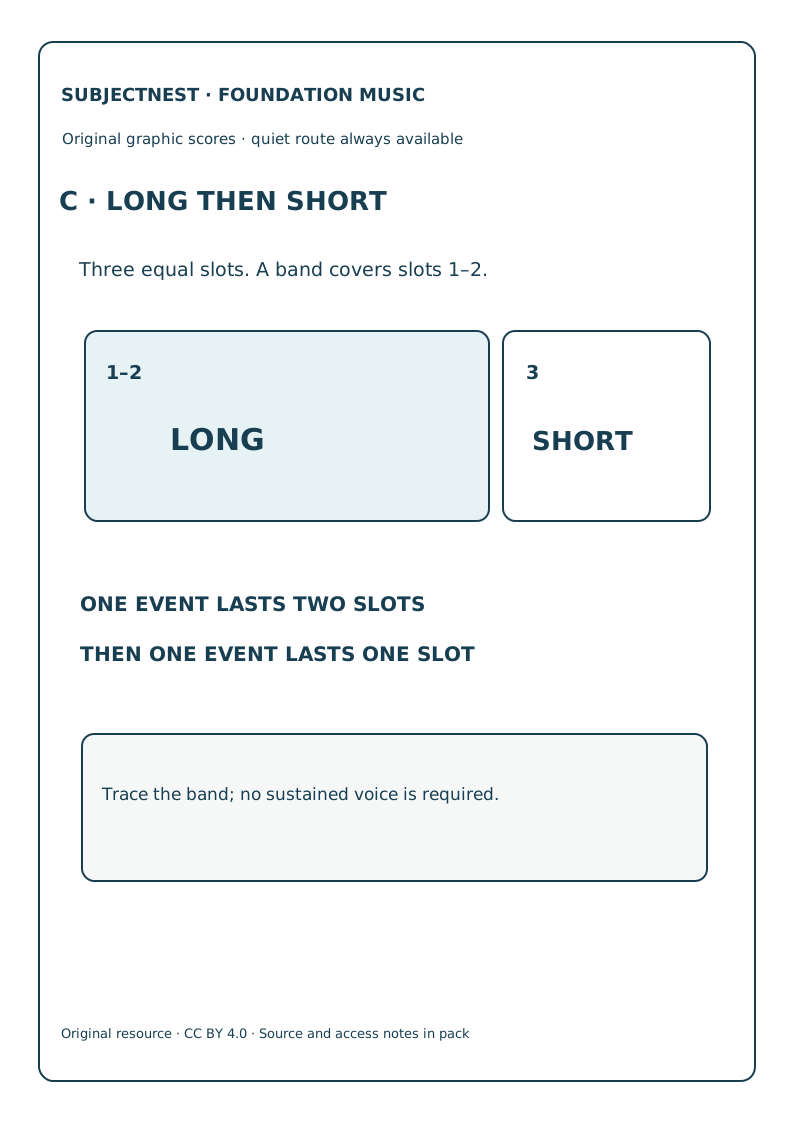
On three equal slots: LONG across 1–2; SHORT at 3. The long sound lasts two slots; the short sound lasts one. Compare three shorts A. Use original cue C or one two-slot tactile band plus one short card. Do not ask a child to hold their breath or sustain a voice.
E · Low then high labels
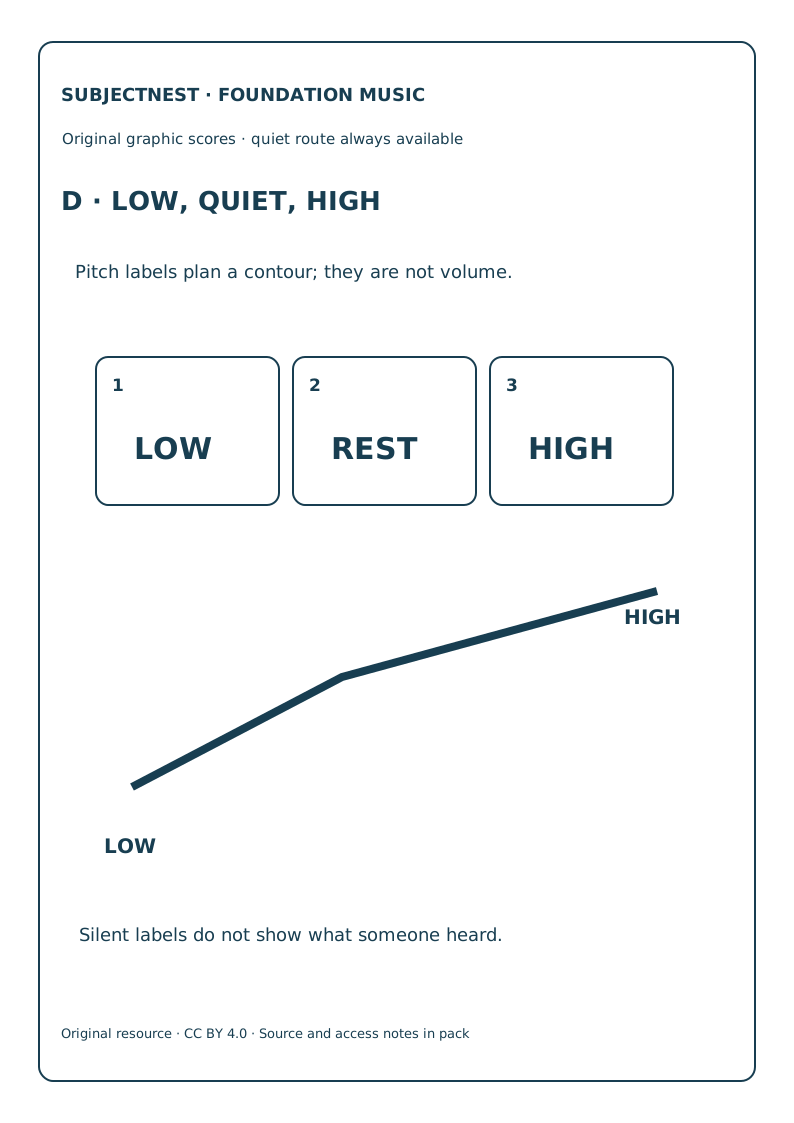
1 LOW, 2 REST, 3 HIGH with original cue D if wanted. The generated low tone is 220 Hz, high tone 440 Hz; both are short and the second has double the first's frequency. A silent card route can design that contour but cannot show that a learner heard the pitch contrast. Avoid asking children to strain voices to copy tones.
F · Repeat or contrast a three-slot idea
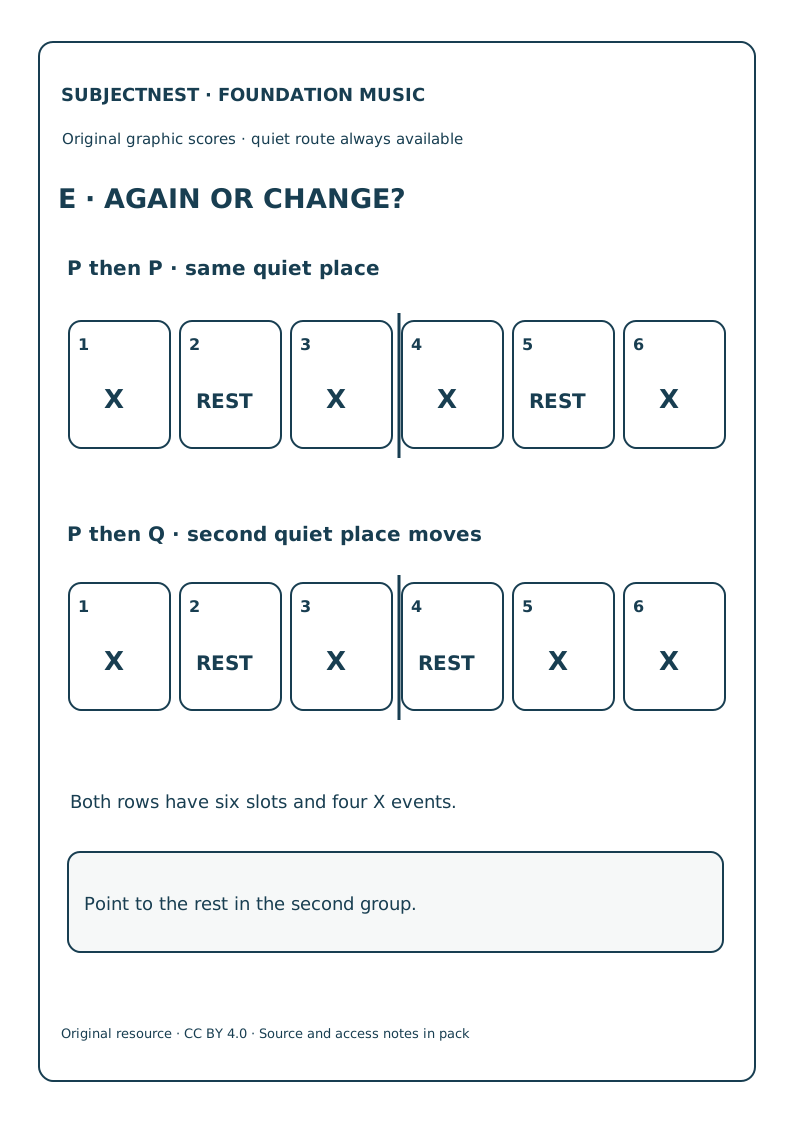
P = B's X – X; Q = C's – X X. Six slots P then P = X – X / X – X repeat the gap place. P then Q = X – X / – X X move the second gap. The two versions each have six equal slots and four sound events. A child can choose one for a fictional two-page story and explain where the silence goes.
Fresh G/H are new public check scores in student checks. Their answers are in teacher/; do not rehearse their exact pattern before first response. The local educator selects any suitable sound source or stays silent; no student voice, family song or third-party recording is required.