Offer the three same-target routes before each start. Numbered cards, a neutral adult scribe and exact print alternatives are always available. Locally approved sound is optional, low and comfortable. A child may stop, pass or change route. Silent scoring can show a musical idea, but it cannot show hearing, singing or instrumental control. Keep authentic music encounters, sharing consent and source permission under the source slot. Each script totals 3 + 4 + 5 + 7 + 4 + 2 = 25 minutes.
Week 1 · Day 1 · Three places for sound
Target/codes: make a three-slot sound idea and explain one possible fictional purpose; AC9AMUFD01, AC9AMUFC01. Prepare: A board, broad X cards, A.
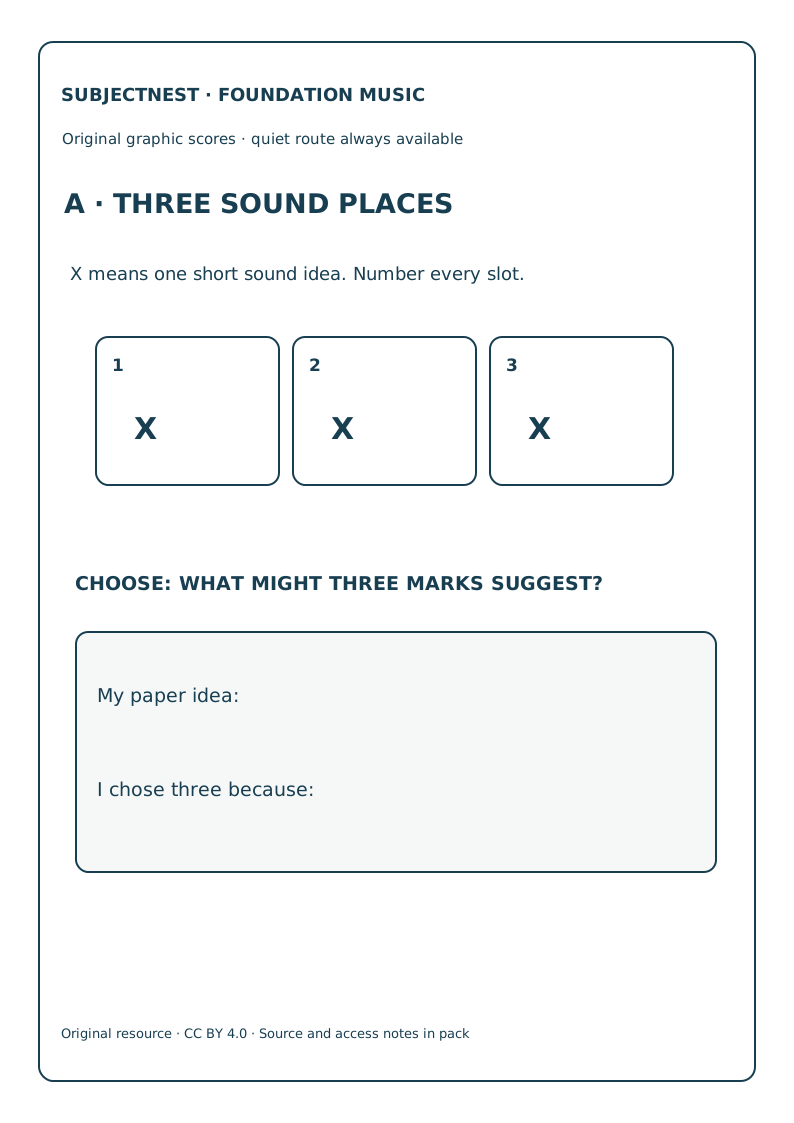
- Welcome · 3 min. Show three large numbered spaces. Say that the spaces help us decide when a sound could happen; no child must make it.
- Model · 4 min. Place X in 1, 2 and 3 at equal visual intervals. Point slowly to each, optionally using the quiet A cue (playback review held). Explain that three gentle signals could open a fictional paper display.
- Try together · 5 min. Invite a learner to direct X cards into the slots. Count all three, even without a sound source. An adult moves cards only as directed.
- Child choice · 7 min. Child chooses a paper visitor, plant or toy as a fictional receiver and shows an original three-slot idea by sound, card or drawing. Record the child's stated purpose, not a guessed audience reaction.
- Notice · 4 min. Ask “Where are the three sound places?” Check the same three numbered slots are visible, regardless of route.
- Close · 2 min. Save the score and a child reason. Tomorrow one slot can be silent.
Week 1 · Day 2 · A gap has a place
Target/codes: compare X X X with X – X and identify the single changed slot; AC9AMUFD01, AC9AMUFC01. Prepare: A board, B, rest card.
- Welcome · 3 min. Revisit three slots. Show
X X XandX – Xwithout describing one as better. - Model · 4 min. Put a REST card over count 2. A quiet B cue (playback review held), tabletop taps or card points can mark counts 1 and 3.
- Try together · 5 min. Ask which count changed and which held. A child may point, use AAC, direct an adult or give no vocal response.
- Child choice · 7 min. Child designs a “wait, then continue” idea for a fictional paper notice using the middle rest or chooses three sounds and gives a purpose.
- Notice · 4 min. Count the sound and rest cards. Do not claim that a listener actually understood the intended message.
- Close · 2 min. Store both versions; tomorrow the quiet space can move.
Week 1 · Day 3 · Move the quiet space
Target/codes: move the one rest from the middle to the start while retaining two X events; AC9AMUFD01, AC9AMUFC01. Prepare: B shifted-rest board, B/C.
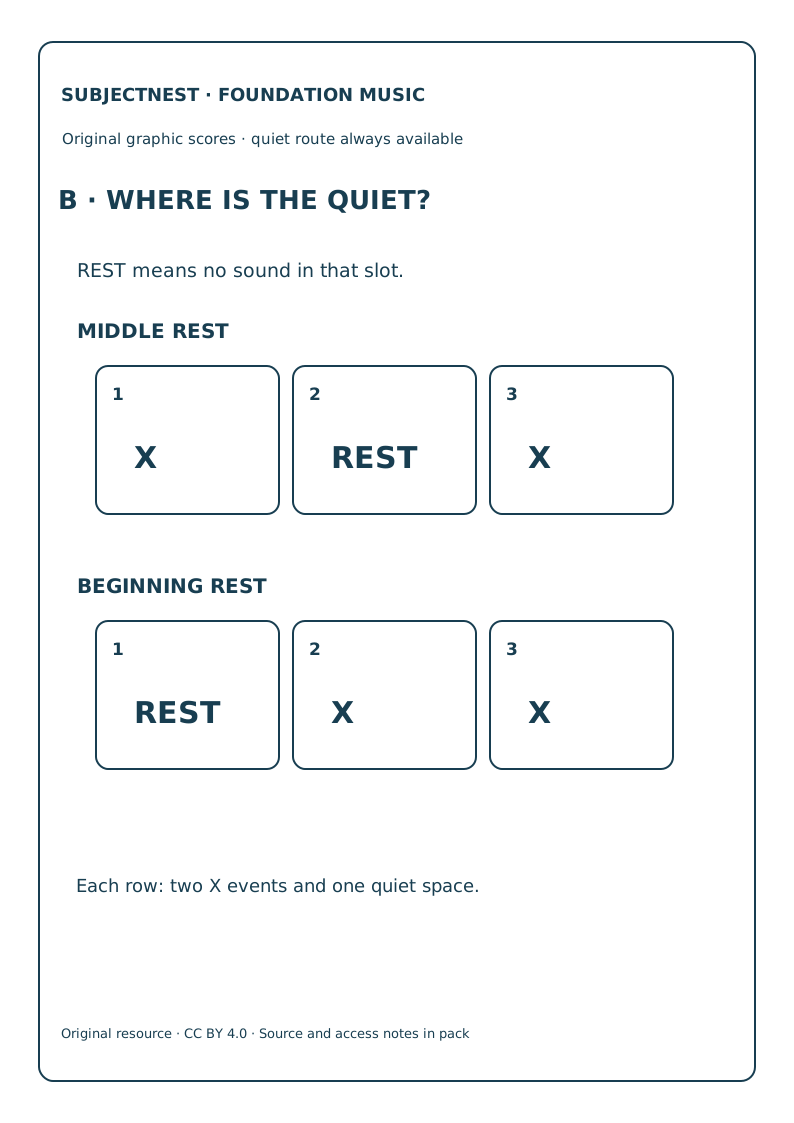
- Welcome · 3 min. Point to B's middle gap. Invite “What if the quiet comes first?” as a paper choice.
- Model · 4 min. Replace
X – Xwith– X X. Count two X cards and one rest in each version. - Try together · 5 min. Ask a child to direct only the cards that move. Name count 1 and 2 as changed; the rest position changes, while count 3 stays X.
- Child choice · 7 min. Child selects a beginning or middle rest for a fictional model door and explains a possible difference. Sound-making remains optional.
- Notice · 4 min. Ask “How many sounds in each?” Check two; a different placement can serve a different purpose.
- Close · 2 min. Keep the child's two-row comparison for future pattern work.
Week 1 · Day 4 · A sound can cover two slots
Target/codes: distinguish one LONG two-slot event followed by one SHORT one-slot event from three short events; AC9AMUFD01, AC9AMUFC01. Prepare: C duration board, D.
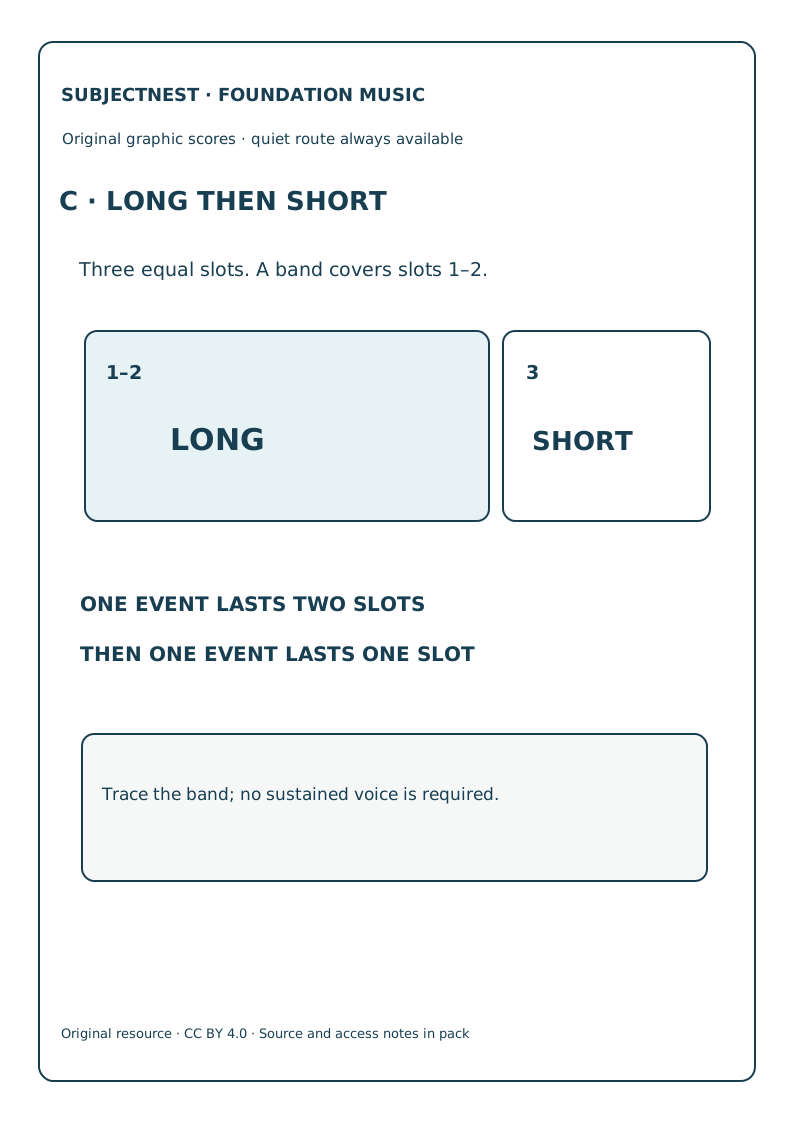
- Welcome · 3 min. Put a broad paper band over spaces 1 and 2. No breath-holding or sustained voice is needed.
- Model · 4 min. Label the band LONG, a one-space card SHORT. Optionally play cue C (playback review held) at comfortable volume.
- Try together · 5 min. Compare with A's three X marks. Ask whether the two-slot band is one event or two: one event lasting two slots.
- Child choice · 7 min. Child chooses long-then-short or three shorts for a fictional lift model and states how the first event changed.
- Notice · 4 min. Point across all three slots. Do not equate paper duration knowledge with reliable sound production.
- Close · 2 min. Save the score and duration words for a later listening opportunity.
Week 1 · Day 5 · Fresh Check A: the paper greenhouse
Target/codes: independently read a new three-slot score and change one quiet slot for a stated fictional idea; AC9AMUFD01, AC9AMUFC01. Prepare: G public check, G A4 sheet, large cards. Keep the separate teacher key closed until first responses.
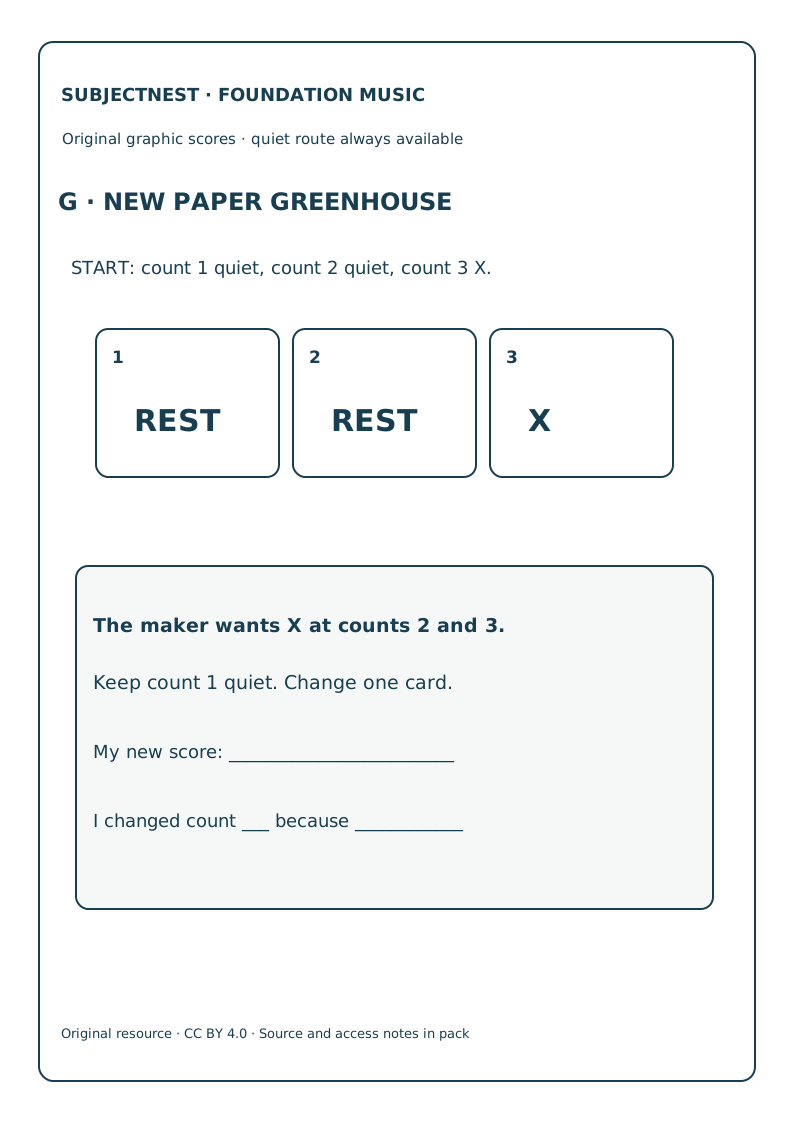
- Welcome · 3 min. Describe a new paper puzzle that guides tomorrow's teaching. It is not a hearing or performance test.
- Access · 4 min. Present the exact starting
– – Xneutrally by read-aloud, broad cards or tactile sequence. Do not point to the desired change. - Independent plan · 5 min. Child chooses a count to change so a fictional paper greenhouse has sounds at counts 2 and 3.
- Child response · 7 min. Child shows the revised score by a chosen route and gives a reason. A neutral adult records the first choice verbatim.
- Self-check · 4 min. Invite the child to count three spaces and mark the changed space. Do not supply the answer in the prompt.
- Close · 2 min. Save the first response; consult teacher key afterward. Day 5 swaps use other source rows.
Week 2 · Day 6 · Low, quiet, high
Target/codes: compose a labelled low–rest–high contour and distinguish a pitch label from a volume instruction; AC9AMUFD01, AC9AMUFC01. Prepare: D contour board, E.
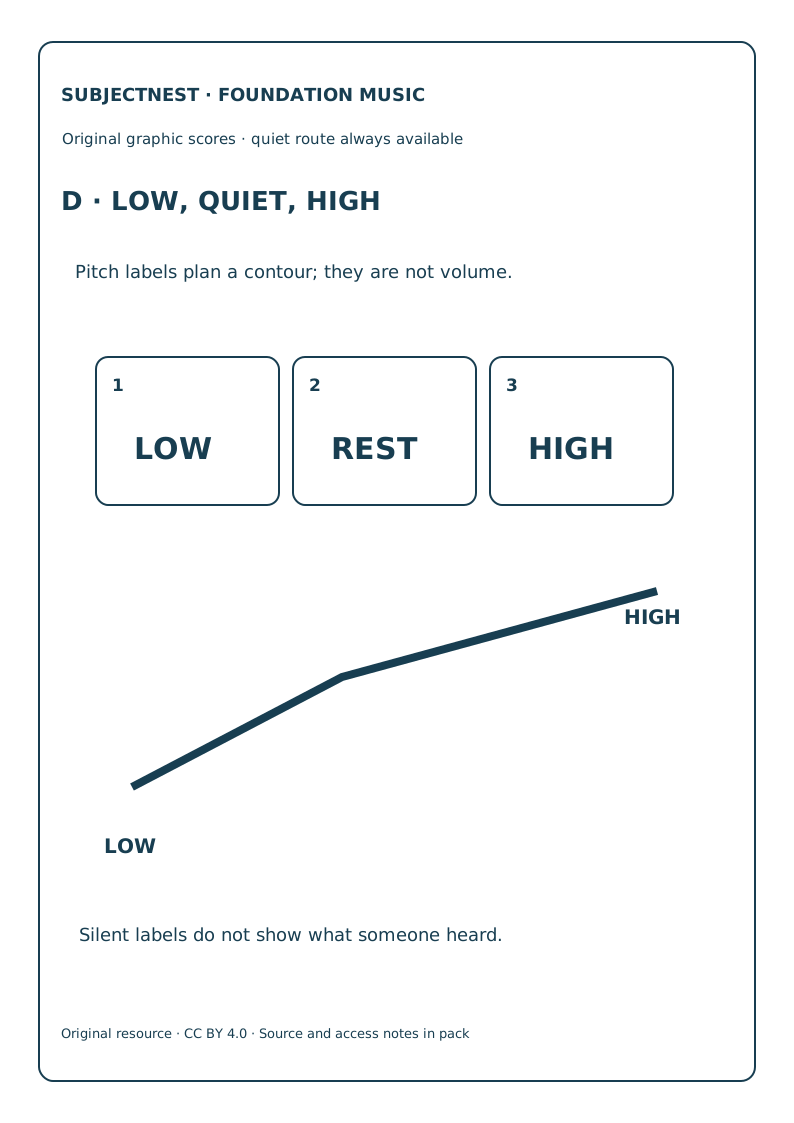
- Welcome · 3 min. Show LOW and HIGH on a picture slope. These are relative pitch labels, not “soft/loud” or a demand to sing.
- Model · 4 min. Place LOW at 1, REST at 2, HIGH at 3. Offer the quiet original cue D (playback review held) only by consent; the board works without it.
- Try together · 5 min. Ask which slot is silent and which label is higher on the picture. Do not infer hearing from a card answer.
- Child choice · 7 min. Child makes a low-to-high or high-to-low labelled idea for a fictional elevator drawing and shows the change with cards, marks or suitable sound.
- Notice · 4 min. Check the contour labels and child's reason. A later educator-observed listening/playing route is needed for aural evidence.
- Close · 2 min. Save both labelled possibilities without judging voice range.
Week 2 · Day 7 · Choose a safe sound source
Target/codes: keep X – X while choosing and describing a locally suitable source for X; AC9AMUFD01, AC9AMUFC01. Prepare: A board, broad paper TAP/TONE/SILENT SYMBOL cards, B.
- Welcome · 3 min. Say the two X places can be represented by a paper tap mark, a tone label or optional gentle approved sound. Silence at 2 stays.
- Model · 4 min. Adult shows two versions on paper:
TAP – TAPandTONE – TONE. If suitable, demonstrate quiet table tap and original tone cue, separately; ask consent first. - Try together · 5 min. Ask what stayed (sound/rest timing) and what could change (source or sound quality). Silent labels name an intended quality, not a heard result.
- Child choice · 7 min. Child selects a source or symbol for a fictional paper gallery and directs two events and a middle rest. No object striking is required.
- Notice · 4 min. Record chosen source and purpose. Avoid claims that one timbre is preferred by a cultural group or a real audience.
- Close · 2 min. Keep the choice; tomorrow a three-slot idea can happen twice.
Week 2 · Day 8 · Again, or a second idea?
Target/codes: choose P then P or P then Q across six slots, identifying repeat or changed rest place; AC9AMUFD01, AC9AMUFC01. Prepare: E pattern board, F.
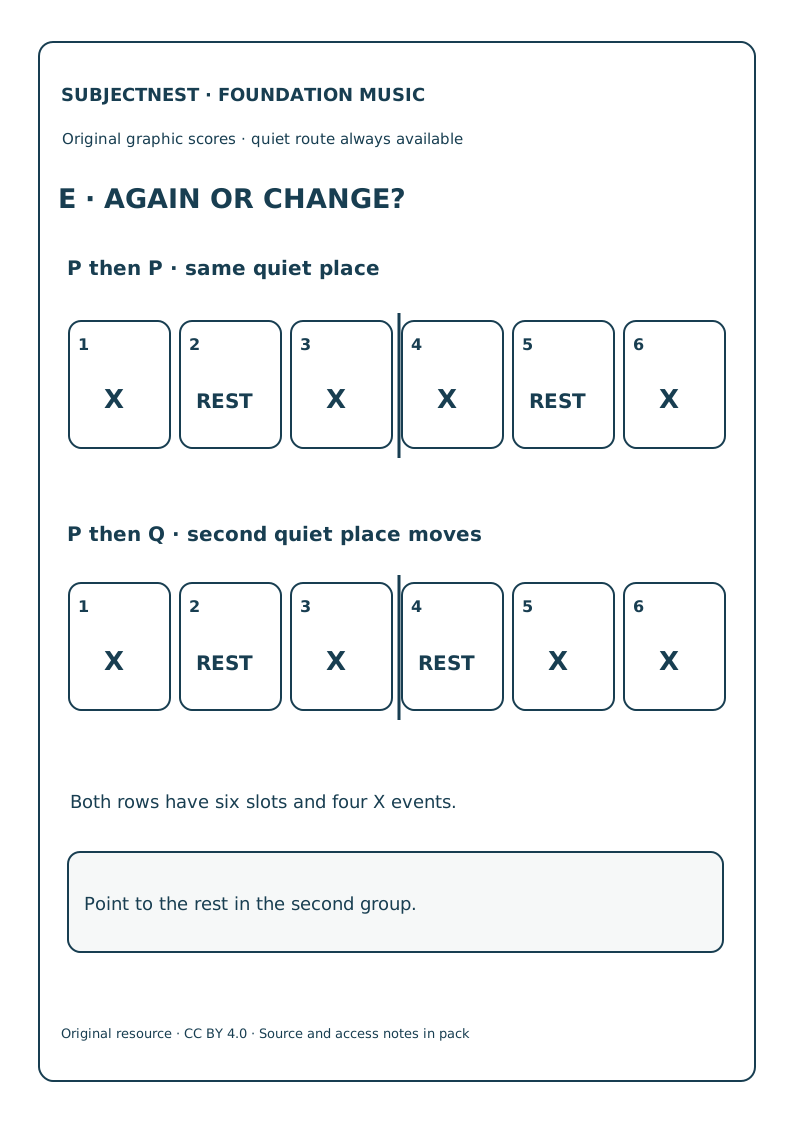
- Welcome · 3 min. Show two rows of three numbered boxes; no child has to play six sounds.
- Model · 4 min. Build P
X – X, repeat P, then make Q– X Xin row two. Point to the second row's rest. - Try together · 5 min. Count four X marks in both six-slot versions. Ask whether the second row is the same or different.
- Child choice · 7 min. Child scores a fictional two-page garden story with repeat or contrast and explains how that choice fits their intended story.
- Notice · 4 min. Check six slots and four X marks; support any coherent child alternative if the reason and score agree.
- Close · 2 min. Save the chosen pair to consider as an original shareable idea.
Week 2 · Day 9 · My idea, a willing audience
Target/codes: identify maker/permission questions for real music and choose whether to share an original score or sound with a willing person; AC9AMUFE01 as an opening question, AC9AMUFP01 only if actual sharing occurs. Prepare: F choice/share log, source slot, child's own score.
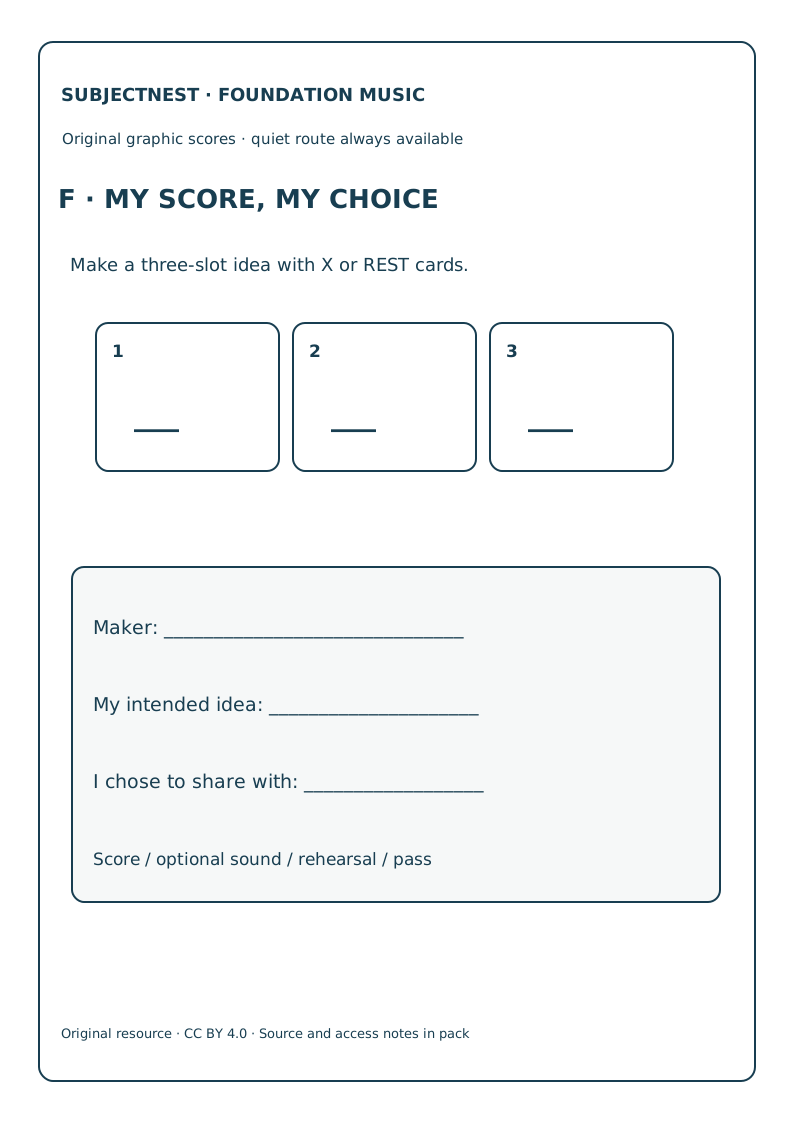
- Welcome · 3 min. A child may show their score to one willing educator, choose a small group later, rehearse with a paper puppet, or pass. Record which occurred.
- Model · 4 min. Share the adult's original three-slot score with a willing adult. Name maker and medium. Then show only the title/official first-party page of a suitable real work; do not play/copy it without school approval.
- Try together · 5 min. Ask “Who made this?” and “Who is allowed to share or record it?” For real music, record unanswered questions rather than making up a community's view.
- Child choice · 7 min. Child selects an original A–F score and audience. If they share with an actual willing person, note whether score, optional sound, or both were shared; puppet rehearsal and pass are valid participation but not actual-audience evidence.
- Notice · 4 min. Ask the child to point to one intentional choice. Keep their intention separate from what the audience actually felt or learned.
- Close · 2 min. Save the audience decision and one authentic-source question for a later authorised encounter.
Week 2 · Day 10 · Fresh Check B: two paper messages
Target/codes: read a new six-slot repeat, change one position in the second row to make contrast, and communicate the idea by choice; AC9AMUFD01, AC9AMUFC01, AC9AMUFP01 only for real willing-audience sharing. Prepare: H public check, H A4 sheet, six broad cards. Keep the key closed until first responses.
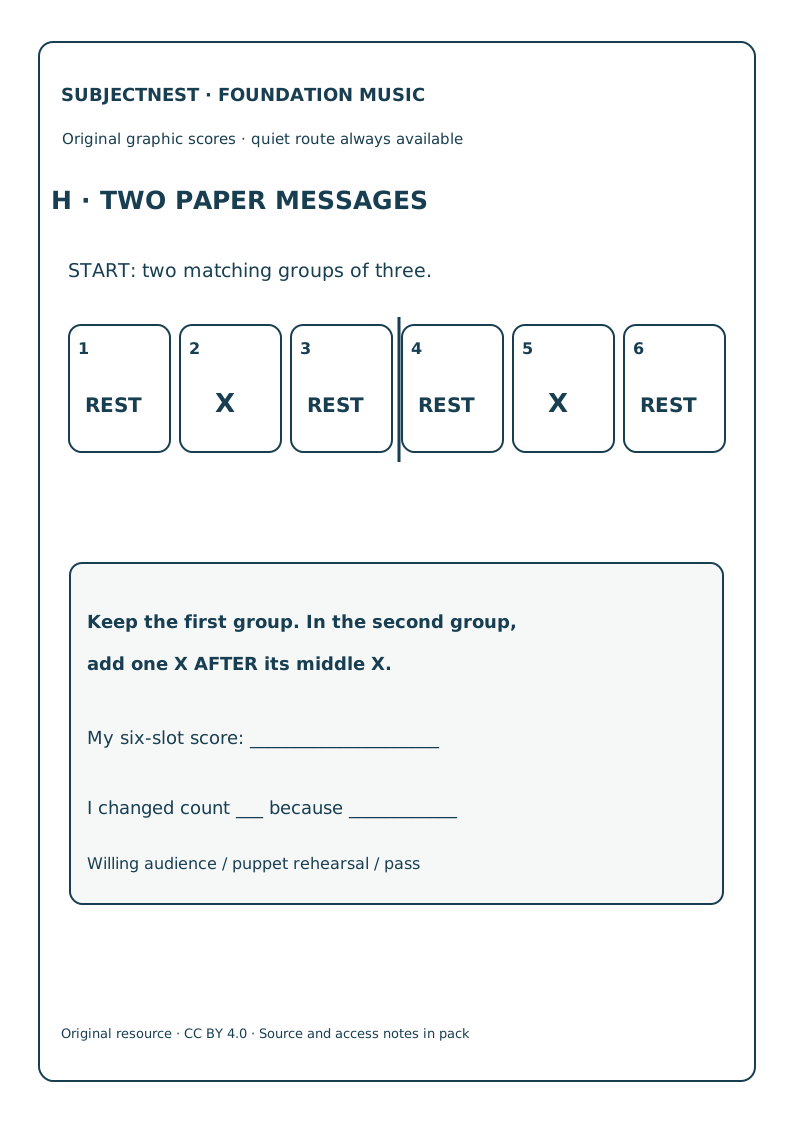
- Welcome · 3 min. Explain that this new paper pattern helps decide the next lesson. No compulsory playing or public performance.
- Access · 4 min. Present starting
– X – / – X –neutrally in print, tactile cards or read-aloud. State the fictional second message needs a sound after its middle X, without suggesting a count. - Independent plan · 5 min. Child determines whether rows repeat and chooses one slot to change in row two.
- Child response · 7 min. Child shows six slots, marks the change, gives a possible two-message purpose and chooses a willing audience, puppet-only rehearsal or pass. A scribe preserves the child's first response.
- Self-check · 4 min. Invite counting and comparison; do not imply aural or performance competence from silent marks.
- Close · 2 min. Save first response, then use the separate key and plan later authorised listening and accessible sound-making.