Each lesson is 3 + 4 + 5 + 7 + 4 + 2 = 25 minutes. Offer three same-target routes and a pass before the task. Prepare broad fixed X/REST/LONG cards, a neutral adult scribe if wanted, and exact text/tactile pages. Use candidate audio only after a local human has listened at comfortable volume on the intended equipment. A no-device route is complete for the planning target; paper alone cannot show hearing, timing control or actual sound-making. People/help and rolling/sliding scenes are optional fictional interests, not a real signal, physical science result or behaviour judgment.
Week 5 · Day 21 · A rhythm has room for quiet
Target/codes: distinguish four continuing PULSE places from three RHYTHM sound events and one rest; AC9AMUFD01, AC9AMUFC01. Prepare: A grid, Practice A, broad cards.
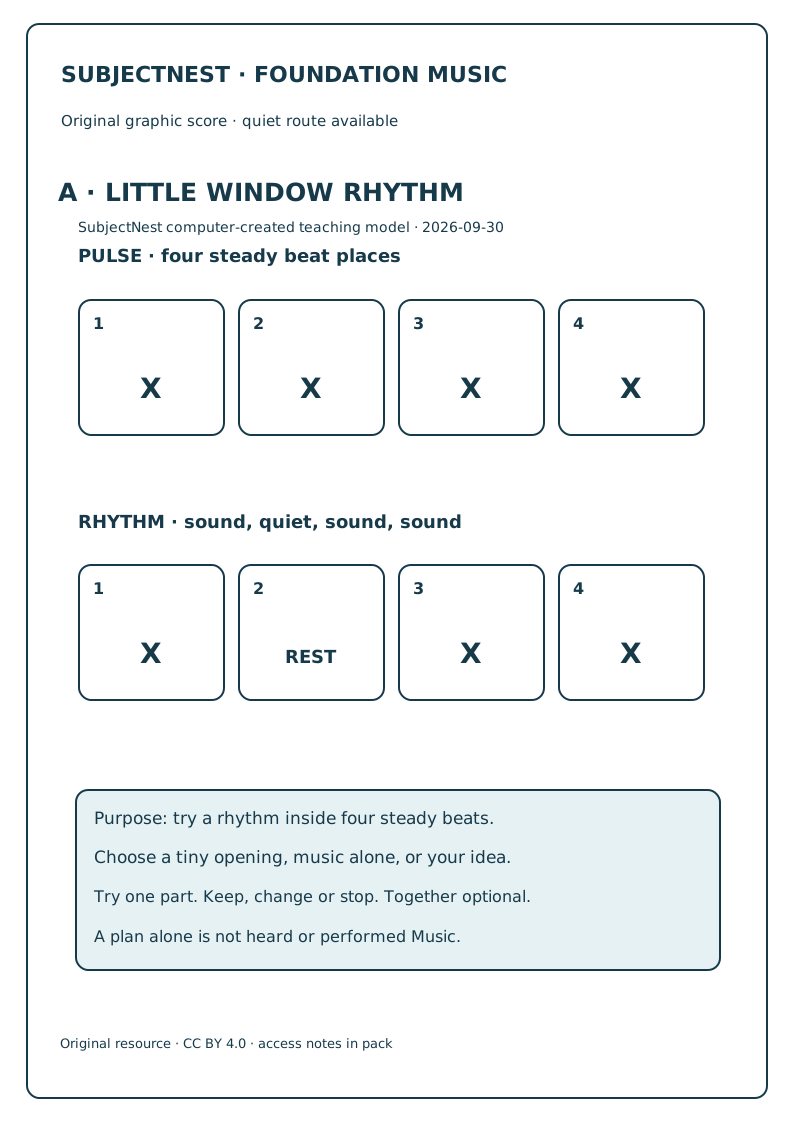
- Welcome · 3 min. Recall last fortnight's four even beat places. Say the upper row keeps those places; the lower row can choose which ones sound.
- Model · 4 min. Build PULSE
X X X Xand RHYTHMX – X X. Point down each numbered column. Optional reviewed H cue sounds only the lower row; silent pointing works too. - Try together · 5 min. Invite a learner to identify beat place 2 in both rows: pulse continues, rhythm rests. Count four pulse marks and three rhythm X marks without requiring anyone to play.
- Child choice · 7 min. Child lays out the rhythm for four fictional paper helper pictures, a ball-on-paper story or another impersonal idea and tells which moment stays quiet. This is not a real help signal or measured motion.
- Notice · 4 min. Record the two rows, count and child intention. Mark actual aural or timed evidence only if an educator directly observed it.
- Close · 2 min. Keep both rows; tomorrow the single rest can move while event count stays.
Week 5 · Day 22 · Move one rest, keep three events
Target/codes: compare rhythm rests at beat 2 versus beat 4 while four pulse places and three sound events stay; AC9AMUFD01, AC9AMUFC01. Prepare: B comparison, Practice B.
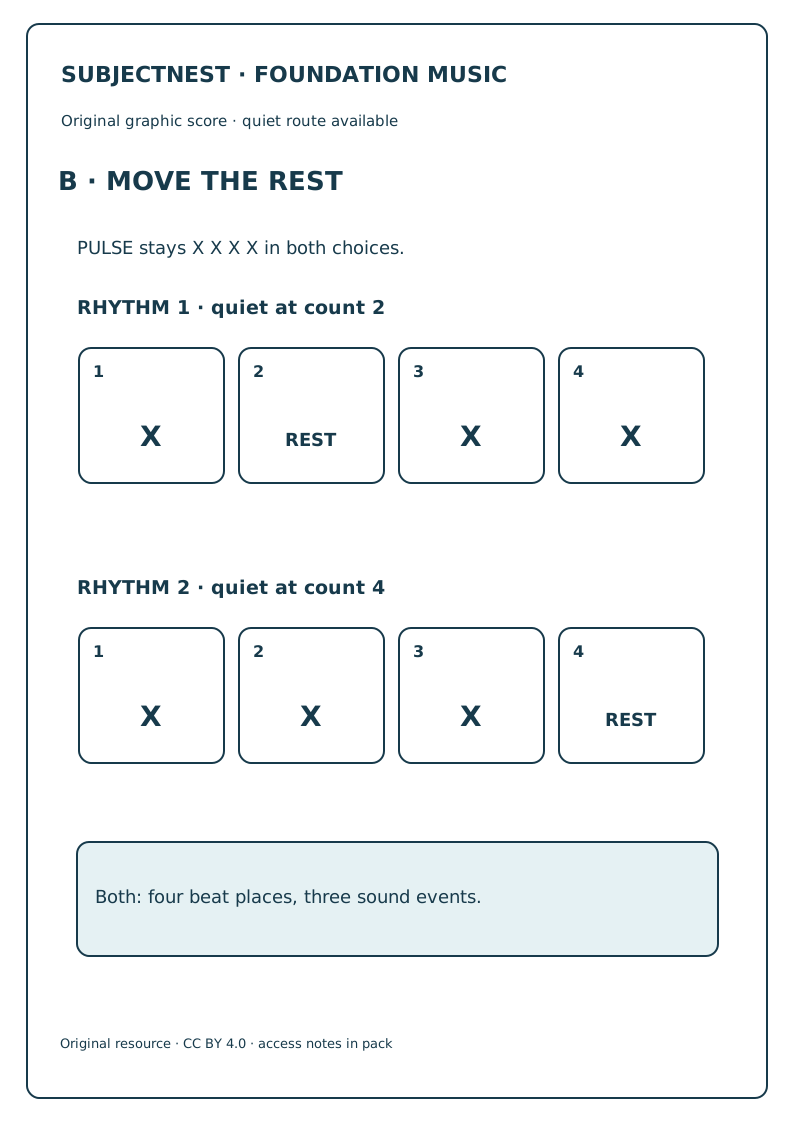
- Welcome · 3 min. Rebuild A's lower row under four pulse X. Ask where the one quiet place sits before changing it.
- Model · 4 min. Change
X – X XtoX X X –by moving the one REST card to count 4 and an X to 2. The I cue is optional only after listening approval. - Try together · 5 min. Child counts rhythm sound events in both rows: three. Ask which count quiets in each; keep pulse
X X X Xvisible. - Child choice · 7 min. Let child pick where a fictional paper rolling ball or sliding block comic has a quiet picture. They can use a different neutral paper scene and explain intended rhythm, not actual physics.
- Notice · 4 min. Record one rest at 2 or 4 and three X events. Do not equate card manipulation with reliably performing rhythm.
- Close · 2 min. Save the comparison; next time an even sparser rhythm fits the same four beats.
Week 5 · Day 23 · Count beats and sound events separately
Target/codes: count four beat places but only two short rhythm events in a new four-place row; AC9AMUFD01, AC9AMUFC01. Prepare: C count board, Practice C.
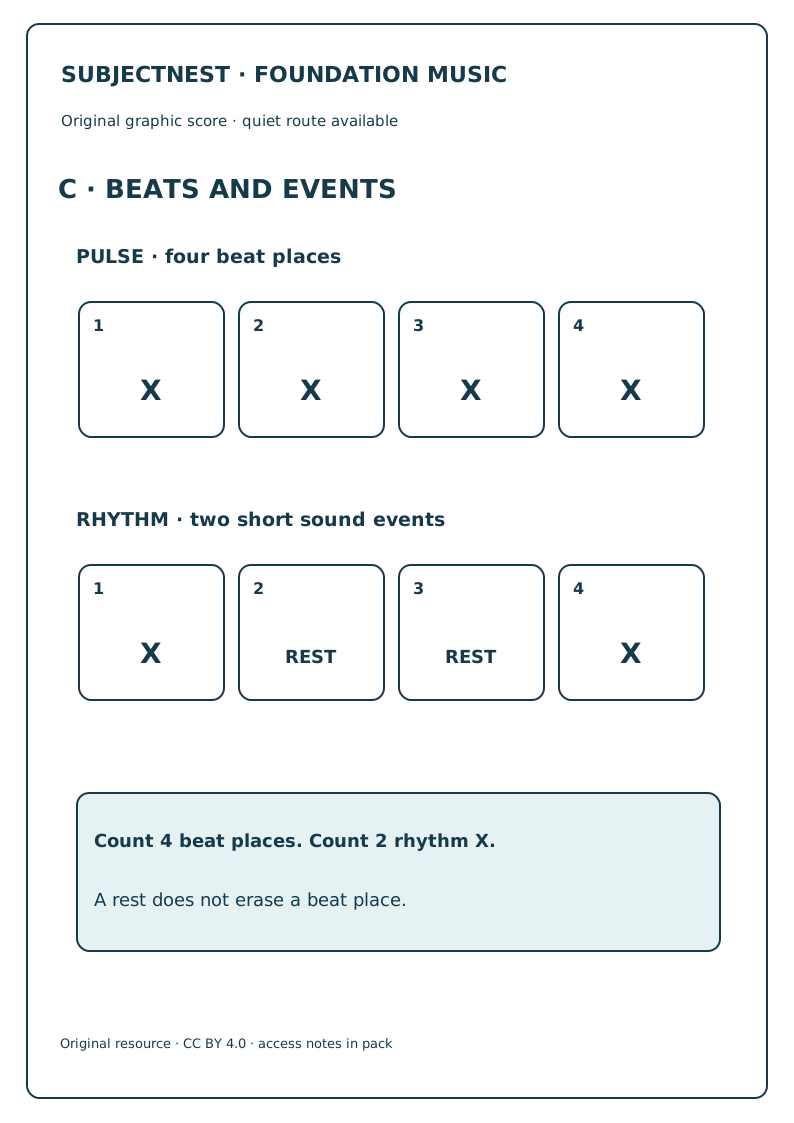
- Welcome · 3 min. Show four beat numbers without sounding. Ask if a quiet lower-row place erases the number; it does not.
- Model · 4 min. Put PULSE
X X X Xover RHYTHMX – – X. Trace all four columns, then put one counter beside each lower-row X: two sound events. - Try together · 5 min. Child points to two rests and two X. Adult avoids saying that fewer sounds mean a slower tempo; beat count and tempo are different choices.
- Child choice · 7 min. Child places this rhythm on a four-panel paper garden, shop or toy-path scene and gives a possible reason for a longer quiet middle.
- Notice · 4 min. Record “four pulse places; two rhythm events; rests at 2 and 3.” If optional sound occurs, record that separately.
- Close · 2 min. Tomorrow a single sound may cover two beat places without becoming two events.
Week 5 · Day 24 · One held sound can span two beats
Target/codes: distinguish a two-place held event from two separate short events, counting four beat places and two actual planned sound events; AC9AMUFD01, AC9AMUFC01. Prepare: D duration board, Practice D, one broad spanning card.
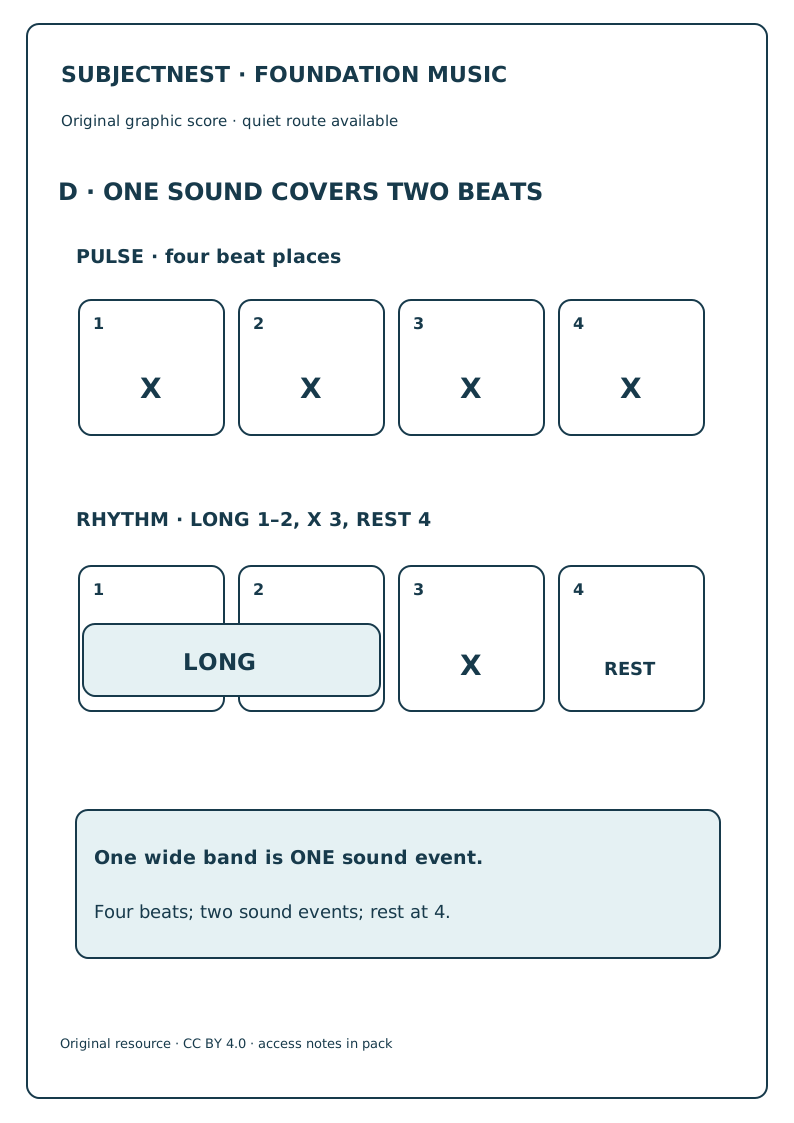
- Welcome · 3 min. Lay the four PULSE X cards. Explain that a wide card in RHYTHM is one planned sound lasting across two numbered places.
- Model · 4 min. Span 1–2 with one LONG card, put X at 3 and REST at 4. Trace the single uninterrupted band with a finger or pointer; no child must sustain voice or breath.
- Try together · 5 min. Count: four pulse places, three occupied rhythm places, two sound events and one rest. Compare with two separate X cards at 1 and 2; those would be two events.
- Child choice · 7 min. Invite a fictional paper slide, stretched ribbon drawing or garden banner to use the held opening event. Child may choose a neutral scene and explain what the long band is meant to suggest.
- Notice · 4 min. Check the band physically spans two fixed cells and is counted once. Paper duration is a plan, not proof of a sustained sound.
- Close · 2 min. Save the score and hold the new K sheet for tomorrow.
Week 5 · Day 25 · Fresh Check K: four postcard windows
Target/codes: independently keep four pulse places and revise a novel rhythm from two to three short sound events while preserving a specified rest; AC9AMUFD01, AC9AMUFC01. Prepare: K public check, K A4, broad fixed cards; close the separate key.
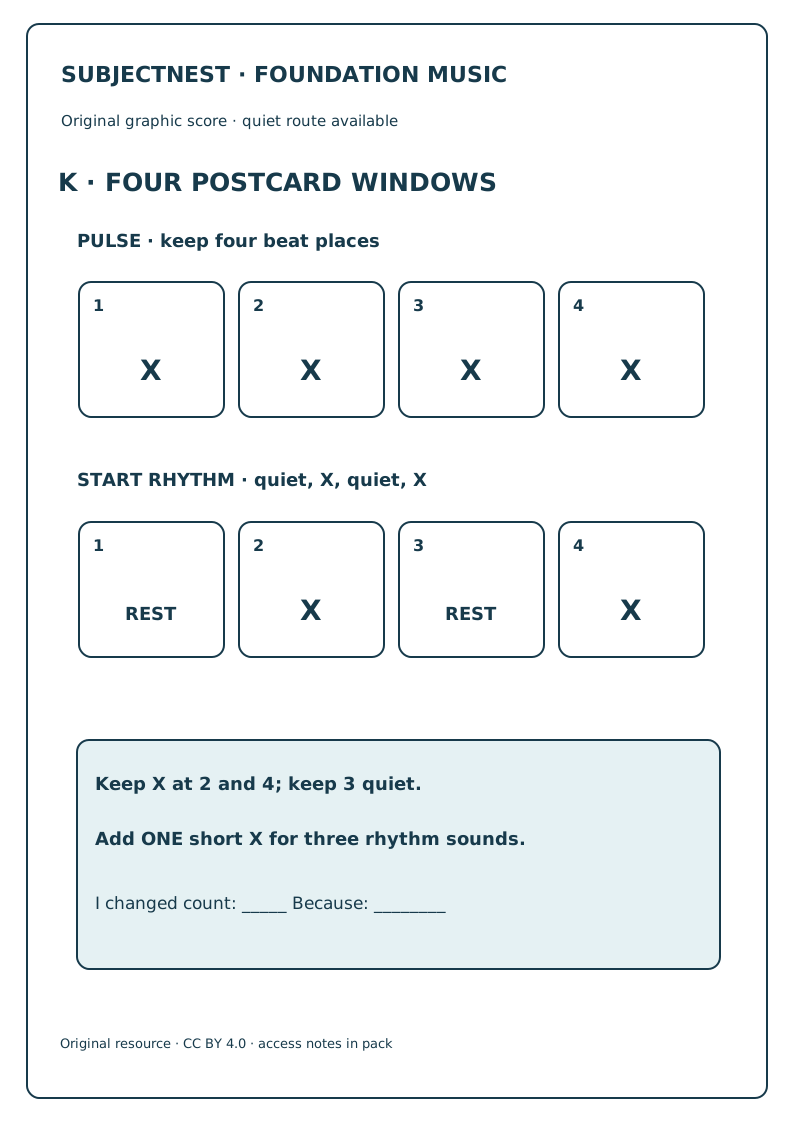
- Welcome · 3 min. Explain that this new paper music puzzle guides later teaching. It is not a test of hearing, motor timing or real postcards.
- Access · 4 min. Present PULSE
X X X Xand starting RHYTHM– X – Xneutrally by print, tactile cells or read-aloud. Do not hint where to add the sound. - Independent plan · 5 min. Child keeps rhythm X at 2 and 4, keeps beat 3 quiet, and decides where one new short X goes so the rhythm has three sound events.
- Child response · 7 min. Save first full two-row score, changed count and reason through cards, drawing, AAC, pointing or neutral adult scribe. Optional sound can follow the plan.
- Self-check · 4 min. Ask the child to count four beat places and three rhythm sounds without giving feedback before first response is captured.
- Close · 2 min. Use the key afterward; check-day swaps use unrelated source rows.
Week 6 · Day 26 · Move the held event into the middle
Target/codes: read a four-place rhythm with an opening rest, one event held across beats 2–3, and a short event at beat 4; AC9AMUFD01, AC9AMUFC01. Prepare: E middle-band board, Practice E.
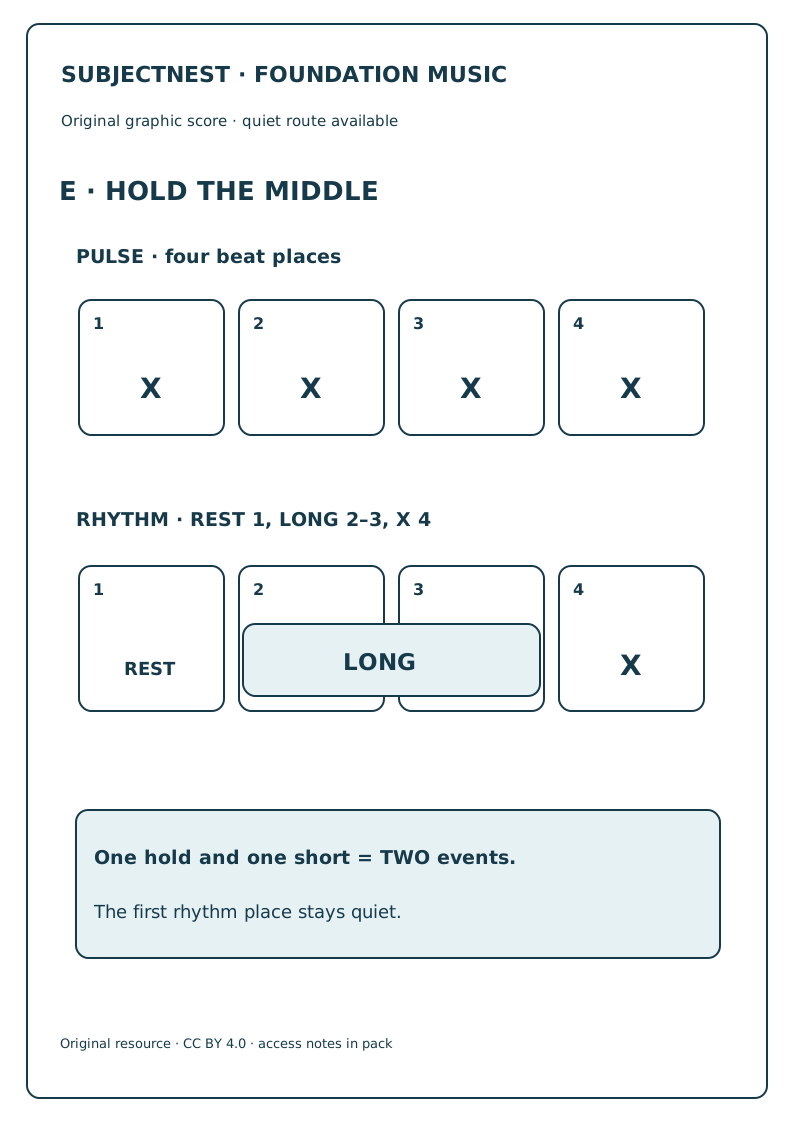
- Welcome · 3 min. Compare D's opening long band with a blank middle. Ask what can move while the four pulse places remain.
- Model · 4 min. Put REST at 1, one LONG band over 2–3 and X at 4. The J middle-hold cue is optional after local human review; cards alone show the plan.
- Try together · 5 min. Child counts four beat places, three occupied places and two planned sound events. Distinguish the two-place band from two X events.
- Child choice · 7 min. Use an invented paper helper waiting, then holding a sign, then showing a final card; or a drawn slide story. Child explains a musical intention, without claiming a real person's action or physical motion.
- Notice · 4 min. Check which place rests and where the one LONG band ends. Record actual sound duration only if heard/observed.
- Close · 2 min. Keep the rhythm fixed for tomorrow's safe source-choice comparison.
Week 6 · Day 27 · Change the source, keep the rhythm
Target/codes: hold REST(1), LONG(2–3), X(4) while choosing a suitable sound-source label or no-sound symbol; AC9AMUFD01, AC9AMUFC01. Prepare: E board, Practice E, broad PAPER TAP/TONE/SILENT CARD labels.
- Welcome · 3 min. Put yesterday's RHYTHM cards under four pulse places. Explain that a source or sound quality can change without moving event times.
- Model · 4 min. Adult writes two intended versions: “PAPER TAP” and “TONE” on the LONG and X marks. Do not suggest that a paper source can literally hold sound unless a suitable realisation is available; a label may remain an intended design.
- Try together · 5 min. Child identifies four fixed beat places, REST at 1, held event 2–3 and short event 4 in both labelled versions. A silent label cannot demonstrate heard timbre.
- Child choice · 7 min. Child chooses a locally approved gentle source, a symbol-only route, or directs an adult for a fictional picture display. No object striking or speaker is compulsory; stop if sensory comfort changes.
- Notice · 4 min. Record the source label and unchanged rhythm. If sound actually occurs, note who made it, what was audible and consent; never infer timbre recognition from a printed word.
- Close · 2 min. Keep the child's source choice as one possible part of an original score.
Week 6 · Day 28 · Compose with long, short and rest
Target/codes: compose an original four-beat rhythm using one two-place LONG, one short X and one REST without overlaps/gaps; AC9AMUFD01, AC9AMUFC01. Prepare: F compose board, Practice F, one broad band and two one-place cards.
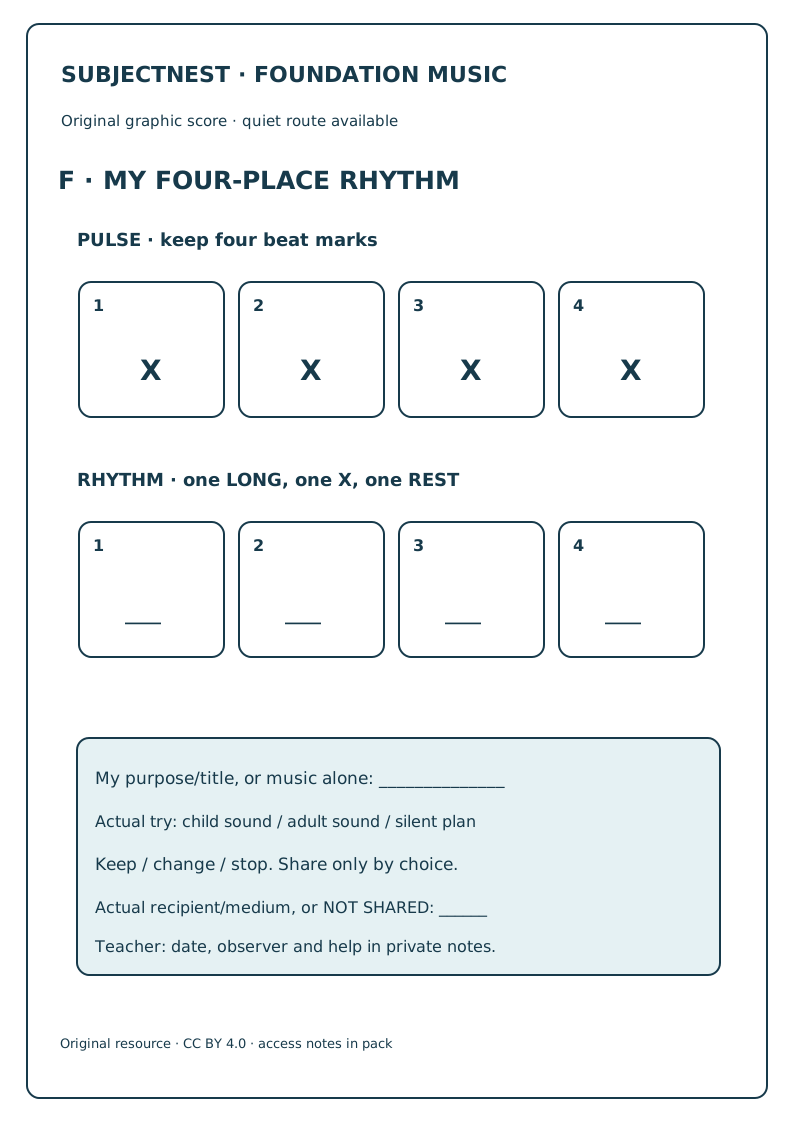
- Welcome · 3 min. Fix PULSE
X X X X. Offer a two-place LONG band, one X and one REST as a palette; all four places need a rhythm role. - Model · 4 min. Show a new adult model
REST(1), X(2), LONG(3–4)and count one held plus one short event. It differs from the held L check source. - Try together · 5 min. Child tests another valid arrangement by sliding the band, then fits X and REST into the two unoccupied cells. Ask which pieces represent one or two events.
- Child choice · 7 min. Child authors a four-place score for a paper bakery, imaginary ramp picture, pretend repair desk or another impersonal interest, and explains the rhythm they intend. They may show paper only or direct optional suitable sound.
- Notice · 4 min. Check no overlap, four pulse places, three occupied rhythm places, two planned sound events, one rest. Record any actual sound separately.
- Close · 2 min. Save maker, source labels and intended idea for optional sharing.
Week 6 · Day 29 · Source, maker and a willing audience
Target/codes: ask a maker/context question about an authorised real musical work and choose whether to share an original score/sound with a willing person; AC9AMUFE01 only when real work is encountered, AC9AMUFP01 only upon actual sharing. Prepare: F share log, child's score, authentic-source slot.
- Welcome · 3 min. Offer an original score share with one willing adult, optional quiet sound after approval, paper-puppet rehearsal or pass. No public solo, recording or personal family story.
- Model · 4 min. Share the adult's original four-place rhythm with a willing adult. If a real work has been authorised and contextualised, name its maker and source; otherwise say that encounter is still held.
- Try together · 5 min. Ask “Who made this?” and “What does an approved source say about why it is used?” Keep unknown cultural meaning as an open question, not a guess.
- Child choice · 7 min. Child decides whether to share their own score, optional sound, both, rehearsal only, or pass. Log a real recipient only if willing and present; child may withdraw.
- Notice · 4 min. Record child's intended rhythm choice and actual medium shared. Do not invent listener feelings, sound-control evidence or community meaning.
- Close · 2 min. Save the source/permission question and actual share record. The next check asks a fresh event-count question.
Week 6 · Day 30 · Fresh Check L: the paper ribbon display
Target/codes: independently identify pulse places, sound events, occupied beat places and rest in a new held-sound score; AC9AMUFD01, AC9AMUFC01. Prepare: L public check, L A4, broad band and cards; close the key.
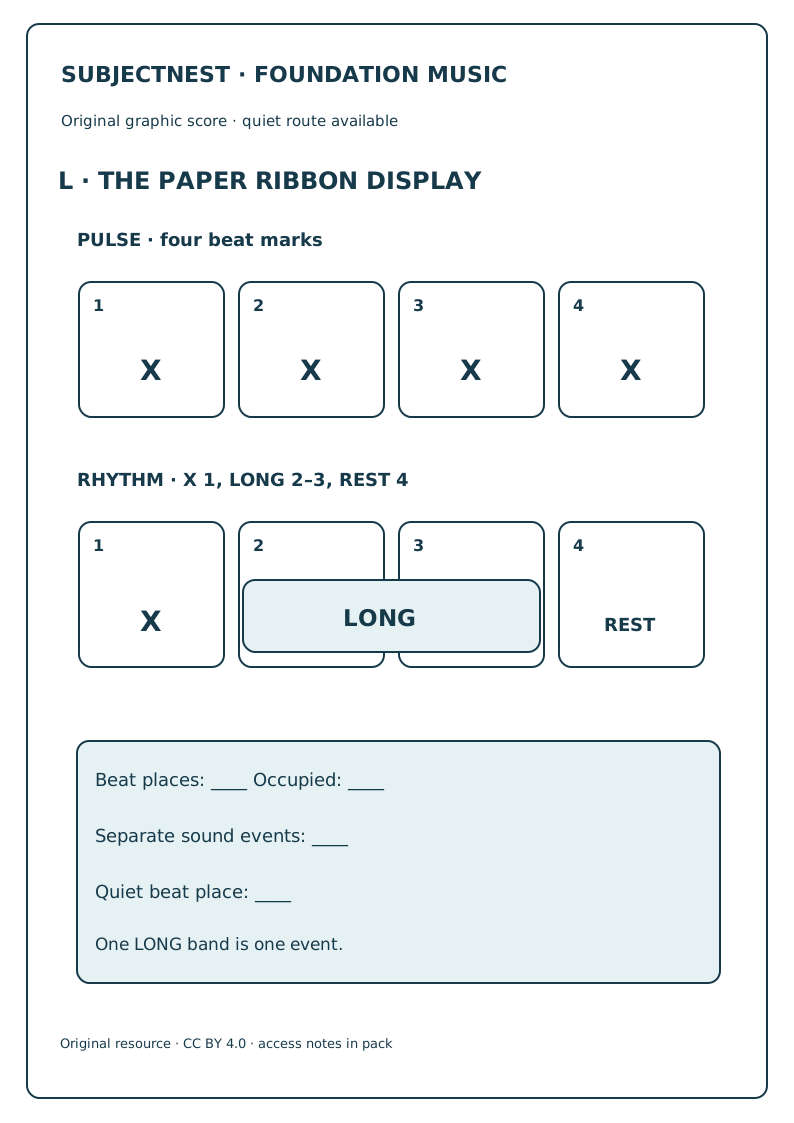
- Welcome · 3 min. Introduce a new paper rhythm puzzle for next teaching, not a test of vocal endurance or timed playing.
- Access · 4 min. Neutrally show PULSE
X X X Xand RHYTHMX(1), LONG(2–3), REST(4)by print, tactile cards or read-aloud. Do not pre-count events for the child. - Independent plan · 5 min. Child decides how many beat places, occupied rhythm places and sound events are shown, and which beat place is quiet.
- Child response · 7 min. Save the child's first four answers, explanation that the band is one held event, and route used. Optional sounded rendering is separate.
- Self-check · 4 min. Invite tracing the single band and each numbered cell; avoid telling the answer before first response is recorded.
- Close · 2 min. Consult the teacher key afterward and arrange accessible real listening/sound-making or authorised repertoire where absent.