A phrase here is an original group of four numbered beat places. The upper concept is four steady PULSE places; the score below marks a RHYTHM at each place. X = one short planned event, – = a rest. A broad LONG(3–4) card is one held event spanning two beat places. A two-phrase plan has eight beat places grouped as four and four. “A” and “B” are only labels for our own invented cards; they are not notation or claims about a cultural song. Colour is decorative, never a code. Cards and diagrams demonstrate musical planning, not heard performance.
Original reusable aids: A motif card, B exact repeat board, C phrase-order board, D one-rest variation, E held-ending variation, and F compose/share board, each with A4 searchable PDF and exact text/tactile alternative. Three original candidate sound cues add optional sound after local human review; every score works fully without them. Use broad fixed cards, not loose small parts or forced hand movements.
Practice A–F · hold fresh M/N until check days
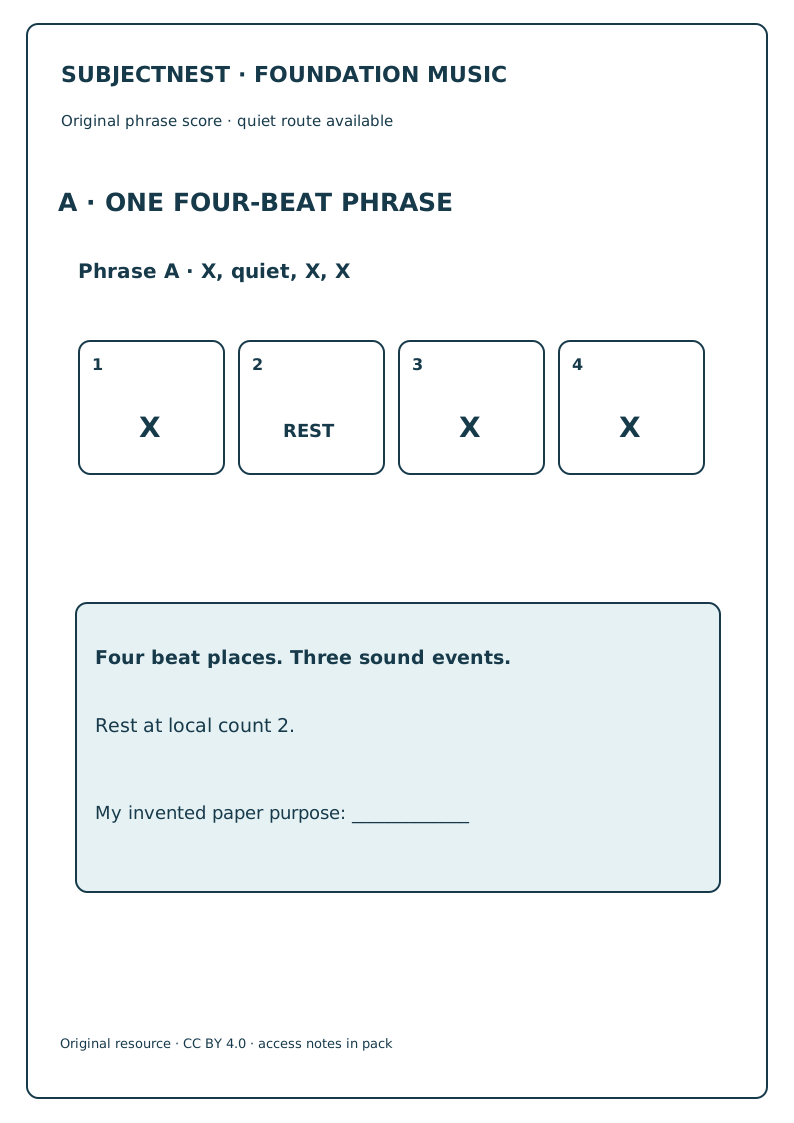
A · Name one four-beat phrase
Phrase A = X – X X at counts 1–4. Four pulse places stay; RHYTHM has three short events and a rest at 2. A child can point to an intended opening, quiet place and two ending events. This revisits a known four-beat rhythm as a phrase to organise later music, rather than requiring it to be played. Fictional use: four paper shop windows, with the second quiet.
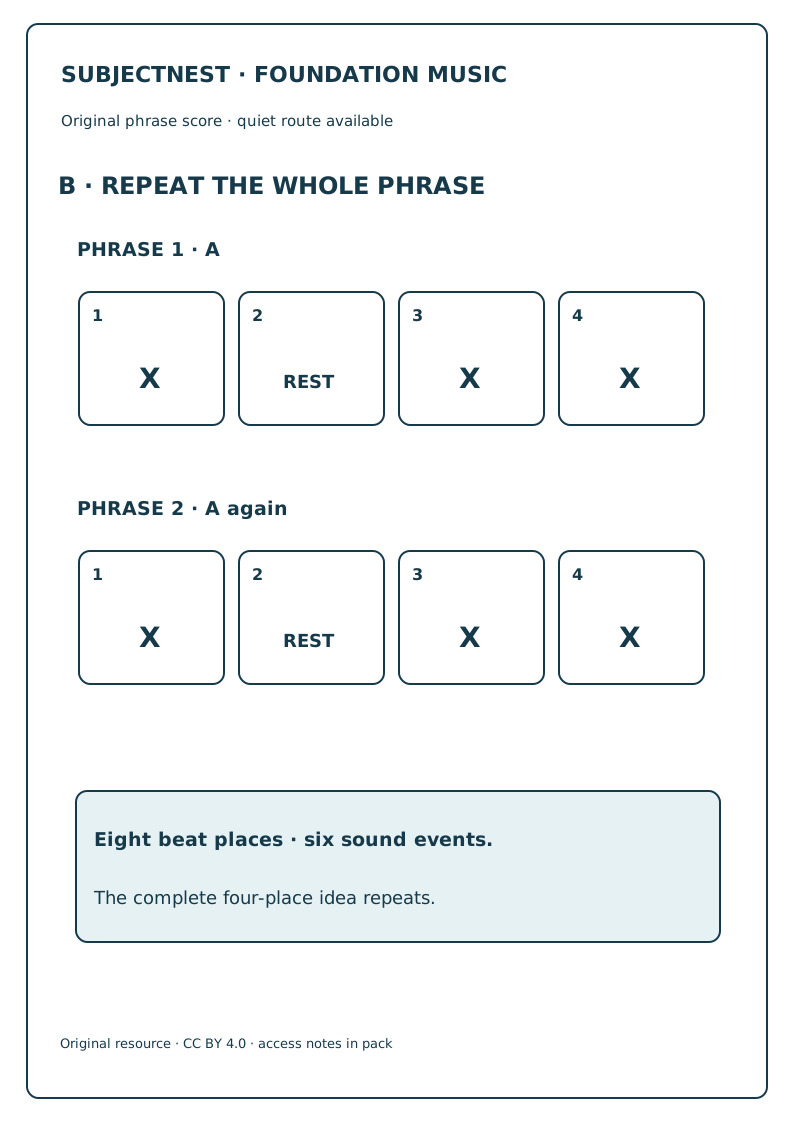
B · Repeat the whole phrase
A | A = X – X X / X – X X. Each of the two groups has four beat places, the same rest at its second local count and three short events. Across the full score there are eight beat places, six sound events. The optional original K repeat cue (playback review held) renders the rhythm; silent cards and neutral pointing support the complete plan. | separates phrases, not a compulsory breath or stage movement.
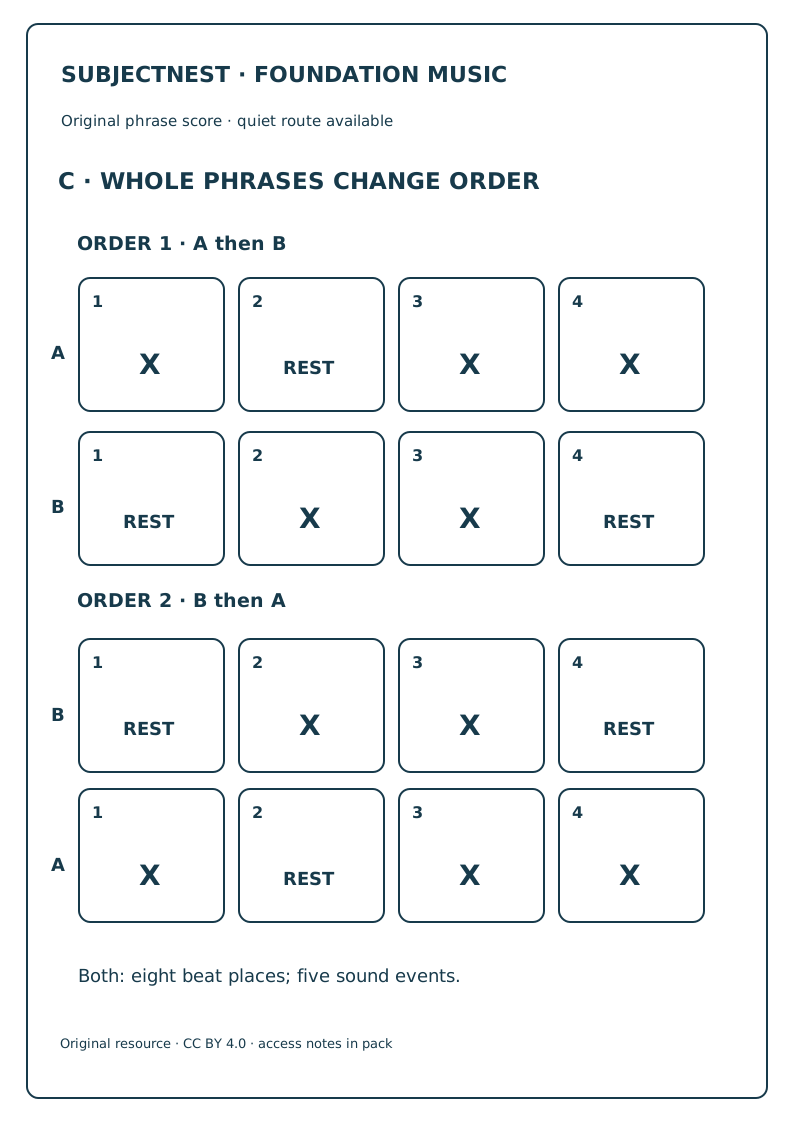
C · Change phrase order without changing a phrase
Let B = – X X –, two events. Compare A | B = X – X X / – X X – with B | A = – X X – / X – X X. Each full score has eight beat places and five sound events; the order differs while A and B each keep their internal cells. Optional original L order cue (playback review held) sounds only A|B; the B|A plan can be explored silently. No one must recognise it by ear.
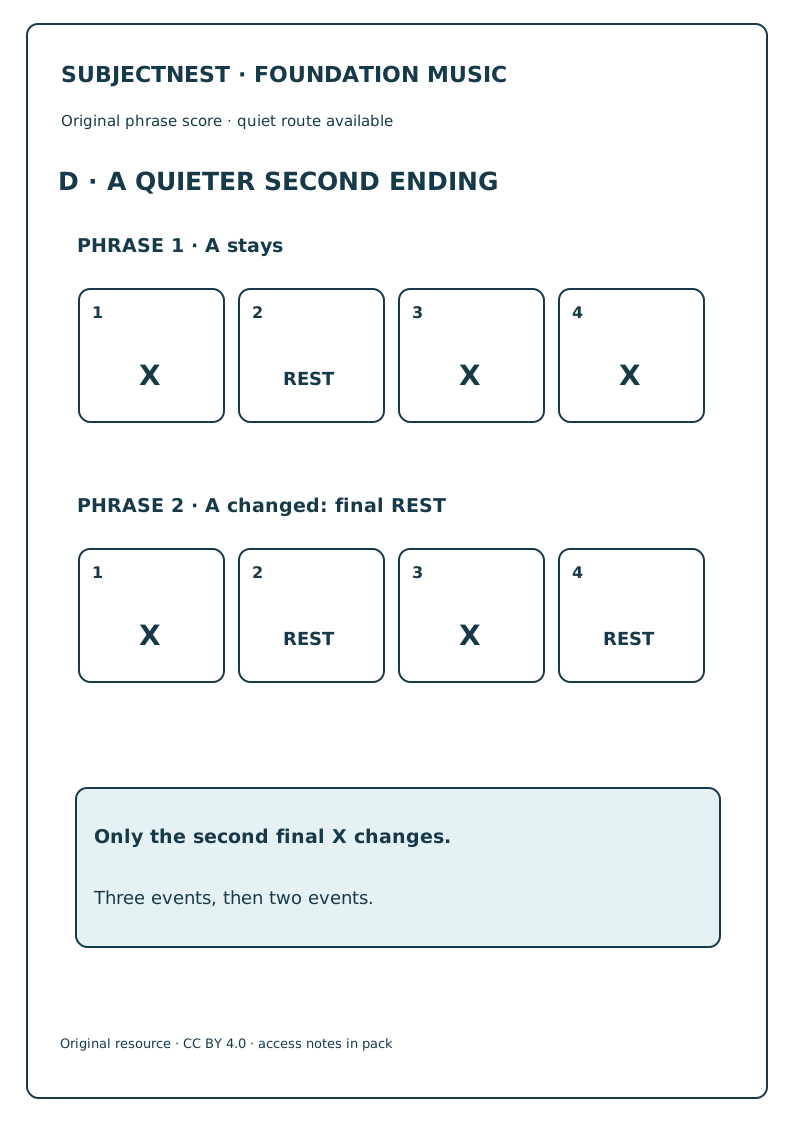
D · Change one rest in the second phrase
Start A|A. In the second A only, replace its final X at local count 4 with REST: A | A′ = X – X X / X – X –. This one-cell variation leaves eight beat places, with three events then two: five total. Phrase 1 is unchanged. A′ (say “A changed”) is a label for this invented musical comparison, not a new curriculum code.
E · Hold the ending instead of two shorts
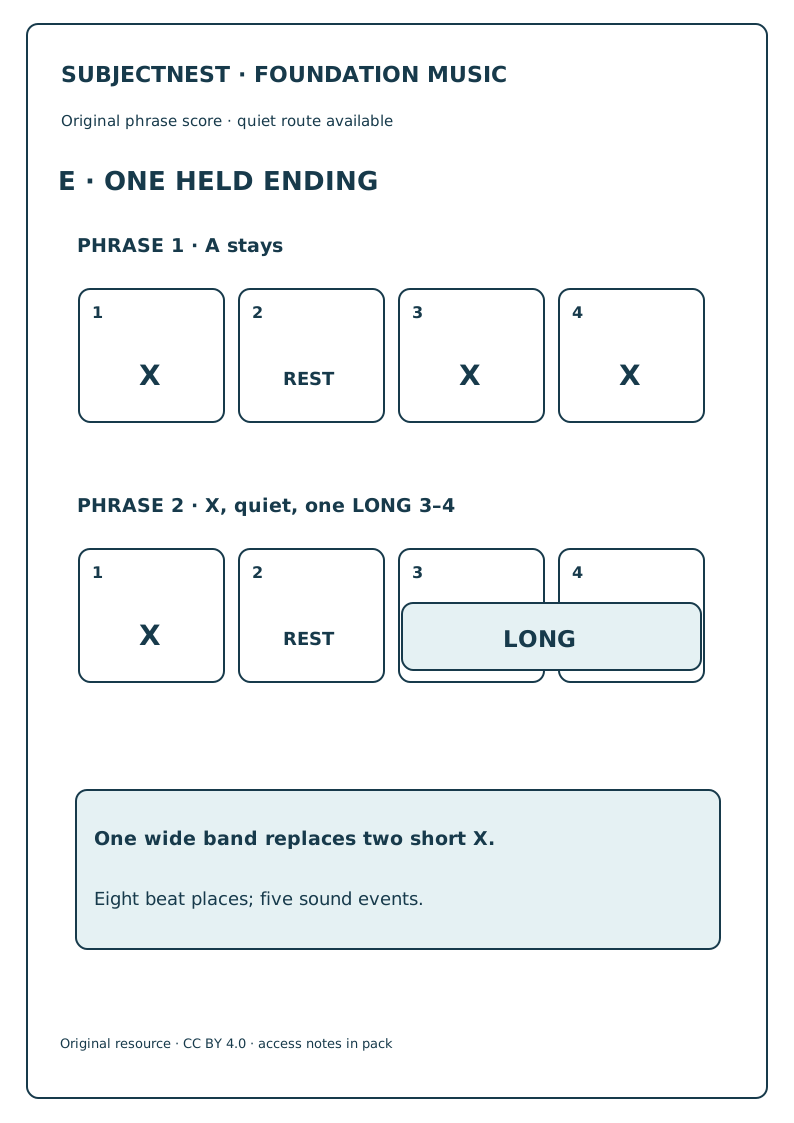
Start A|A again. In phrase 2 only, replace separate X at its local counts 3 and 4 with one broad LONG(3–4) event: A | A′ = X – X X / X – LONG(3–4). All eight beat places remain; occupied rhythm places stay the same; phrase 2 now has two events rather than three. The full score has five events. Optional original M held-ending cue (playback review held) is only a candidate until listened to and volume-approved. A paper band across the last two cells is the no-sound route; no child needs to hold voice or breath.
F · Design a two-phrase music idea
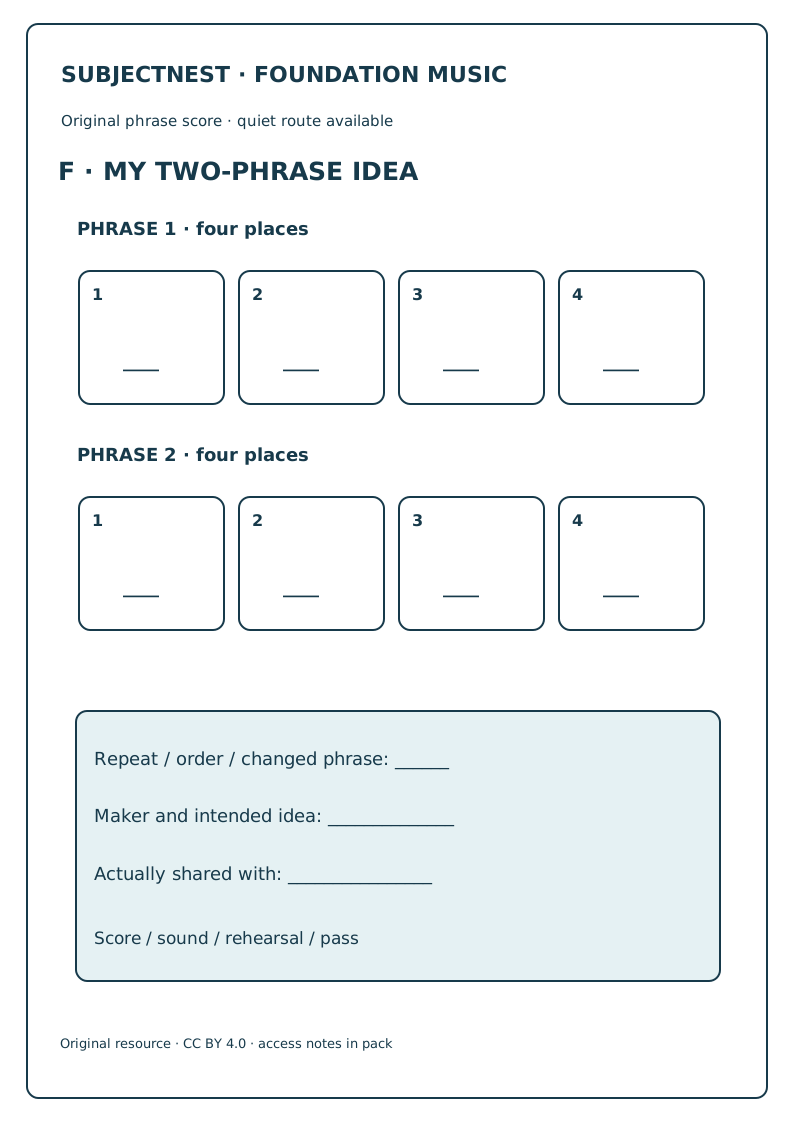
Fix two groups of four beat places. Start with A or an original child-made four-place rhythm. Choose exact repeat, phrase order with a second child-made phrase, one X/rest change in phrase 2, or one valid pair of adjacent short X changed into a two-place LONG band. Show a complete eight-place score and explain which phrase relation is intended. An example distinct from the checks: X X – X / X – – X has the same four places per phrase but a second-phrase sound/rest change at local count 2. During open play a child may choose another coherent relation; teacher records their actual instruction rather than forcing a single output.
Fresh M/N sources and constraints appear only in student checks; their worked solutions live in teacher/. Neither a card repeat nor a correct count alone establishes heard pattern recognition, performed pulse or Mathematics attainment.