A phrase here has four numbered beat places. X is one planned short event; REST is a planned quiet place. The wide divider separates phrase 1 and phrase 2; an arrow above them shows intended turn order. A circle or triangle is an abstract role/source label, not a real instrument or person. Read left to right within each phrase and restart local count 1 in phrase 2. Use broad fixed raised cards or a marker board; avoid small loose pieces. No one must sound, sing or interpret this as cultural repertoire.
Six illustrated A4 practice pairs support the following worked plans. Use fresh O/P only on their check days.
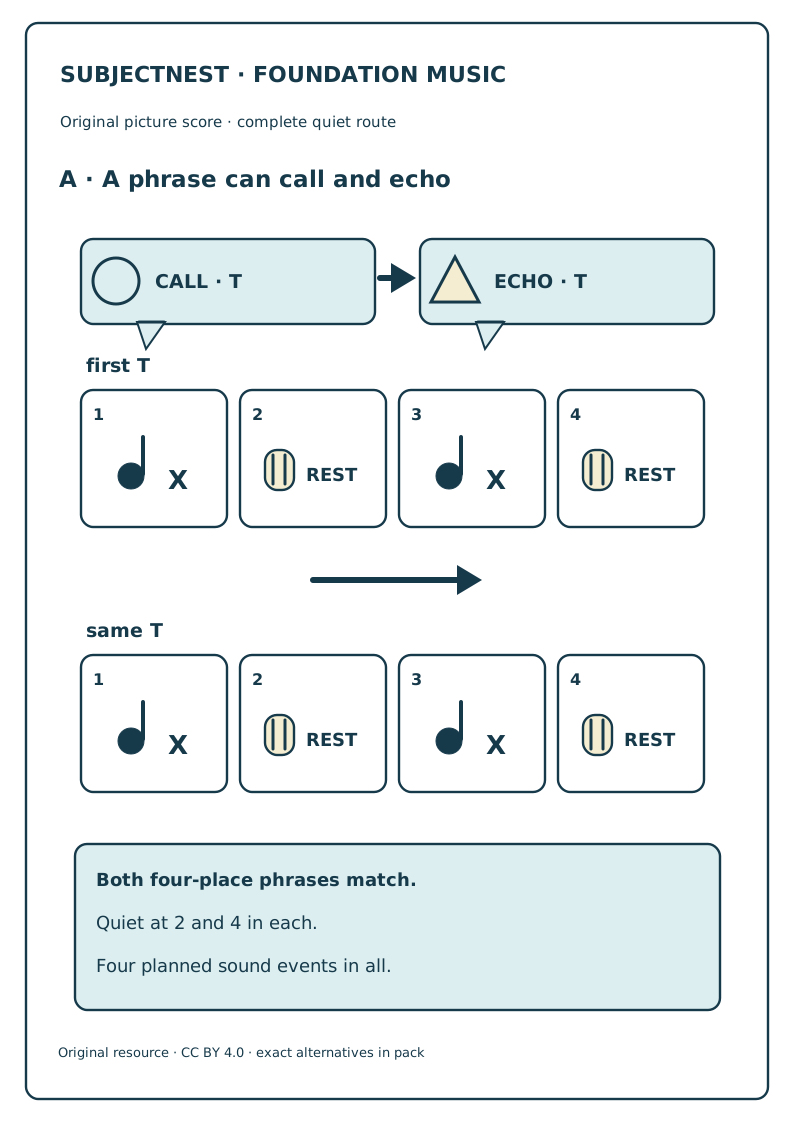
A · An echo with two roles
T = X REST X REST, two planned events in four places. Circle calls with T; triangle answers with another complete T: T | T has eight beat places and four planned events. An echo here means the second four-place score copies the first exactly. The A illustrated card shows two visible role panels, a thick hand-off arrow and four numbered cells under each panel. The fictional “paper gallery” has no required real sound.
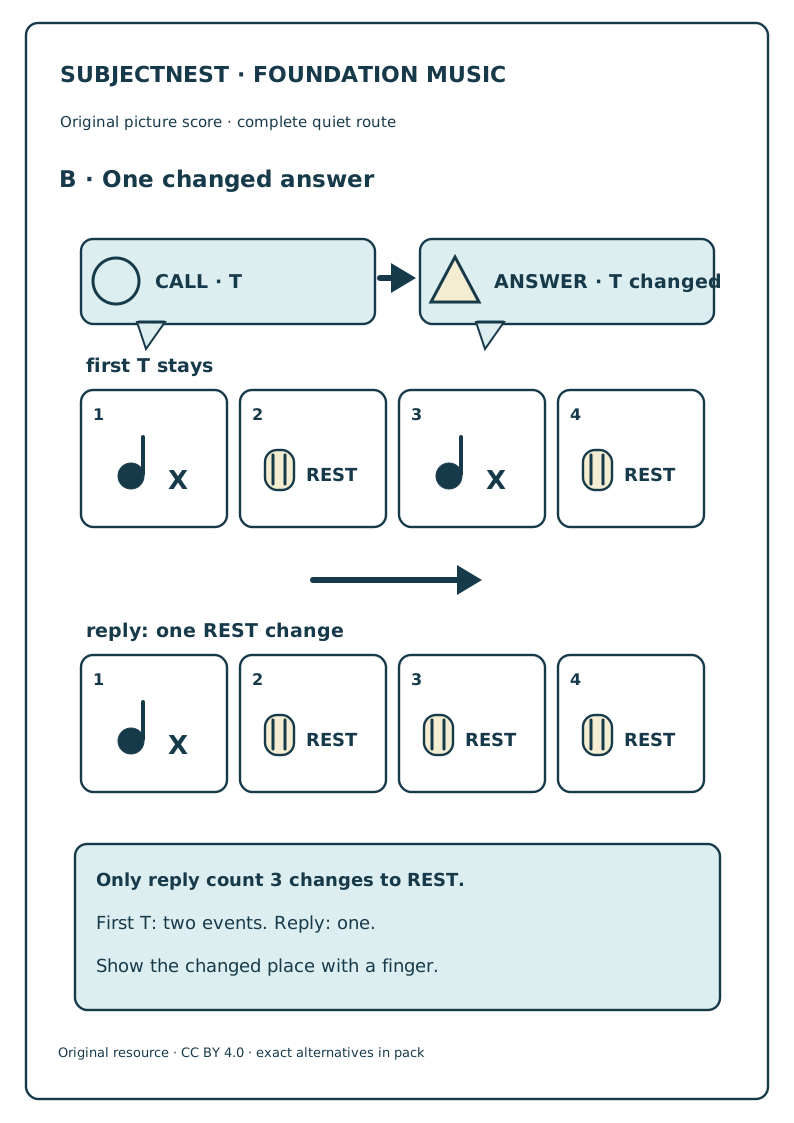
B · One changed answer mark
Keep first T. In second T only, replace local count 3 X with REST: T | T′ = X REST X REST / X REST REST REST. The call has two events, the answer one, three total. Counts 1, 2 and 4 in the reply stay unchanged. See the B illustrated card. T′ means “T changed,” not a new curriculum code or a required musical ending.
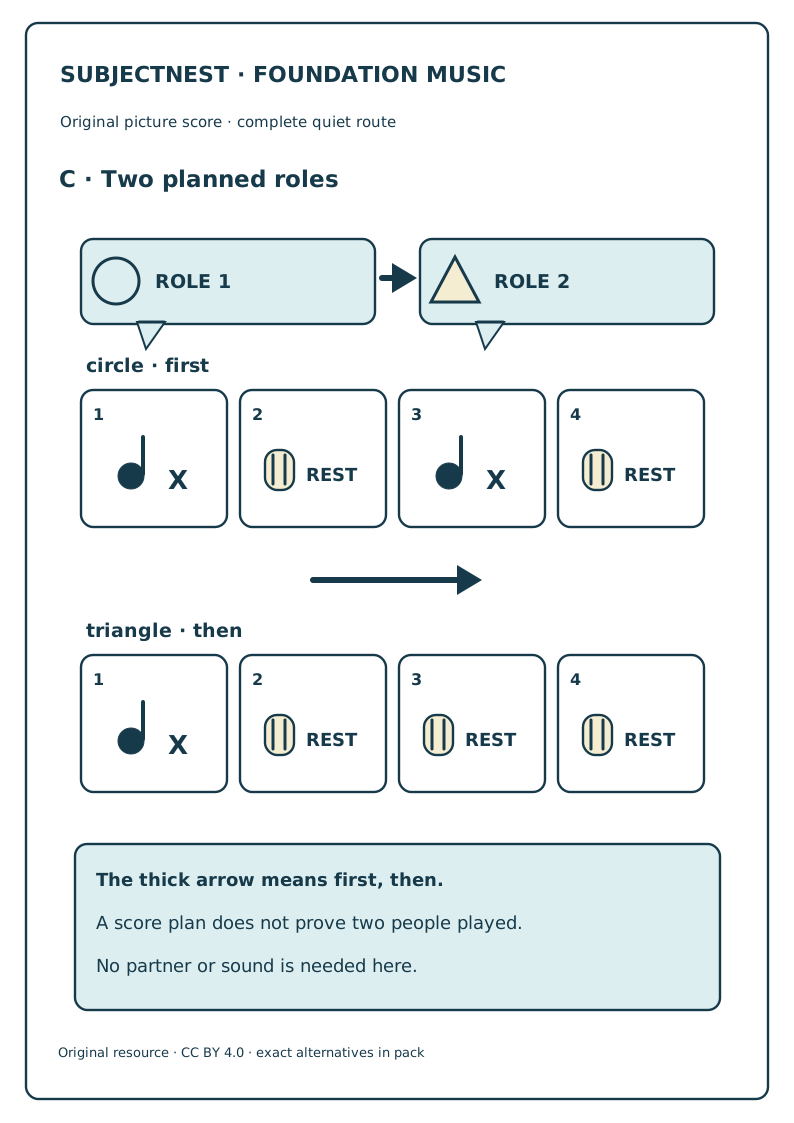
C · A turn arrow, not a performance demand
Place circle above T and triangle above T′ with one arrow across the divider. The arrow shows first then second in a plan. It cannot prove two people actually played, or that any audience heard it. The C turn card shows role symbols big enough to distinguish without colour. A child can point to the source/role sequence without taking a social turn.
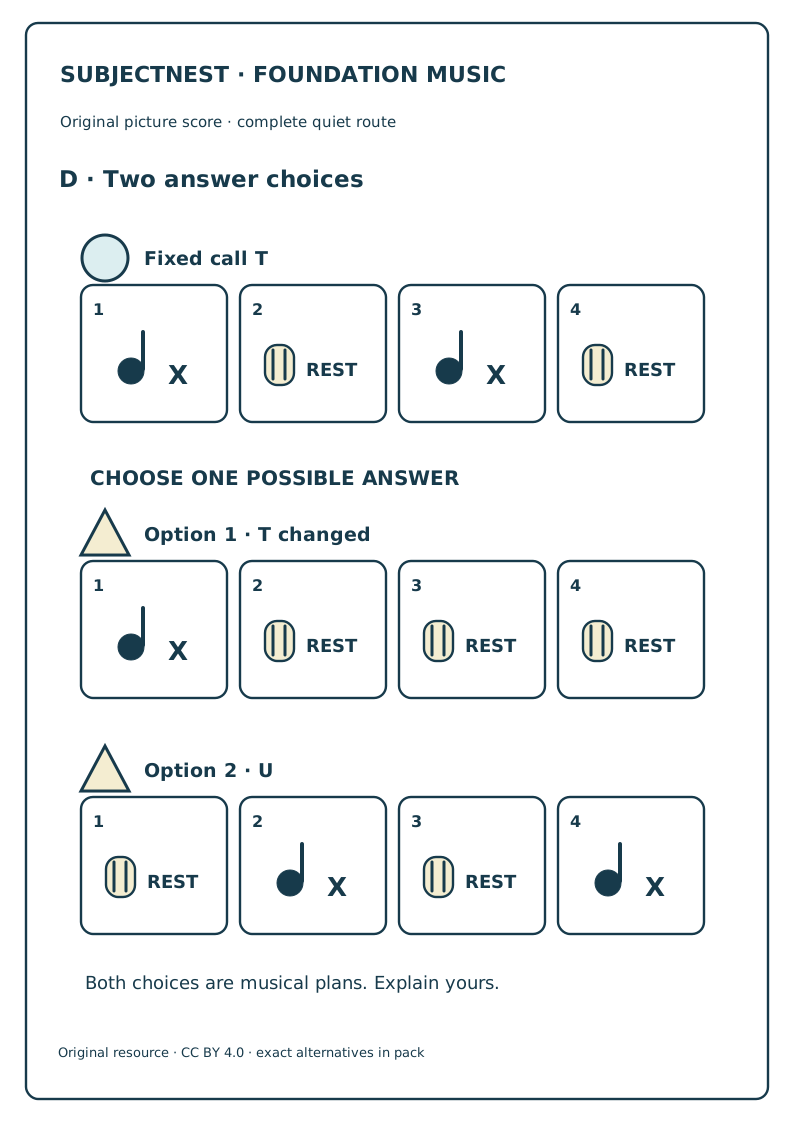
D · Choose an answer for a musical reason
First phrase remains T. Reply option 1 is changed T′ = X REST REST REST, one event. Reply option 2 is a contrasting U = REST X REST X, two events. T | T′ has three events; T | U has four. Both use eight beat places. See the D answer board. Children choose a reason such as “I want a single reply mark” or “I want the reply to begin quietly.” No score guarantees a listener will feel a named emotion.
E · Two sources are a plan
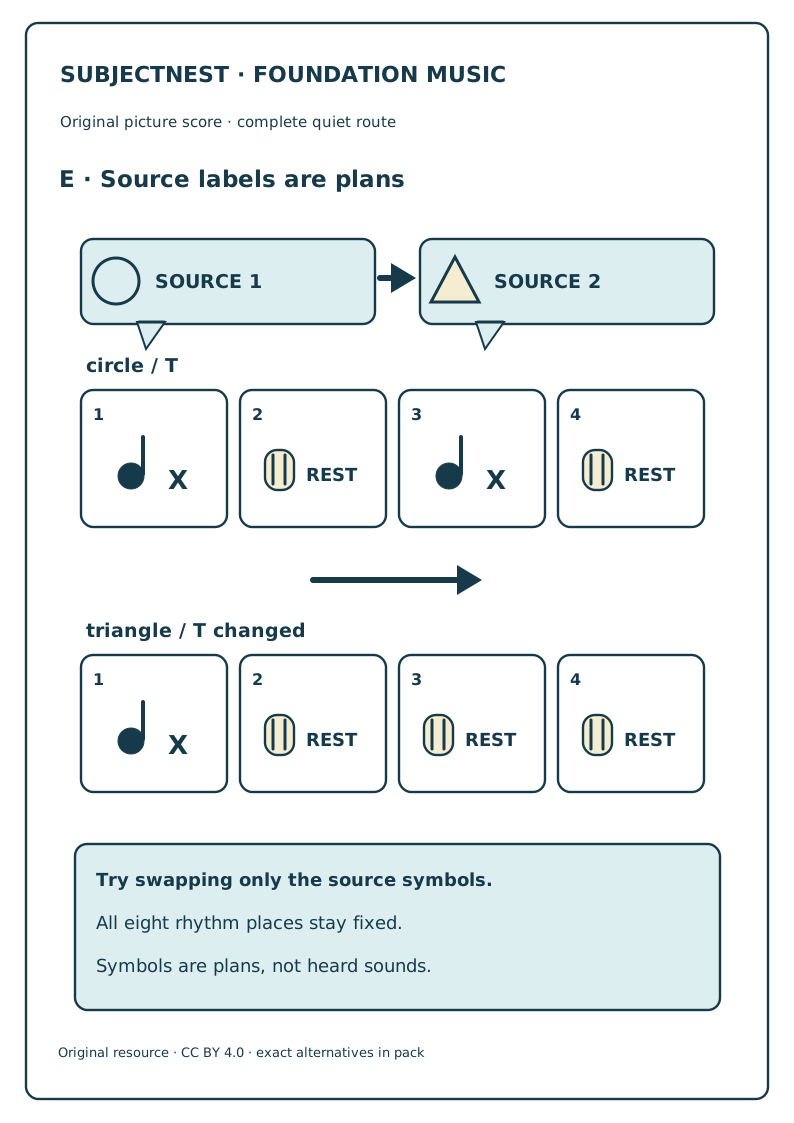
Add circle to T and triangle to T′, or swap the labels while holding all eight rhythmic cells fixed. A symbol can stand for an approved sound source later. It does not itself prove that the source was heard, had a particular timbre, or was made by the child. If locally reviewed, candidate O has two synthetic pure tones at different pitches; see exact event transcript. E source board works completely silently.
F · Make and label an original pair
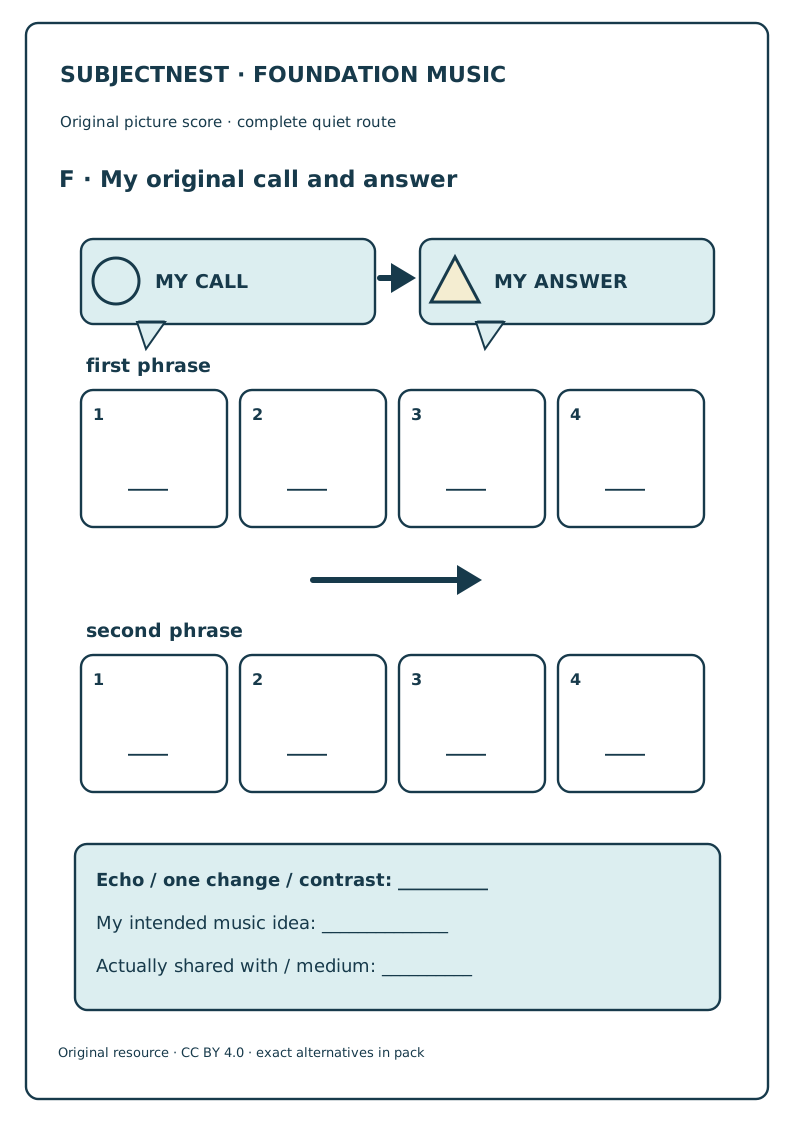
On the F maker/share board, design two groups of four with X/REST marks. The answer can exactly echo the call, change one cell, or contrast in a child-explained way. Add abstract role/source labels and say what the musical plan is intended to do. The adult model X X REST REST / X REST REST REST changes local count 2 only in the reply. Record actual sharing only after a willing person receives the child's work; a planned recipient does not count.
The two fresh public check prompts and source patterns are in STUDENT-CHECKS.md, with worked answers in educator-only key. A correct paper score is partial composing evidence; hearing, controlled timed playing and audience receipt require separate real observations.