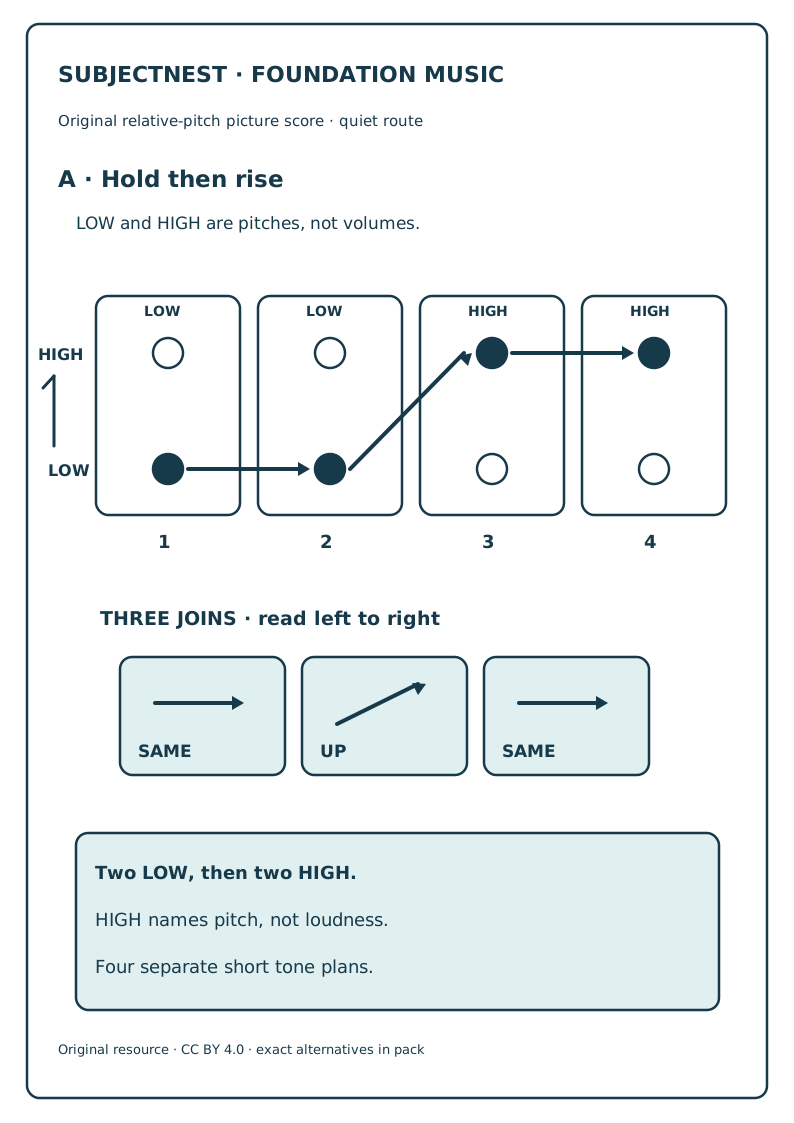
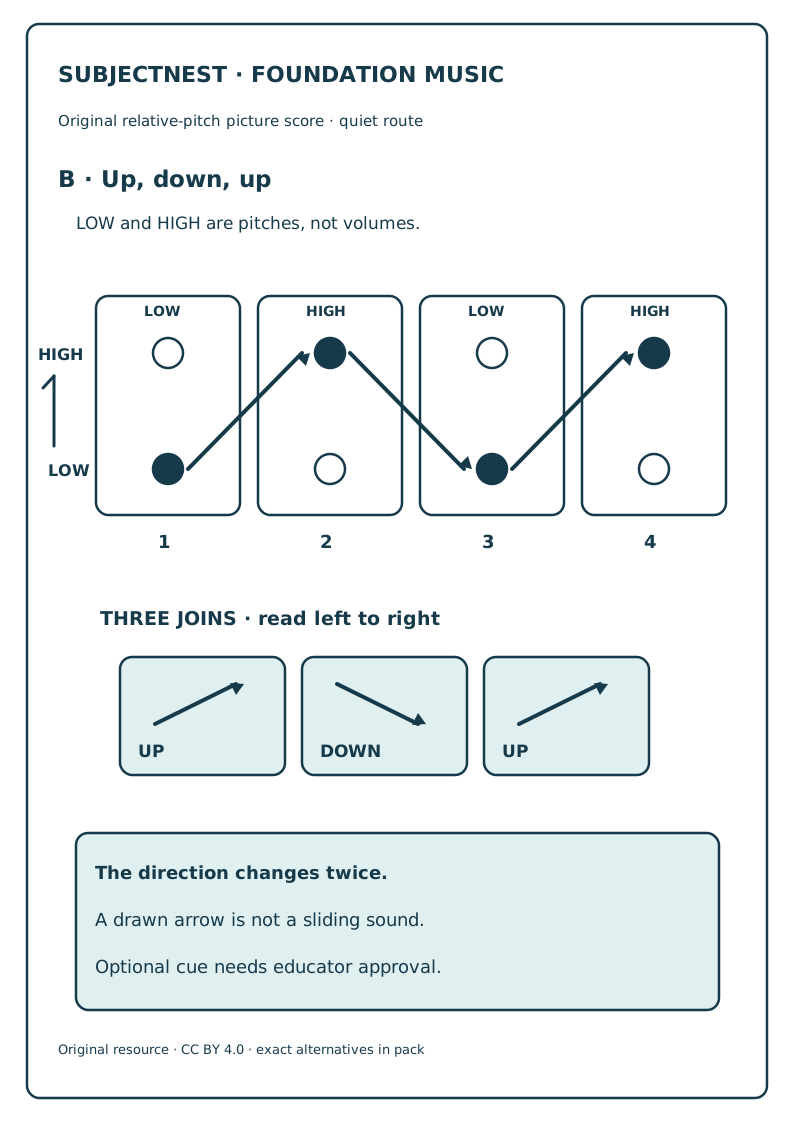
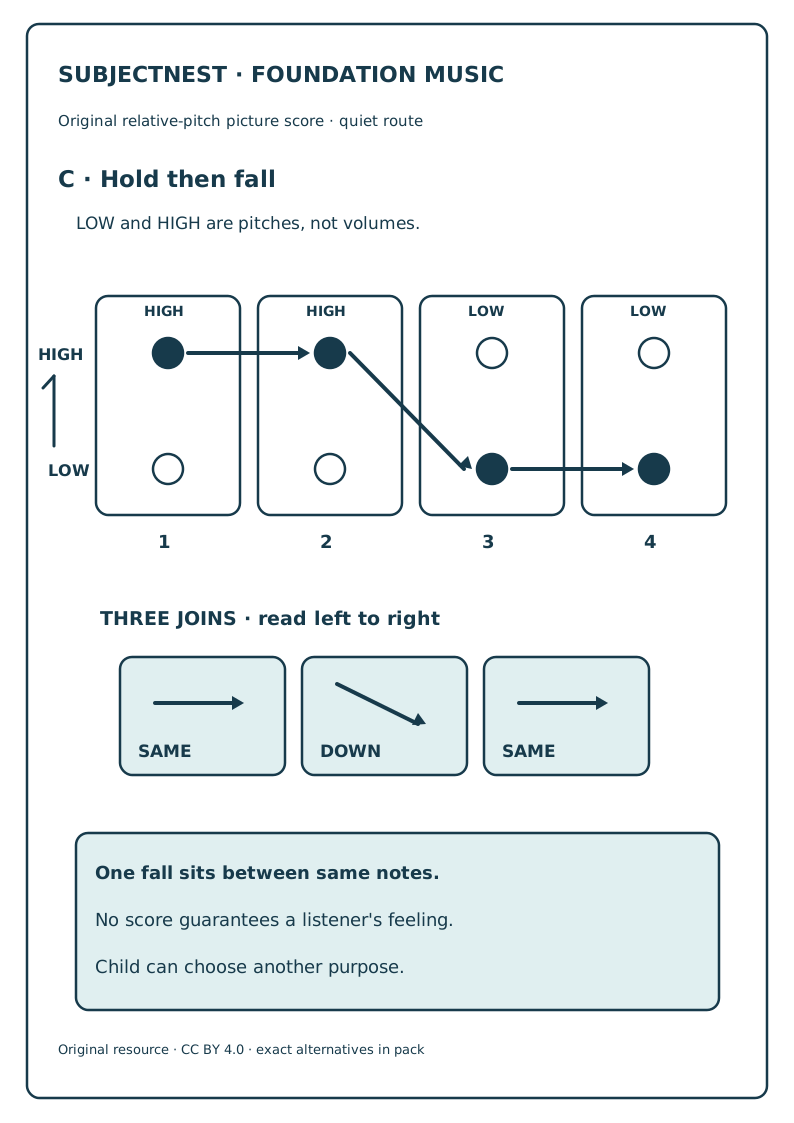
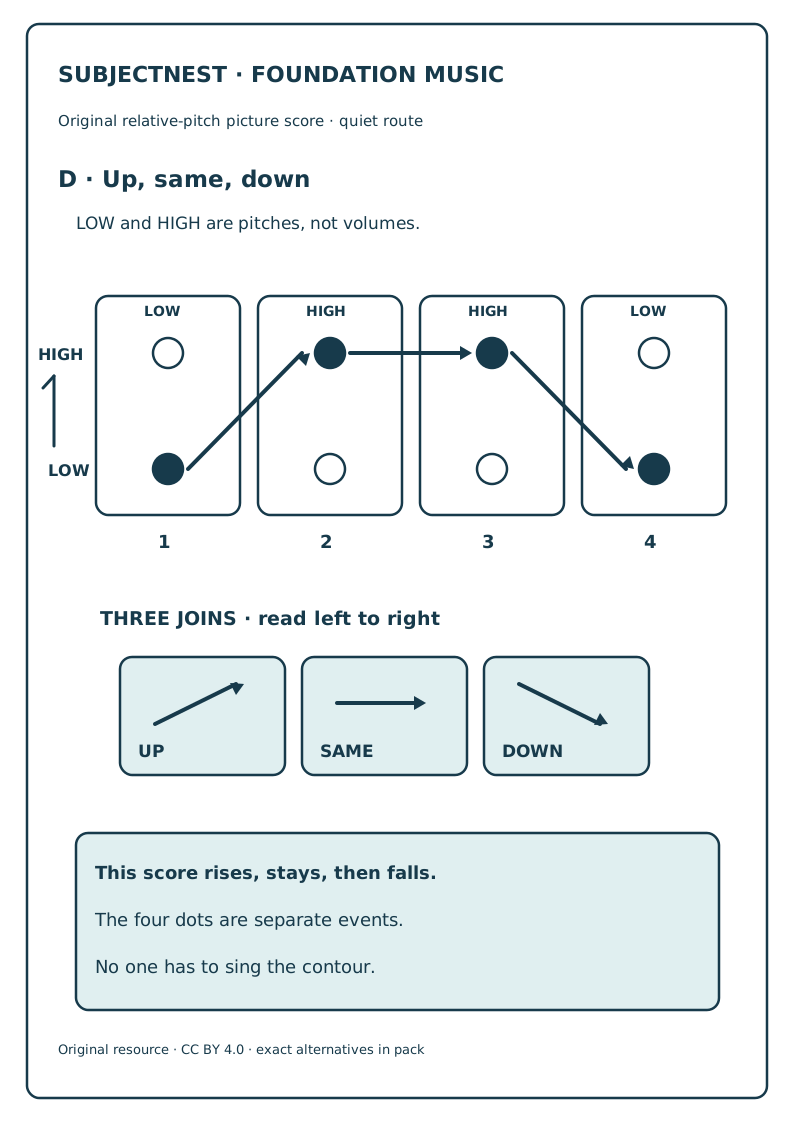
This pack uses one planned short tone at each numbered place, read left to right. LOW and HIGH are two relative pitch choices in our invented pair; HIGH is not “louder,” a demand to sing high, or the upper simultaneous line from Weeks 11–12. A connecting line shows the intended pitch shape between dots, not continuous sliding sound. Three joins between four places are named SAME, UP or DOWN. Fixed broad LOW/HIGH cards or two raised rails keep the target available without hearing or fine motor demands. Optional pure-tone candidates are held for educator listening/volume review. These are graphic inventions, not cultural melodies or formal staff notation.
A · Hold then rise
LOW LOW HIGH HIGH: join 1→2 SAME; 2→3 UP; 3→4 SAME. Four separate planned short tones. A illustrated contour places filled dots on visibly separate LOW/HIGH rails with four numbers. If locally reviewed, candidate A (playback review held) presents the pair. A silent card reader can state the planned direction but cannot prove heard pitch.
B · Up, down, up
LOW HIGH LOW HIGH: three joins UP / DOWN / UP. The B zigzag is a shape of pitch choices, not a physical travel or a volume pattern. Optional candidate B (playback review held) sounds the original short-tone plan only after review.
C · Hold then fall
HIGH HIGH LOW LOW: three joins SAME / DOWN / SAME. The C fall sheet contrasts with B because pitch changes once. Do not prescribe a universal “sad” listener feeling from this shape.
D · Up, same, down
LOW HIGH HIGH LOW: three joins UP / SAME / DOWN. The D arch board offers a child a four-place pitch shape for a self-chosen non-personal purpose. A paper arch alone does not prove played pitch, timing or audience meaning. Optional candidate D (playback review held) is an independent, candidate rendering.
E · One pitch revision
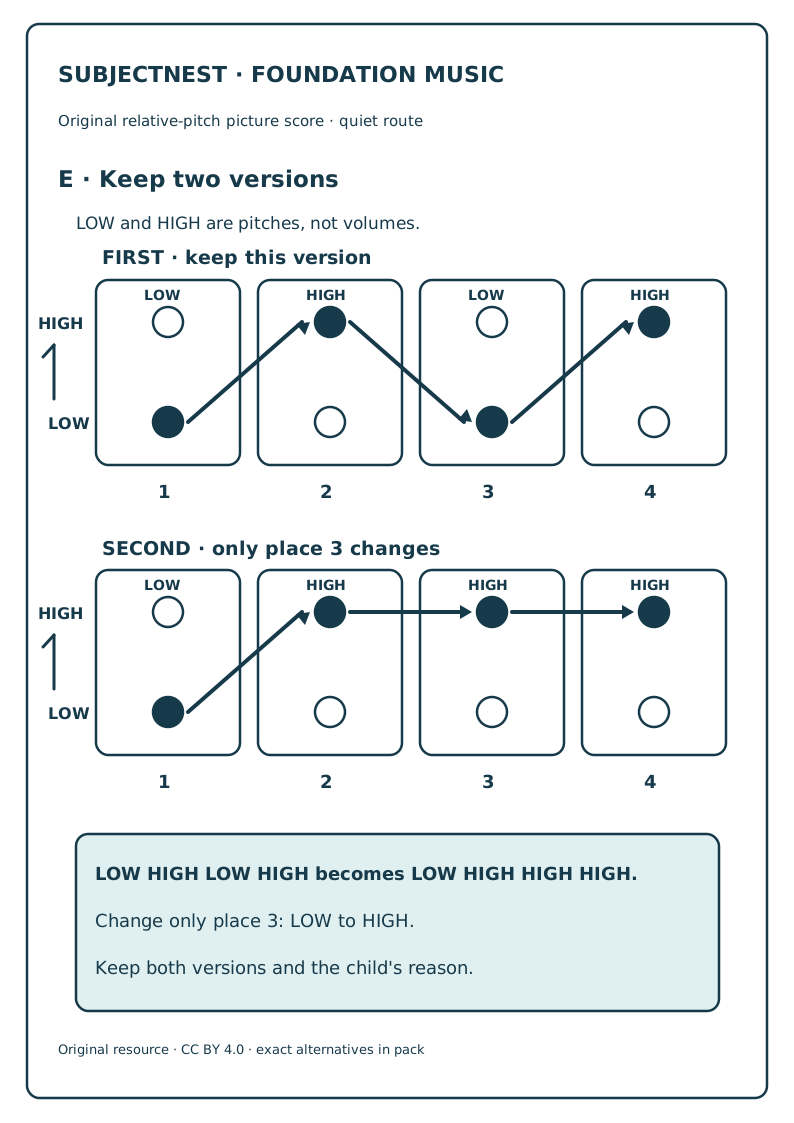
Keep a first version LOW HIGH LOW HIGH. On a separate second row, change only place 3 LOW to HIGH: LOW HIGH HIGH HIGH. Direction key changes from UP / DOWN / UP to UP / SAME / SAME. The E two-version board shows both versions and the one changed mark. A child can instead direct a different coherent one-cell change during free play; the adult records the actual choice. Keep first and revised work, as Week 14's “look again” method does for a record; do not call this a plant observation.
F · Compose and keep a reader key
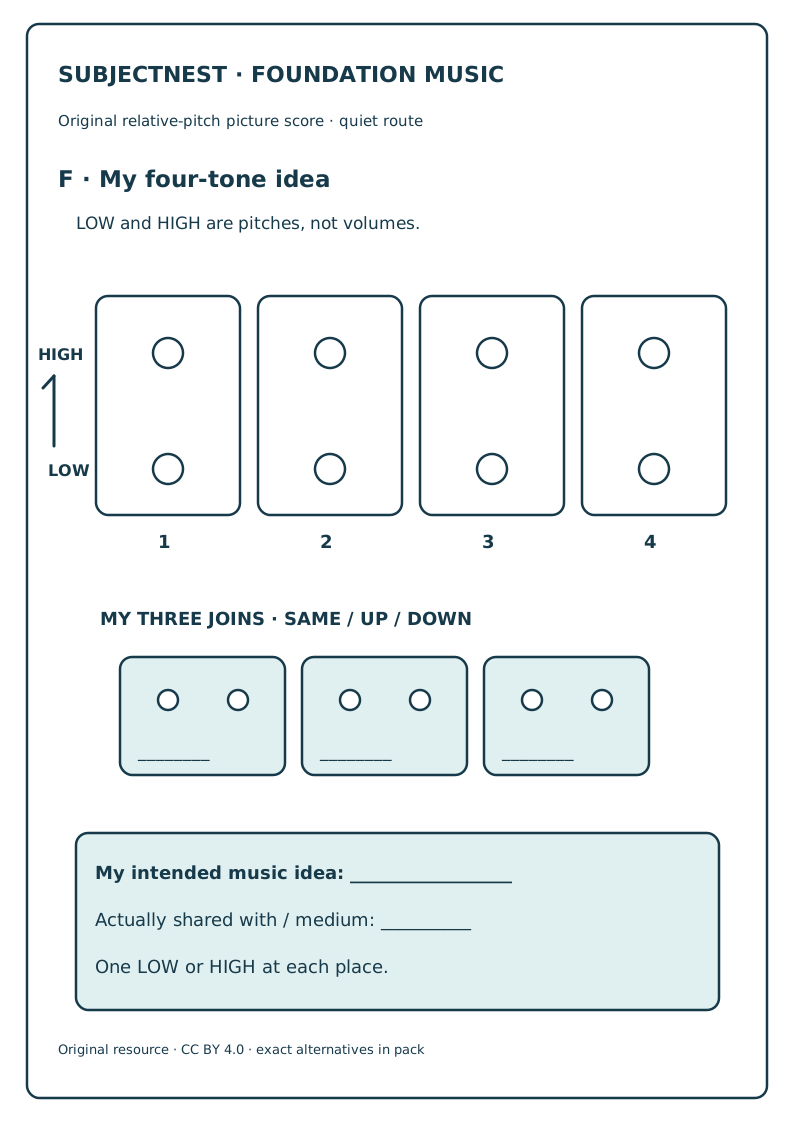
On the F blank maker, choose one LOW/HIGH pitch in each of four places, add the three-join SAME/UP/DOWN key, and state an intended musical effect. A child may choose all same pitches if that is their idea. Adult model distinct from checks: HIGH HIGH HIGH LOW gives SAME / SAME / DOWN. Record an actually willing recipient and score/sound medium only if sharing occurs. A blank recipient line is honest.
Fresh S/T prompts and unfamiliar sources are only in student checks; solutions remain in the educator key. Correct cards can show a composing/reading plan. Hearing a pitch interval, playing it, maintaining pace and reaching an audience need separate real observations.