Each session totals 3 + 4 + 5 + 7 + 4 + 2 = 25 minutes. A contour has one LOW or HIGH planned short tone in each of four numbered places. Read left to right; compare neighbouring places as SAME, UP or DOWN. HIGH is higher pitch than LOW in this invented pair. It does not mean louder, better, a person's vocal ability or a physical object going up. Offer three same-target routes, high-contrast broad fixed cards, two raised pitch rails, AAC, pointing and a neutral reader/scribe. A child may pass, stop or change route. Optional sound requires an educator's human listening and comfortable-volume approval on intended equipment, plus child consent. Silent notation fully serves the pitch-planning target, but cannot prove hearing or production.
Week 13 · Day 61 · Four tones can hold and rise
Target/codes: plan LOW LOW HIGH HIGH and name SAME at 1→2, UP at 2→3, SAME at 3→4; AC9AMUFD01, AC9AMUFC01. Prepare: A contour picture, Practice A, wide numbered strip and two fixed pitch rails.
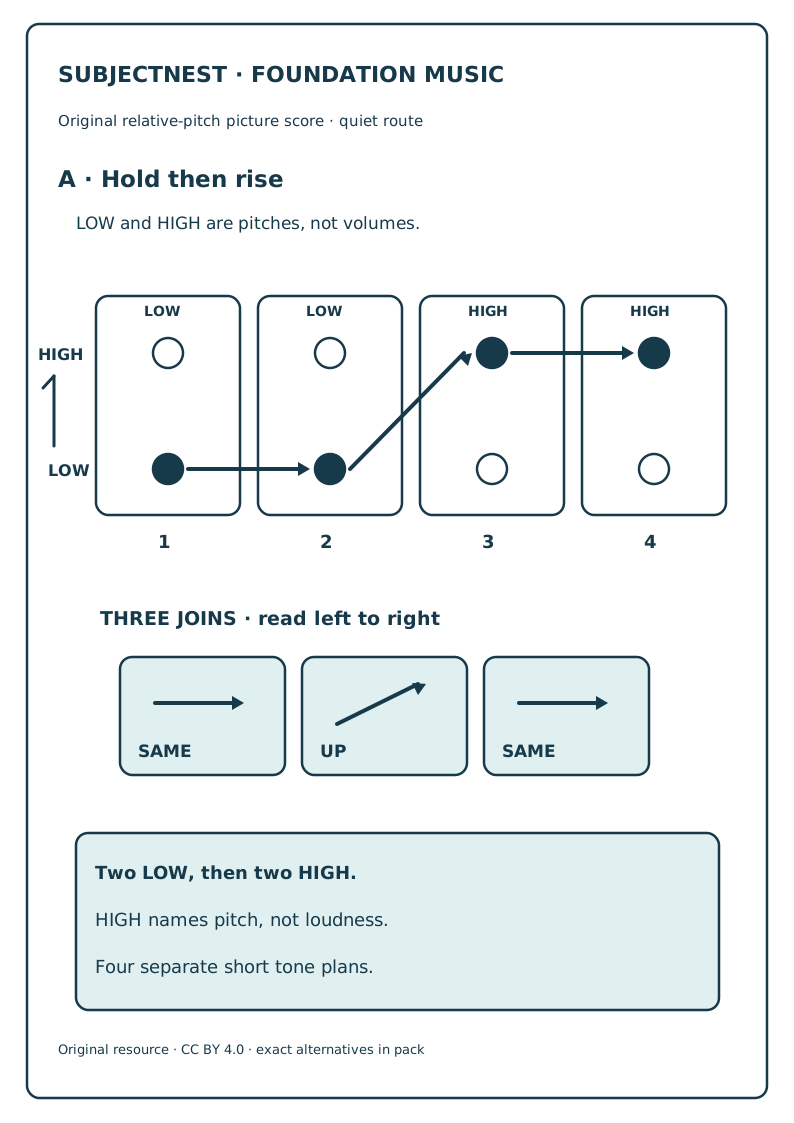
- Welcome · 3 min. Revisit earlier LOW/HIGH labels, now across four places. Name HIGH as pitch, not volume or a physical height.
- Model · 4 min. Place two LOW dots then two HIGH dots. Trace three joins left to right: same level, up one level, same level.
- Try together · 5 min. Child chooses SAME/UP/SAME cards or uses a tactile two-rail guide. Four dots are four planned short tone events.
- Child choice · 7 min. Child chooses a plain contour or an invented paper lift scene and explains where the music plan rises. Optional candidate A cue only after local human review.
- Notice · 4 min. Save actual card order and child reason. A paper upward line does not show the child heard a higher tone.
- Close · 2 min. Keep the two pitch rails for a changing direction tomorrow.
Week 13 · Day 62 · A contour can change direction
Target/codes: plan LOW HIGH LOW HIGH and name UP, DOWN, UP; AC9AMUFD01, AC9AMUFC01. Prepare: B zigzag, Practice B, broad direction arrows.
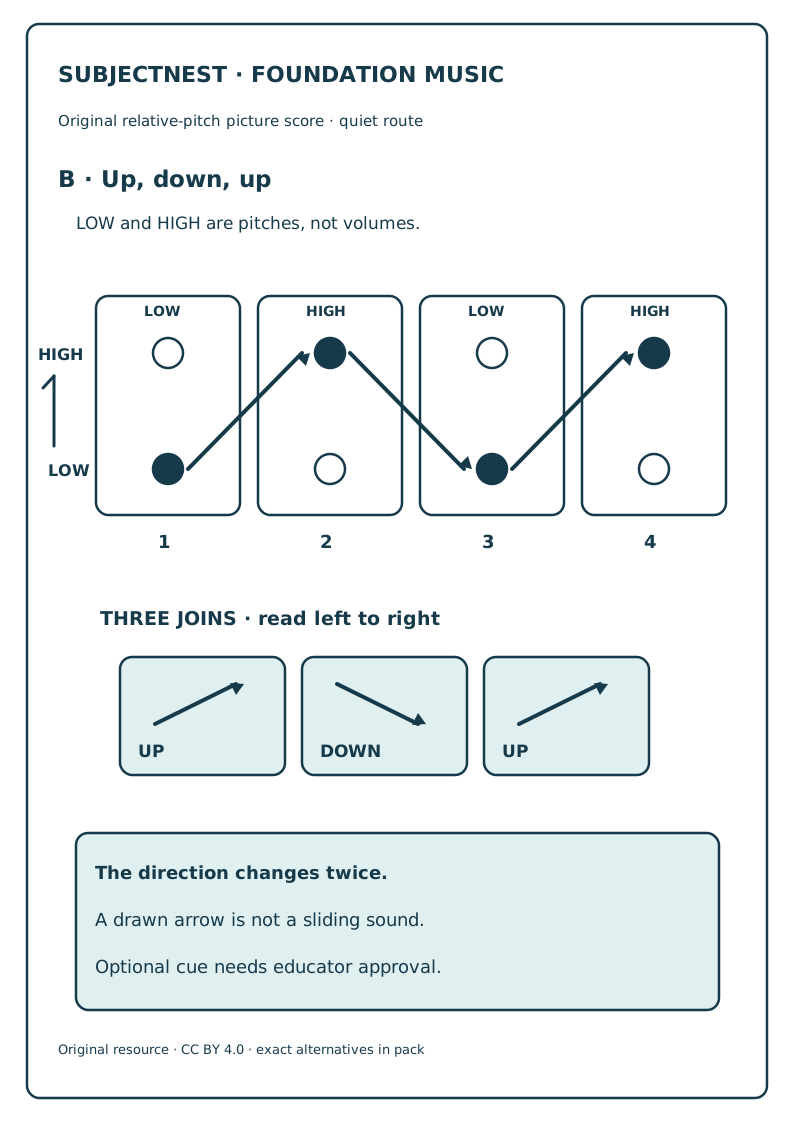
- Welcome · 3 min. Show LOW/HIGH as two available choices at every one of four places.
- Model · 4 min. Set LOW HIGH LOW HIGH; trace each neighbouring pair. The direction changes twice without any rest or extra layer.
- Try together · 5 min. Child places UP, DOWN, UP cards under the three joins; adult checks the first pair before moving on.
- Child choice · 7 min. Child chooses an invented storybook trail or plain score and makes a different four-tone arrangement if desired; they identify at least one direction from their own score. Optional reviewed candidate B can be listened to, not demanded.
- Notice · 4 min. Record the sequence, indicated direction and whether any real sound was actually perceived separately.
- Close · 2 min. Save the zigzag beside tomorrow's contour that falls once.
Week 13 · Day 63 · A fall can sit between same notes
Target/codes: compare HIGH HIGH LOW LOW with yesterday's zigzag and identify SAME, DOWN, SAME; AC9AMUFD01, AC9AMUFC01. Prepare: C fall picture, Practice C, two large pitch rails.
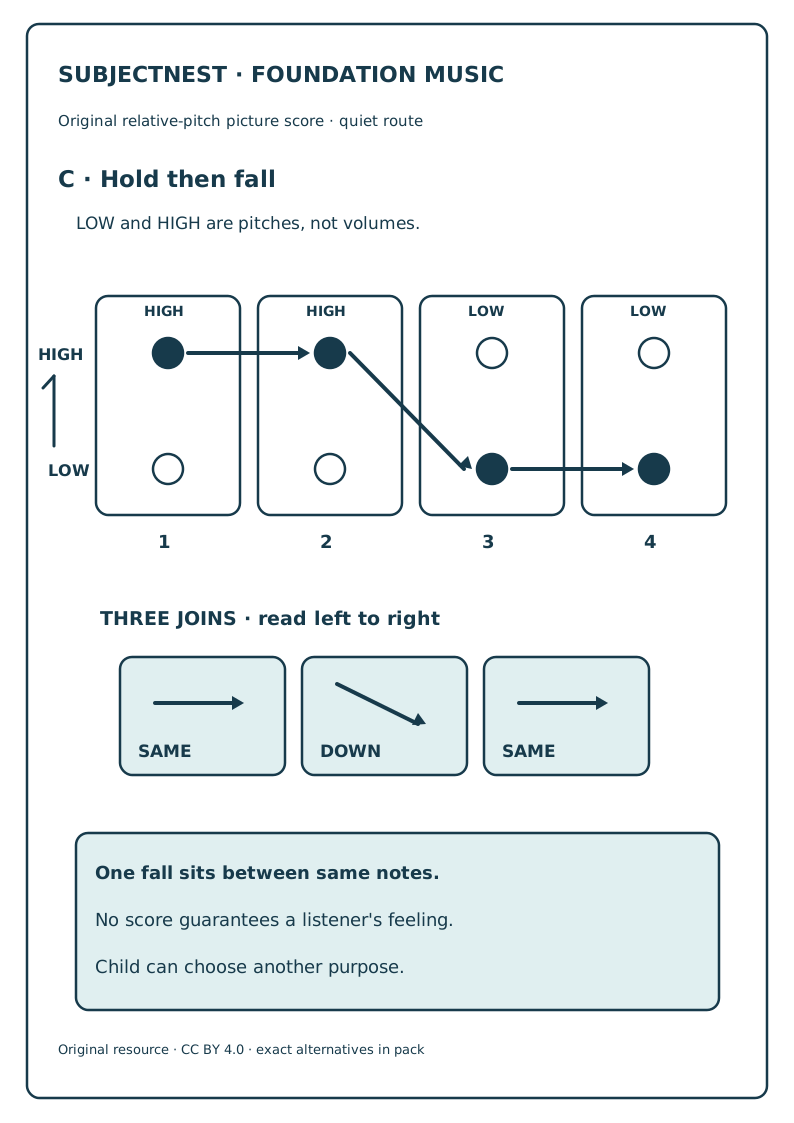
- Welcome · 3 min. Put the two scores side by side, each with four places and one dot at each.
- Model · 4 min. Trace HIGH HIGH LOW LOW: equal first pair, lower pitch at place 3, equal last pair. Do not claim “falling” makes a real listener sad.
- Try together · 5 min. Child pairs each of three joins with SAME, DOWN or SAME and says/shows one contrast with LOW HIGH LOW HIGH.
- Child choice · 7 min. Child picks either contour for a fictional paper character's scene or no scene and explains an intended musical difference. No real person's or family's feeling is inferred.
- Notice · 4 min. Save which version and reason the child chose, not a guessed listener reaction.
- Close · 2 min. Keep the high/low rails; tomorrow a contour can rise then fall.
Week 13 · Day 64 · Make an arch on the score
Target/codes: create LOW HIGH HIGH LOW as UP, SAME, DOWN and explain it as one invented pitch idea; AC9AMUFD01, AC9AMUFC01. Prepare: D arch, Practice D, broad mark cards.
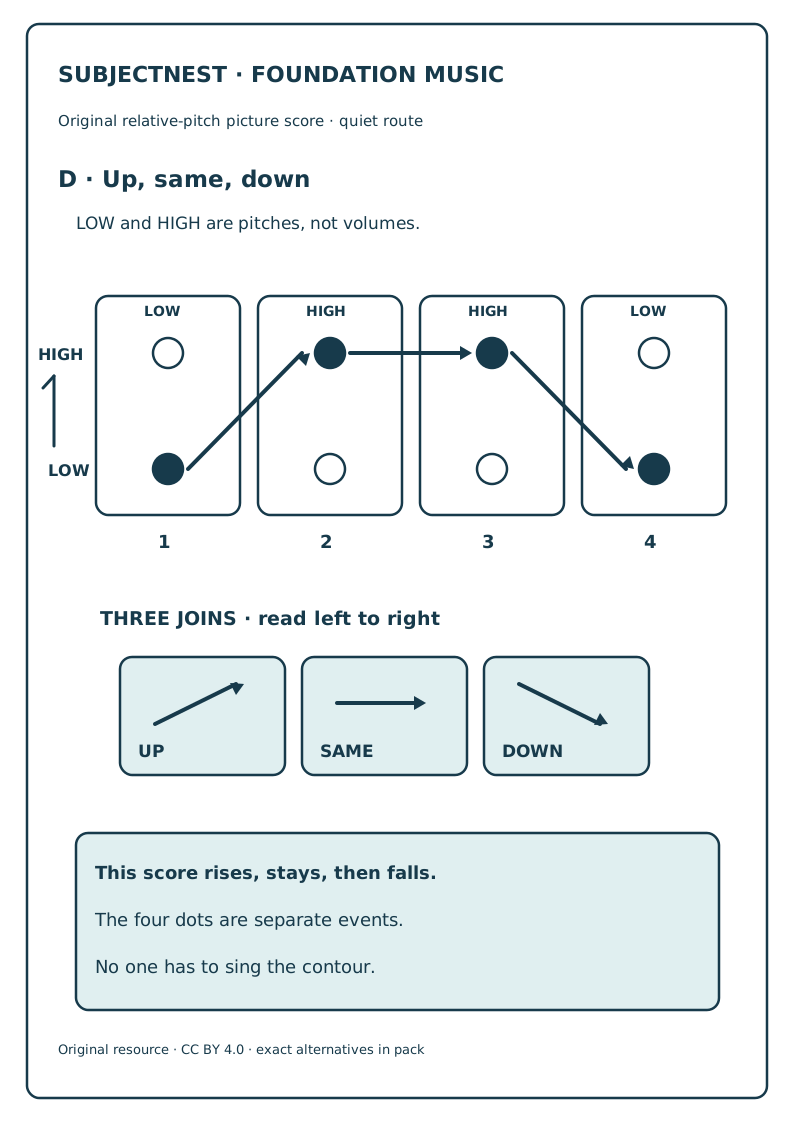
- Welcome · 3 min. Show a drawn arch shape without assigning it a real world result or mood.
- Model · 4 min. Place LOW at 1, HIGH at 2 and 3, LOW at 4. Trace UP, SAME, DOWN across the three joins.
- Try together · 5 min. Child matches each graph dot to a LOW/HIGH label and identifies the middle SAME place pair.
- Child choice · 7 min. Child chooses arch, inverted arch or a self-made contour for a made-up book page or plain music score, then states what the change is intended to highlight. A neutral adult can place child-directed cards.
- Notice · 4 min. Record authored labels and intended contrast, not what a real audience heard.
- Close · 2 min. Put practice pictures away; tomorrow the first fresh check has an unfamiliar contour.
Week 13 · Day 65 · Fresh Check S: three joins
Target/codes: independently read an unfamiliar four-tone contour and label its three successive pitch directions; AC9AMUFD01. Prepare: public S, S A4, broad SAME/UP/DOWN cards; key closed.
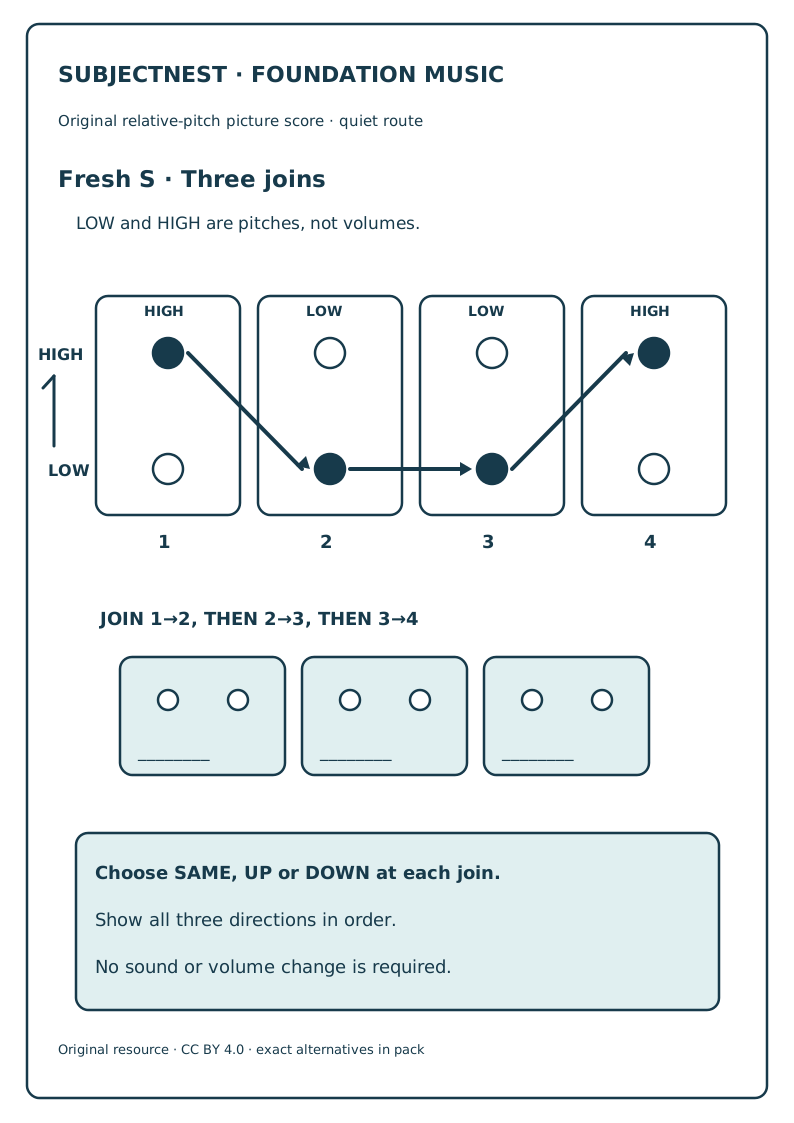
- Welcome · 3 min. Explain this new paper music puzzle guides the next lesson, with no sound or speed requirement.
- Access · 4 min. Present HIGH LOW LOW HIGH across numbered places 1–4, by print, raised rails or neutral read-aloud. Do not name the three joins.
- Independent plan · 5 min. Child compares place 1 to 2, 2 to 3, and 3 to 4 separately.
- Child response · 7 min. Save the first complete ordered three-card direction answer and explanation by cards, AAC, drawing, pointing or neutral scribe.
- Self-check · 4 min. Child traces all four pitch marks and three gaps without an adult placing a solution.
- Close · 2 min. Later consult the separate key; after-check swaps use unrelated sources.
Week 14 · Day 66 · Pitch is not loudness
Target/codes: keep LOW HIGH LOW HIGH as a pitch-label sequence while separating a pitch change from an optional comfortable volume decision; AC9AMUFD01, AC9AMUFC01. Prepare: B zigzag, Practice B, independent PITCH/VOLUME prompt cards.
- Welcome · 3 min. Say HIGH in this score describes pitch, not a request for louder sound or a child to strain.
- Model · 4 min. Hold the four pitch cards fixed; put a separate “comfortable level” card beside, not on, the HIGH rail. The electronic cues are generated at fixed digital gain, which does not guarantee equal perceived loudness.
- Try together · 5 min. Child points to one UP pitch join and separately chooses whether sound is wanted at all.
- Child choice · 7 min. Child labels a fictional paper scene or plain score and may keep a silent route, view an approved cue or ask a willing adult to make a safe sound. No vocal holding or exact singing is required.
- Notice · 4 min. Record pitch plan separately from any actual heard pitch/volume response. A paper HIGH card does not establish either acoustic result.
- Close · 2 min. Keep one version for a “look again” comparison tomorrow.
Week 14 · Day 67 · Revise one pitch, keep the first version
Target/codes: in LOW HIGH LOW HIGH, change only place 3 from LOW to HIGH, producing LOW HIGH HIGH HIGH, and compare before/after directions; AC9AMUFD01, AC9AMUFC01. Prepare: E two-version board, Practice E, broad HIGH cover.
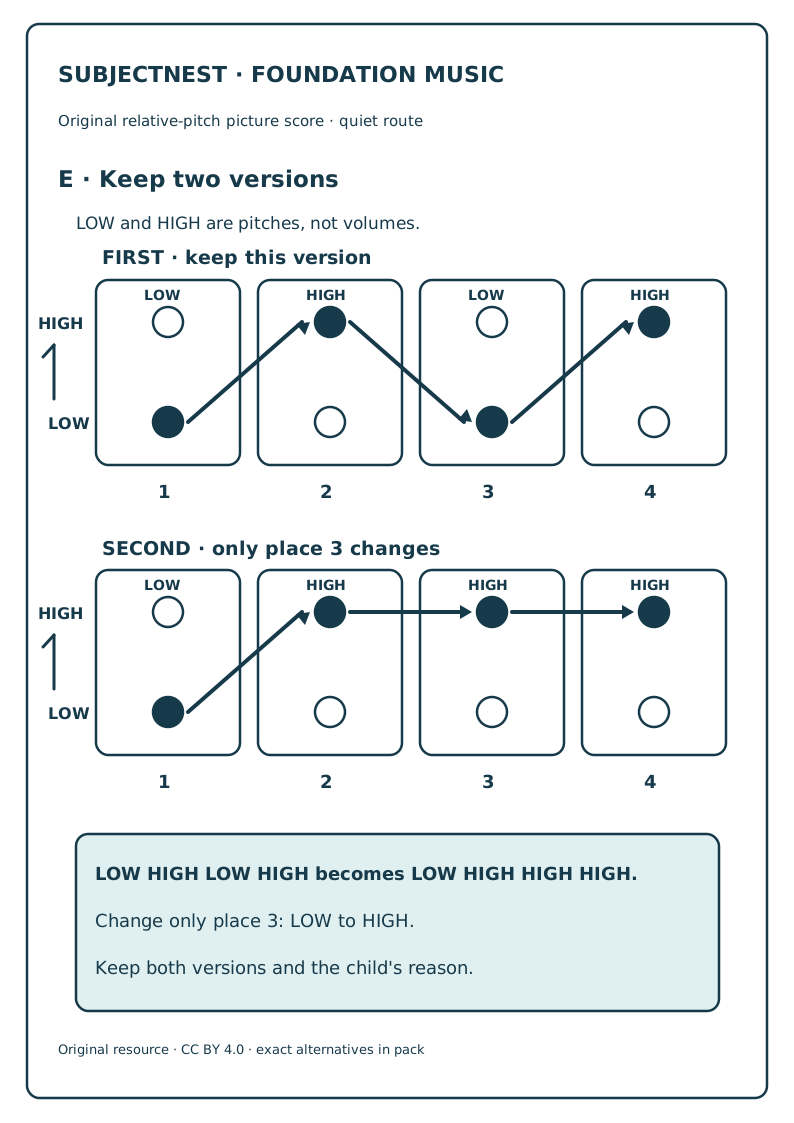
- Welcome · 3 min. Revisit a dated first score. The Week 14 idea of looking again applies to the score, not to a real plant.
- Model · 4 min. Preserve LOW HIGH LOW HIGH at the top. Change only third mark in a new lower version. Joins change from UP/DOWN/UP to UP/SAME/SAME.
- Try together · 5 min. Child overlays the two four-place versions and points to the single changed pitch label.
- Child choice · 7 min. Child makes or declines the one-note revision for a fictional paper garden sound idea or plain contour and explains a musical reason. Keep both versions.
- Notice · 4 min. Save original, revision, exact changed place and child's intention; do not claim a plant changed or a listener preferred it.
- Close · 2 min. Offer a blank board tomorrow for an entirely child-authored contour.
Week 14 · Day 68 · Compose an original contour
Target/codes: author four LOW/HIGH pitch choices and a three-join reader key with an intended musical effect; AC9AMUFD01, AC9AMUFC01. Prepare: F maker board, Practice F, broad LOW/HIGH and SAME/UP/DOWN cards.
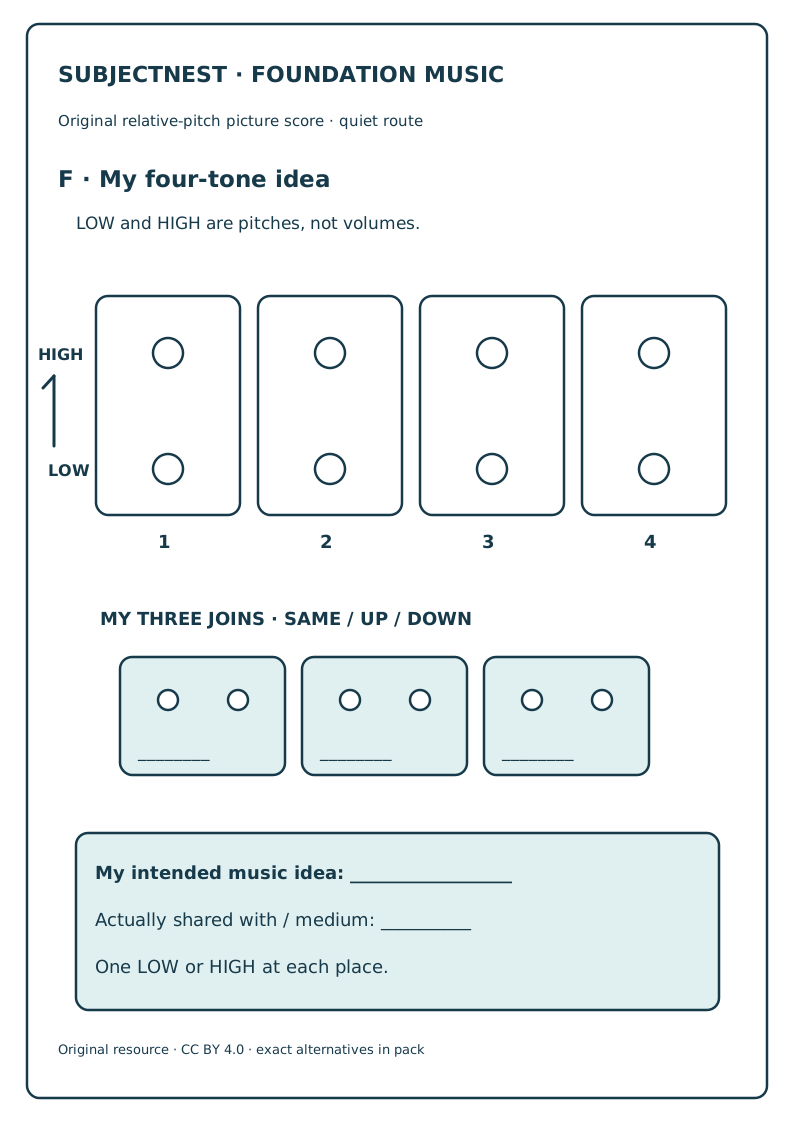
- Welcome · 3 min. Offer four empty places on two raised rails; one planned tone per place. Same pitch throughout is allowed if intentional.
- Model · 4 min. Adult invents HIGH HIGH HIGH LOW and reads SAME/SAME/DOWN. This is a model, not the fresh S or T source.
- Try together · 5 min. Child changes at least one adult mark in a practice copy and reads any changed join.
- Child choice · 7 min. Child authors their own four-place contour, creates a three-join key, and says/shows an intended effect through AAC, drawing, pointing or neutral scribe. Optional approved sound is separate.
- Notice · 4 min. Save child's first authored score, key and reason, including response route. No guessed acoustic success.
- Close · 2 min. Let the maker decide whether to show it privately tomorrow.
Week 14 · Day 69 · Real maker and willing audience
Target/codes: ask a source-grounded question about a locally authorised real work if available, and offer the child's original contour to an actually willing recipient if chosen; AC9AMUFE01 and AC9AMUFP01 only under their separate real conditions. Prepare: F share log, authentic source hold, saved child score.
- Welcome · 3 min. Offer private paper sharing, approved comfortable sound, puppet rehearsal, quiet observation or pass. No public solo or recording.
- Model · 4 min. Educator shares their own invented contour with a willing adult. If a real permitted work is available, name its maker and context source; otherwise leave the inquiry held.
- Try together · 5 min. Ask who made that real work and what the maker/approved source says about its use. Do not infer a cultural purpose from high/low marks.
- Child choice · 7 min. Child chooses whether a willing person receives their original score/sound, or to rehearse/pass. They may withdraw at any time.
- Notice · 4 min. Record actual recipient and medium if received; separately record real work, source and child response if an encounter occurred. An unreceived offer is not audience evidence.
- Close · 2 min. Return authorship and score to child. The final check uses a new one-pitch revision.
Week 14 · Day 70 · Fresh Check T: change the last pitch
Target/codes: independently revise one pitch in an unfamiliar four-place source and identify the changed final join; AC9AMUFD01, AC9AMUFC01. Prepare: public T, T A4, broad LOW/HIGH cards; keep key closed.
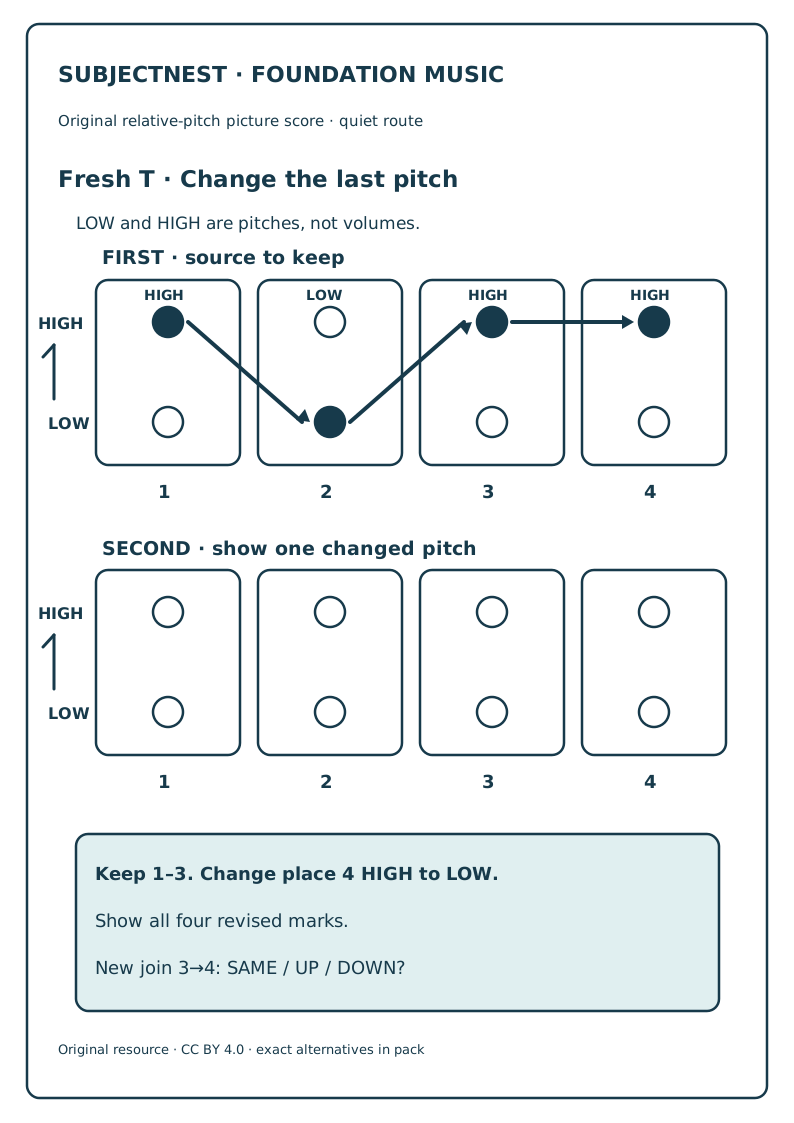
- Welcome · 3 min. The final paper score puzzle guides next teaching. It needs no sound source or performance.
- Access · 4 min. Present HIGH LOW HIGH HIGH. Brief: keep places 1–3 exactly, change place 4 from HIGH to LOW, then name direction from 3 to 4 in the revised score. Do not model the revised row.
- Independent plan · 5 min. Child plans complete first and revised scores using two rails or print.
- Child response · 7 min. Save the first revised four-mark contour, indicated changed place and final-join direction via cards, AAC, drawing, pointing or neutral scribe.
- Self-check · 4 min. Child checks unchanged 1–3 and the one changed final mark, with no solution hint.
- Close · 2 min. Use separate key for next steps. Hearing, production and real sharing still need their own evidence.