These checks and their separate worked feedback are public. They are not secure school assessment instruments. Keep a first response before looking at feedback. Choose opt-in acting, directing with paper objects, or exact text/script analysis. No one must disclose a personal experience, use touch, record a voice, perform publicly or depict a culture. A neutral reader/scribe can carry out instructions without choosing the staging. A teacher may extend the seven-minute initial response window for access. More than one dramatic decision can be sound when evidence is accurate.
Day 5 Check A · The folded map (File G)
New original File G: A4 SVG, searchable PDF, exact text and tactile arrangement. This scene was not used in practice A–F. The imagined place is a maker lab. TALA says, “The arrow points both ways.” NORI says, “The model goes on display in one minute.” TALA proposes turning paper to read a key; NORI warns the key belongs to another model. The map and model are separate; no correct route is revealed.
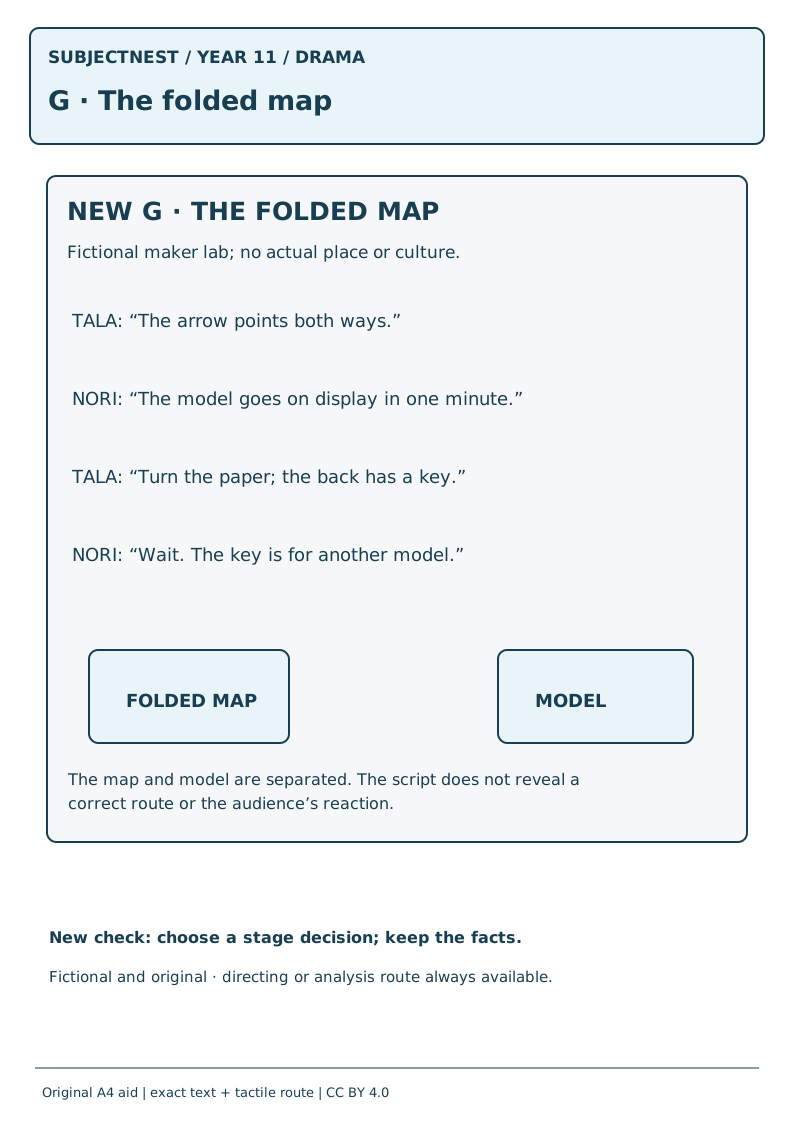
- List two facts actually stated or shown and one unresolved question. Do not invent the right model route.
- Choose one directing decision: where a role/paper marker faces, which object receives focus, or where a two-count pause falls. Keep the four lines and their facts. Draw/describe the arrangement, direct cards, or opt in to a reading. State the intended purpose and cite an exact line/space/time cue.
- Evaluate one possible audience effect and one limit: what might be understood, and what the short script alone cannot prove about the correct key or every audience member’s response.
Before handing in: Did your decision show a purpose without pretending to know a missing answer?
Day 10 Check B · The empty hook (File H)
New original File H: A4 SVG, searchable PDF, exact text and tactile arrangement. This scene was not in A–F or G. In a fictional display room, SA says the display card is ready. TEO says the model remains on the workbench. SA says posting the card now creates expectation. TEO proposes showing the empty hook first. The hook, card and model are three separate objects; a finished display is not shown.
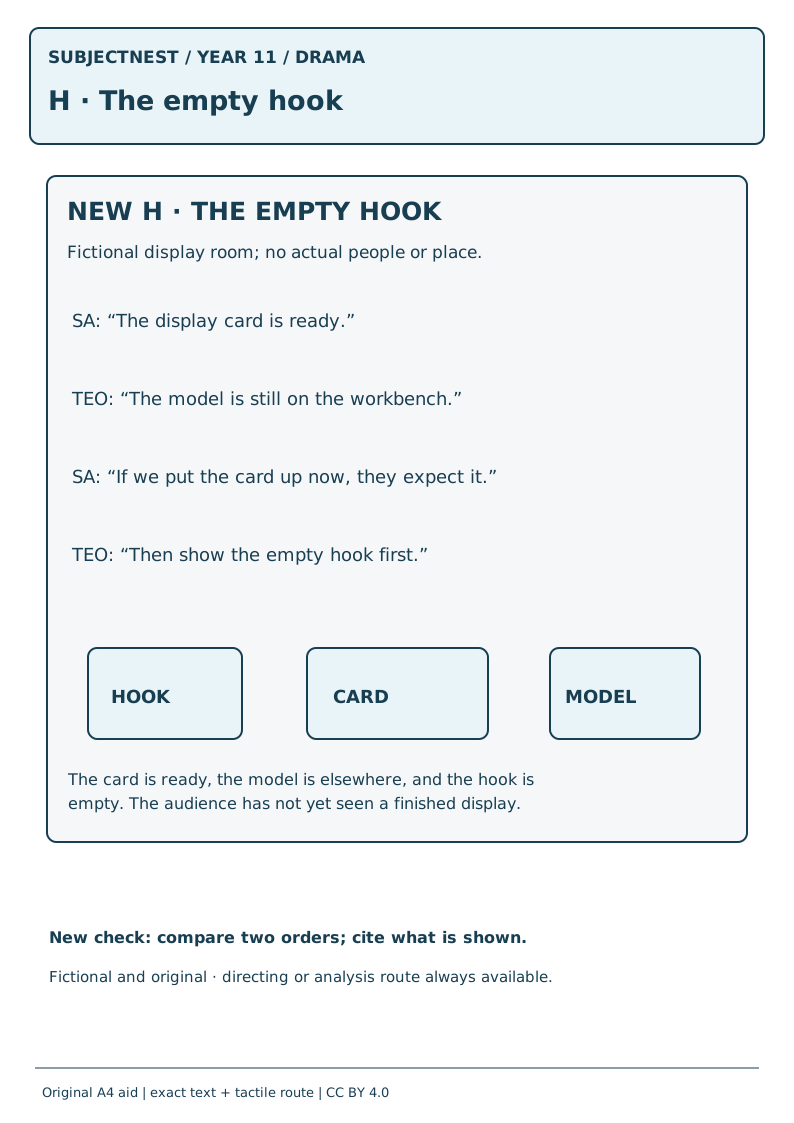
- Mark two facts and one inference or audience question. Then make two clear opening orders: a linear telling following the stated conversation, and an altered opening that shows the empty hook first. Label any later return to earlier action so time remains understandable.
- Choose one line, space, focus or pause decision for the altered opening. Explain a possible purpose and effect with exact H evidence. State one thing the text/diagram cannot establish.
- A peer suggests using a photo of a real theatre production from an online page in a freely shared class sheet. Identify a source/rights concern and name an original or permission-based alternative. Do not copy a production image into this answer.
Before handing in: Is the model still on the workbench at the beginning? Is the altered order legible? Does your evaluation separate evidence from a guaranteed reaction?