Australian draft for school review · 29 September 2026. Fifty optional, standalone 12-minute blocks across Days 11–20 (Weeks 3–4): ten Science, ten HASS, ten HPE, ten Technologies (five Design and Technologies and five Digital Technologies), and ten Arts (two each in Dance, Drama, Media Arts, Music and Visual Arts). Each is 2 minutes notice, 7 minutes try or make, 3 minutes show. They complement the Year 3 opening fortnight and authored English and mathematics Weeks 3–4 packs. This is a menu, not a requirement to add five extra periods daily or a complete allocation for these subjects.
| Subject | Teacher's ten blocks | Clean learner cards | Separate checks / next moves | Original A4 aid |
|---|---|---|---|---|
| Science · observation and temperature claims | Teacher | Learner | Key | SVG · PDF |
| HASS · sources, rules and participation | Teacher | Learner | Key | SVG · PDF |
| HPE · respectful choices and safe movement | Teacher | Learner | Key | SVG · PDF |
| Technologies · paper design and algorithms | Teacher | Learner | Key | SVG · PDF |
| The Arts · five distinct forms | Teacher | Learner | Key | SVG · PDF |
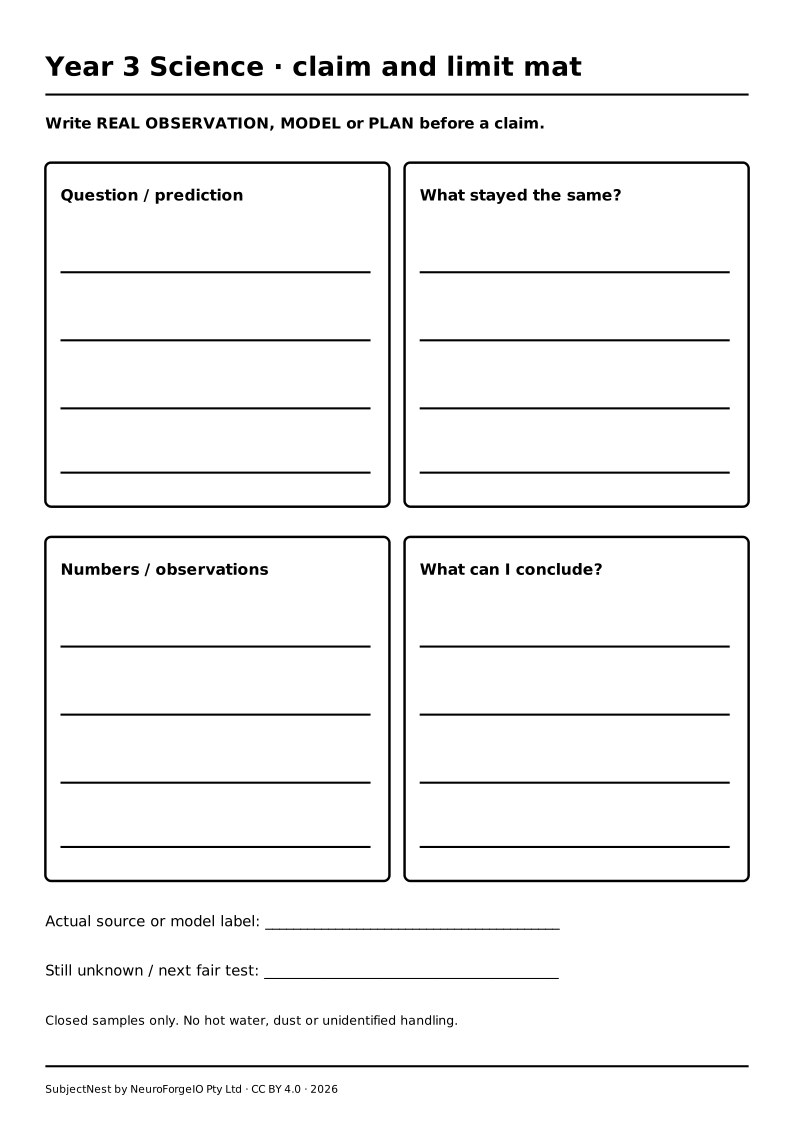
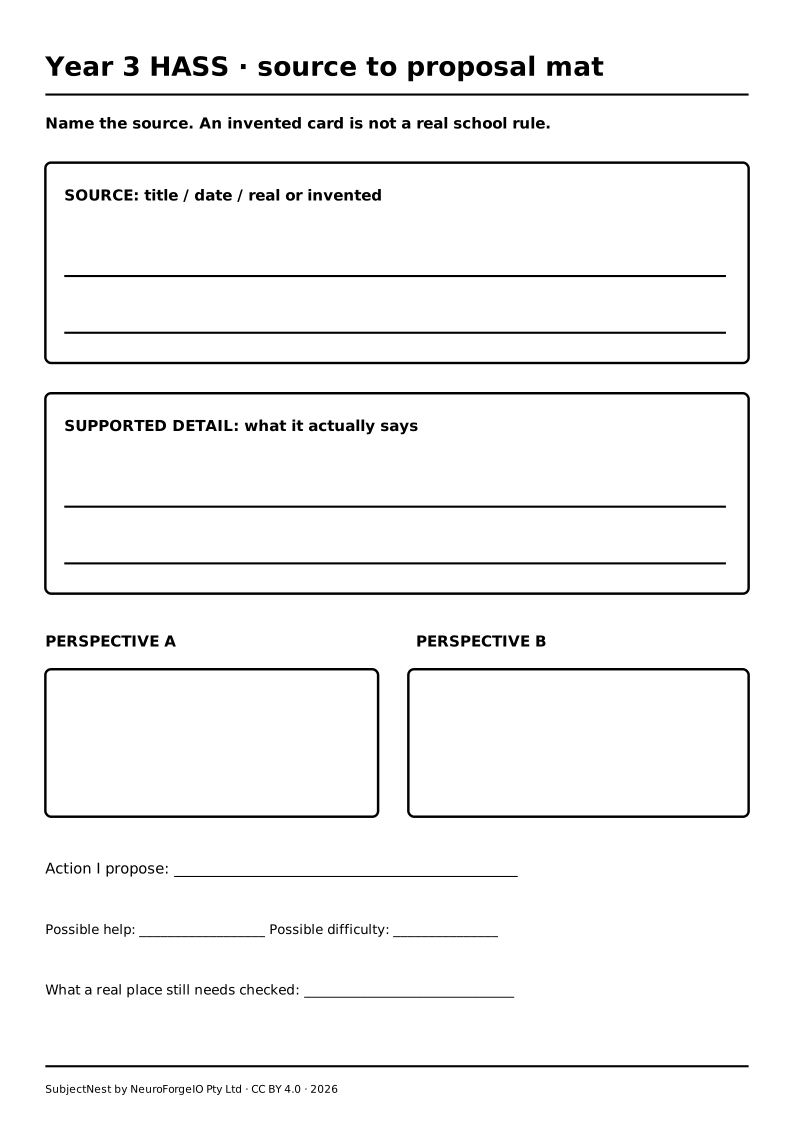
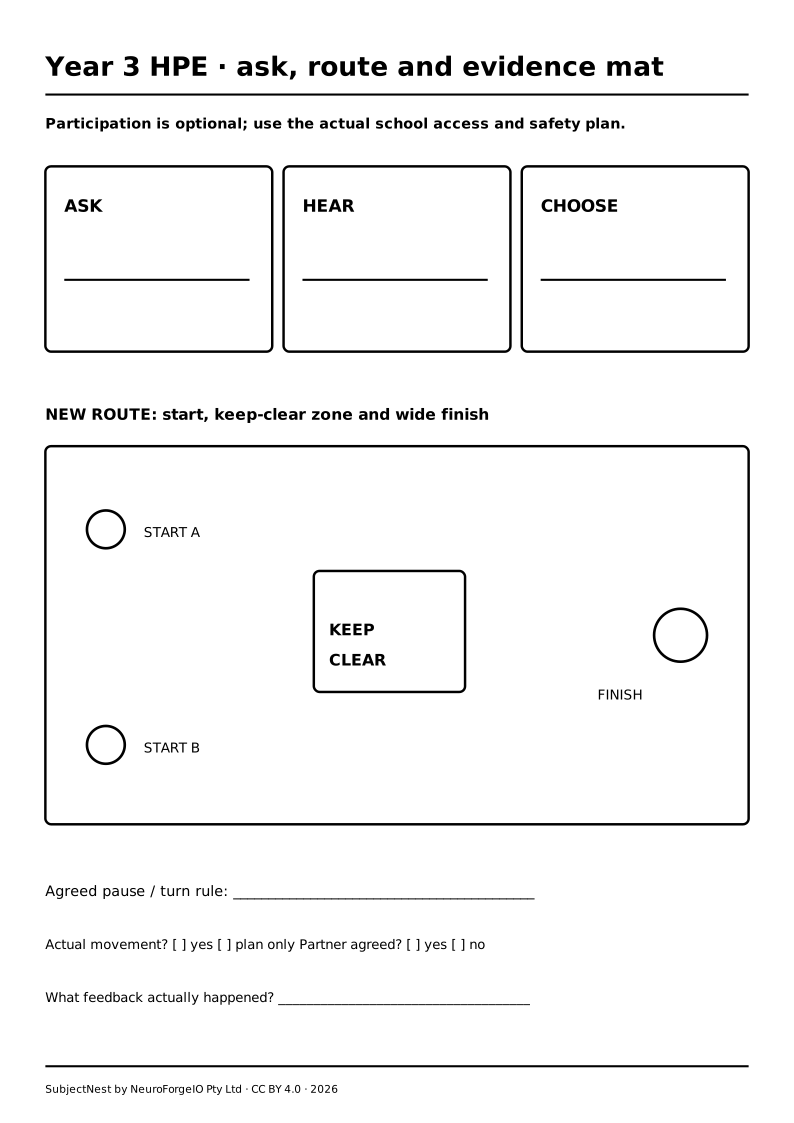
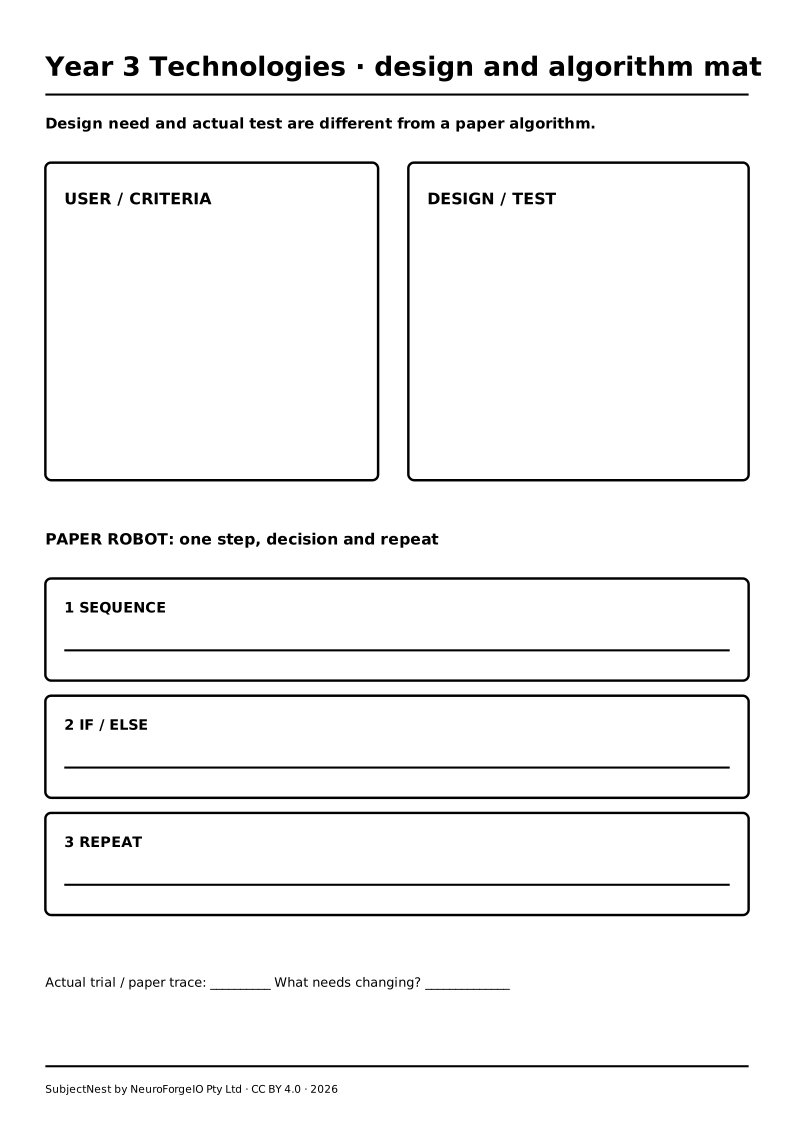
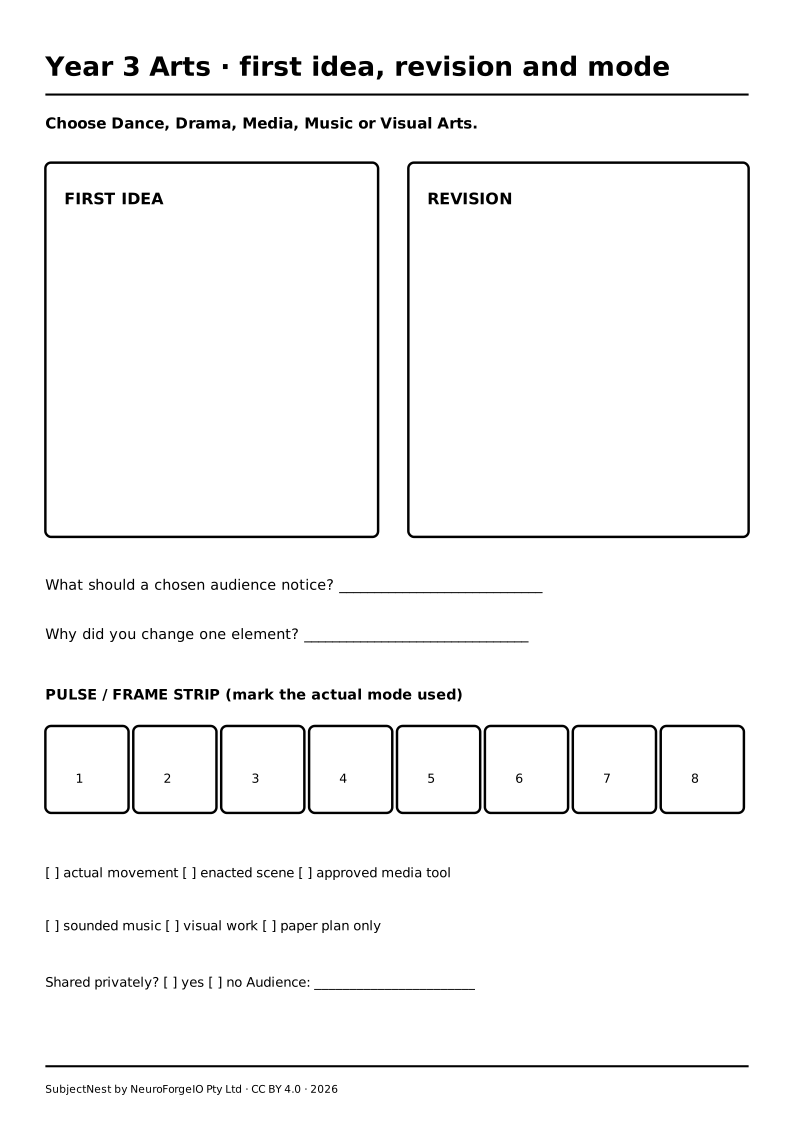
Start in five minutes: Choose one block by subject and day, read its preparation and evidence boundary, then hand out only that subject's learner page or speak its prompt. Give a blank print mat or use plain paper. Set the real observation / invented model / plan label before the child works. Run 2 + 7 + 3 minutes. Record an exact phrase or action, support used and a next move from the separate key. The assessment pages are teacher copies: don't place them on learner tables. Each card offers a no-purchase home route and spoken, visual or tactile response possibilities without requiring family disclosure or a digital account.
Daily menu: Days 11–15 establish a question, source, access rule, design or first arts idea. Days 16–20 revisit a changed case and culminate in a fresh, bounded transfer. The five menus share a day number for easy selection; they are not five compulsory tasks on that day. A teacher can pick the subjects, order and time that meet the local timetable and current teaching sequence. Some 12-minute blocks prepare for longer, teacher-designed investigations or performances.
Accuracy boundary: The exact code crosswalk is generated from the pinned official Australian Curriculum v9 workbook. Year 3 Science/HASS descriptions and Years 3–4 band HPE/Technologies/Arts descriptions are treated separately. These selected codes do not amount to full Year 3 national coverage, a state syllabus, specialist program or achievement-standard judgement. QCAA's ACiQ v9 page is the Queensland implementation entry; schools in every state and territory must check their current approved local sequence and policies. No First Nations cultural account, Country/Place detail, motif, language or translation is generated. Those require local authority and protocol, not plausible-sounding invented content.
What counts: Sealed samples and approved real measurements can support observation; the temperature records printed here are invented practice data until an adult-approved real investigation happens. Fictional HASS signs and community roles build source skills but do not prove real local rules or accessibility. A paper route does not show actual HPE movement or teamwork; a paper beat does not show sounded music; a paper media storyboard does not show media technology. The teacher checks preserve those distinctions. A real safety disclosure triggers the school's safeguarding process, not discussion within a fictional task.
Safety and access: Staff approve samples, space, instruments, devices, media capture and individual access plans. No rocks are opened, dust made, water heated by pupils, sharp tools, person filmed, password shared, hard object thrown or pupil asked to identify a personal experience. A child can decline movement, sound, recording or public sharing and still access a meaningful planning or making route; record the route honestly. The complete text alternatives describe every printable prompt and spatial relation. PDF tagging and live assistive-technology testing remain pending.
Audit and reuse: Sources, rights and review · teacher/learner/home/funder desk run-through · read-only verifier · hash manifest. The original lesson source is build_content.py; original drawing source is generate_print.py. Regeneration needs explicit --write; default checks read files. Original scripts, cards, art and text © NeuroForgeIO Pty Ltd 2026, CC BY 4.0; credit, link and mark changes. Python code is Apache-2.0. Embedded DejaVu font rights, ACARA rights and other source boundaries stay separate. No ACARA endorsement or affiliation.