Days 11–20: ten 25-minute lessons. Week 3 moves from sensible estimates to efficient one- and two-digit multiplication of larger whole numbers. Week 4 uses the same structure in invented cost and resource decisions, inverse checks and unknown-value equations. This continues the opening Year 5 fortnight and fills the mathematics part of Weeks 3–4 in the planning map. It is a two-week draft, not a full curriculum or school-approved sequence.
Start and teach
- Read the ten daily teacher scripts and keep the worked model notes handy. Have scrap paper, a pencil and optional counters/place cards. A device is not required. The partial-products mat and estimate–exact–decision mat are original A4 PDFs with editable SVG files and complete text/tactile alternatives.
- Offer one of three distinct learner cards per day, changing context or mode while keeping the mathematical target. Days 15 and 20 use new, held-out checks before any after-check card. The private worked key and next moves includes all 30 learner-card products, constraint decisions and check answers. For longer blocks, choose from the 20 optional extensions.
- Look for the child's estimate before an exact answer; then ask why the result fits the number size and the situation. Multiplication algorithms and calculators are tools, not automatic evidence of choosing a useful strategy. When a calculator is school-approved, let a learner compare and explain the output; keep evidence of the unaided strategy visible if that is the lesson target.
- Use the exact-code crosswalk, source/right ledger, three-role desk review and verifier for audit. The SHA manifest covers every shipped file except itself.
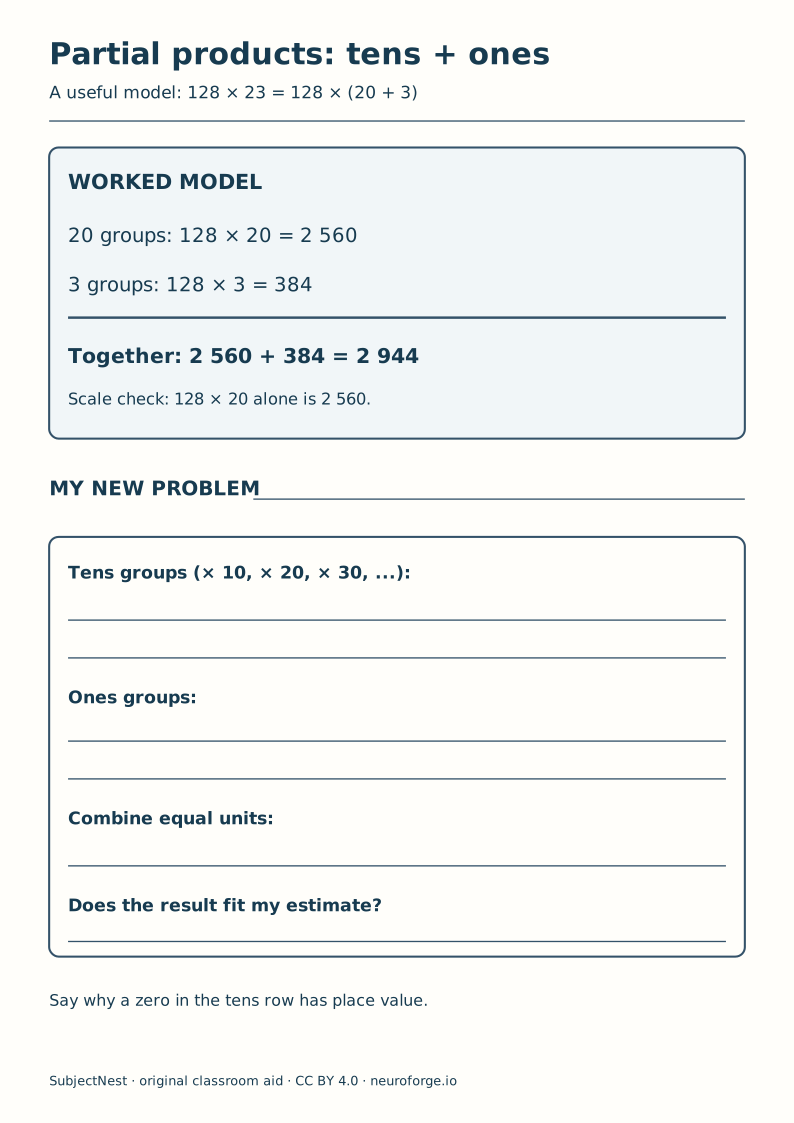
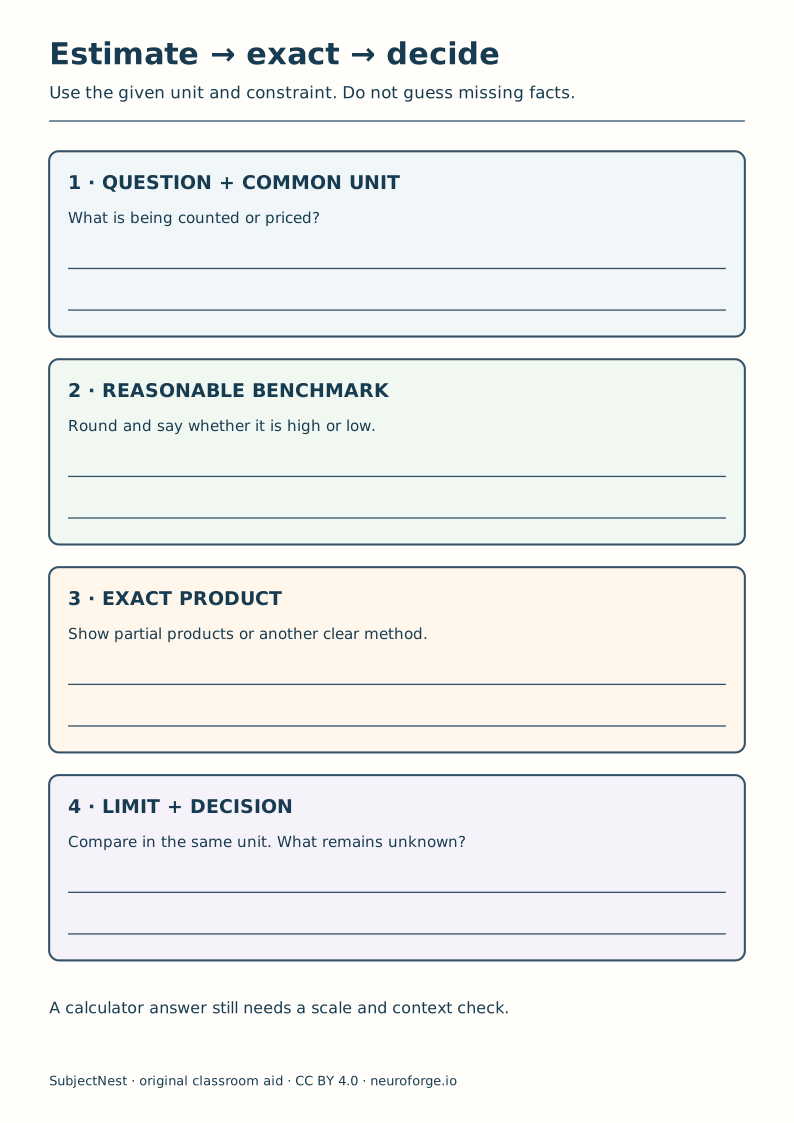
Access and local fit: Learners may use speech, sign, AAC, typing, pointing, large print, tactile cards, a scribe who records the child's choices, or a chosen written algorithm. Record supports; do not treat manipulation speed or spoken English fluency as multiplication understanding. Give a predictable quiet route, chunk steps and invite movement or breaks without assigning fixed “learning styles.” All costs, capacities, teams and routes are fictional; no family financial information or real travel decision is requested. Check the applicable state/territory syllabus, school sequence, assessment calendar and learner plan before teaching. No translation is certified; a named locale and qualified review are needed, and First Nations languages require custodial authorisation.
Original resource rights: © NeuroForgeIO Pty Ltd 2026, SubjectNest. Original lessons, tasks and vector art are CC BY 4.0: credit, source, licence and changes. Suggested credit: “NeuroForgeIO Pty Ltd, SubjectNest Year 5 Mathematics Weeks 3–4, v0.1 (2026), source, CC BY 4.0; changes indicated.” ACARA wording and DejaVu font have separate terms. No authority endorsement is implied.