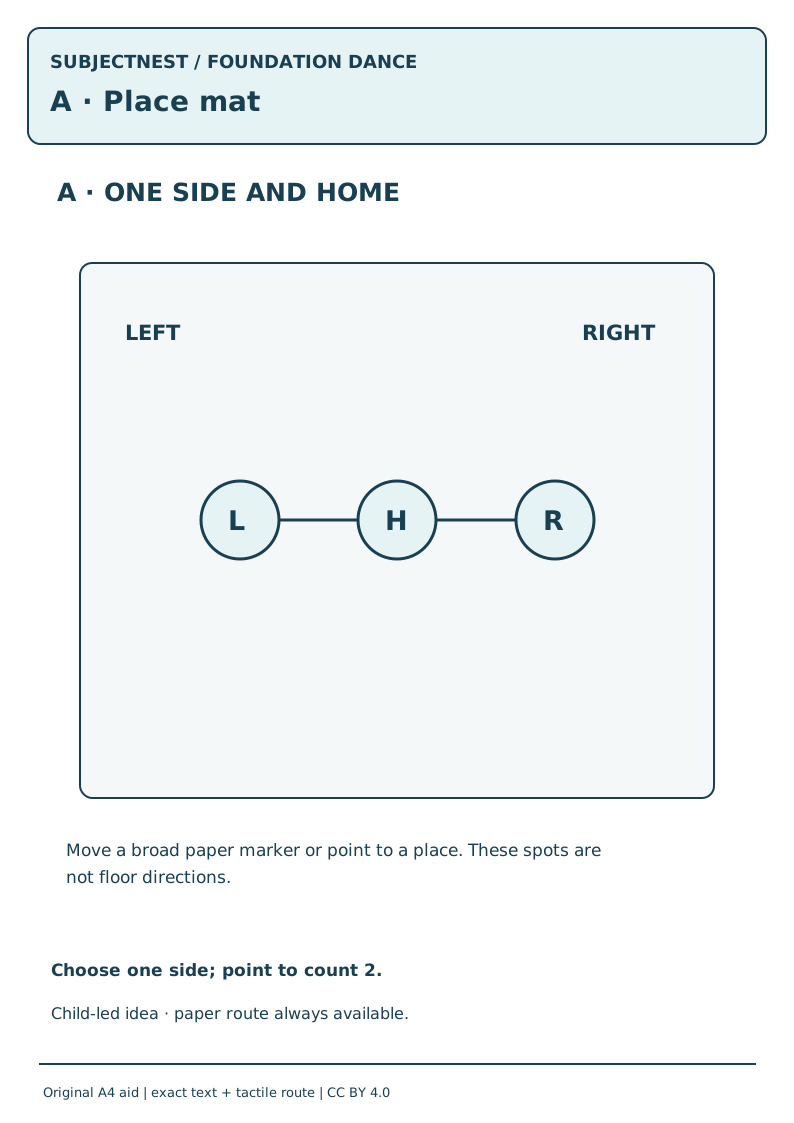
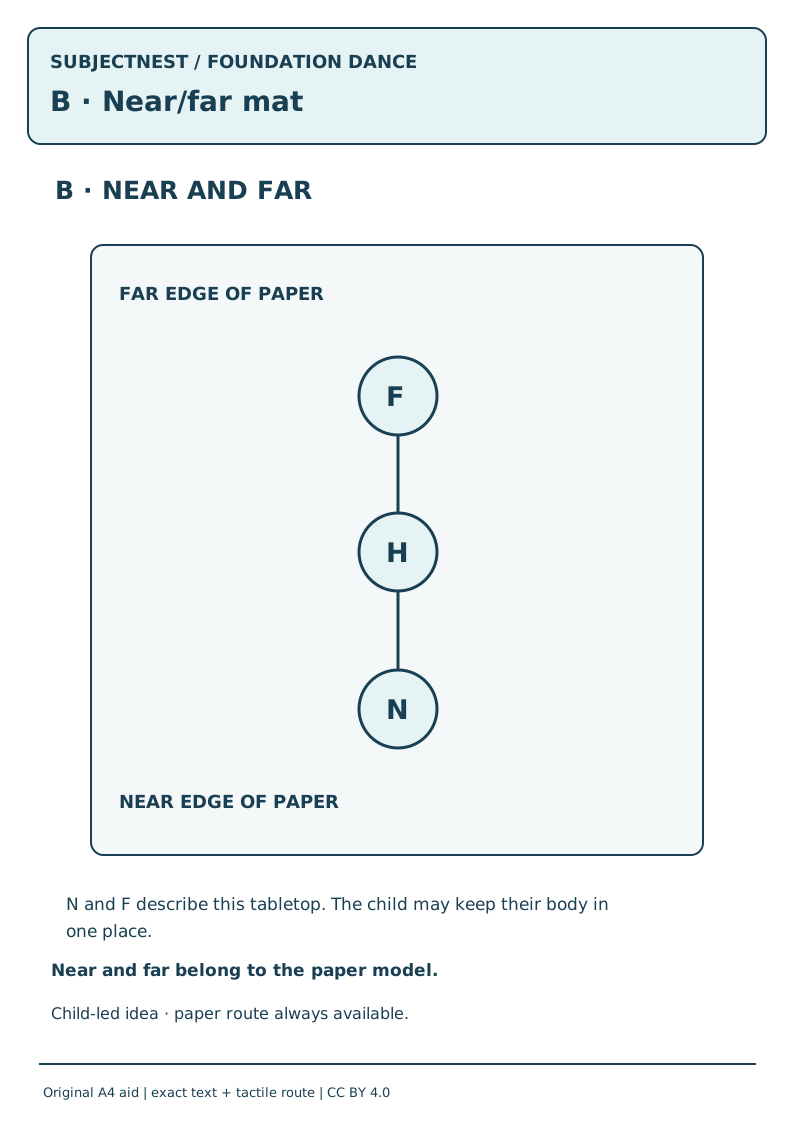
All stories and scores here are invented. A score is a row of places for a broad paper marker at equal counts. The room is a tabletop model, never a direction to walk across a classroom. H = home, L = left, R = right, N = near, F = far as seen from the child's own table orientation. Read the labels aloud; adjust orientation to the learner and say what changed. A child may direct an adult to move an object. Never move a child's body for them. If physical play is chosen, the educator substitutes locally approved, comfortable movements after checking space, warm-up, access and choice; a small seated gesture can serve the same composition idea. Stop on request without explanation.
Reusable kit: A place mat, B near/far mat, C count-and-hold strip, D time-choice strip, E repeat/contrast strip, F choice/share card; large flat paper marker; three or six large numbered cards; optional raised-line/tactile equivalents in exact alternatives; washable marker. No device is needed. Avoid small loose parts where they are unsuitable for the group; use large cards or adult-controlled items.
Practice cards A–F · do not show G/H before check days
A · One side and home
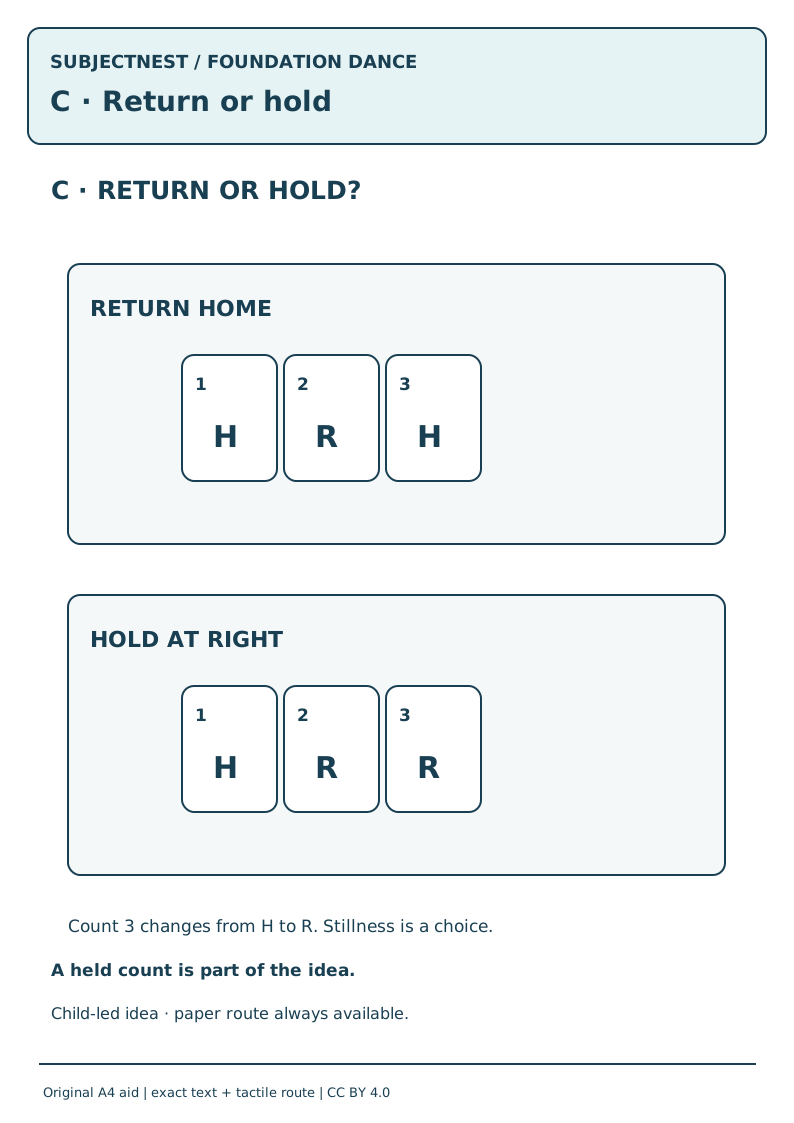
Three equal counts: 1 H, 2 R, 3 H. Fictional purpose: point a paper visitor towards a right-hand picture and return. A left version H–L–H changes only the middle place. The child can say, point or show which side may get attention; no actual viewer response is assumed.
B · Hold the idea
1 H, 2 R, 3 R. Count 3 is still at R. A paper visitor may notice the right picture longer than in A. A held count is part of the idea; stillness is welcome, not “doing nothing”.
C · Near and far
1 H, 2 N, 3 H versus 1 H, 2 F, 3 H. Only count 2 changes. A fictional window model might need F; an invented table model might need N. These labels do not direct floor travel.
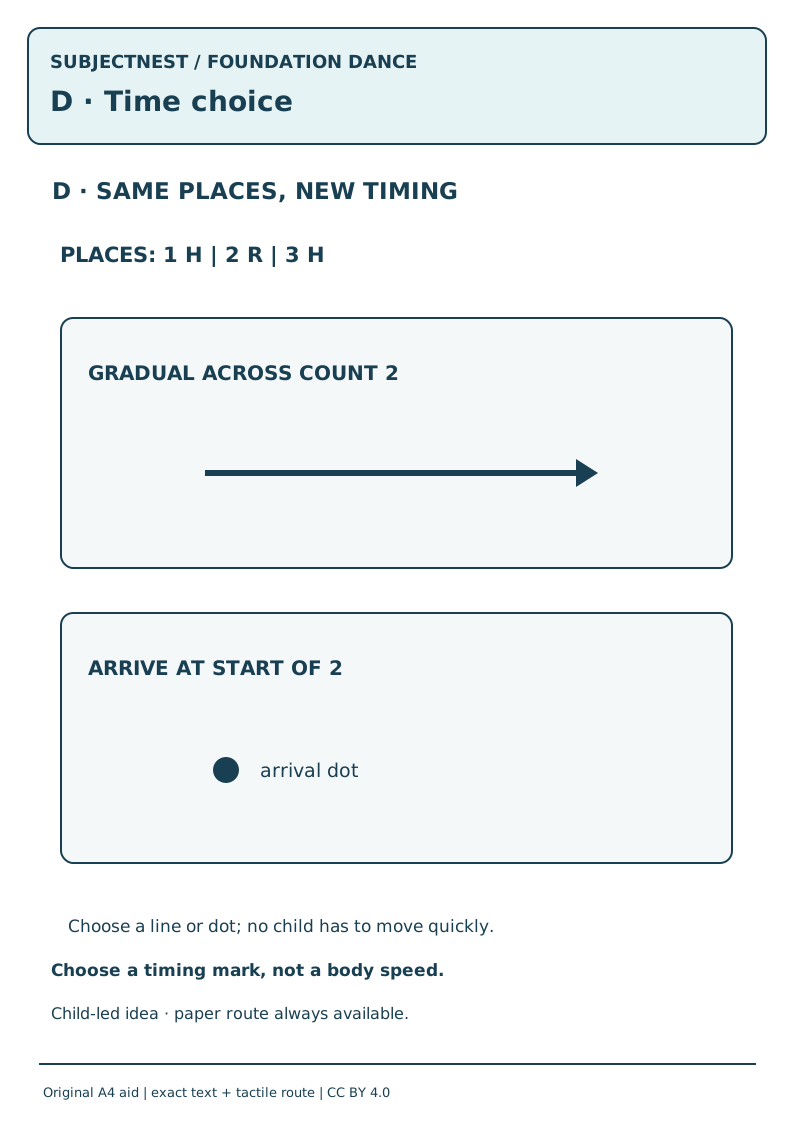
D · Same places, different timing
Keep H–R–H. A slowly drawn line across count 2 and a dot at the start of count 2 both end at R. They can look different without asking a child to move fast or forcefully. The educator can count silently or use the optional original click; no audio response is required.
E · Do it again, or change it
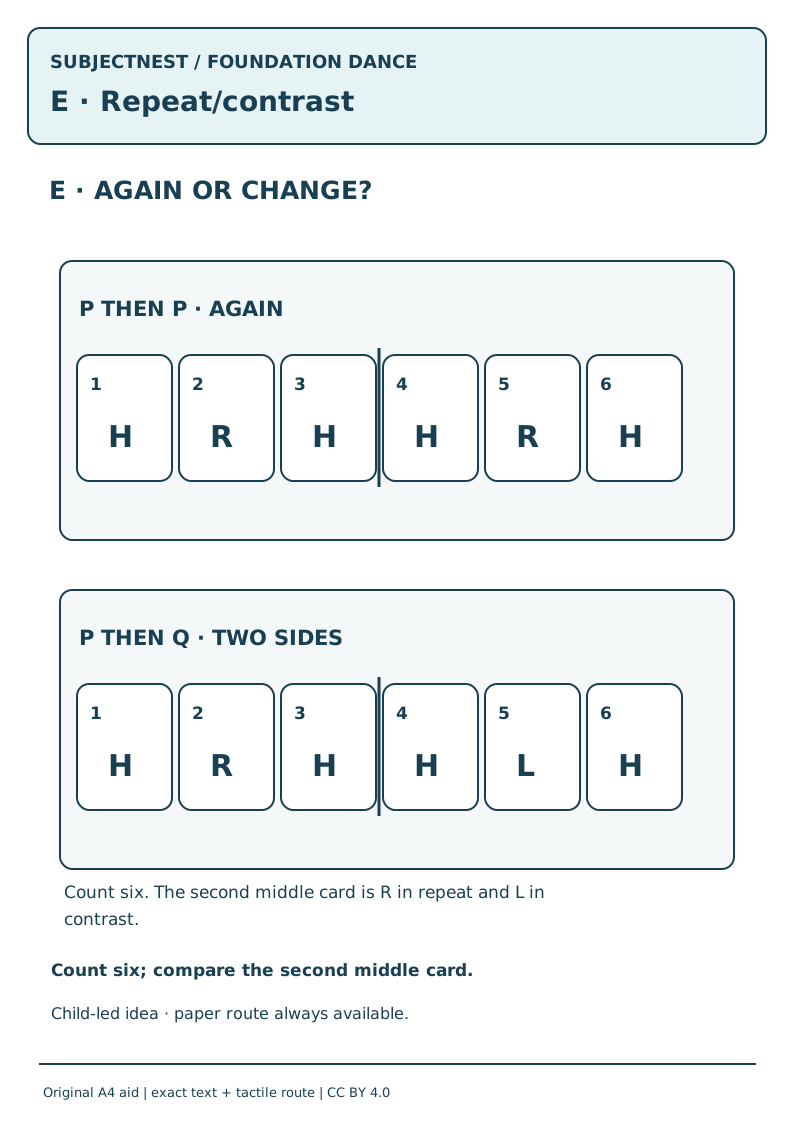
P = H–R–H; Q = H–L–H. Six counts P then P = H–R–H / H–R–H repeat a side. P then Q = H–R–H / H–L–H point to two sides. Count all six; no named dance tradition is represented.
F · Object and sharing
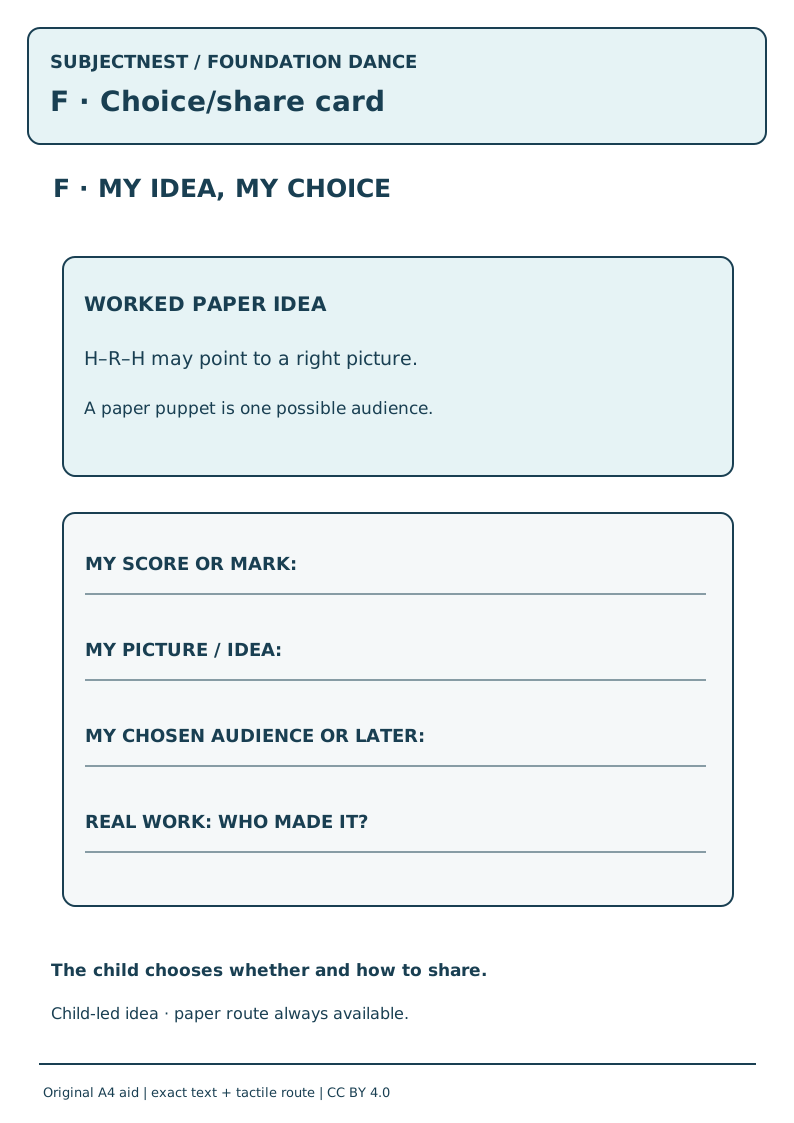
Place a large invented paper star marker at R. A mover marker can approach R on count 2 or remain H and point a card-arrow to R. Choose one, then share the chosen arrangement with a willing educator if desired; a paper puppet can be a private rehearsal audience before any person sees it. Do not read a child's real interests or culture into the star.
The six cards can be laminated, drawn on ordinary paper or built with large raised labels. Each is original and neutral. Fresh G/H appear only in student checks; their worked responses are kept in teacher/.