These original cards are public practice, not secure exams or a school achievement grade. Offer large print, exact text/tactile cards, AAC, drawing, broad markers or a neutral child-directed adult. Opt-in physical play requires educator approval and local preparation. A child may pass, return later or choose a paper puppet as audience. Do not film, record voice, demand touch or infer physical competence from a paper-only simulation. Collect the child's first choice before the separate teacher key is opened.
Check A · New G paper window
Use new G sheet, searchable PDF or the exact text/tactile route. This is a new fictional paper room with a near picture at N and far window picture at F. It is not a real site or dance work.
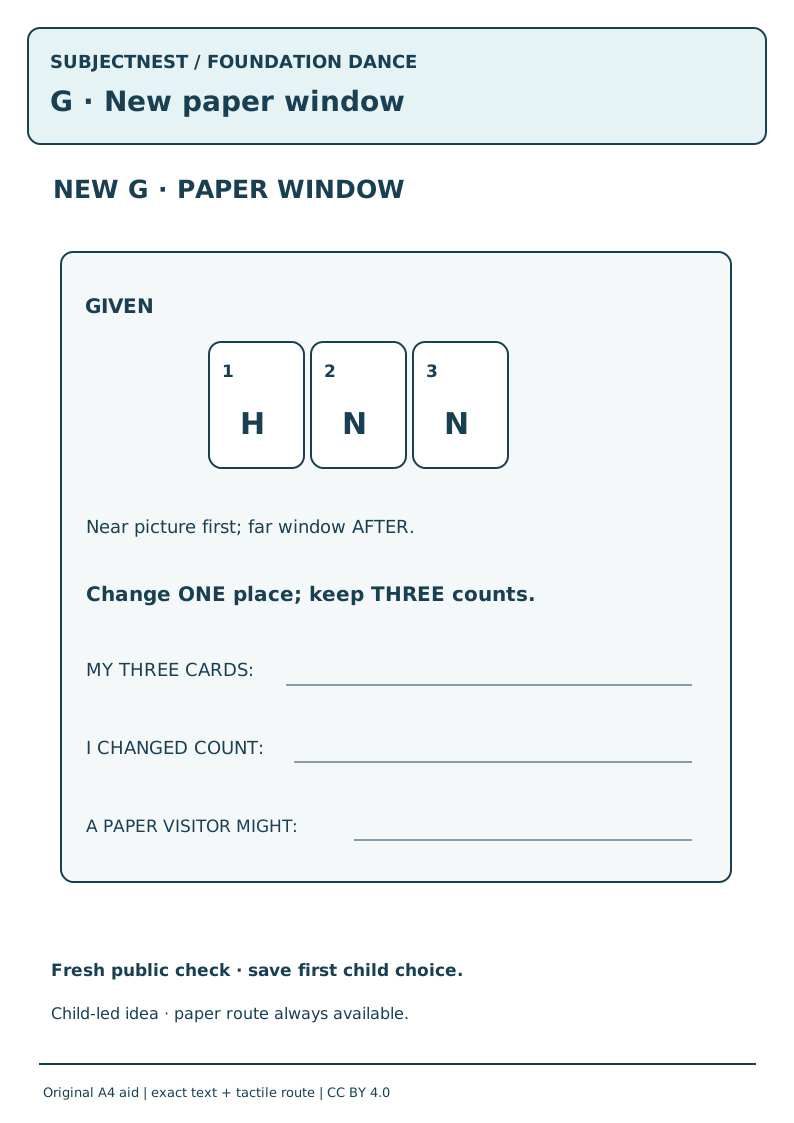
Given score: 1 H → 2 N → 3 N. The designer wants a paper visitor to notice the near picture, then the far window. The current score ends near. No visitor response is shown.
- Show or tell one thing the given three cards show.
- Change one numbered place so the far window comes after the near picture. Keep three counts. Point to the changed count.
- Tell, point or draw what a paper visitor might notice and which card gives your clue. You may share your idea with a willing educator or paper puppet.
The educator can ask what the child chose, but must not lead the new place. The check looks for an idea with count evidence; it does not judge bodily movement.
Check B · New H two panels
Use new H sheet, searchable PDF or the exact text/tactile route. This is a different invented tabletop visitor-centre model with a far panel F and left panel L. No real location or community is represented.
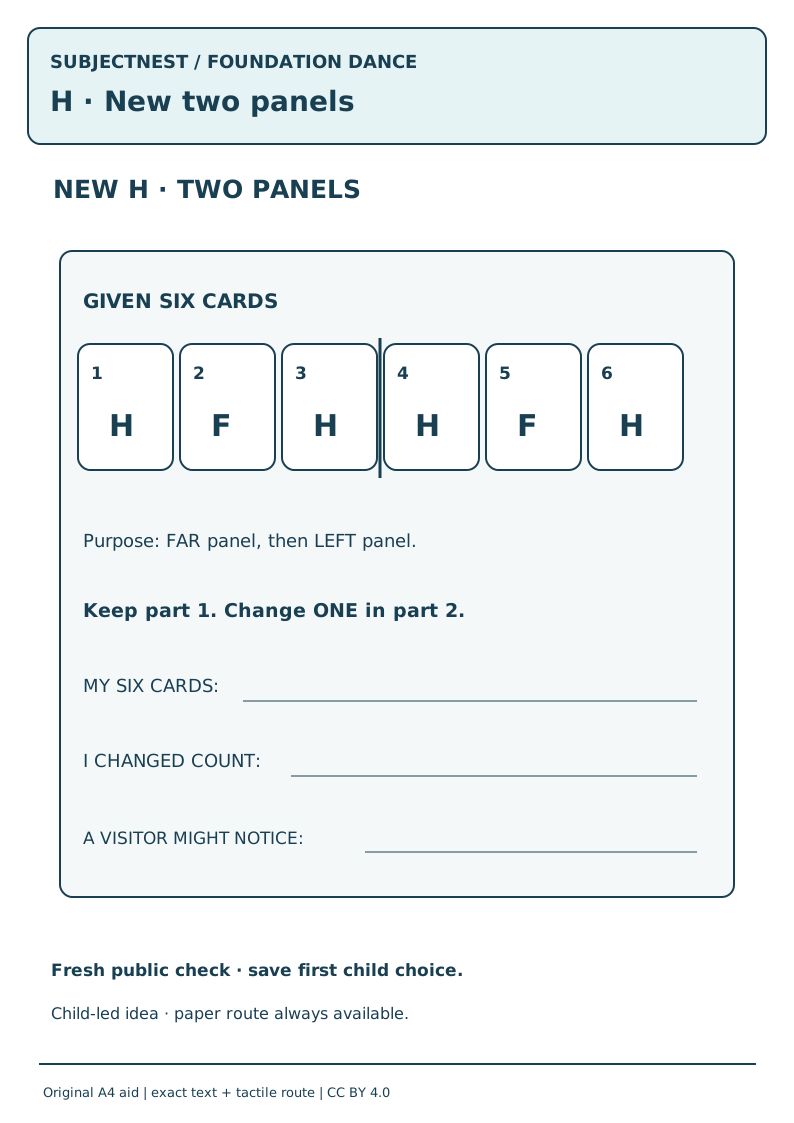
Given six cards: 1 H, 2 F, 3 H / 4 H, 5 F, 6 H. The two three-card parts are the same. The designer wants a paper visitor to notice the far panel and then the left panel. No actual audience response is shown.
- Are the two parts the same or different? Point to cards 2 and 5.
- Keep the first three cards. Change one place in the second part so it can point towards the left panel. Keep all six counts and point to the changed card.
- Share or describe the new idea to a willing educator or paper puppet, or mark that you want to share it later. Say/show which two panel places might be noticed.
A paper score can show the child's pattern choice and communication idea. It cannot show physical dance technique or whether a visitor truly noticed a panel.