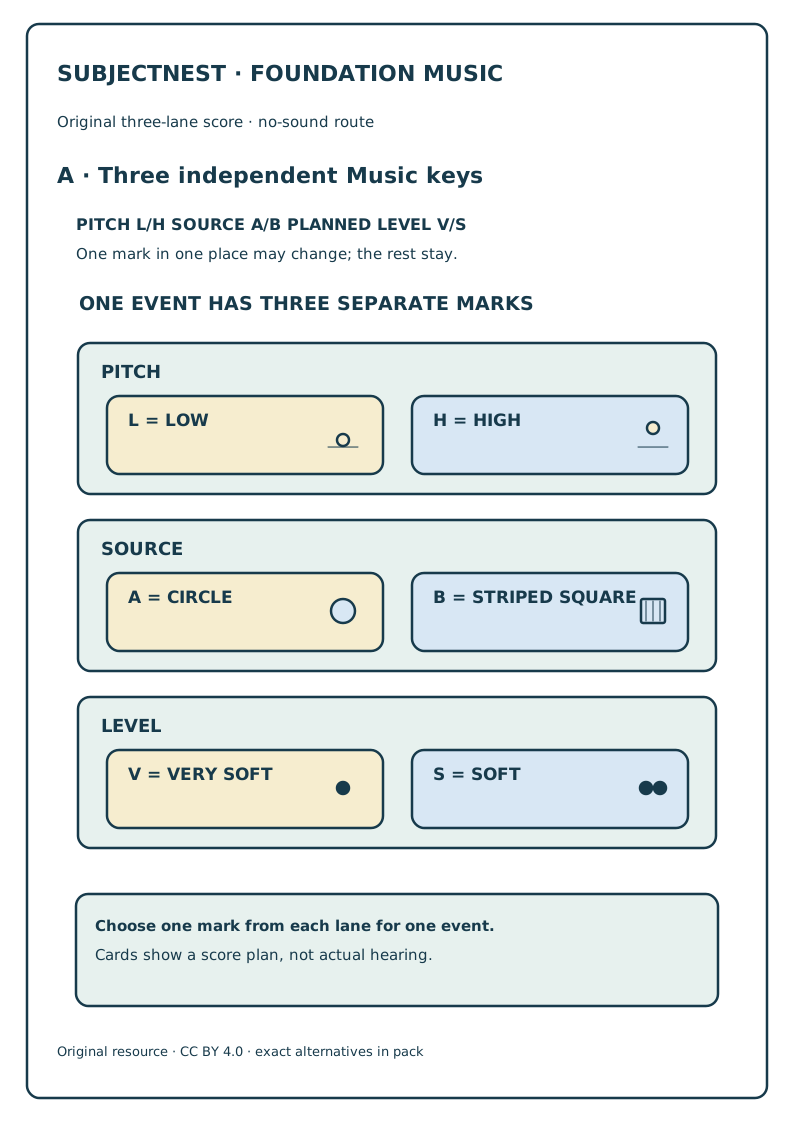
This pack's three invented lanes are pitch L/H (low/high), electronic source A/B (round/striped square), and relative planned level V/S (very soft/soft, one/two dots). These are labels, never proof of a child's hearing, actual instrument sound or room volume. Four numbered event slots are stable across both takes. Use large fixed cards, full word labels, raised marks and a neutral adult reader as the child directs. Exact print/tactile/no-print directions cover every sheet; candidate audio transcripts preserve the sound route's information without playback.
A · Three independent keys
Three-key SVG · PDF. Put L · A · V in one event. Swap only L→H, restore L, then swap only A→B, restore A, then V→S. Name the lane each time. A circle/striped square, low/high line and one/two dots must be accompanied by words. A fixed paper card cannot tell how a generated tone or a child's voice really sounded.
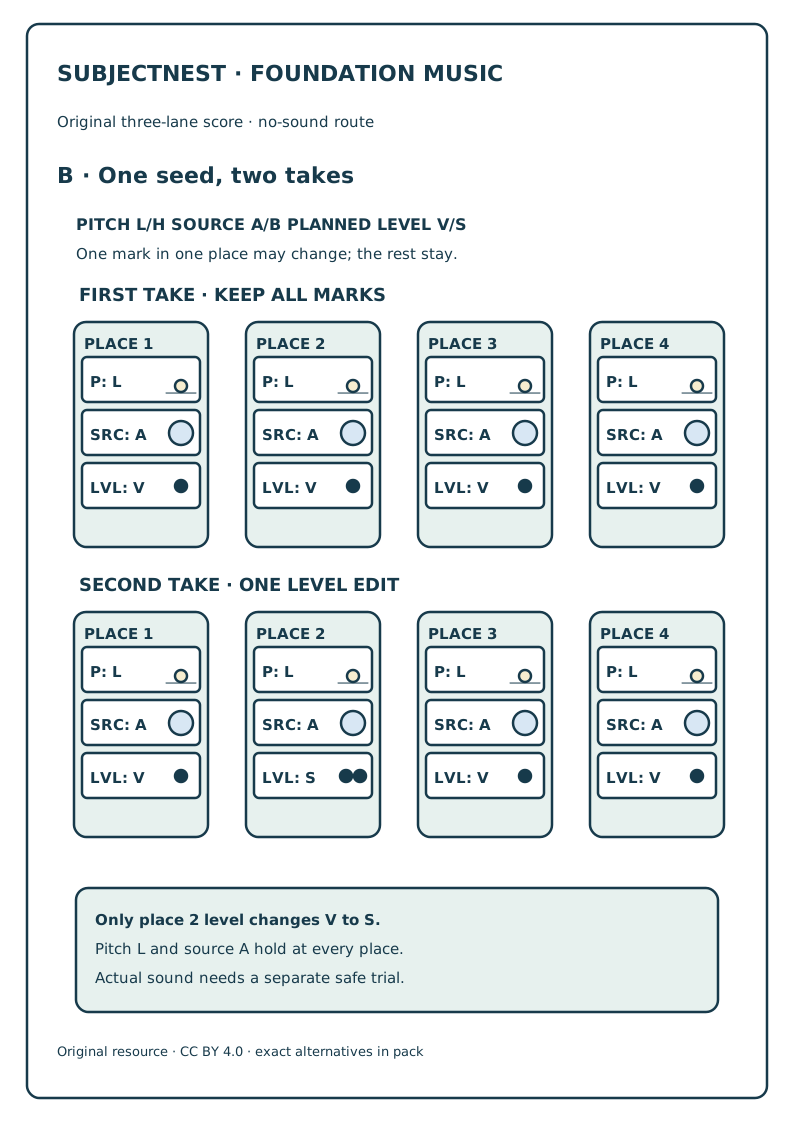
B · One seed, two takes
Two-take SVG · PDF. Four first-take event cards read L A V each. Second take repeats them except the level at place 2 becomes S. Work the comparison aloud: level V→S at place 2, pitch L and source A held throughout, remaining levels held. A child may choose a different one-card edit on a blank strip. The mark says planned soft, not a loudness measurement.
C · Hold pitch and level
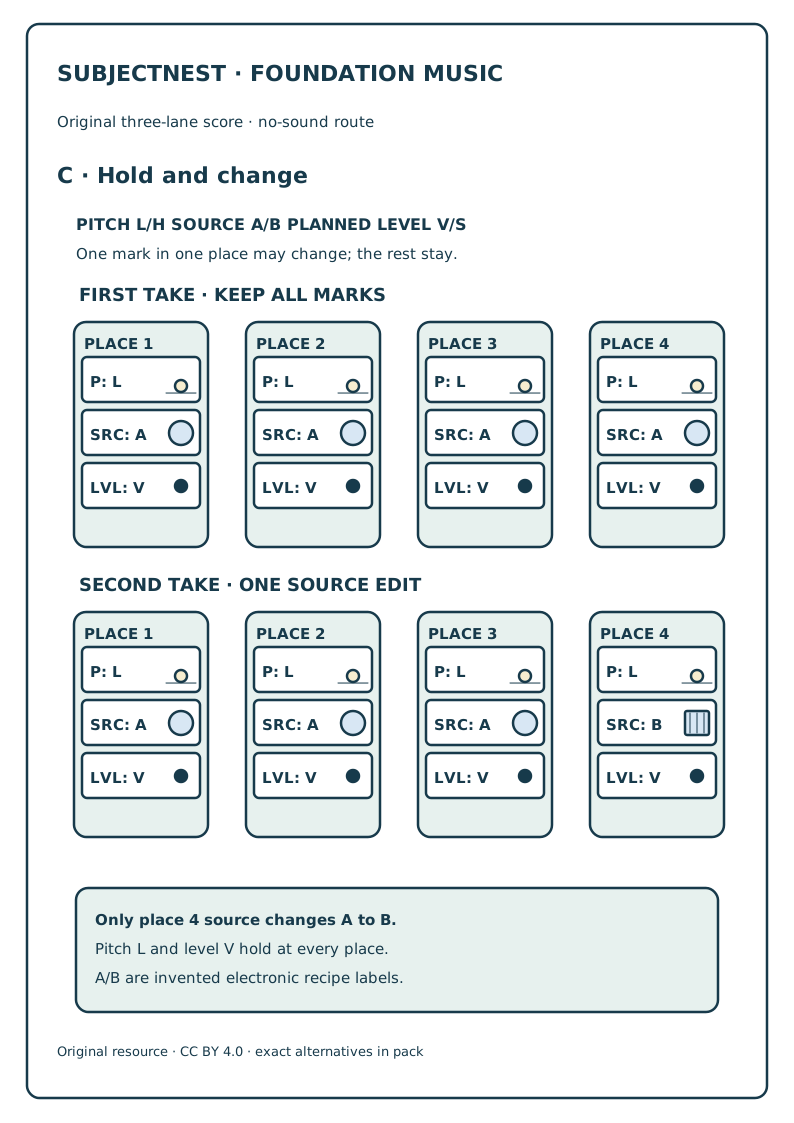
Hold/change SVG · PDF. Four L A V first-take cards; revised place 4 uses L B V. Point to source A→B there and read the unaltered L/V lanes and first three A cards. Two raised strips can replace print. Do not infer timbre by sight; the invented B is an electronic recipe.
D · Sort three one-mark revisions
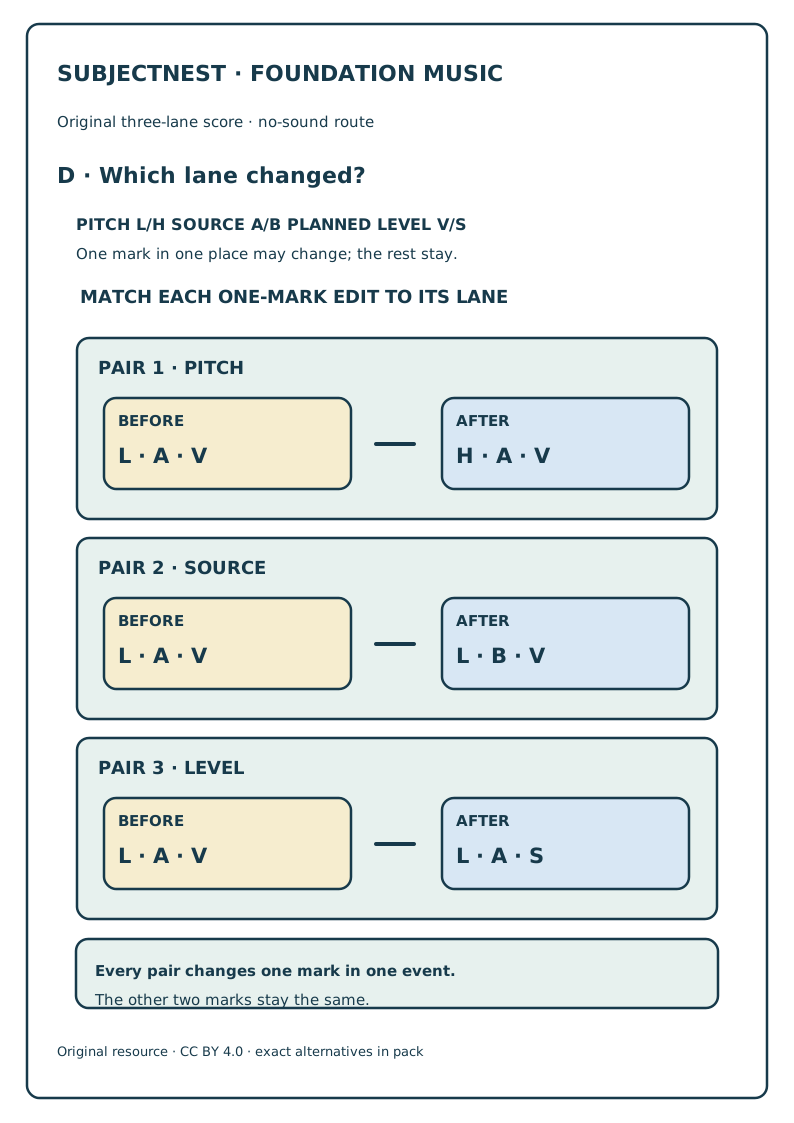
Choose-edit SVG · PDF. Three single-event before/after pairs each change one lane: LAV→HAV (pitch), LAV→LBV (source), LAV→LAS (level). Child matches the changed mark and says what stayed. These pairs teach lane separation; they are not Check Y's four-place source. An adult may read each triplet neutrally with three fixed lanes.
E · Planned versus actual
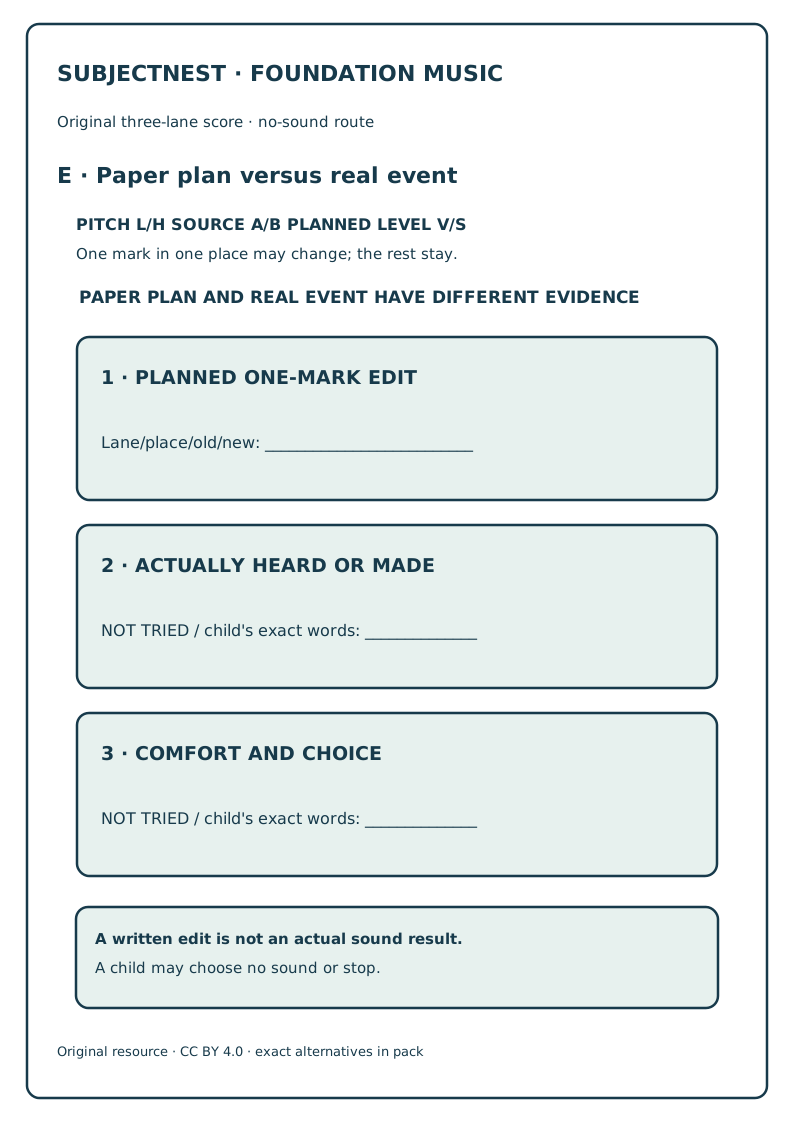
Plan/actual SVG · PDF. Work a deliberate paper edit, e.g. L A V→L A S, under PLANNED. Leave ACTUALLY HEARD/MADE and COMFORT/CHOICE as NOT TRIED unless a safe adult-approved event occurs. If approved sound is offered and child consents, use the child's exact words and exact cue. Do not convert PCM measurements into a classroom sound-level claim.
F · Mark the edited place
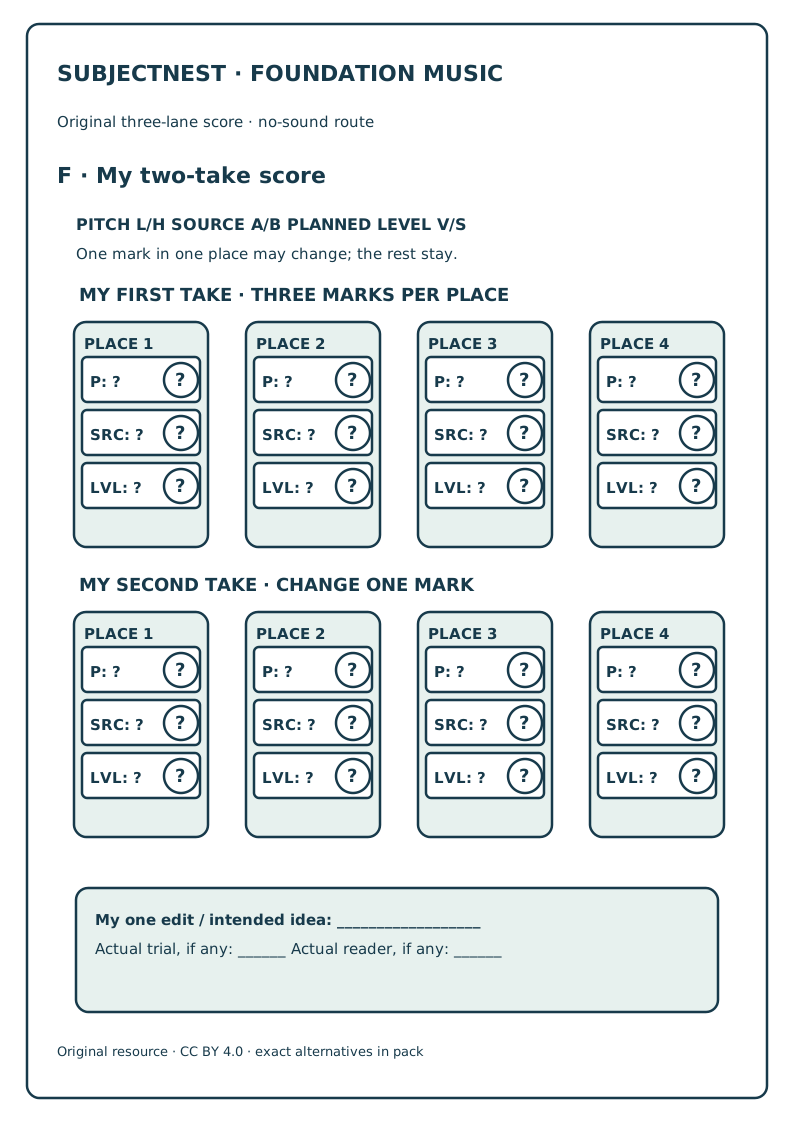
Reuse hold/change SVG. On an independent blank pair, child directs one word/border mark around the altered lane at one place. A reader locates the edit from the key without colour. The child may revise the instruction while leaving musical marks intact; preserve before/after evidence and actual reader behaviour.
G · Child-owned two-take composition
Make/teach SVG · PDF. Two four-event blank three-lane rows and fields for own intention, one edit, actual trial and actual reader. The child can build a first take with broad cards, duplicate it, then replace one chosen mark in the second. Save the first completed response. Reading to a willing person is optional; no audience or sound claim is filled in by plan alone.
Fresh pages
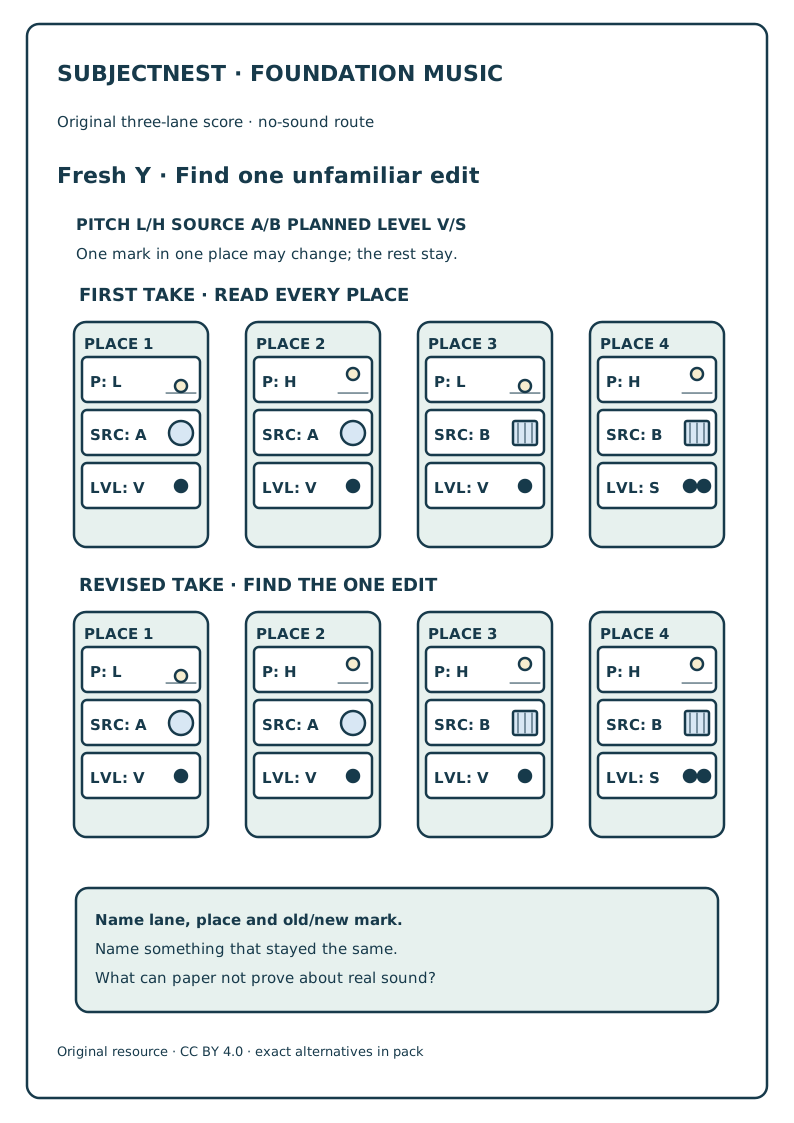
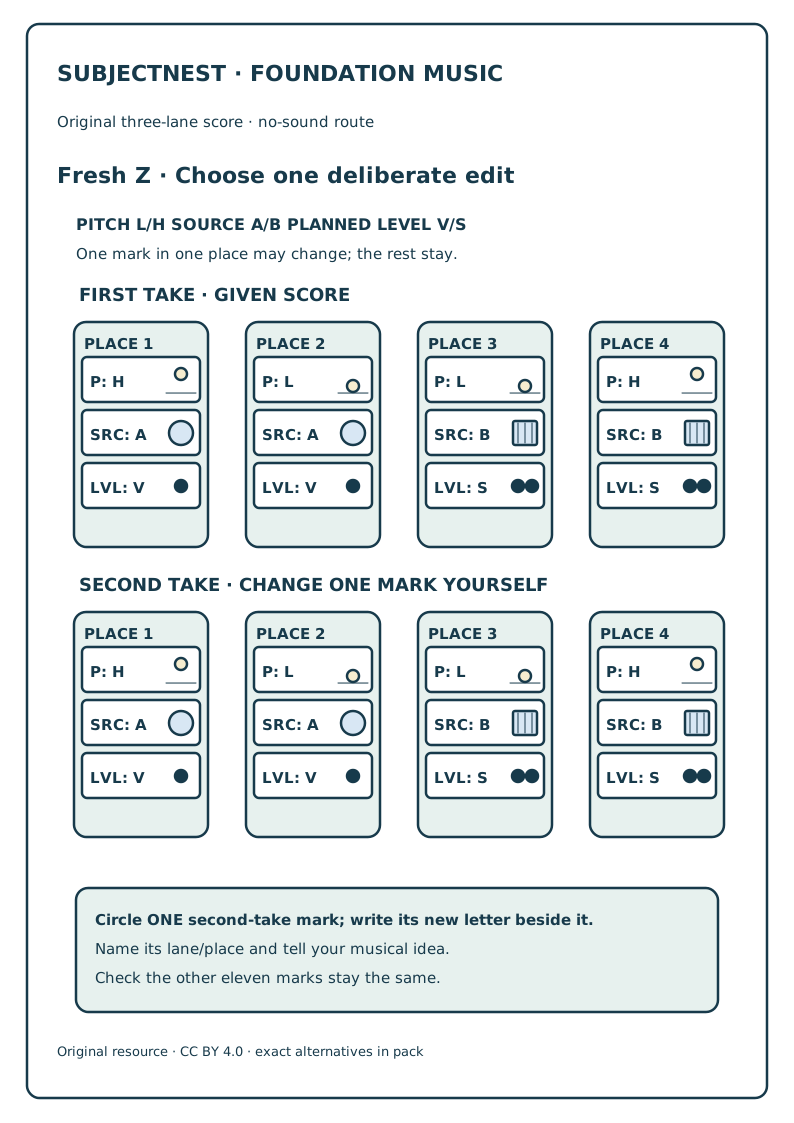
Public Check Y/Z has Y SVG/PDF and Z SVG/PDF. Check Y's specific four-place pair is withheld from earlier worked examples. Check Z prints its new base twice and leaves the edit for the child. Keep the separate key closed while presenting either task.