Goal: distinguish one externally visible feature of an approved live plant from a guess and name the observation route. Proposed codes: AC9SFU01, AC9SFH01, AC9SFI01, AC9SFI02. Prepare: safe live plant A view, living-safe poster, feature log, Model J, Card 21.
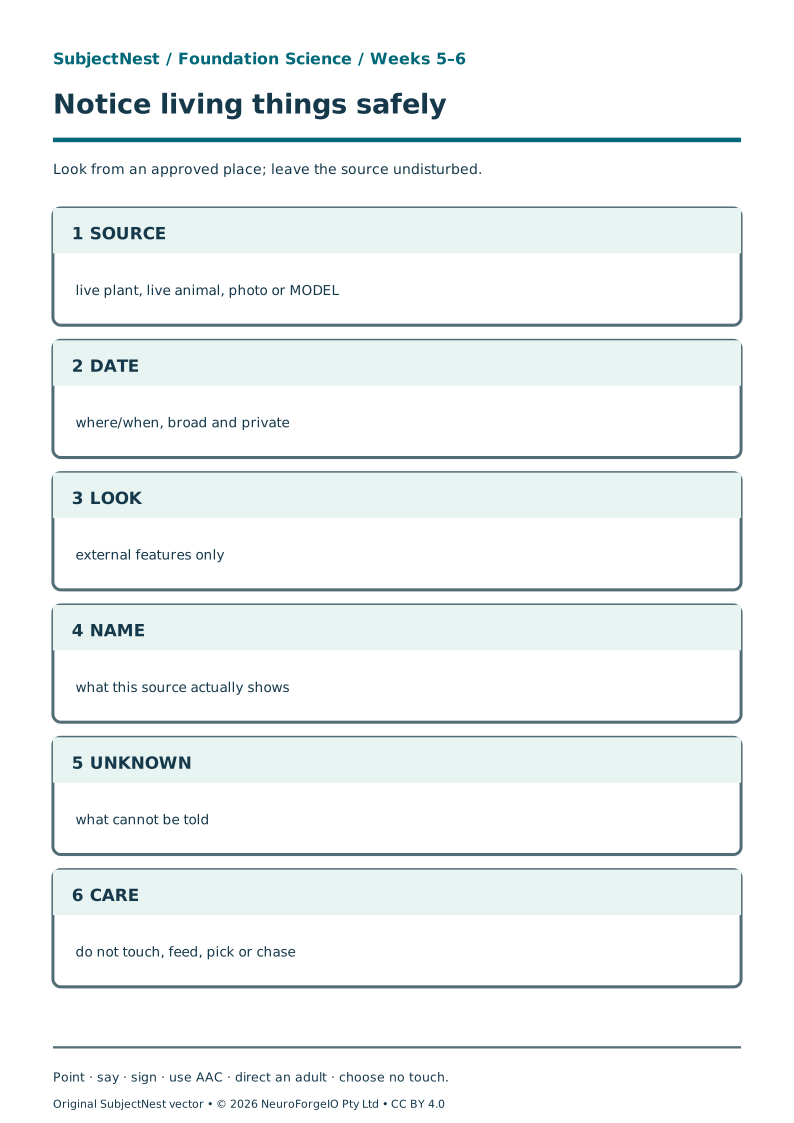
- Source gate · 3 min. Adult confirms a safe accessible view of live plant A, date and broad location. If unavailable, use Model F as MODEL ONLY and mark no real observation.
- Notice · 4 min. Child looks from an approved place or hears an exact attributed adult report. Ask about an externally visible part; no touching, picking or species guess.
- Model · 5 min. Teacher uses Model J to contrast “I saw”, “the adult described” and “the drawing has”, then names a real plant feature only if actually visible today. Roots under soil, age and health remain unknown.
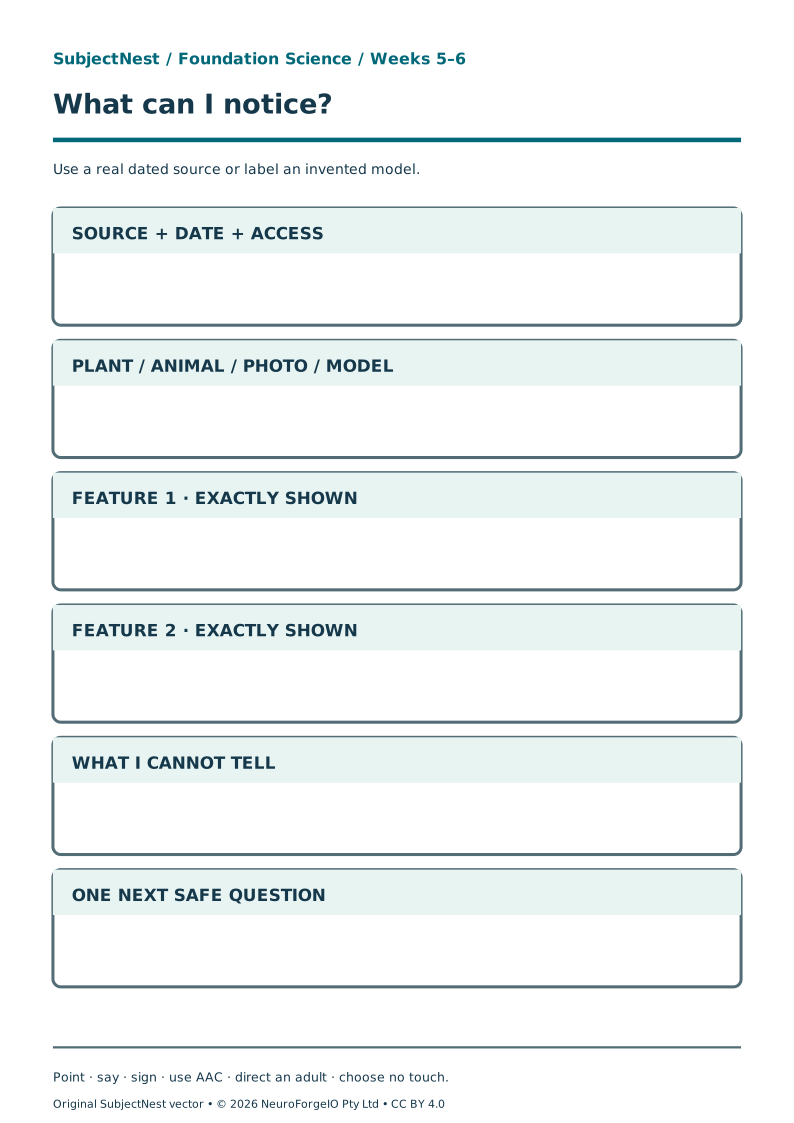
- Child try · 7 min. Child chooses Card 21 route to give one exact visible feature and ask one new safe question; adult writes source/date/access and the child's words.
- Check · 4 min. Offer “This plant is happy because its leaf points up.” Child distinguishes the noticed leaf position from unsupported feeling; next evidence remains open.
- Exit · 2 min. Save a feature card for later grouping, or label the model feature as drawing-only.