These are deliberately simple invented visual diagrams, not cultural motifs, copies of artwork or claims about how all viewers respond. A circle, square, triangle and line are neutral shapes for a fictional paper gallery. Offer thick marker, large pre-cut cards fixed on a table, a raised/tactile version, drawing or a child-directed neutral scribe. Do not require scissors, paint, touch of an unwanted surface or fine motor speed. Each A4 aid has an exact text and tactile route. The school chooses any locally suitable materials and checks handling/allergies.
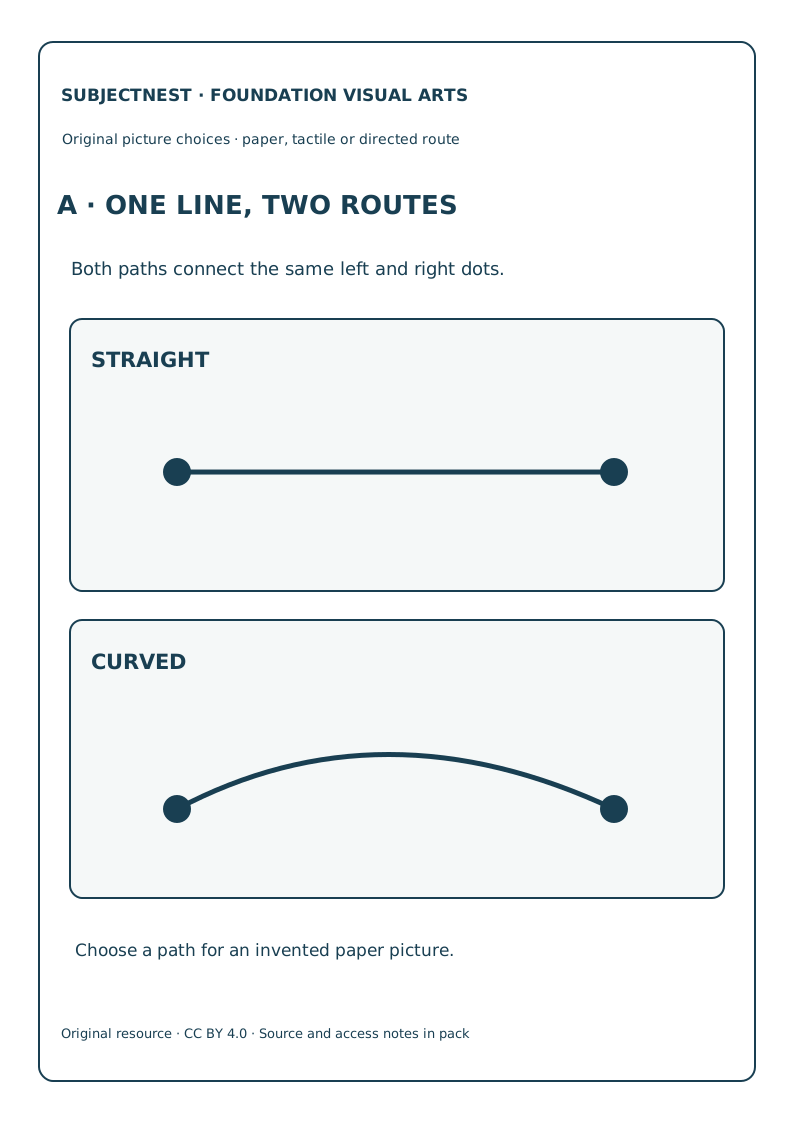
A · A line can lead across space
Start with a left dot and a right dot. A straight line connects them directly; a curved line also connects them by a different path. Child chooses one for an invented paper visitor to follow with their eyes or finger. Both have the same endpoints; a viewer's actual response is unknown. A line paths.
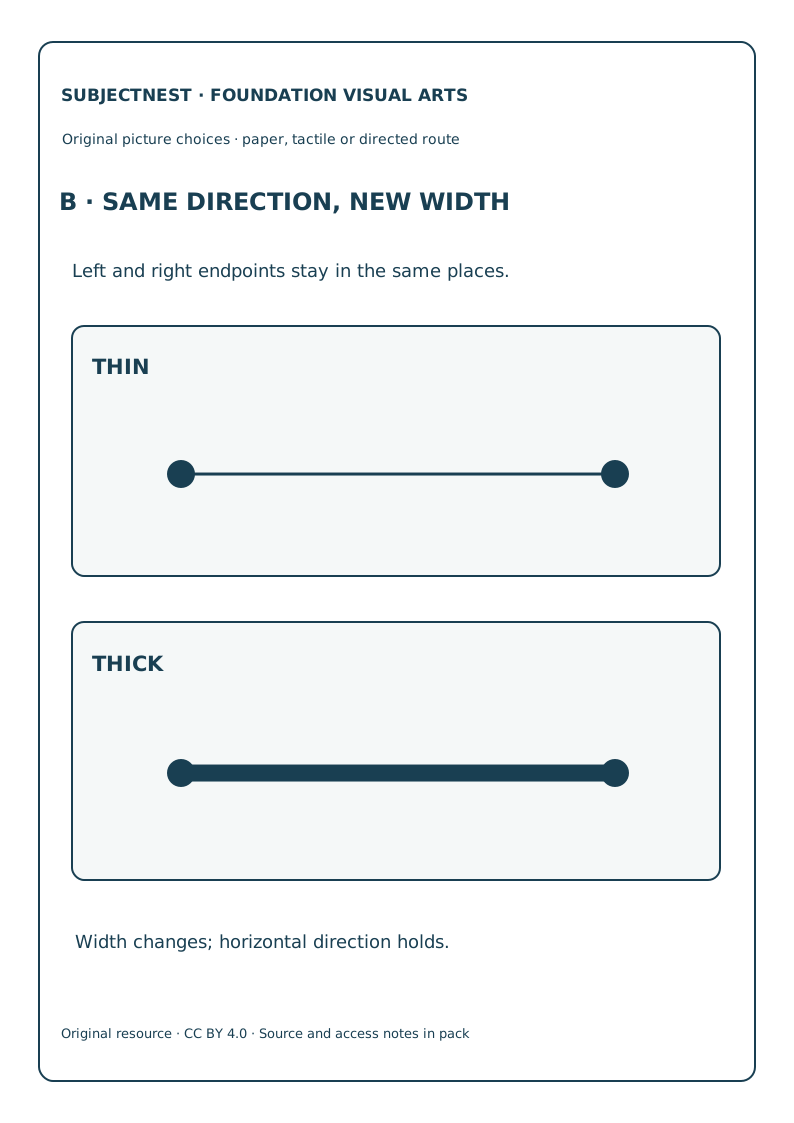
B · Width changes a line
Two horizontal lines have the same left-to-right direction and length. The upper is thin and the lower thick. Child chooses one to make an intended part stand out in an invented paper notice. Width changes; direction and endpoints stay. B width choices.
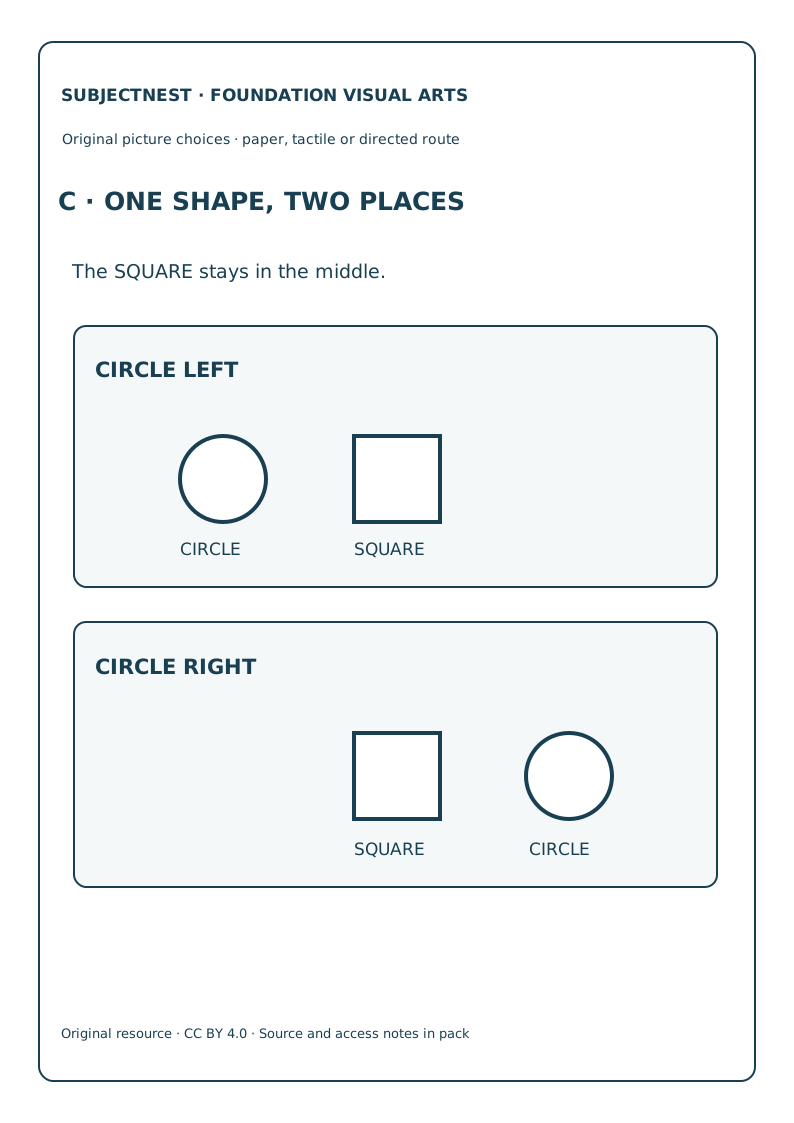
C · One shape, two places
A circle can sit left or right of a fixed square on a paper strip. Child picks a position and names what the arrangement might point toward. The circle and square shapes do not change. C shape position.
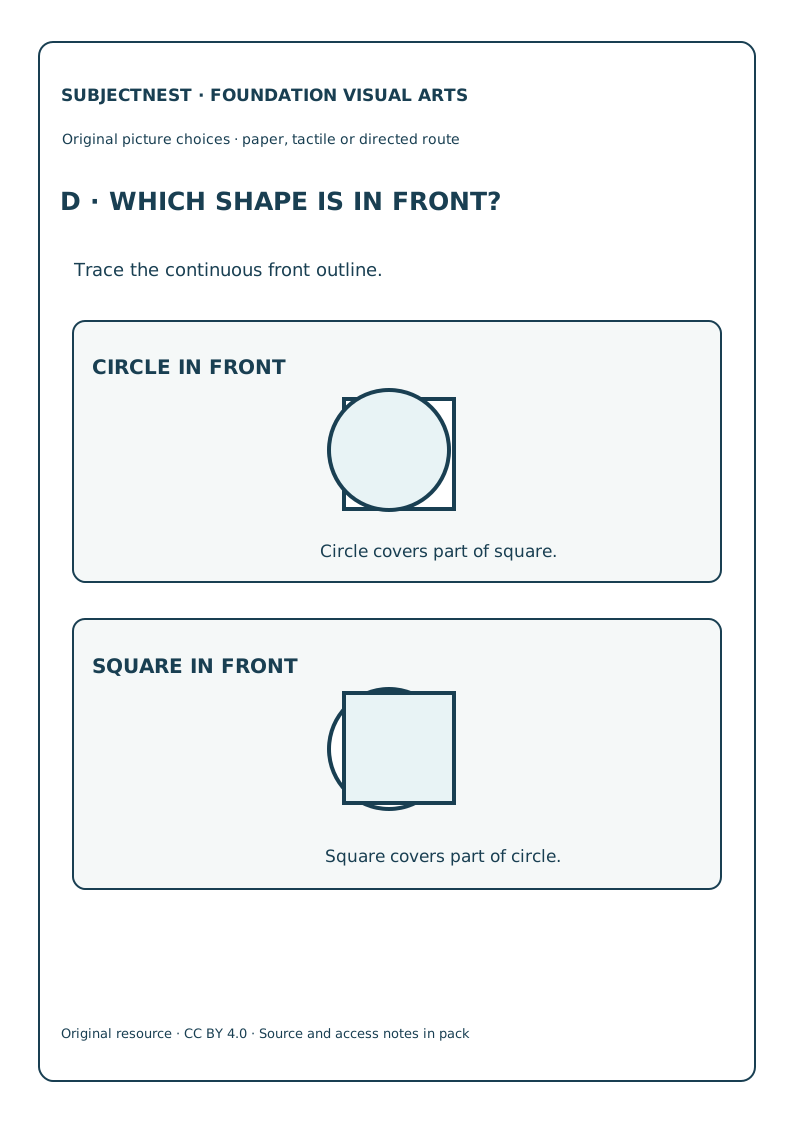
D · Overlap changes what is in front
A dark-outlined circle is drawn in front of a square in one image; in the second, the square is in front. Follow the visible uninterrupted outline to identify which is front. The child can use broad opaque cutouts or an adult-directed paper model; no colour vision is needed because shape names/outline breaks carry the distinction. D overlap.
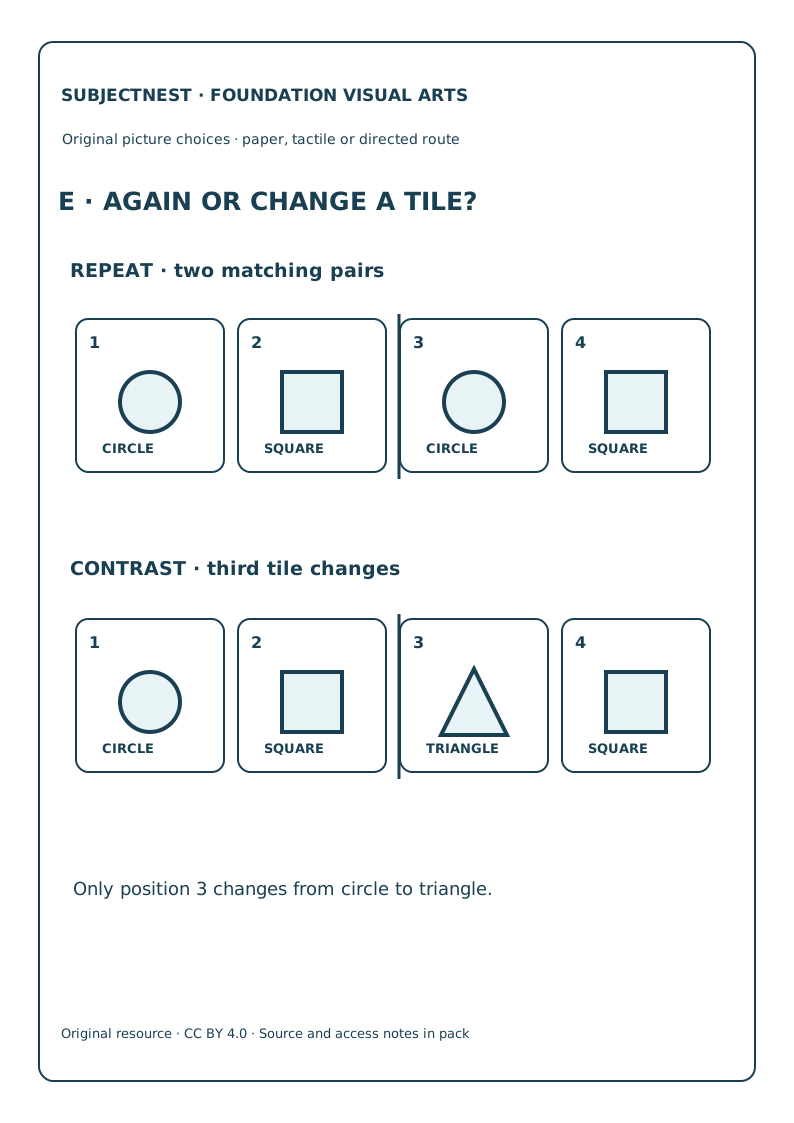
E · Pattern can repeat or change
Invented tile pair P = circle, square. Repeat gives circle, square / circle, square. Contrast gives circle, square / triangle, square. Only the third tile changes. Child chooses a two-part pattern for a fictional four-window display and explains a possible emphasis. E pattern strip.
F · Make and share by choice
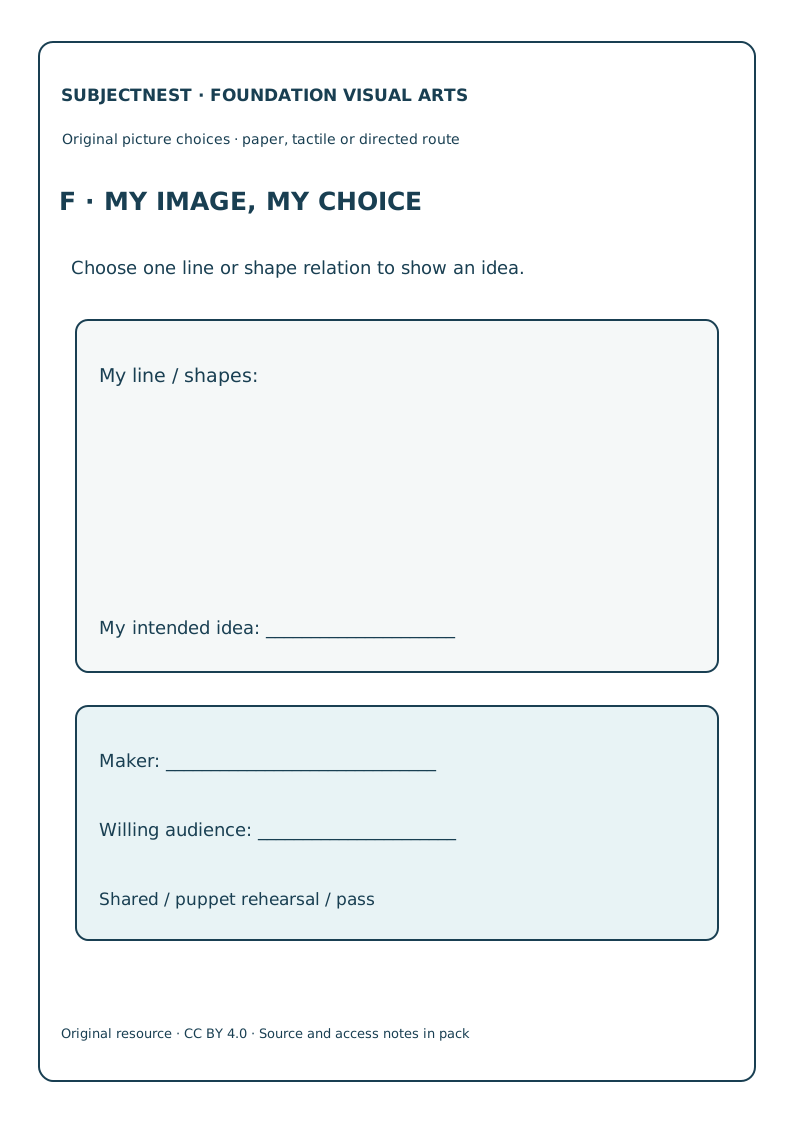
The child chooses one line option, one shape position or overlap, and an intended idea for an original small image. The paper log distinguishes maker, intention, actual willing audience, puppet rehearsal and pass. It does not infer someone else's feelings. F choice/share log.
Fresh G/H are new public check sources in student checks; their worked answers stay in the separate teacher key. Keep the first response independent. No real local or First Nations artwork is reproduced in these diagrams.