Print the linked A4 pages at actual size or use their exact text/tactile alternatives. Every diagram shows the distinction; labels support rather than carry it. Fix broad shapes before a tactile route. The child may point, describe, direct, choose AAC symbols, draw, or pass. These neutral invented forms are original prompts, not artwork from a real community.
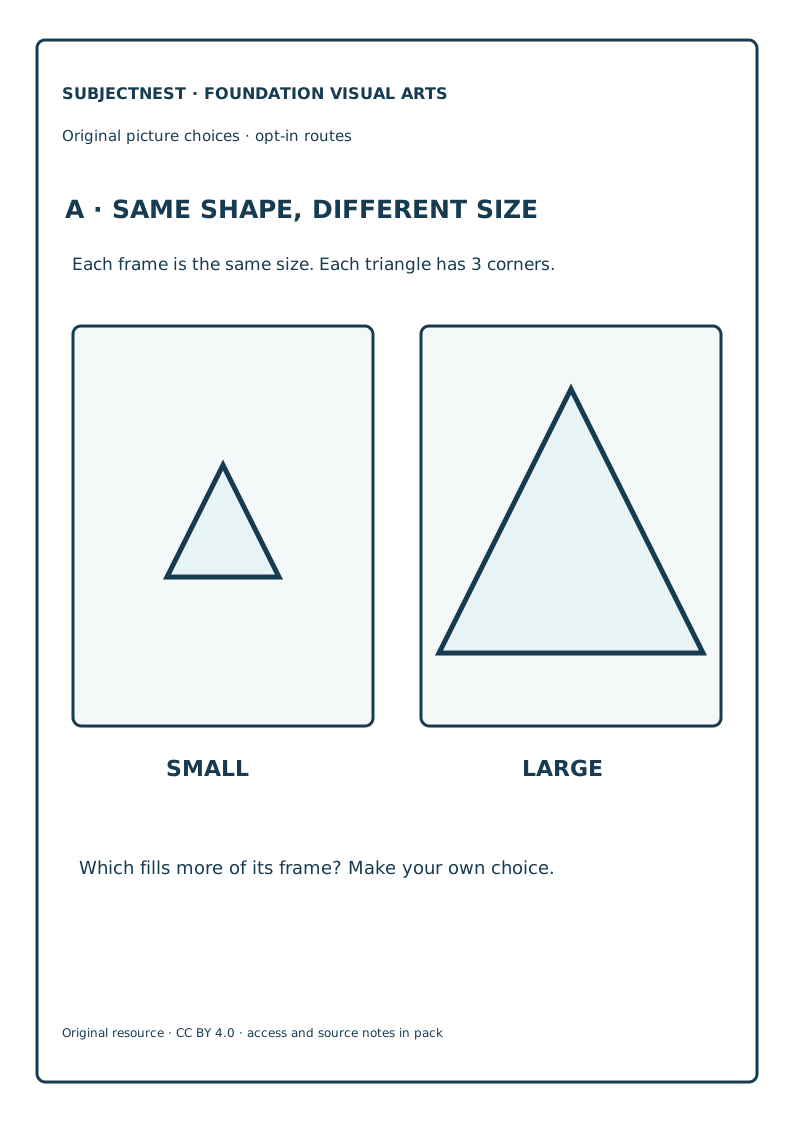
A · The same shape can change size
Scale window SVG · PDF. Two equal frames: a small three-corner triangle occupies little of one frame; a large three-corner triangle occupies much of the other. Ask “Which shape takes more room?” Then let the child make a new choice for an invented item label. Do not call large “more important” as a universal visual rule.
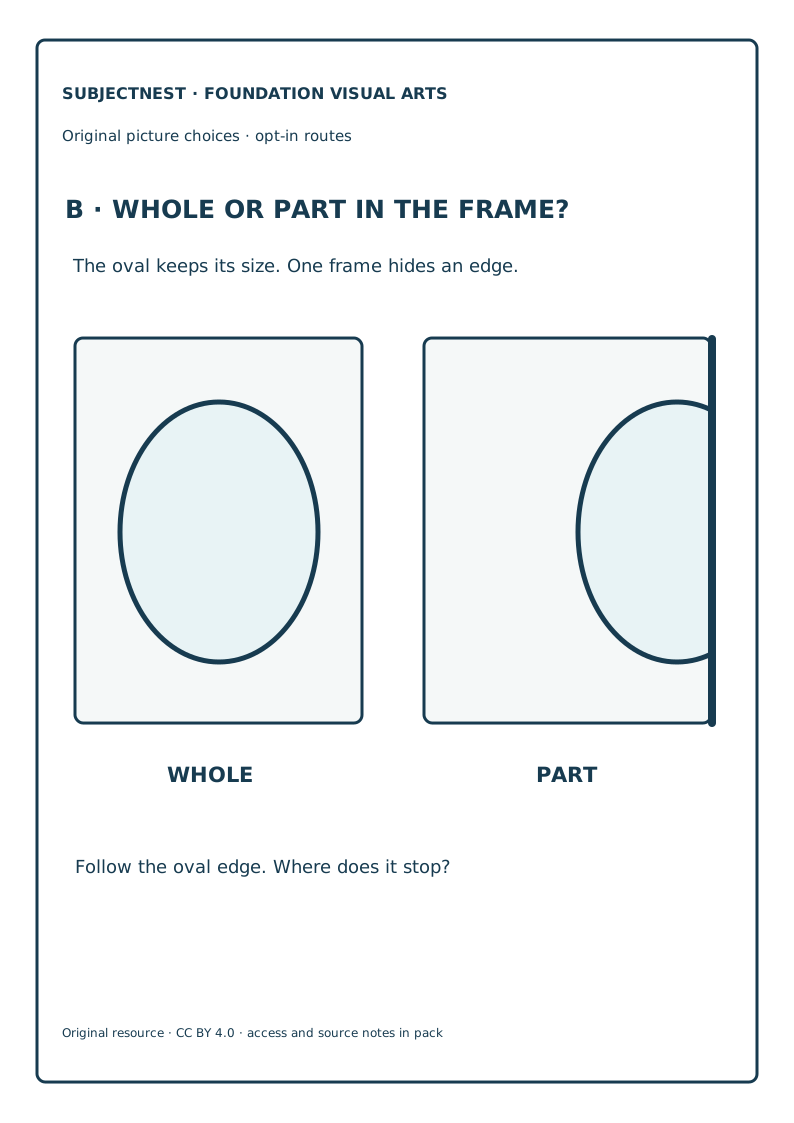
B · A frame can show only part
Whole/part SVG · PDF. One oval is fully inside a frame; the same-size oval in another panel continues beyond a broad frame edge so part is hidden. Ask “Can we follow the whole edge?” Move a fixed large oval only as the child directs.
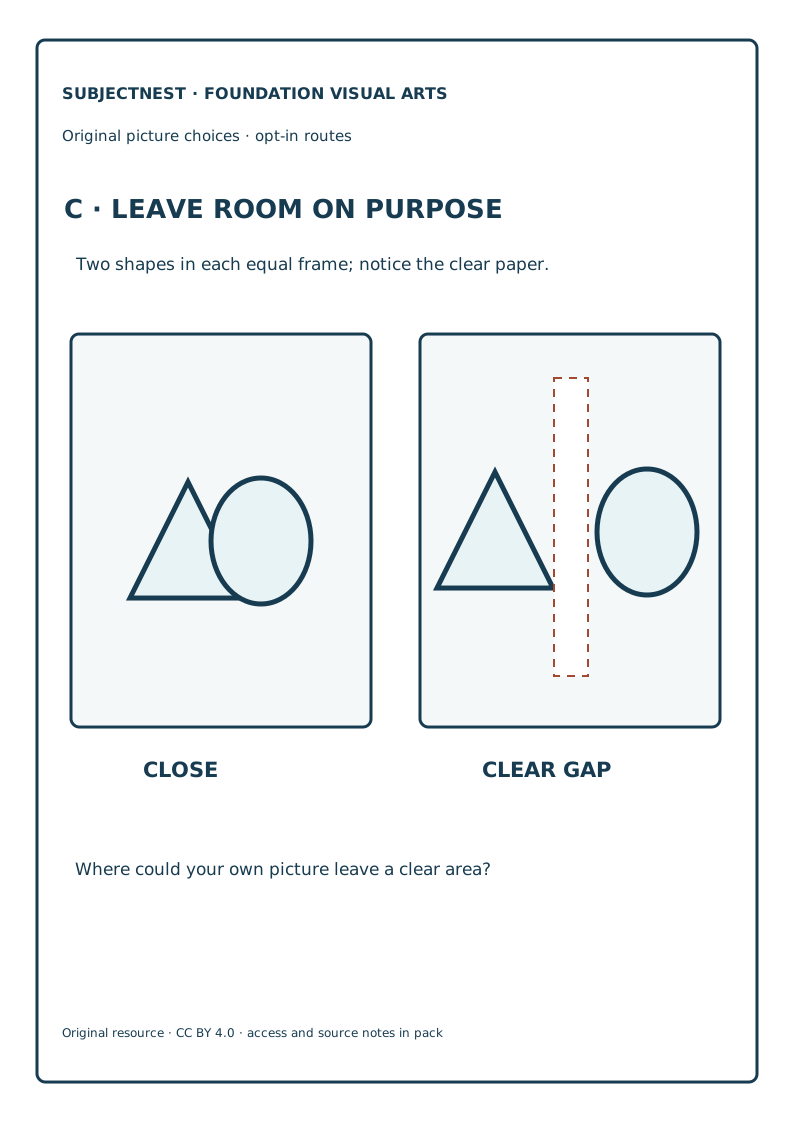
C · An open region is a choice
Open area SVG · PDF. Both panels contain the same two shapes. One panel bunches them near the centre; the other leaves a visibly clear broad region between them. Trace the clear region with a finger in air or describe it; touching paper is optional.
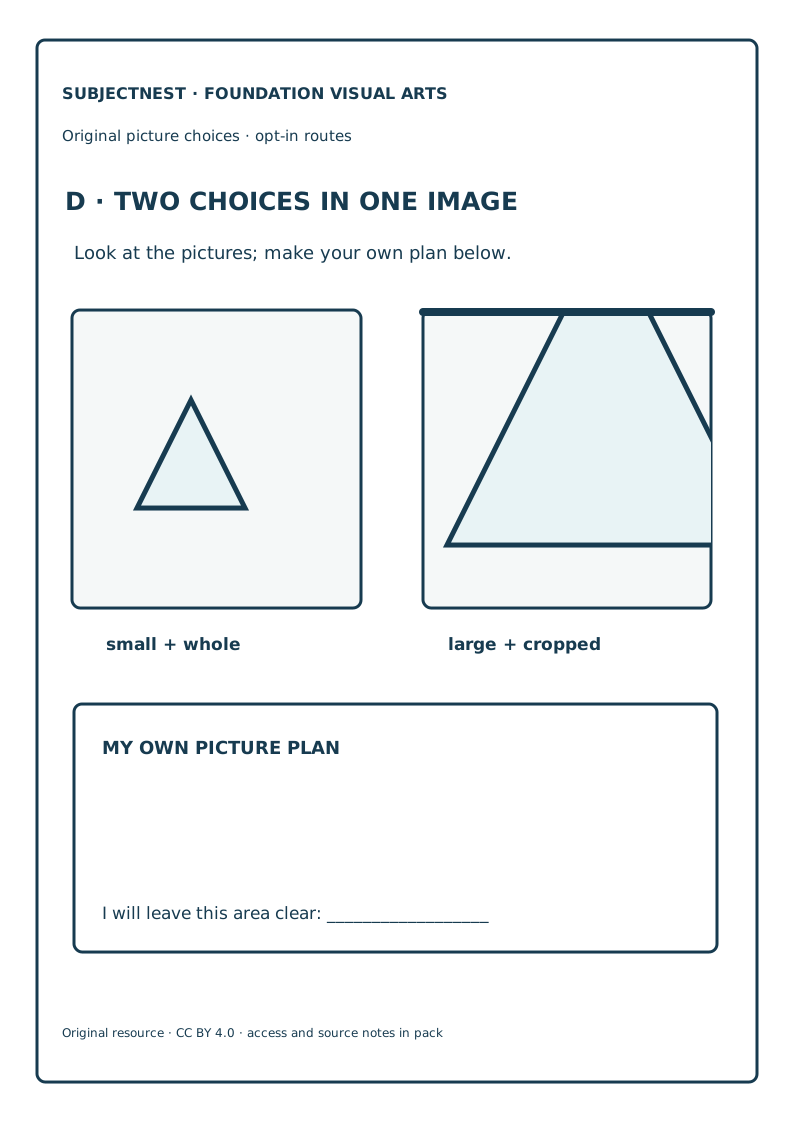
D · A picture plan can hold two choices
Image plan SVG · PDF. Two visible model frames: one small whole triangle with little marked area; one large cropped triangle with an open band. The lower blank frame is for a child-selected composition, not a copy template. Ask which two decisions the child wants to keep or change.
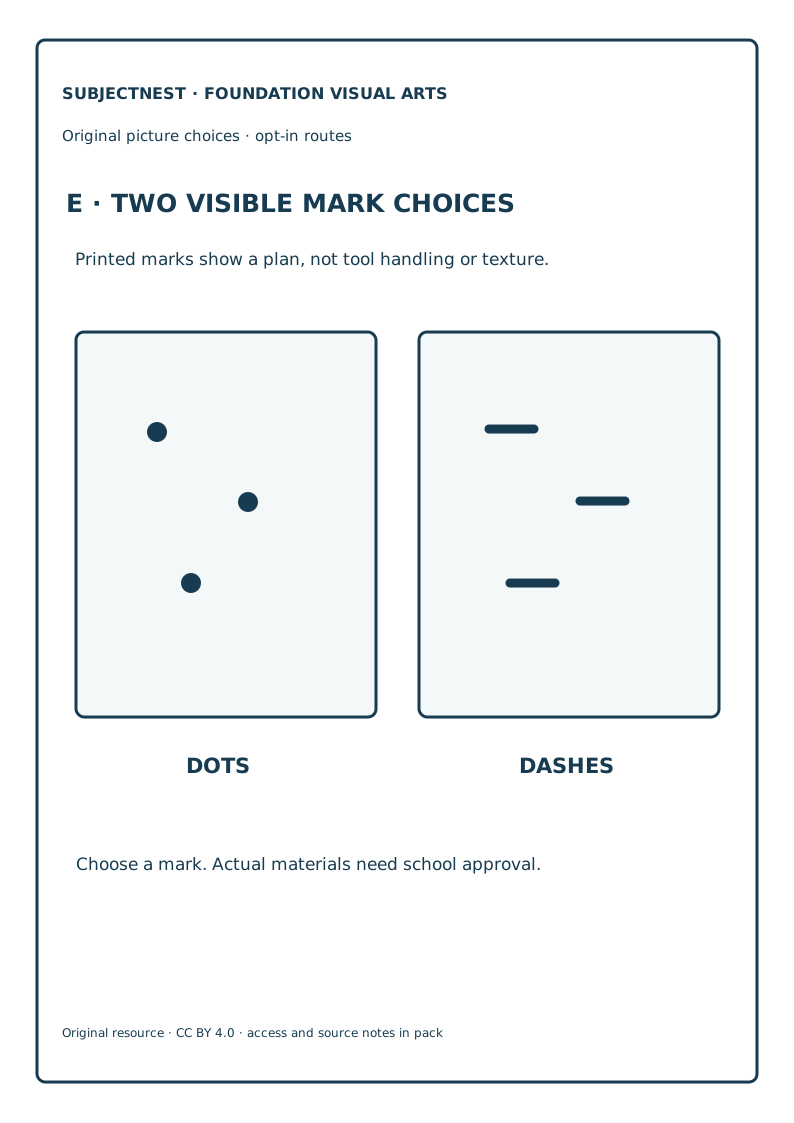
E · Drawn marks are proxies for processes
Mark trials SVG · PDF. Two drawn same-size regions show distinct dash and dot marks. The picture cannot demonstrate how a marker, sponge or card edge feels or moves. Ask the child to choose a visible mark; use the separate school gate below for physical exploration.
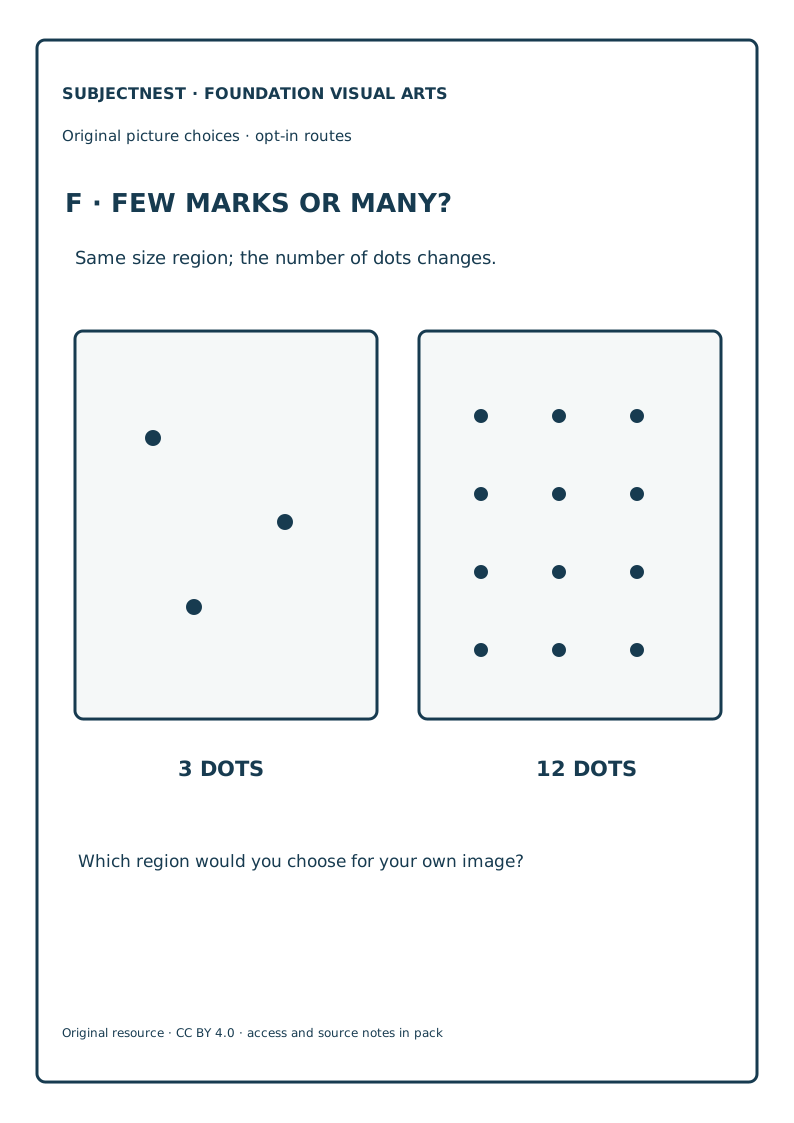
F · Density changes a surface plan
Few/many SVG · PDF. Equal rectangles have three dots versus twelve separated dots. The differences are visible and countable; these are not claims about real tactile roughness. Let a child make a new sparse/dense arrangement rather than tracing the sample.
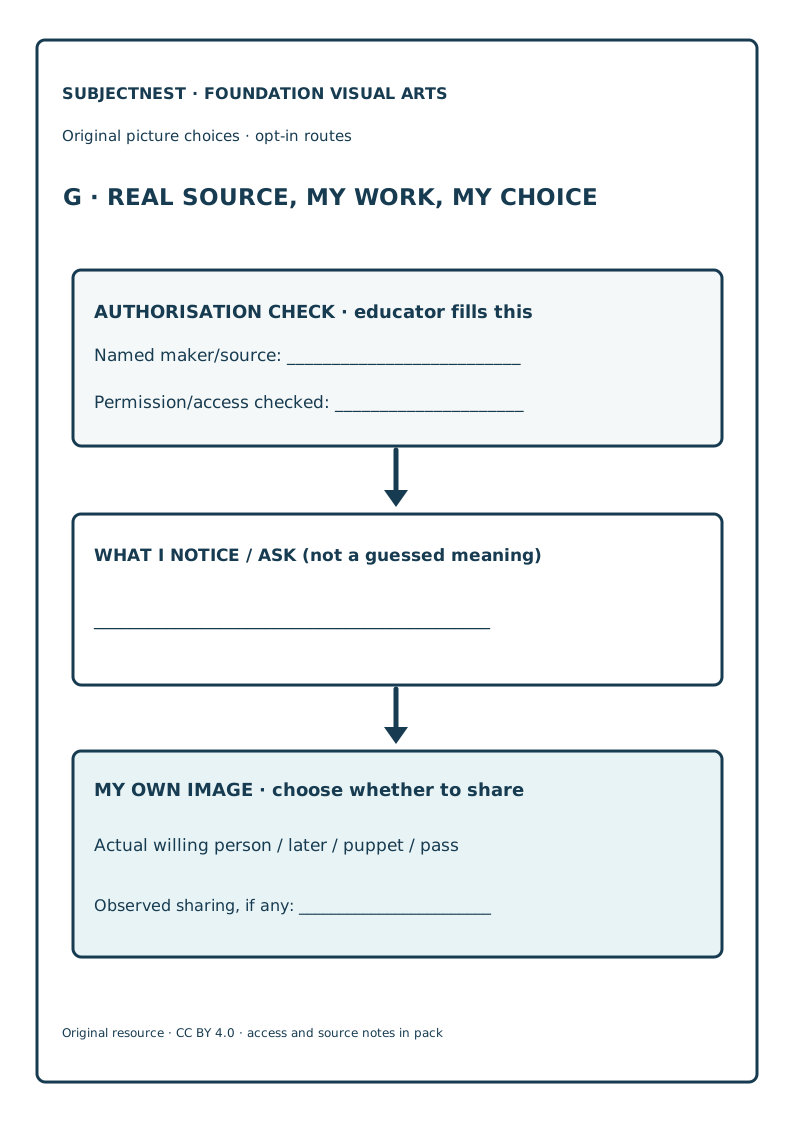
G · Encounter and sharing log
Encounter/share SVG · PDF. This is a visual choice path plus blank fields. It does not contain or represent an authentic artwork. Adult records actual source/permission and actual willing audience only if those events occur. A puppet rehearsal or pass is a valid choice but different evidence.
School-gated physical material exploration
The educator first chooses school-cleared, age-suitable materials and verifies allergy, ingestion, sensory, tool, ventilation, cleaning and handling requirements under current local guidance. Use large fixed paper and large tools, never loose small parts or compulsory skin contact. Offer accessible stabilisation and a way to direct a neutral adult. No sharp edge, solvent, paint, natural found object or food material is implied by this pack. Day 16's optional actual mark-making route might use an approved broad dry marker, sponge or card edge; teacher observes what a child really chose and did. If approval or access is absent, run the full paper planning route and hold physical-process evidence. A printout of marks is not physical material exploration, and a tactile fixed sample is not proof that the child made it.