These scenes are fictional and low stakes. You can opt in to acting, direct paper cards or props without playing a role, or analyse/annotate the exact script. You may switch or stop a route without giving a reason. Nobody needs to speak publicly, disclose a personal story, be touched, be recorded or represent a culture. A neutral reader/scribe follows your choices. Optional tone cues can always be replaced with a counted silence.
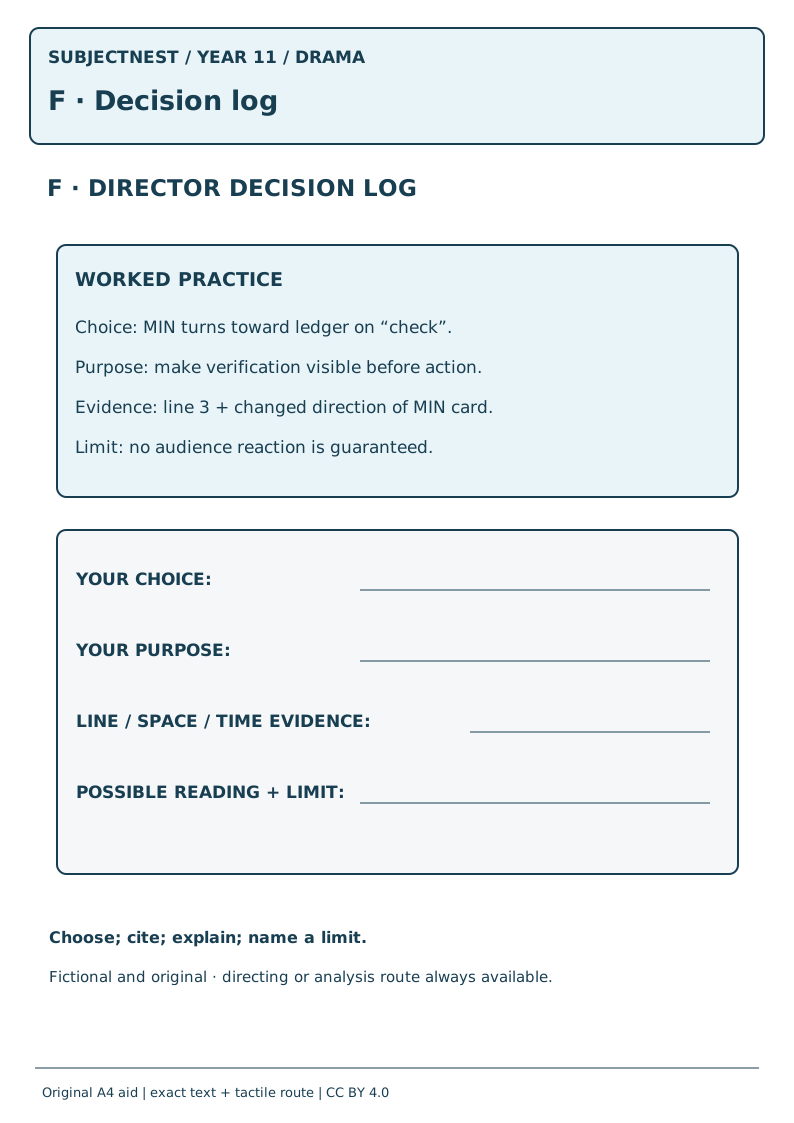
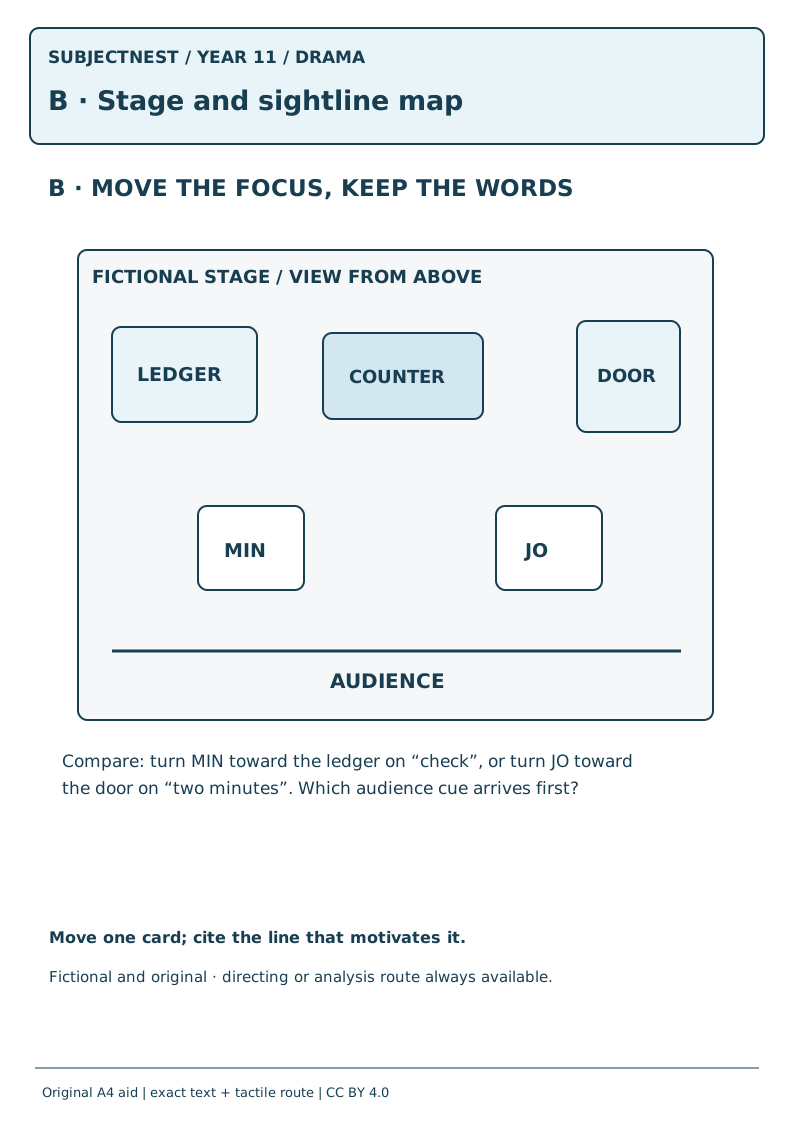
A strong short response: name a purpose; point to an exact line, stage position, action beat or pause; choose one dramatic-language change; then say what an audience might understand and what the text cannot prove. “Might” matters because audiences can read a moment differently. The exact A4 text/tactile routes include every label on the diagrams.
| Day | Open | Keep this evidence |
|---|---|---|
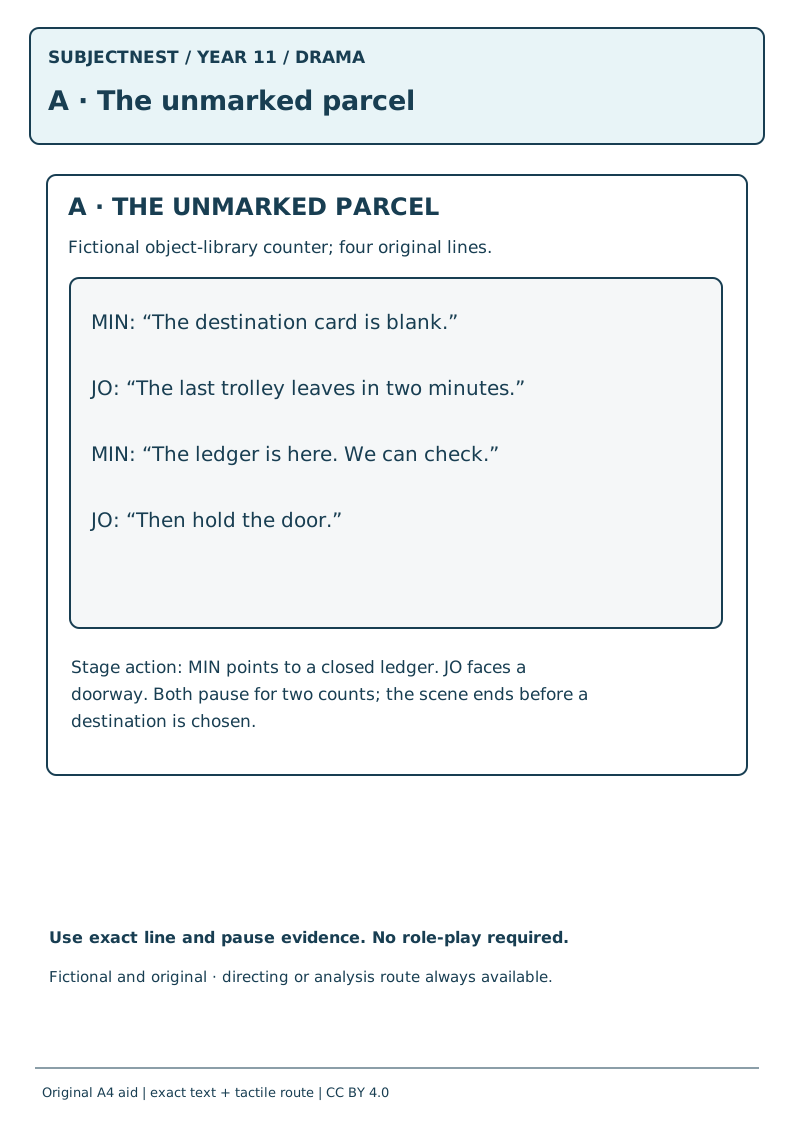
| 1 | A script | One stated fact, one labelled inference and a cited question. |
| 2 | A and log | Purpose, audience and chosen line kept separate. |
| 3 | B stage map | One card turn and the line that motivates it. |
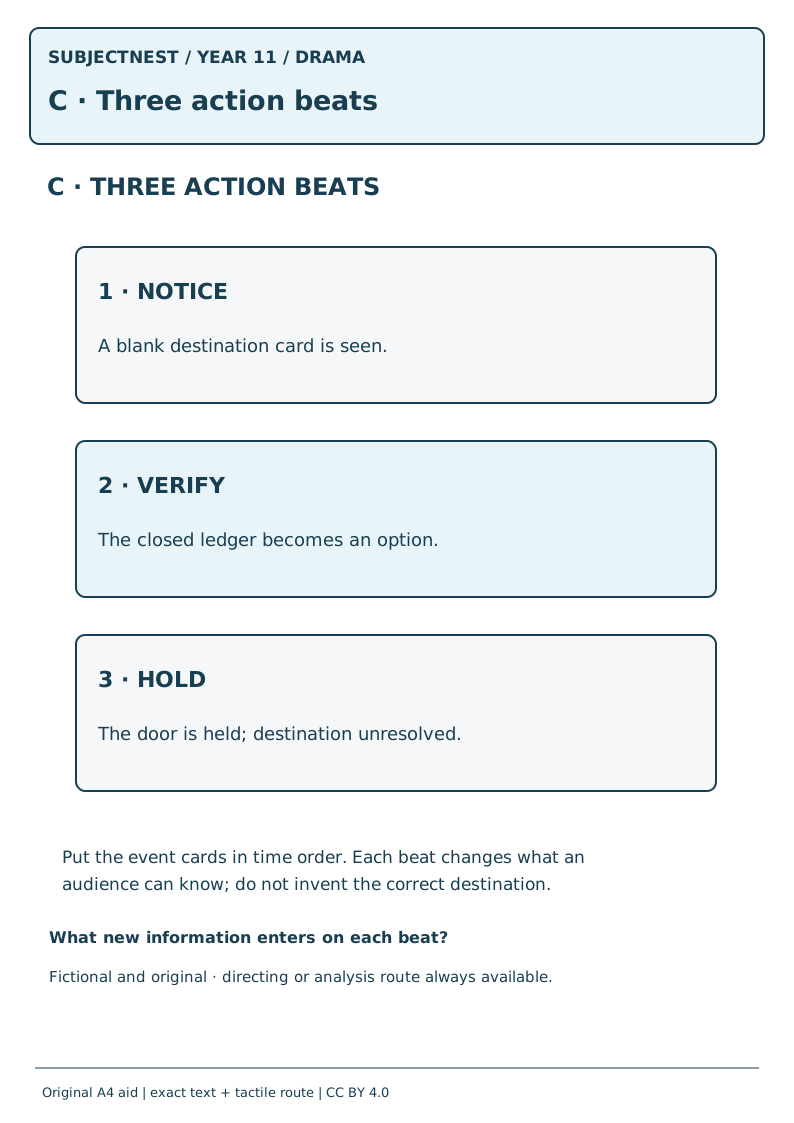
| 4 | C beat board | NOTICE → VERIFY → HOLD, or a clearly justified reorder. |
| 5 | fresh Check A | First response to new G before worked feedback. |
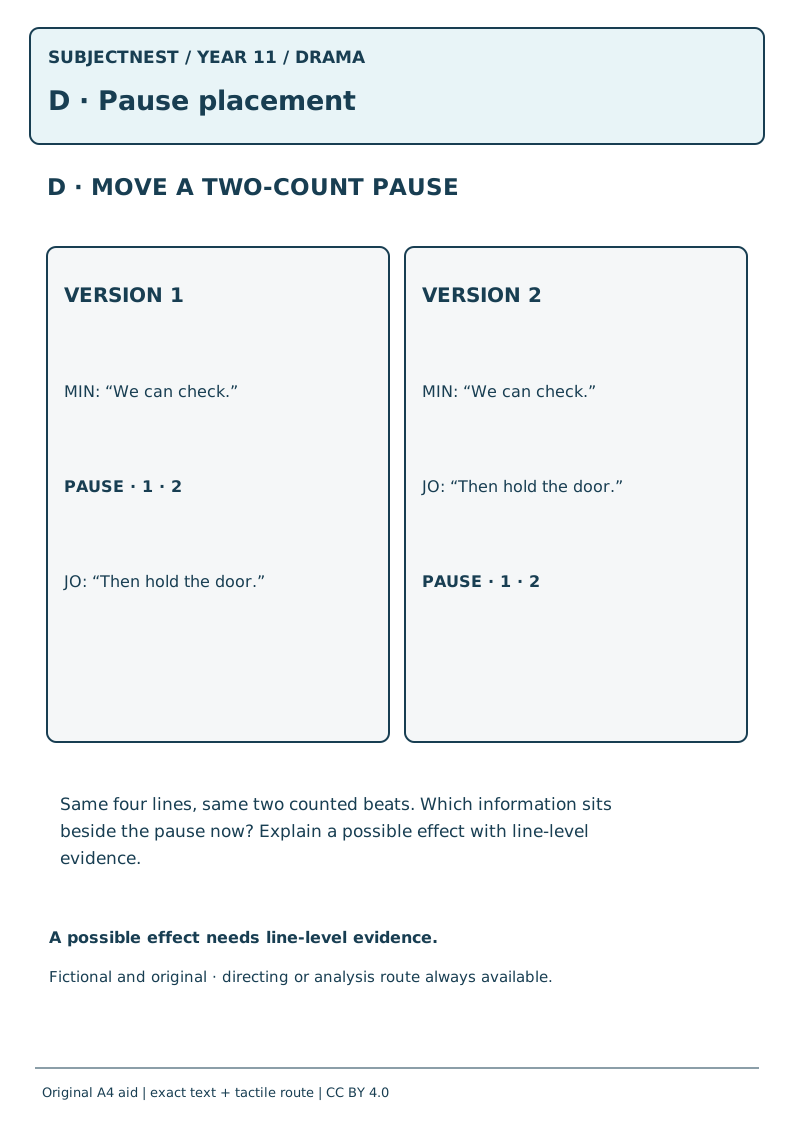
| 6 | D pause sheet | Soft cue, firm cue or silence, with line/time evidence. |
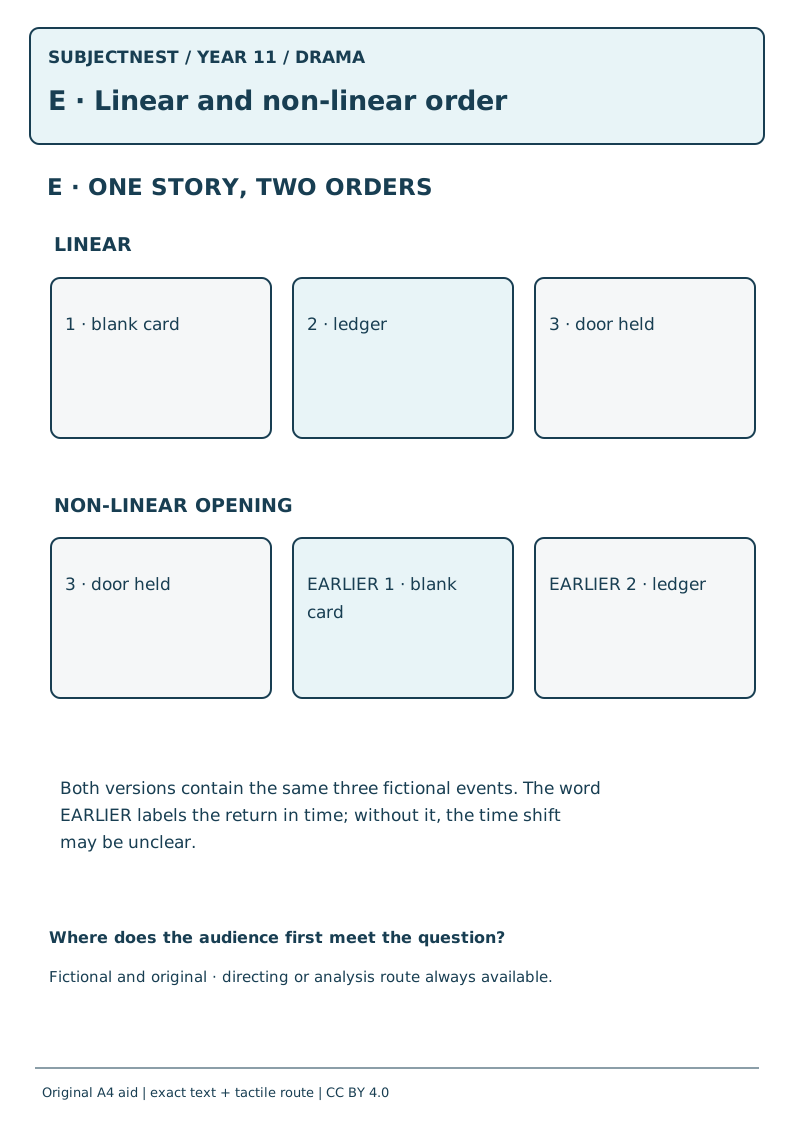
| 7 | E order board | Linear and labelled changed opening with one evidence claim. |
| 8 | A script and B map | Line + visual/space cue + possible effect and limit. |
| 9 | source pathway and log | Who controls a source, what permission is unknown, and your own A choice. |
| 10 | fresh Check B | First response to new H before worked feedback. |
Nothing here decides your school result. The full course will study published scripts and professional theatre chosen by your school, with care for the artists’ rights and cultural authority.