Target: distinguish a modern historical interpretation from period evidence and propose corroboration. Prepare: Cards A/B/E and argument weave.
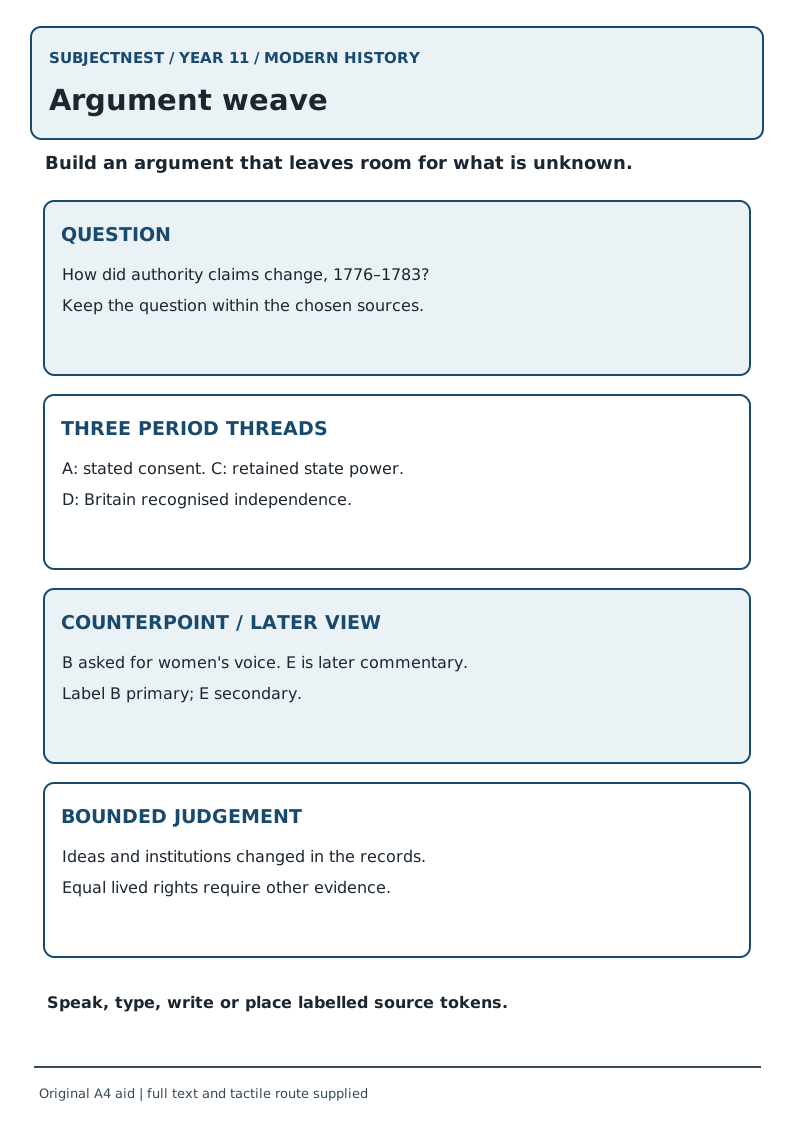
- Launch · 2 min. Ask whether a 2021 archive discussion can have witnessed 1776.
- Model · 4 min. E is secondary commentary on unequal inclusion; A and B are period words with different purposes. E opens a research question, not a final verdict about every person.
- Guided reading · 5 min. List source gaps: affected people's voices, laws and implementation. Name the later fresh-check sources only by type, not content.
- Practice route · 7 min. Choose a Day 8 route. Write a question, two currently available sources and a plan for a different voice, with no invented quotation.
- Audit · 4 min. Partner mislabels E primary; learner explains its 2021 date and analytical purpose.
- Exit · 3 min. “Useful for what?” Key: E is useful for a modern archive framing of exclusion, not direct 1776 testimony.