Teacher draft. Ten 25-minute lessons continue from Days 91–100. Week 21 sorts, names and makes familiar shapes using observable reasons. Week 22 describes where a person or object is relative to a named reference in a safe familiar or fictional space. The Year sequence remains a plan; this pack supplies only Weeks 21–22.
| Open | Use |
|---|---|
| Daily scripts | Timed model, guided attempt, independent reason, check and next move. |
| Teacher object setups | Exact shape and map sets, printing and nonvisual text equivalents. |
| Learner cards | No answer keys; choose one paper/card setup at a time. |
| Shape evidence sheet and paper map | Original labelled A4 aids; material text is equivalent. |
| Assessment | Fresh Day 105 shape and Day 110 position checks, keys and diagnostic next actions. |
| Week 21 integrated art guide and Week 22 route guide | Separate making and route evidence. |
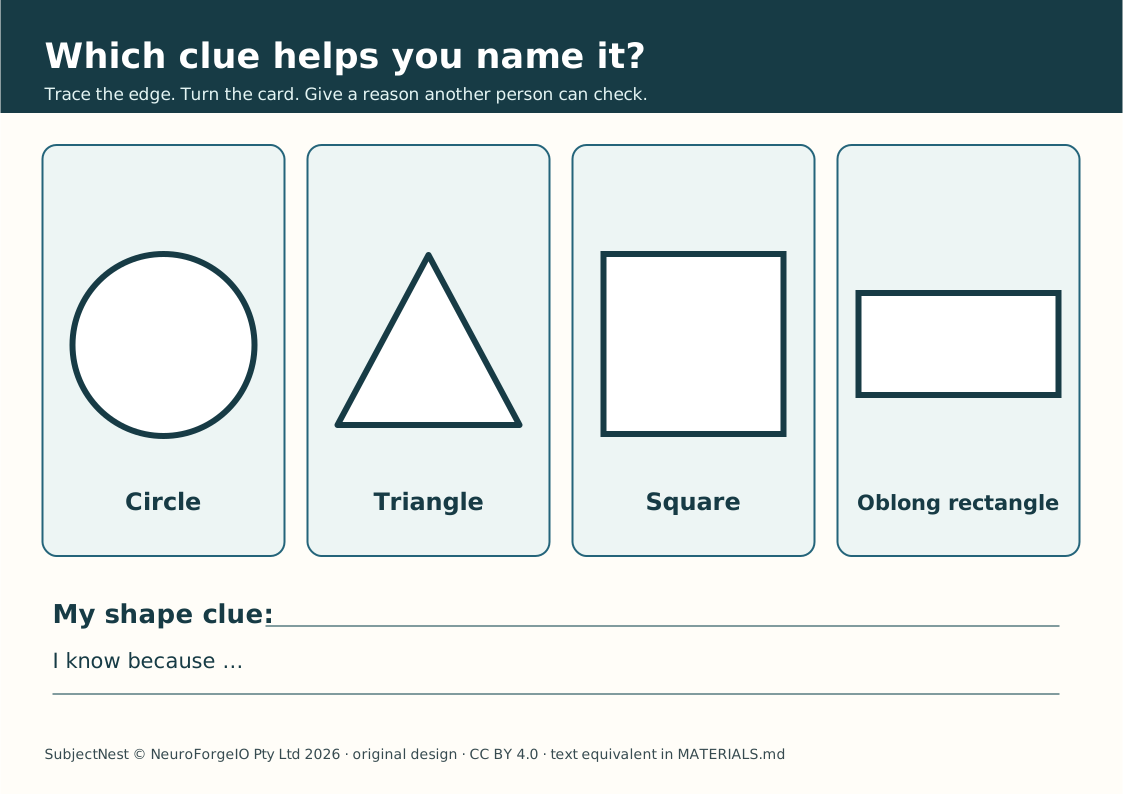
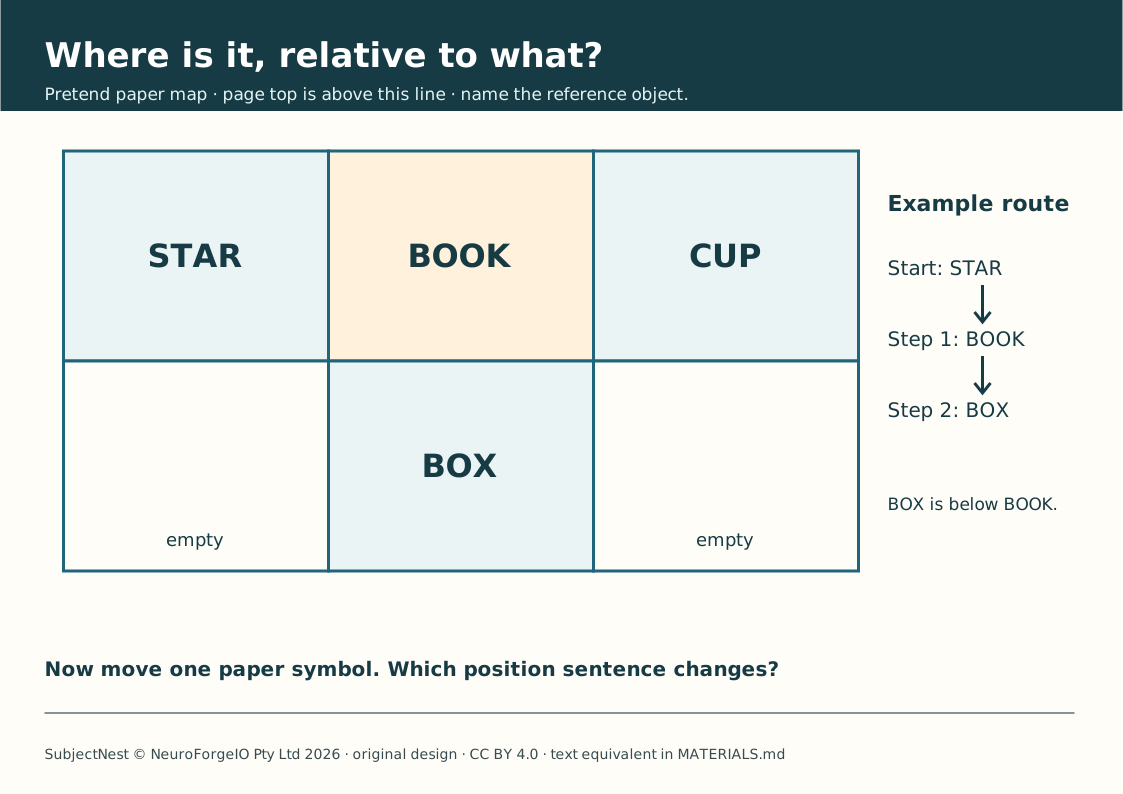
Proposed curriculum links: AC9MFSP01 and AC9MFSP02 are exact Australian Curriculum v9 Foundation codes in the official workbook, retrieved 29 September 2026; pinned workbook SHA-256 db446882d2c00cf7c085a03e250e2442fda6c44011fc114680c46c1dc7a822c3. AC9MFSP01 involves sorting, naming and creating familiar shapes, recognising them within environmental objects and giving reasons. AC9MFSP02 concerns position/location of self and objects relative to other people and objects in familiar space. The lessons sample parts of these descriptions and do not certify attainment or local syllabus adoption. AERO early numeracy guidance informs use of concrete models and conversation; it does not endorse the pack.
Before class: use large, safe paper shapes or digital/tactile equivalents; check cutting tools against school rules and offer precut pieces. Use no small loose shapes with children who mouth materials. Teach paper-map work separately from real navigation or evacuation procedures. If children move, agree a short safe area and allow a seated/child-directed marker route. Check access and record whether the child placed, pointed, directed, described or received a model. A child who cannot hold a piece can still control its placement. No real home map, precise learner location, image upload or public performance is required.
Original scripts, examples and vector art © 2026 NeuroForgeIO Pty Ltd, SubjectNest, CC BY 4.0. Credit, link the licence and indicate changes. ACARA and AERO retain their own terms. Human educator, access, local syllabus and classroom trial review pending.