Teacher draft. Ten 25-minute lessons continue Days 111–120. Week 25 asks a familiar class-story question, collects image cards, sorts and compares the resulting data. Week 26 names references, follows a paper route and checks what changes when the layout or viewpoint changes. Optional safe classroom transfer needs local approval. Fictional data are labelled as fiction; no one has to disclose a preference or movement ability.
| Open | Use |
|---|---|
| Daily scripts | Timed daily lessons and specific response to error. |
| Teacher data and paper-map setups | Exact practice sets, change log and text/tactile alternatives. |
| Learner cards | Clean questions, no counts or route keys. |
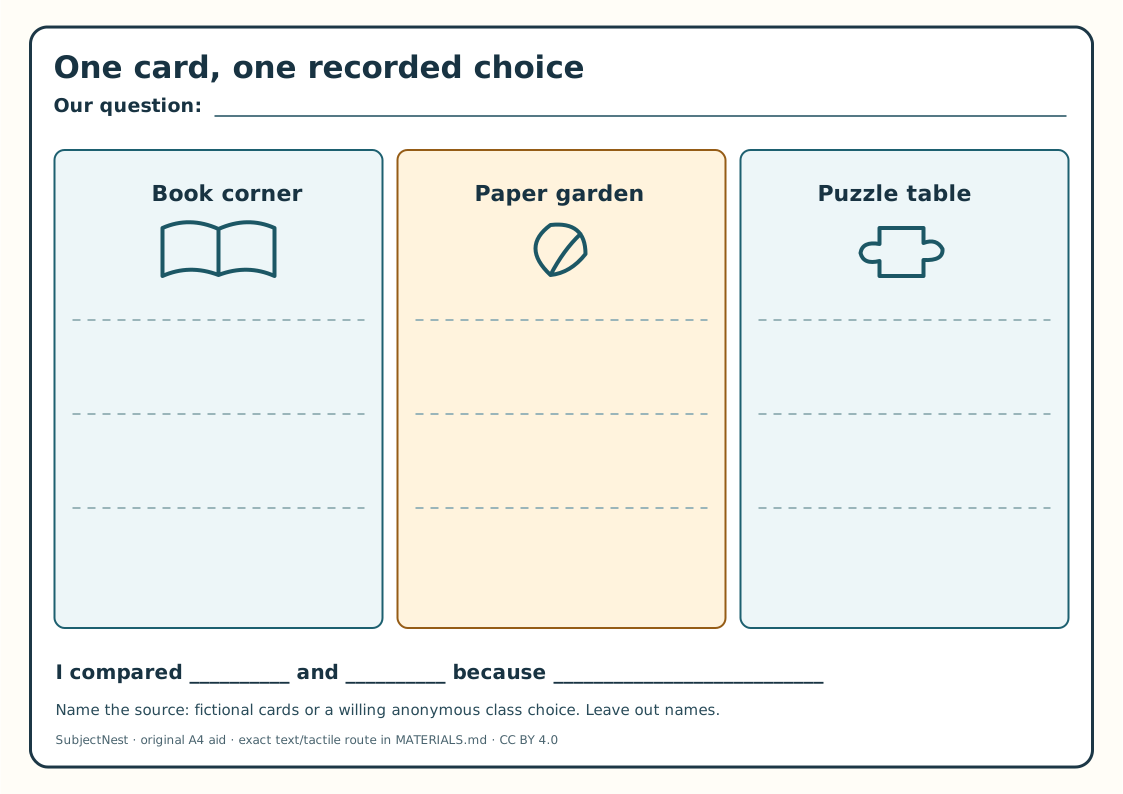
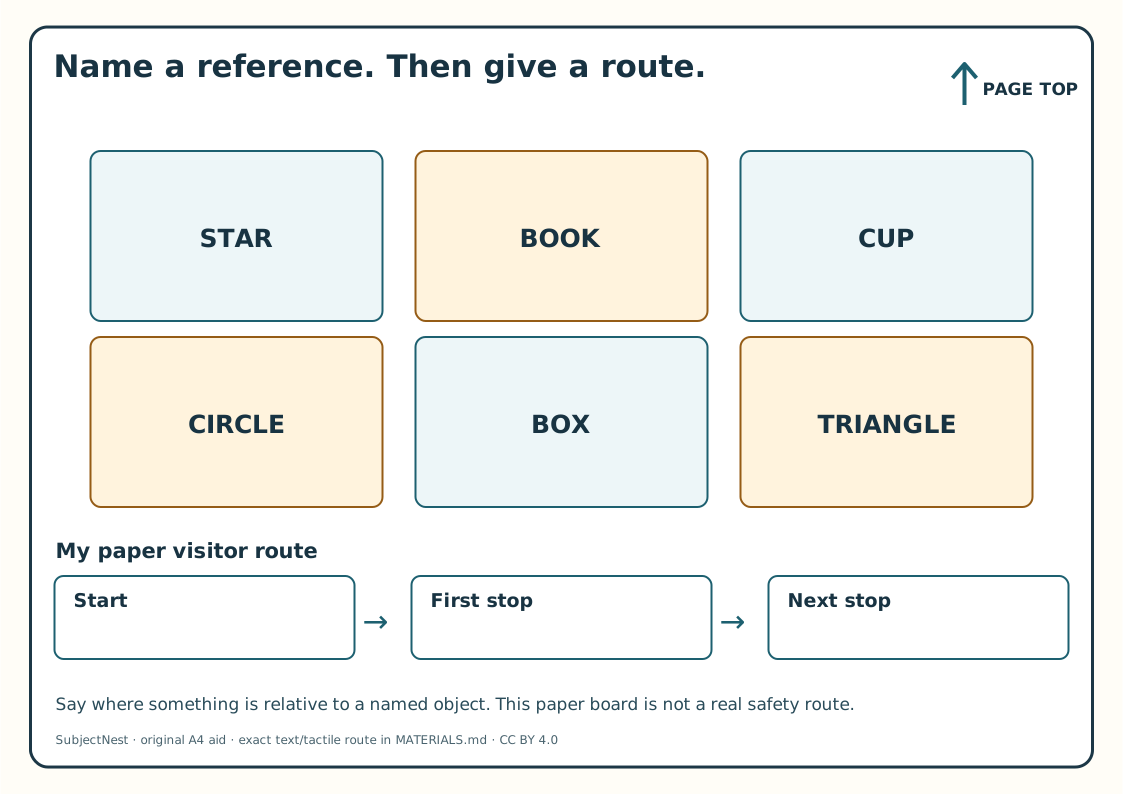
| Picture data mat and route mat | Original A4 aids with labels as well as colour. |
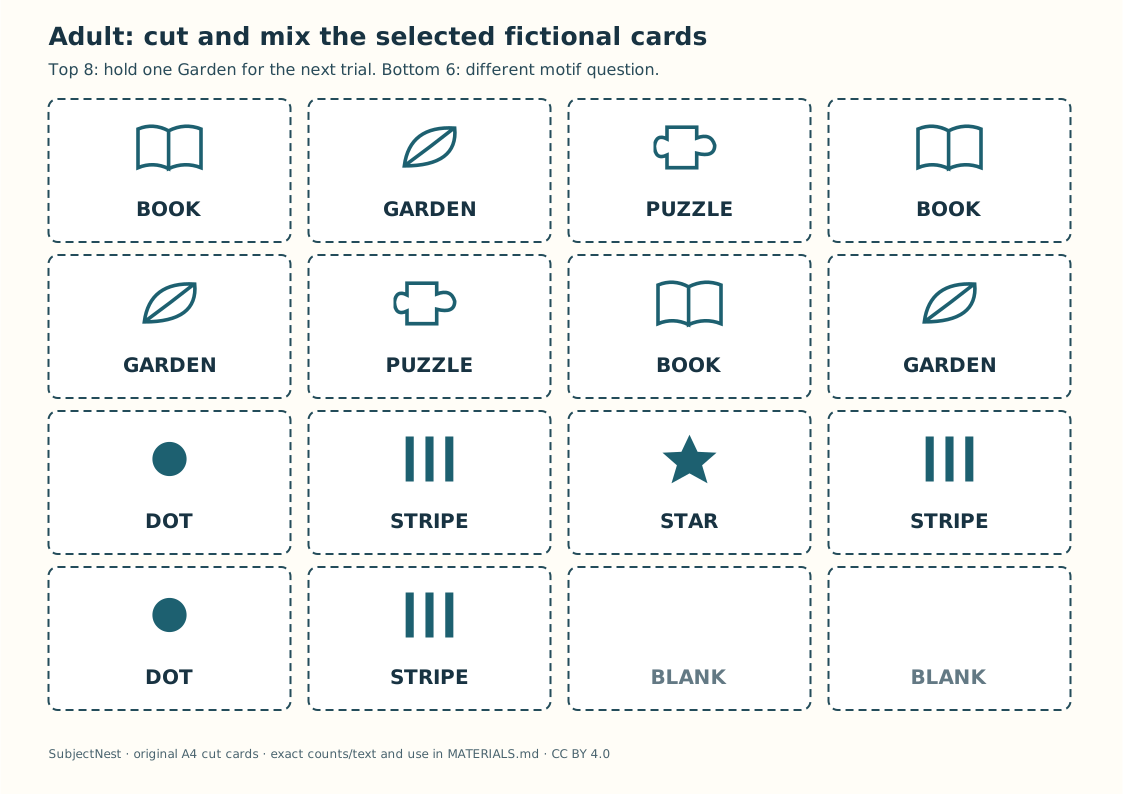
| Practice cut-out choices | Original book/garden/puzzle and dot/stripe/star image tokens. |
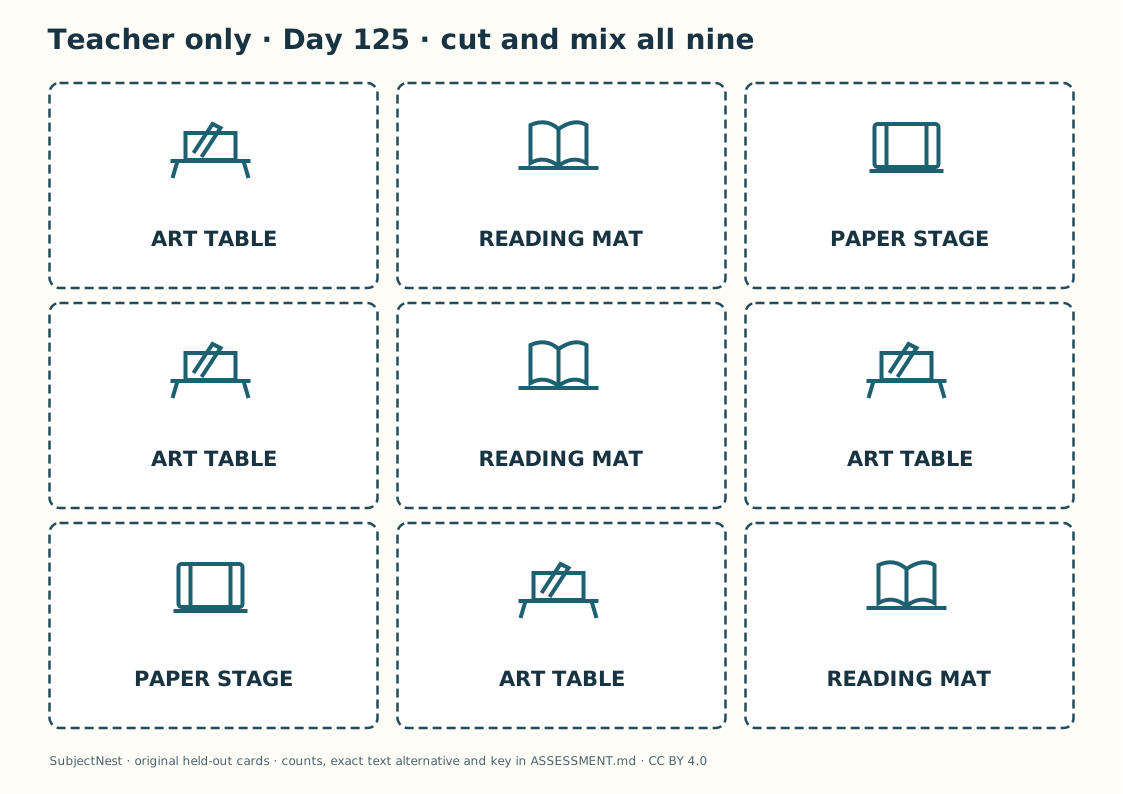
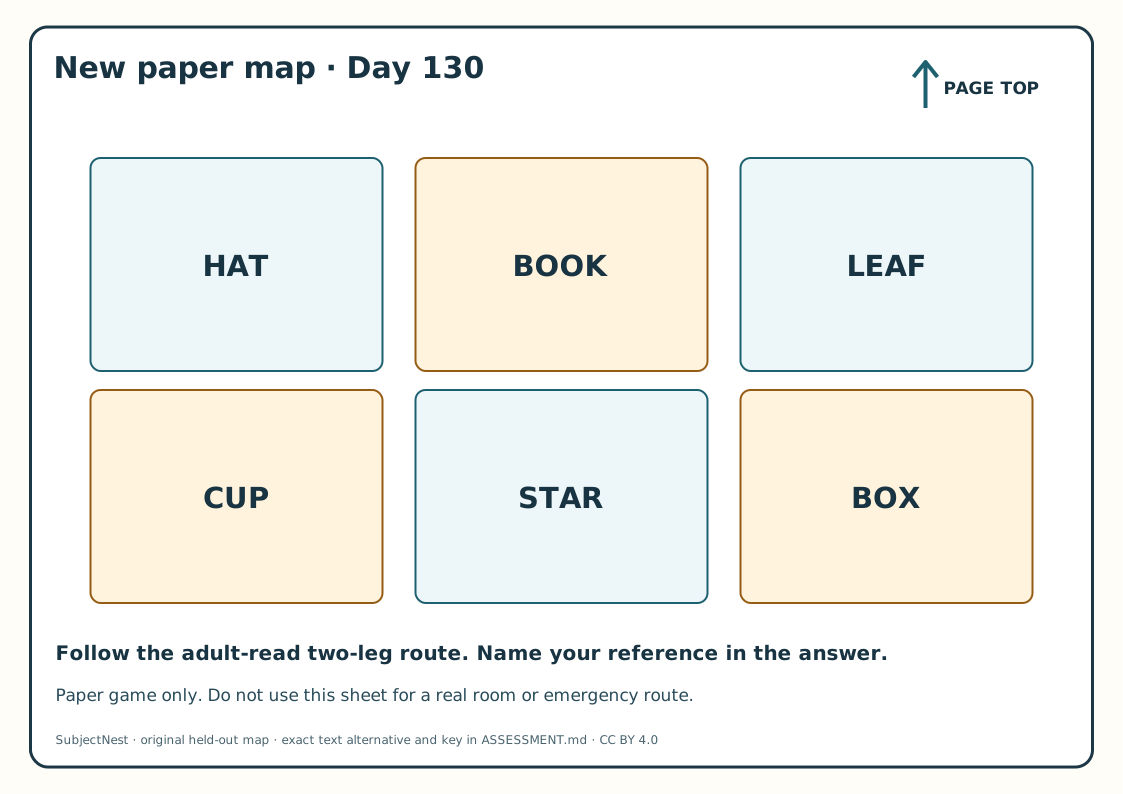
| Teacher-only Day 125 cards and Day 130 map | Fresh assessment visuals, unseen until their check. |
| Teacher-only checks | Fresh Days 125/130 items, exact keys and next moves. |
| Cross-subject QA | Pinned source/rights and role walkthrough. |
| Week 25 integrated guide and Week 26 integrated guide | Separate maths and arts/HPE evidence. |
Proposed Foundation codes: AC9MFST01 asks learners to collect, sort and compare data represented by objects and images in response to given investigative questions related to familiar situations. AC9MFSP02 concerns position and location of self and objects relative to other people and objects in familiar space. These are exact Australian Curriculum v9 Foundation Year rows in the official workbook, retrieved 29 September 2026, SHA-256 db446882d2c00cf7c085a03e250e2442fda6c44011fc114680c46c1dc7a822c3. Our paper route samples object-relative language; it does not by itself evidence self/other positions in a real familiar space. Teacher-approved local transfer may do so. Neither code is claimed complete from one check. AERO early numeracy guidance informs concrete objects and mathematical conversation; it has not tested the pack.
Use: one image/object token represents one recorded choice in the displayed set. Sort the tokens; do not silently combine two people into one token or turn a fictional set into “our class voted.” Ask the question before collecting. Consent/opt-out for a real anonymous class choice is local; a fixed invented set works for all practice and fresh checks. Use large pieces rather than small loose counters where mouthing is a concern. For routes, agree page top, starting point and named reference; paper maps never direct real evacuation or travel. A child can point, move, guide an adult, use tactile labels, speech, sign or AAC. Log whether a route was independent and whether a real-space transfer actually occurred.
Original lessons, datasets, examples and SVGs © 2026 NeuroForgeIO Pty Ltd, SubjectNest, CC BY 4.0. Credit, link the licence and indicate changes. ACARA/AERO retain their own terms. Human educator, access, local syllabus, safety and classroom trial review pending.