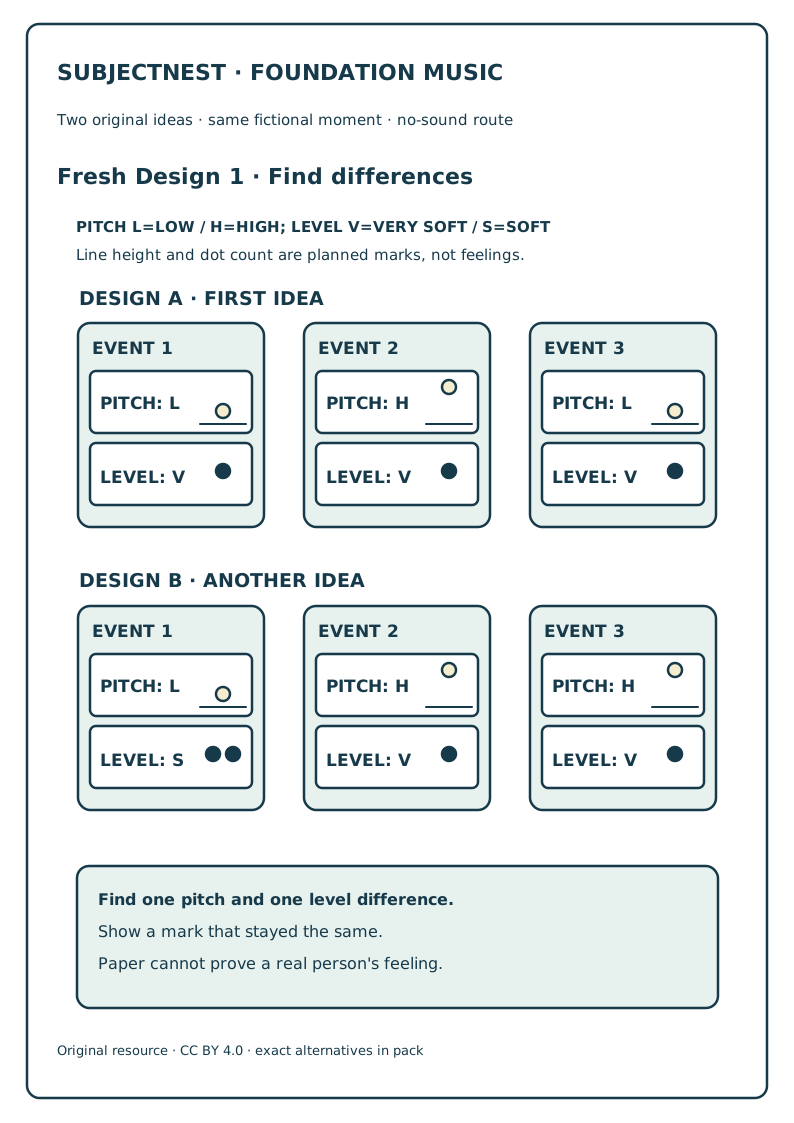
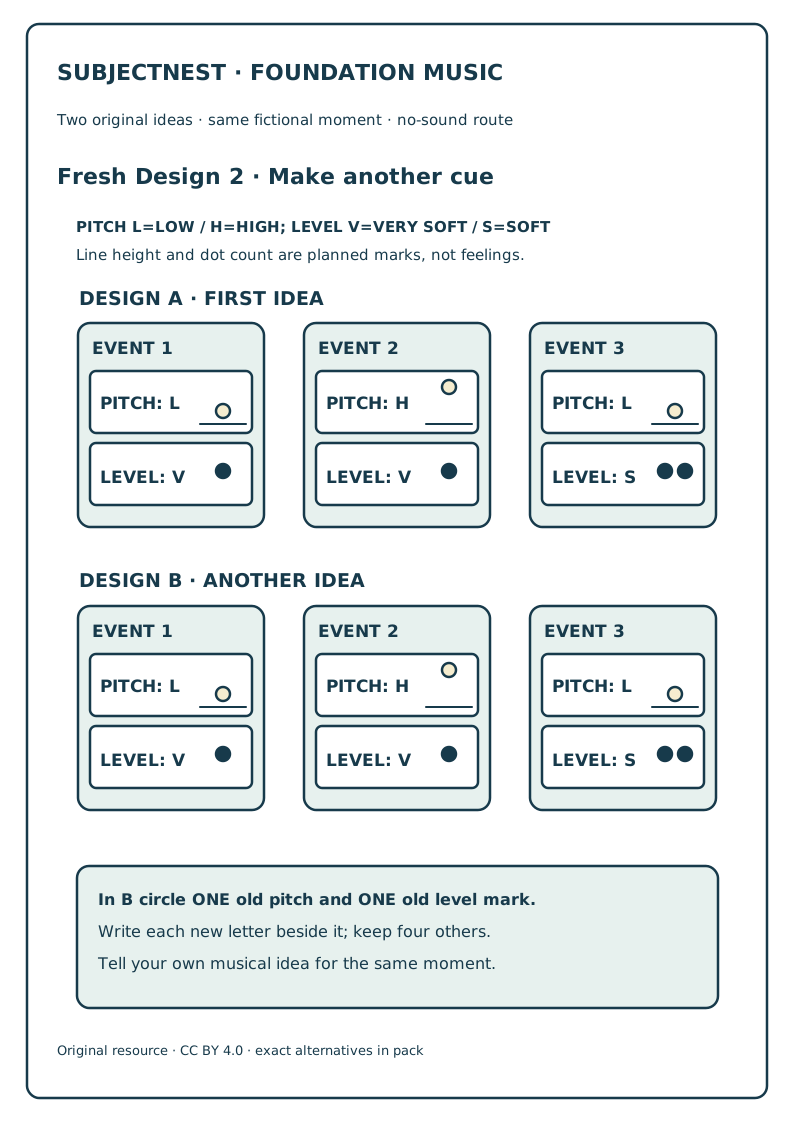
Each invented three-event cue has two marked lanes: pitch L/H = low/high with line-height icon; planned level V/S = very soft/soft with one/two dots. One fixed electronic source, event positions and duration are assumed only for our generated candidates. Children can make two valid alternatives for one neutral fictional moment, then describe actual mark differences. Neither score alone reports emotion, listener perception or controlled sound. Exact text/tactile/no-print routes cover every sheet; audio transcripts preserve candidate event information without playback.
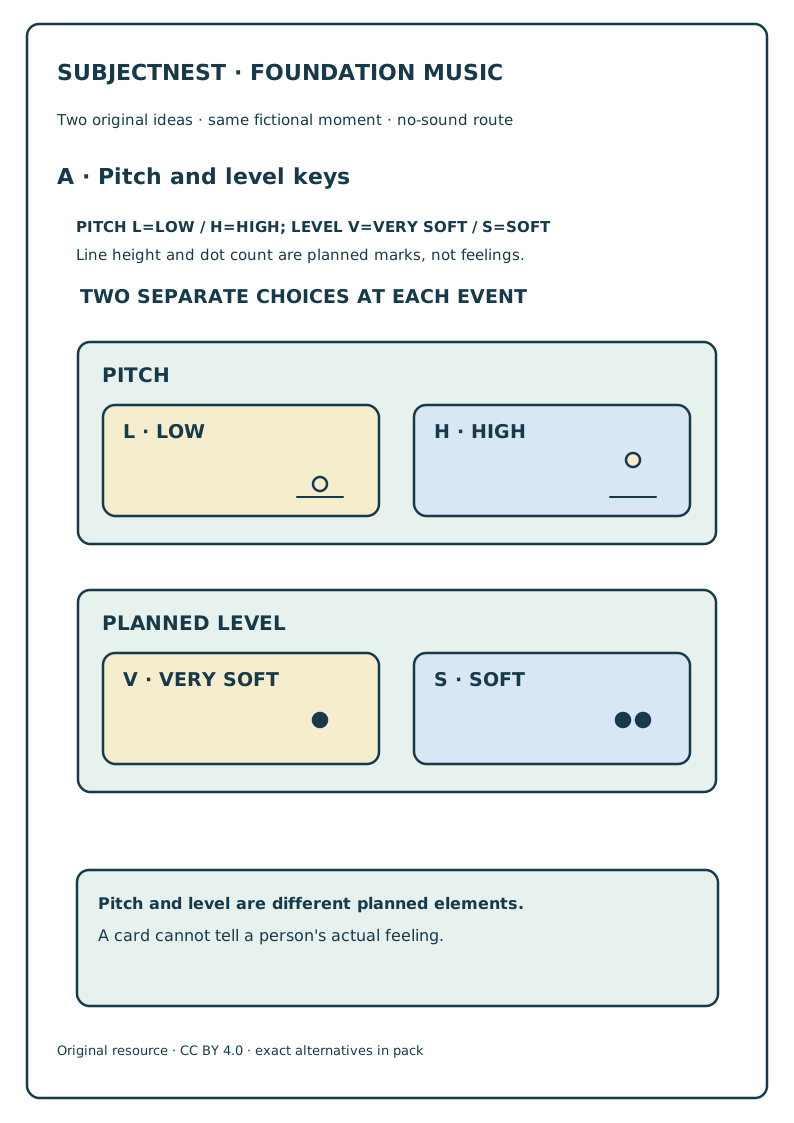
A · Two independent keys
Two-key SVG · PDF. Put L and V at one event. Swap only L→H; restore. Swap only V→S; restore. Pitch mark position and dot count are different planned elements. Ask the child to name which card changed without demanding an aural distinction or emotion word.
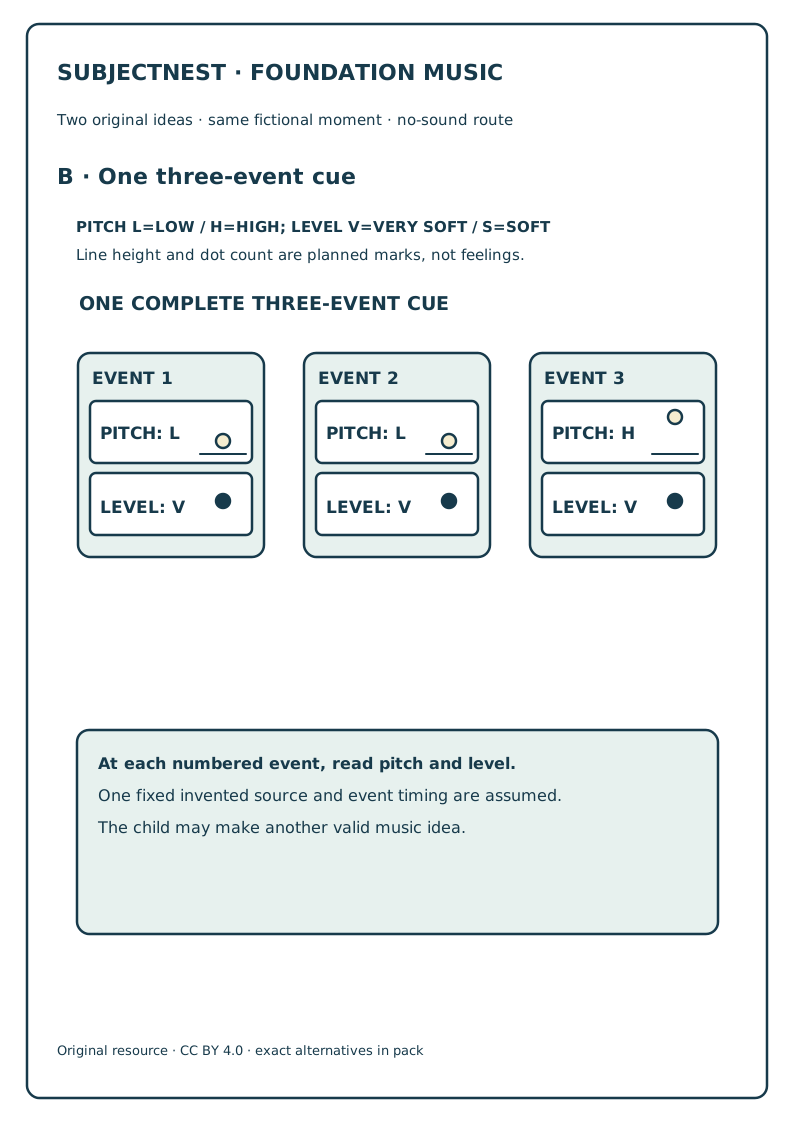
B · Build one three-event cue
Three-event SVG · PDF. Work pitch L L H and level V V V in three fixed numbered columns. Read each event as a pair of marks. The child can author another three-place row for a fictional book page or abstract cue. Keep an adult's intended meaning separate from any listener response.
C · Compare two musical solutions
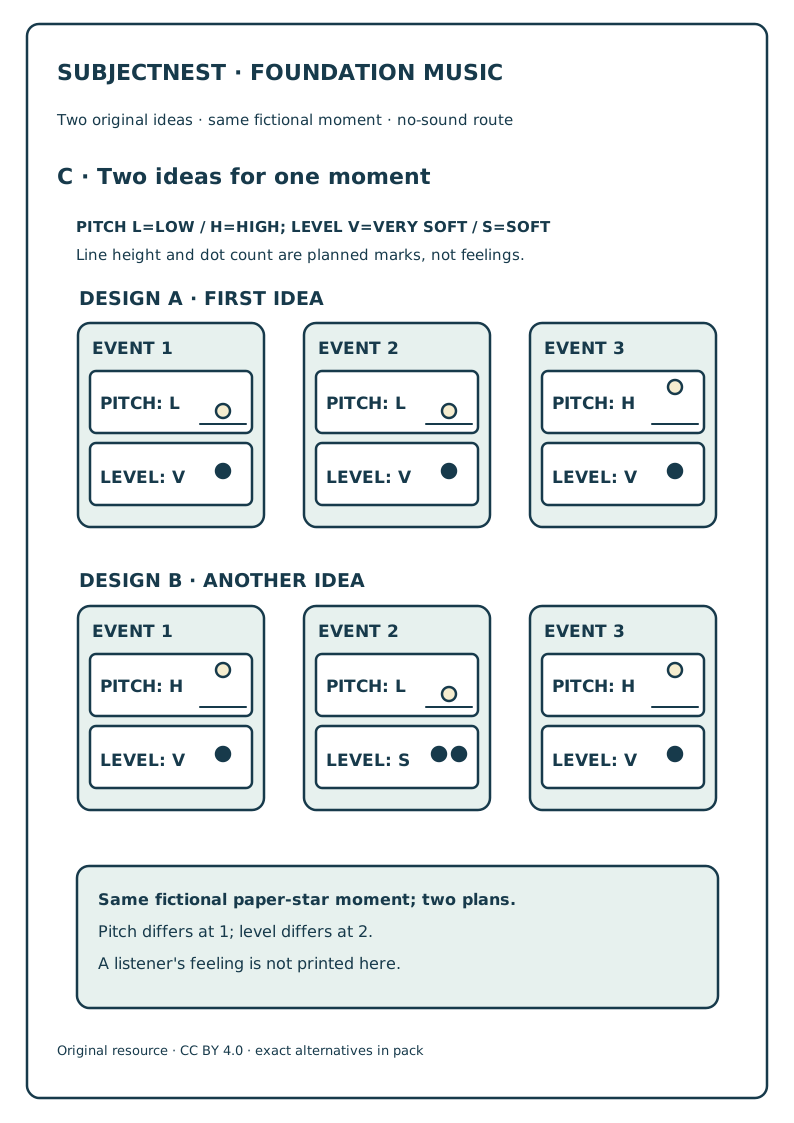
Two-design SVG · PDF. Same fictional paper star turning; Design A pitch L L H, level V V V; Design B pitch H L H, level V S V. Work differences: pitch place 1 L→H; level place 2 V→S; other four marks hold. These are planned alternatives, not two actual listener reports. Overlay fixed tactile rows for lane-by-lane comparison.
D · Intent is not a listener report
Maker/listener SVG · PDF. Separate MAKER INTENDED, QUESTION TO ASK and LISTENER ACTUALLY SAID. Work an adult's fictional score: fill an intention and proposed question; leave actual listener blank until a willing person truly responds. If a child volunteers a personal feeling or help concern, follow local school policy privately rather than treating the sound as a diagnostic clue.

E · Record a real response only if it happens
Reuse maker/listener. A child chooses a willing reader or keeps their score private. If someone receives the score, record exact recipient/medium and their words separately from maker intent. A paper card match is not itself an audience event. A child may withdraw without explanation.
F · Describe elements, not a person
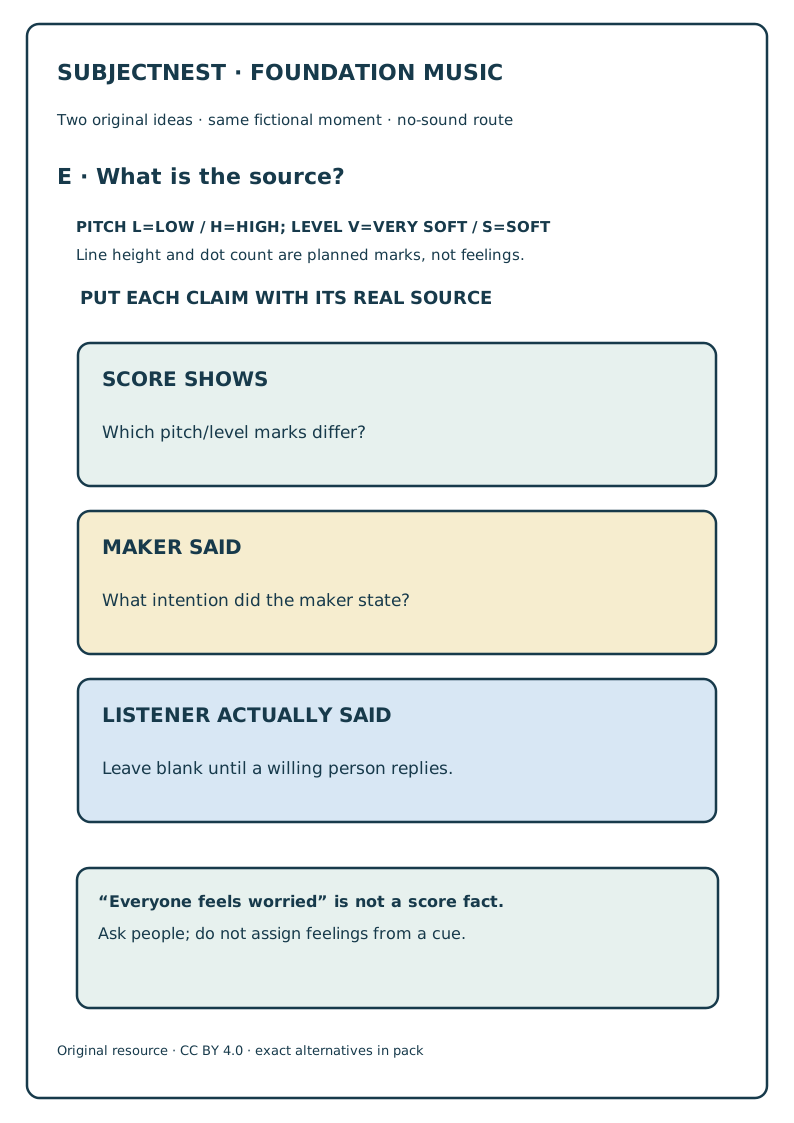
Use the evidence-cards SVG · PDF with two fresh score rows on fixed cards. Compare by supported statements such as “pitch changes at place 1” and “the level mark changes at place 2.” Place that in SCORE SHOWS. A child may state their own intention under MAKER SAID; LISTENER ACTUALLY SAID stays blank until someone responds. A universal feeling claim has no evidence in the card plan.
G · Two child-owned cues
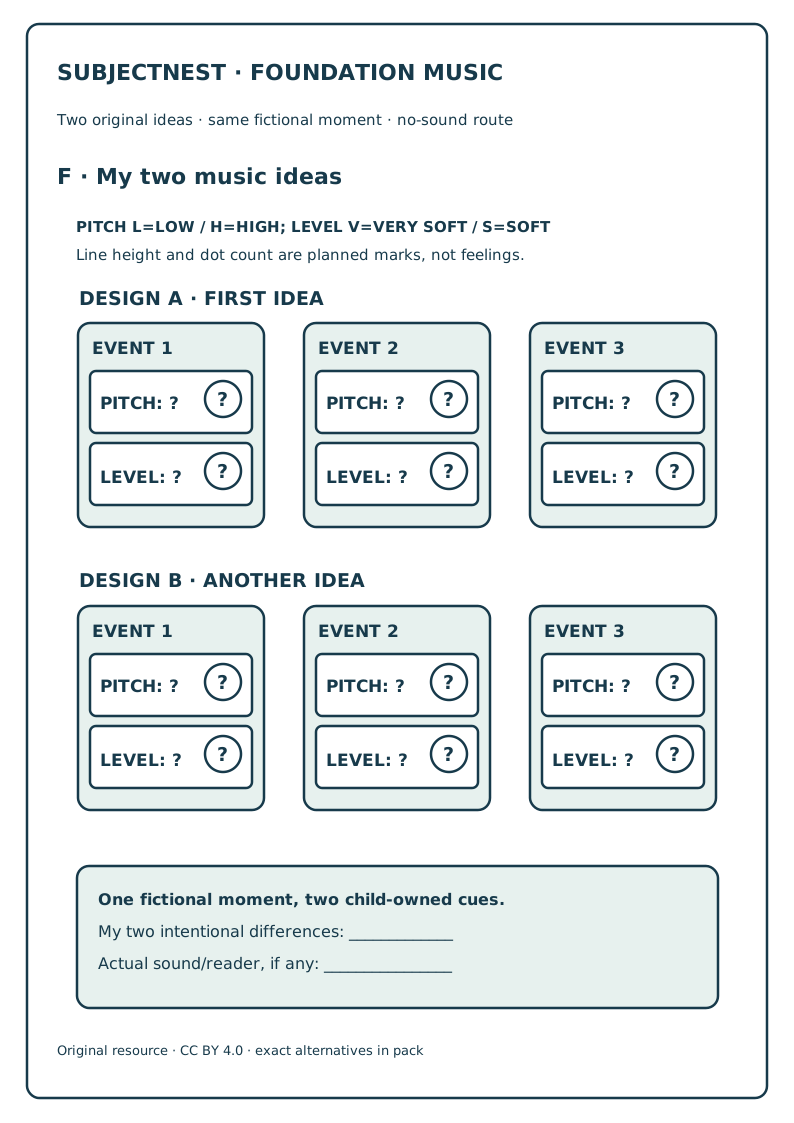
Make-two SVG · PDF. Two blank three-event two-lane scores share one chosen fictional brief; child directs both and names at least two deliberate differences. Save the first A/B versions, own intention, and separate actual sound/recipient fields if any. The A/B here label design versions, not the old A/B electronic source recipes. No printer needed if six broad cards per version are available.
Fresh pages
Public Design 1/2 checks have Design 1 SVG/PDF and Design 2 SVG/PDF. Keep the private teacher key closed. The Day 115 exact pair and Day 120 new base are not worked earlier; after-check practice uses other scores.