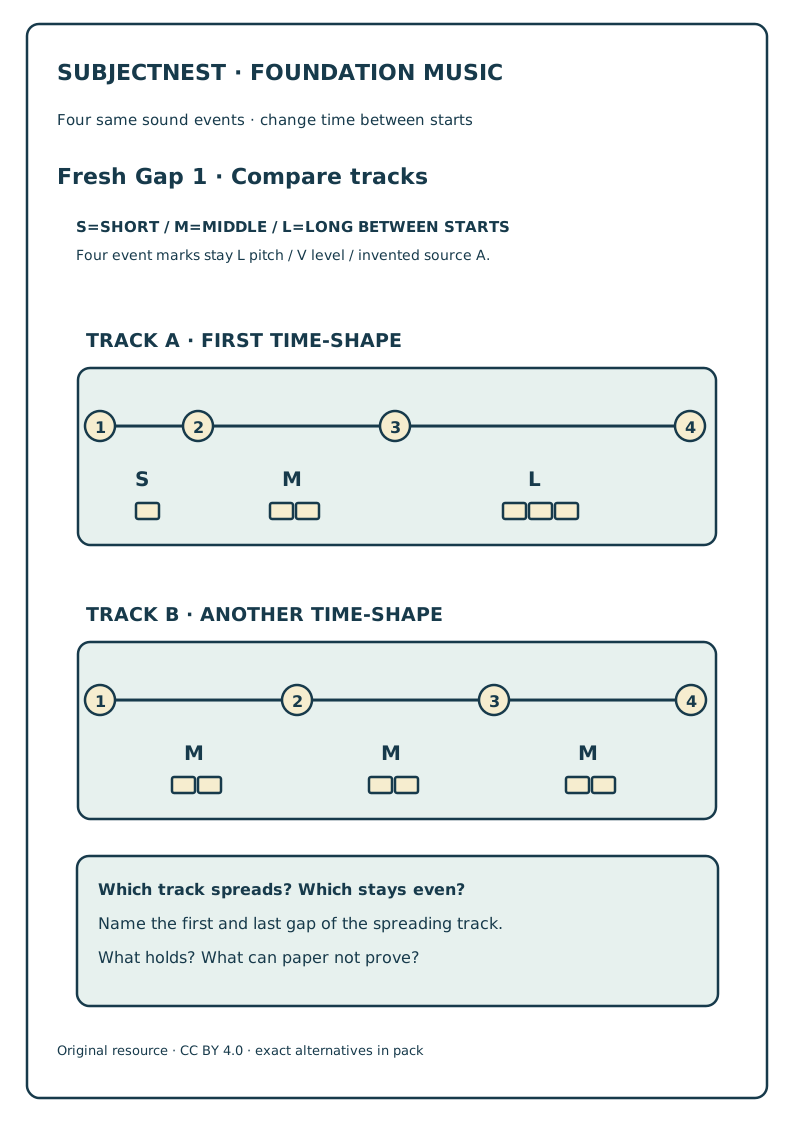
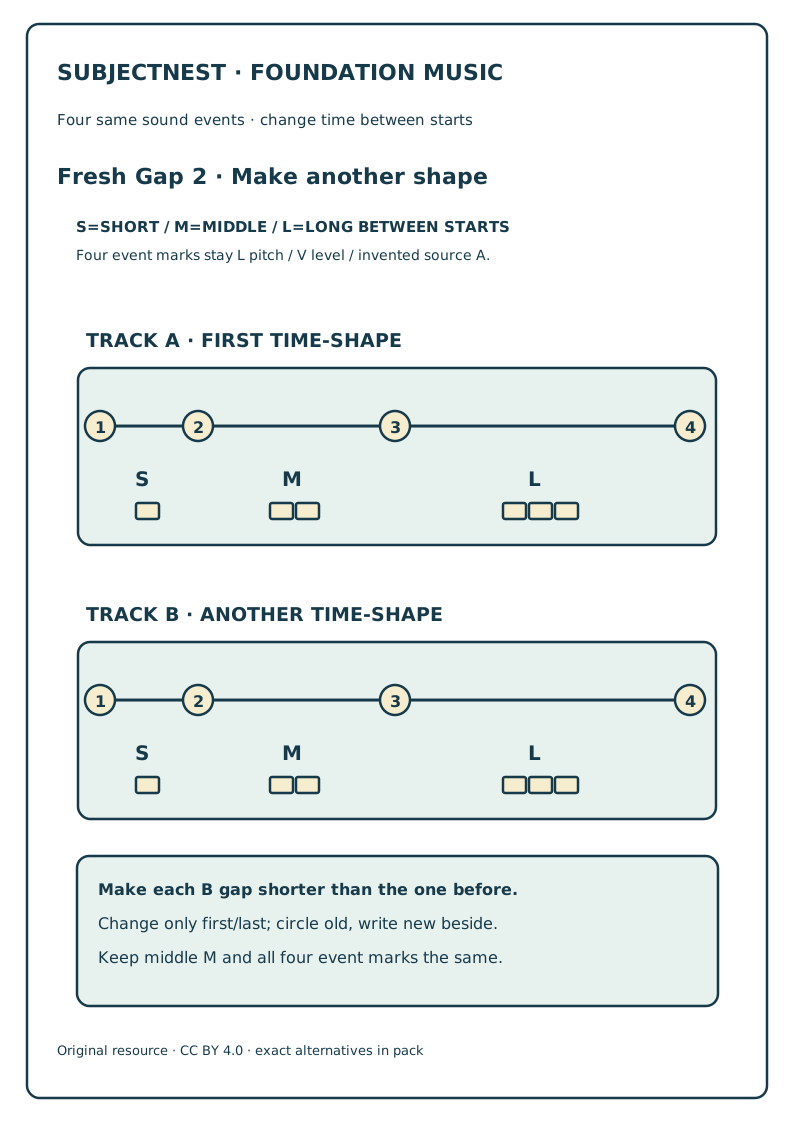
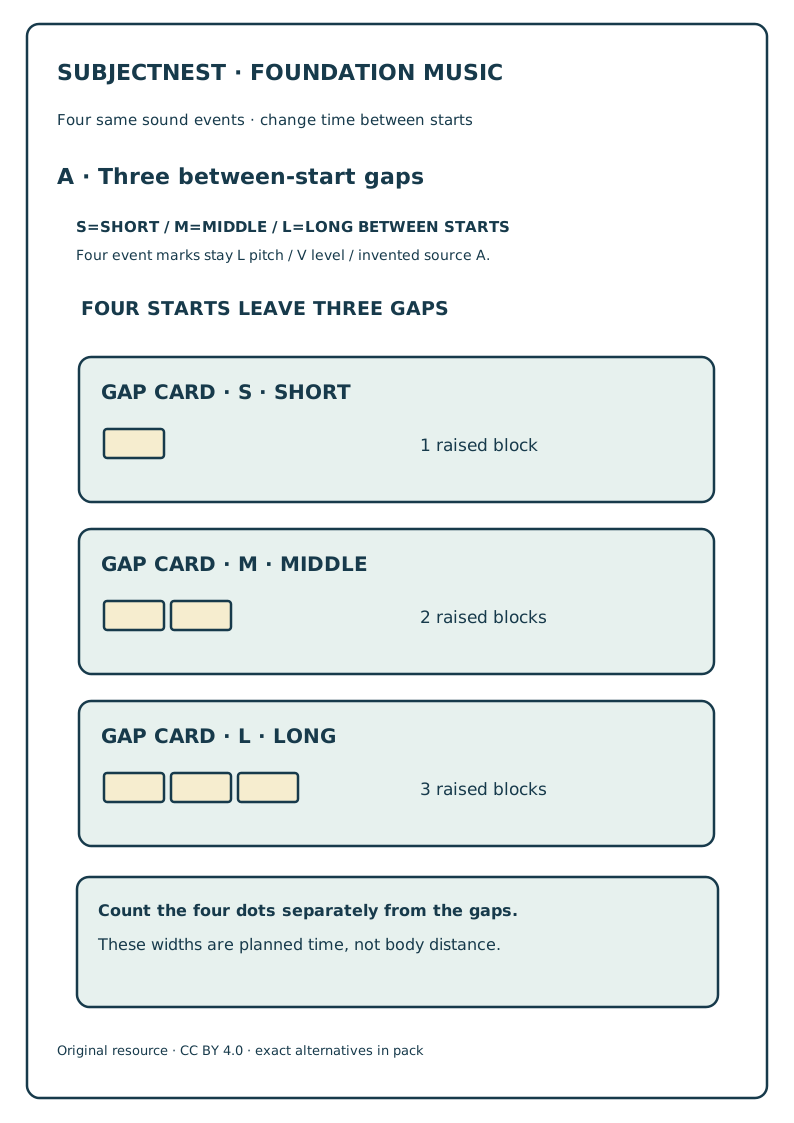
For every page, offer the exact text, tactile and no-print route. Four identical short event marks are fixed. The three labelled gap spacers change the planned interval between starts. Printed width and raised block count are comparative: S=short, M=middle, L=long. They do not imply measured seconds or safe physical movement.
A · Four events, three gaps
Gap-key SVG · PDF. Place four large identical paper discs and ask a child to touch/count the three spaces between them. Use one/two/three raised blocks for S/M/L and ask which is longer. If the child counts a gap as an extra note, remove the event discs and replace them slowly one at a time. No sound required.
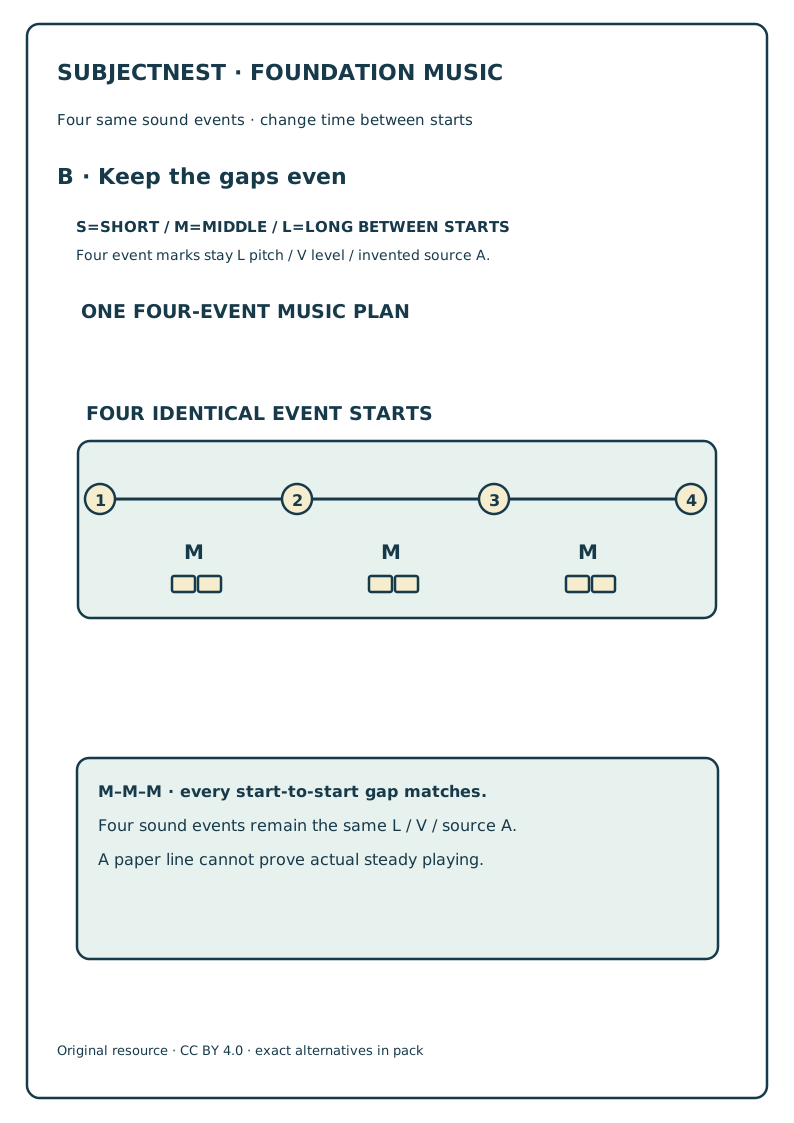
B · Keep the gaps even
Steady-four SVG · PDF. Four same L/V/A marks and M–M–M gaps form a planned steady line. Children compare all three spacer lengths and explain “same start-to-start spacing.” A physically performed pulse needs a separate observation; this paper is its plan.
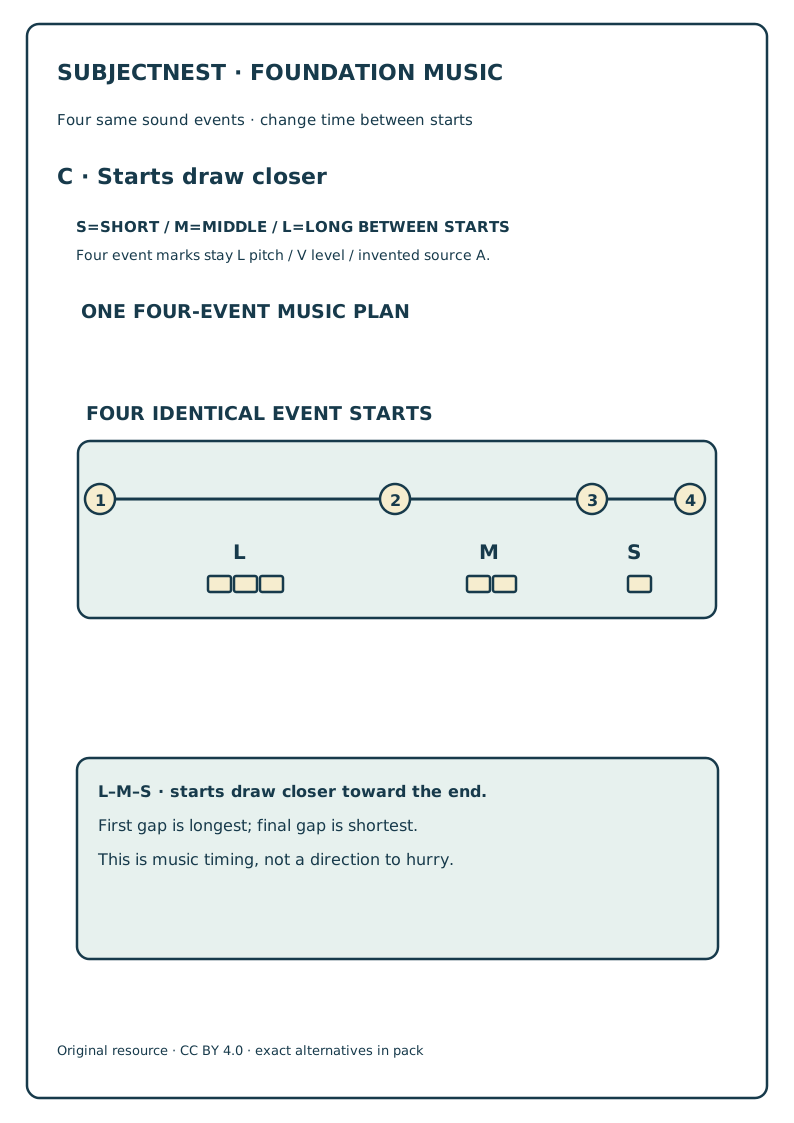
C · Gather toward the end
Gather-four SVG · PDF. Use L–M–S: the interval after event 1 is longest; before event 4 it is shortest. Draw an optional four-frame fictional picture strip below the score, keeping actual music gap choices visible. Do not equate gathering events with a person needing to hurry.
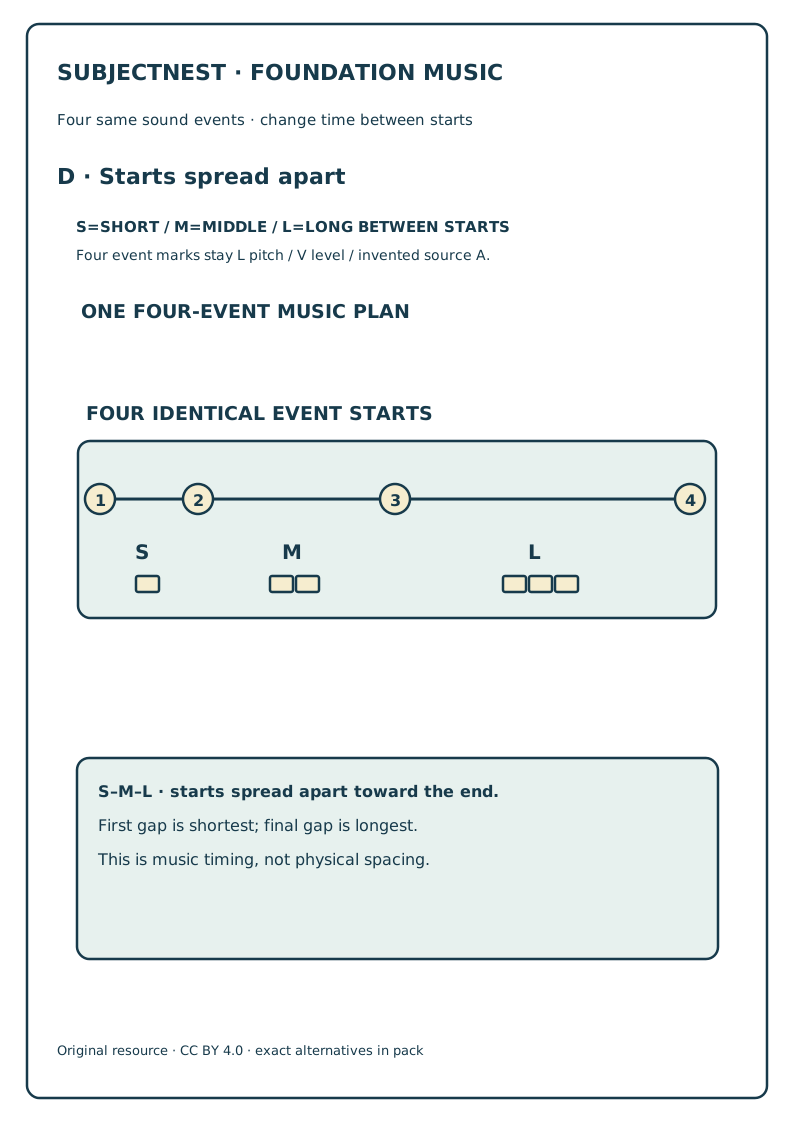
D · Spread toward the end
Spread-four SVG · PDF. Use S–M–L: the first interval is shortest; the last is longest. Child reads width/blocks from left to right. Ask whether event pitch/level/source changed: no. A person is never told to space physical movement using this page.
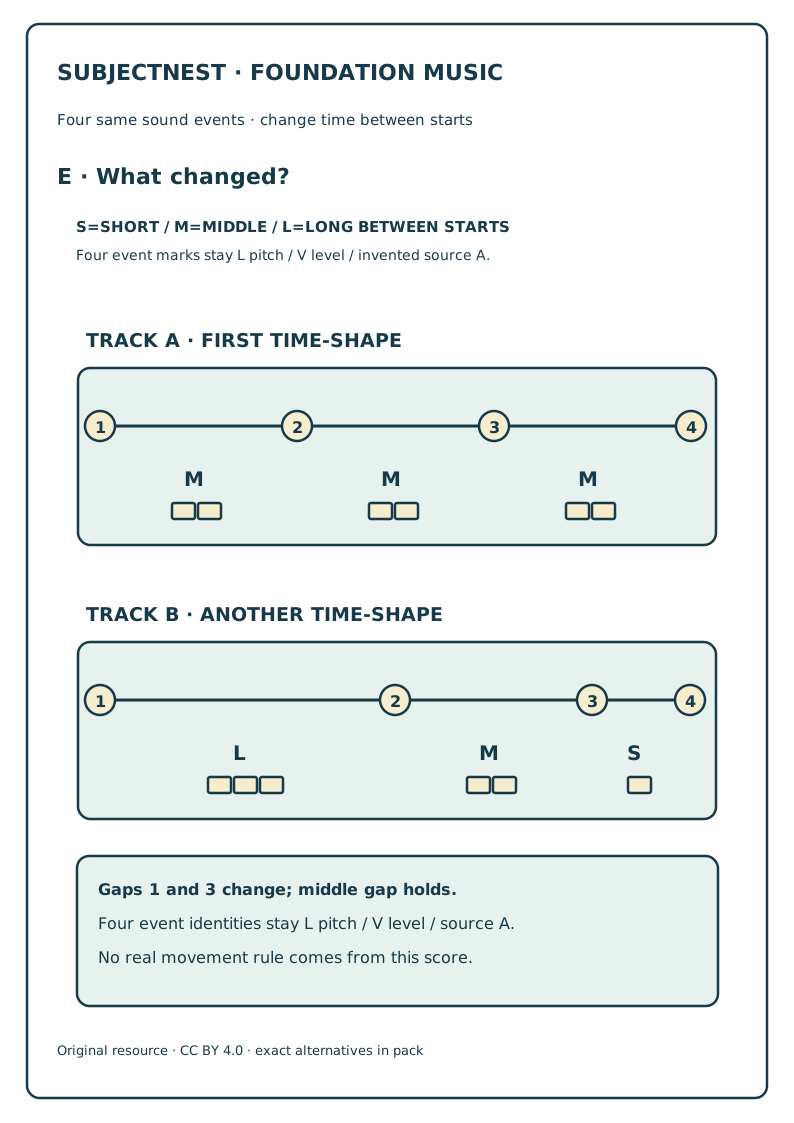
E · Change time, not sound identity
Fixed-changed SVG · PDF. Compare A M–M–M with B L–M–S. Name gap 1 M→L, gap 2 M→M held, gap 3 M→S; all four identical L/V/A event identities hold. This comparison is for practice; it is not the Day 125 public pair. If a child calls a gap a new sound, place a blank spacer instead of another event disc.
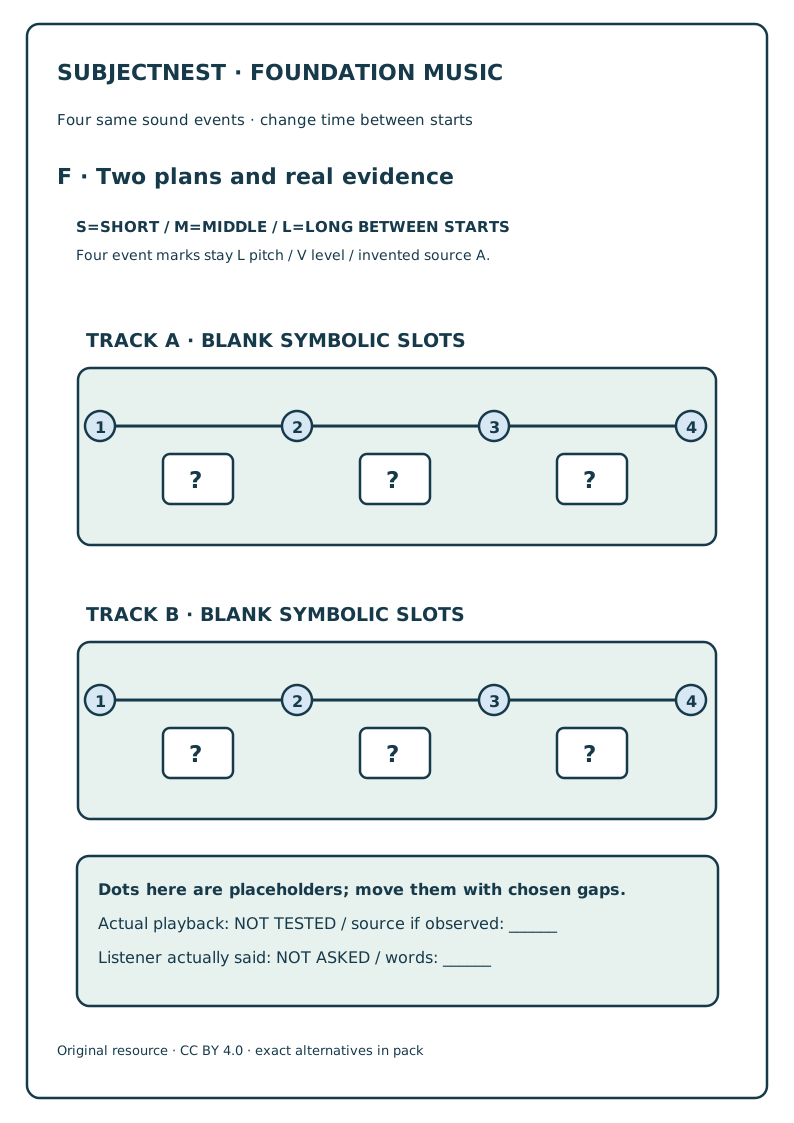
F · Record only what happened
Plan-actual SVG · PDF. Fill the planned three gaps, then leave actual-playback and listener fields marked NOT TESTED/NOT ASKED until those events truly happen. The same page has two broad symbolic blank four-event tracks; its evenly printed dots are movable placeholders, so shift physical discs to the chosen spacer widths. Do not invent a listener's words or infer a feeling from timing.
G · Two child-owned time-shapes
Reuse the plan-actual SVG · PDF with two sets of S/M/L cards. Child chooses all three gaps in each track, keeps four event identities fixed and names at least one deliberate gap difference. A quiet/no-sound score is a valid composition plan; label performance evidence separately. Show to a willing reader only if the child chooses.
Fresh pages
Public Gap 1/2 checks have Gap 1 SVG/PDF and Gap 2 SVG/PDF. Keep the separate educator key closed through first response. Day 125's exact A/B pair and Day 130's transformation brief are not worked as completed examples earlier; after-check examples use different strips.