Target: synthesise A–E into a site-specific historical judgement with one method limit and one cultural-authority limit. Prepare: argument weave, Cards A–E.
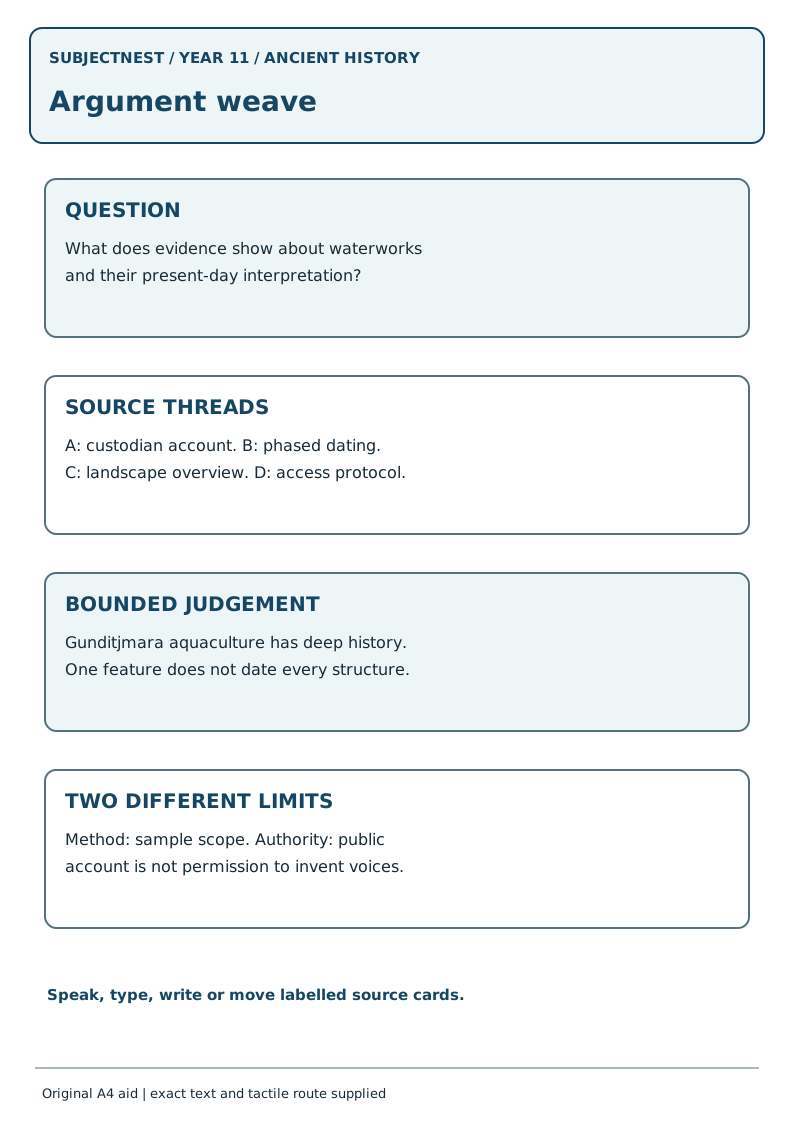
- Launch · 2 min. Set the question: “What can the available sources show about ancient water management and how it is understood today?”
- Model · 4 min. Combine A's public custodian interpretation, B's phased excavation and C's three-component overview. D qualifies access; E shows later museum representation.
- Guided reading · 5 min. Place source IDs, kinds and dates beside each sentence. Note that one excavated feature is not the entire cultural landscape and that a museum page is not an Elder's voice.
- Practice route · 7 min. Choose a Day 9 route. Produce a 90–130-word or equivalent spoken/diagram argument using at least three sources, a bounded conclusion and two different limits.
- Audit · 4 min. Partner spots one unsupported universal claim or appropriation of voice; revise before submission.
- Exit · 3 min. “What should a full study add?” Key: further verified archaeological evidence, public Gunditjmara-led accounts, custodial permission and the school's Topic 2 plan.