Target: distinguish equal model hazard/exposure from different plausible vulnerability and capacity factors. Prepare: Card E and risk evidence board.
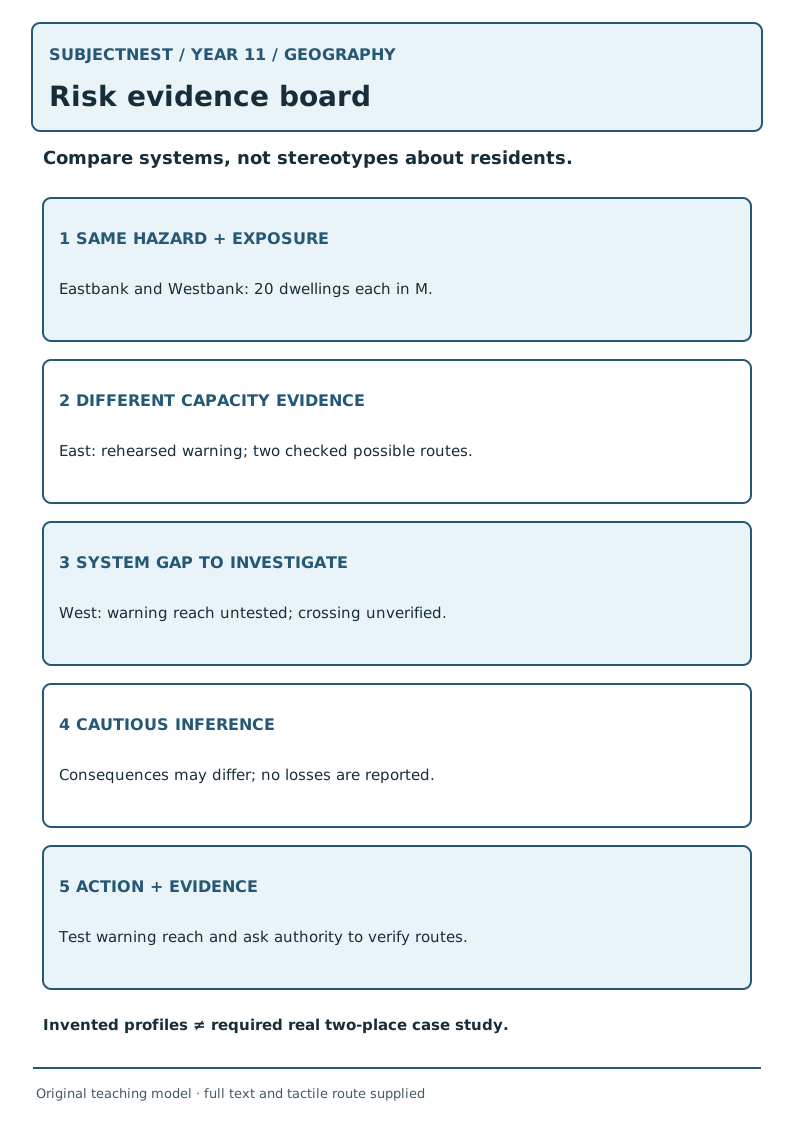
- Launch · 2 min. Both invented neighbourhoods have 20 dwellings in M. Ask whether equal counts prove equal consequences.
- Model · 4 min. Eastbank has rehearsed warning reach and two checked possible routes; Westbank has untested warning reach and one unverified crossing. State a conditional capacity difference, not a ranked real-world disaster forecast.
- Guided reading · 5 min. Distinguish hazard label, exposure count, vulnerability questions (for example building condition and dependence on a crossing) and capacity (warning network/checked route). No resident characteristics are assumed.
- Practice route · 7 min. Choose Day 6 route. Write one same factor, two different factors and two pieces of information needed to test implications.
- Audit · 4 min. A peer says “Westbank people are less prepared”; learner replaces a judgement about people with the exact system evidence given: warning reach untested.
- Exit · 3 min. “Can a dwelling tally alone determine risk?” Key: no; threat, who/what is exposed, vulnerability and capacity need evidence.