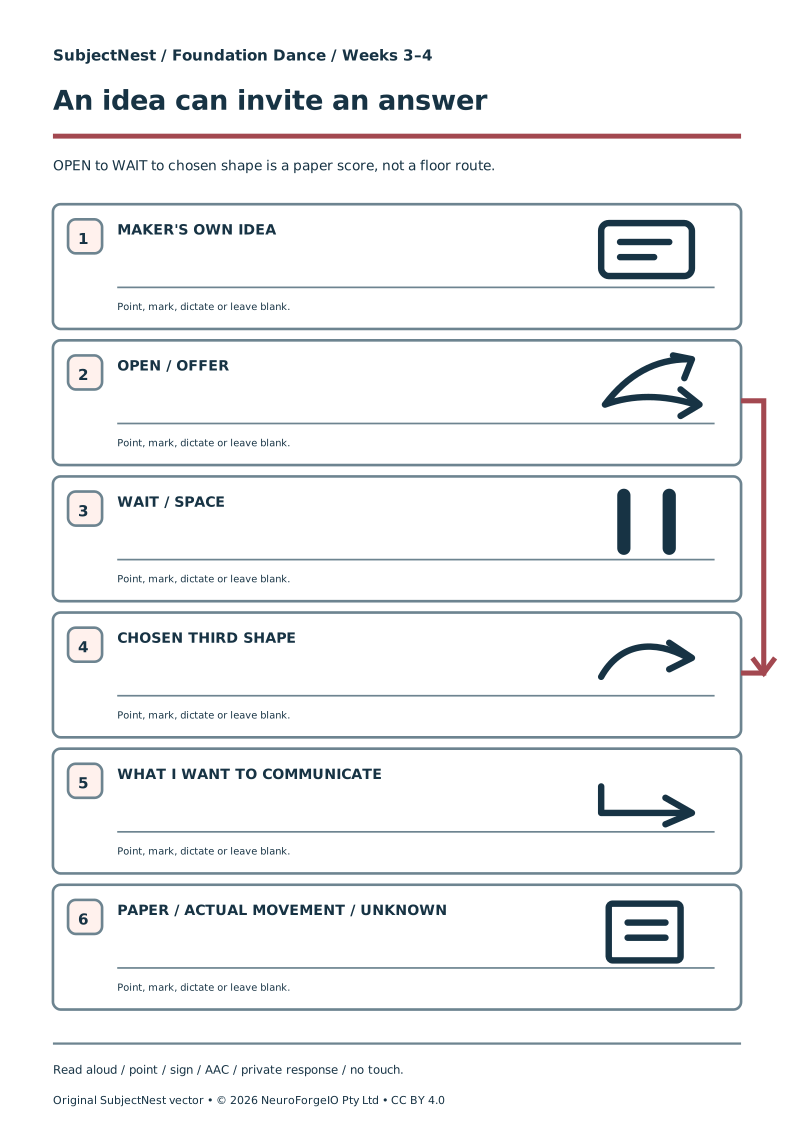
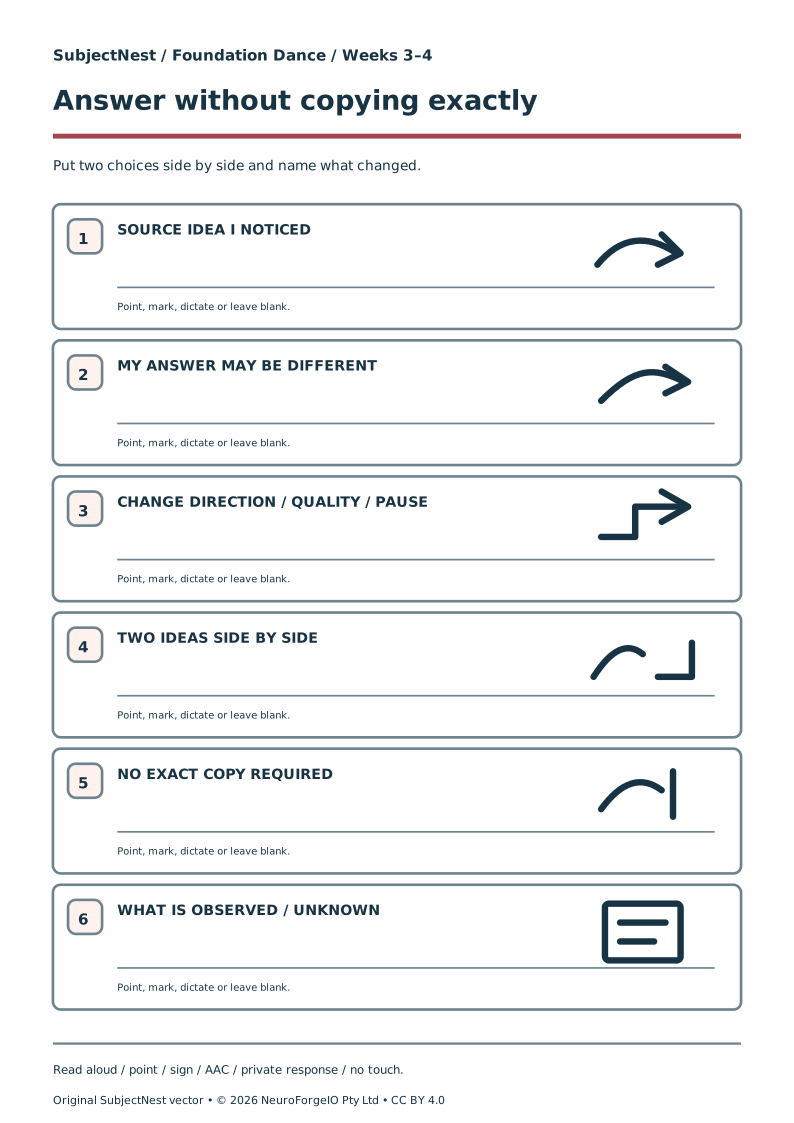
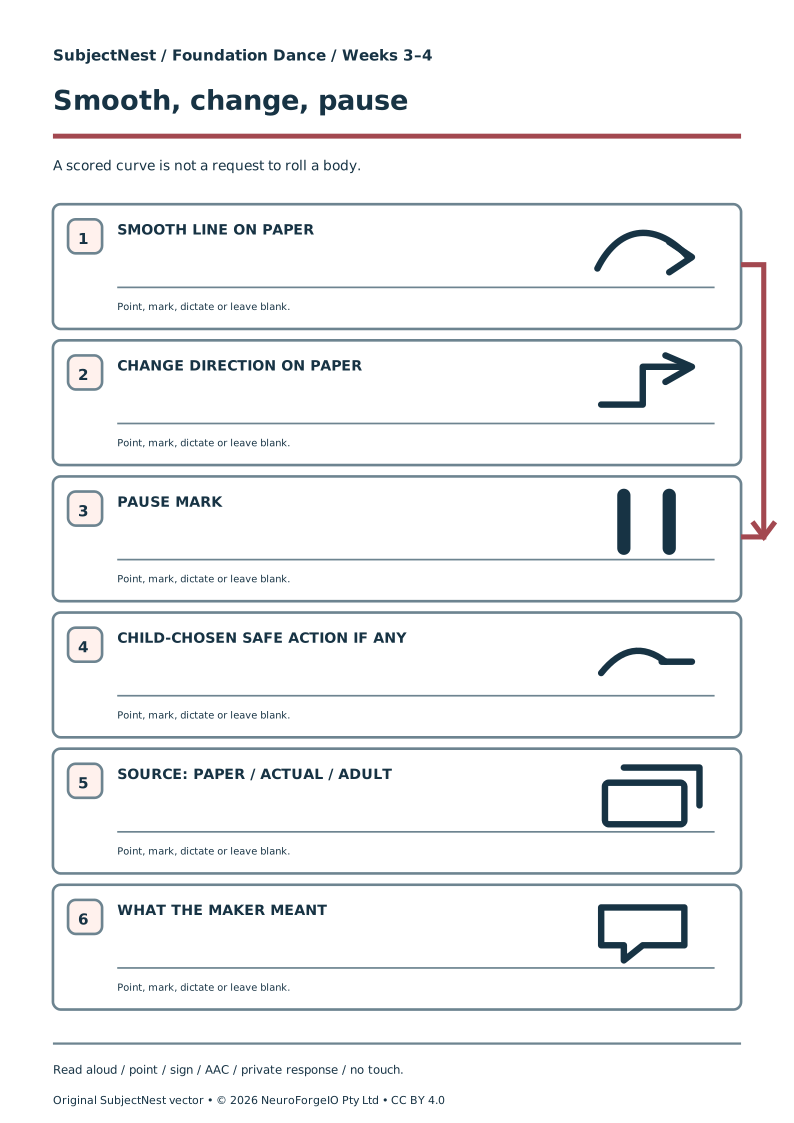
Teacher draft · ten optional 25-minute sessions, Days 11–20. This fortnight builds on Dance Weeks 1–2. Week 3 turns an individual paper idea into an invitation and answer: one maker offers a shape, a second maker may answer with a different shape, and sharing is a choice. It sits beside integrated Week 3 people and help without asking children to identify real helpers or disclose family stories. Week 4 makes a new smooth → change → pause phrase and asks what idea the maker meant to communicate. It complements integrated Week 4 roll, slide, stop, but a child is never asked to roll their body and a Science object test is not Dance evidence.
Start with complete original play sources, a teacher-demo score and safety gates, then use the timed scripts, thirty flexible same-target routes, twenty worked varied-context swaps and ten optional family bridges. Hold the fresh Day 15/20 checks until each first independent response; use the separate key afterwards. The optional audio cue and exact silent route can support the original demo. Exact ACARA v9/QCAA mapping, authorised real-work source slot, source/rights, desk QA, verifier and hash manifest explain what is known.
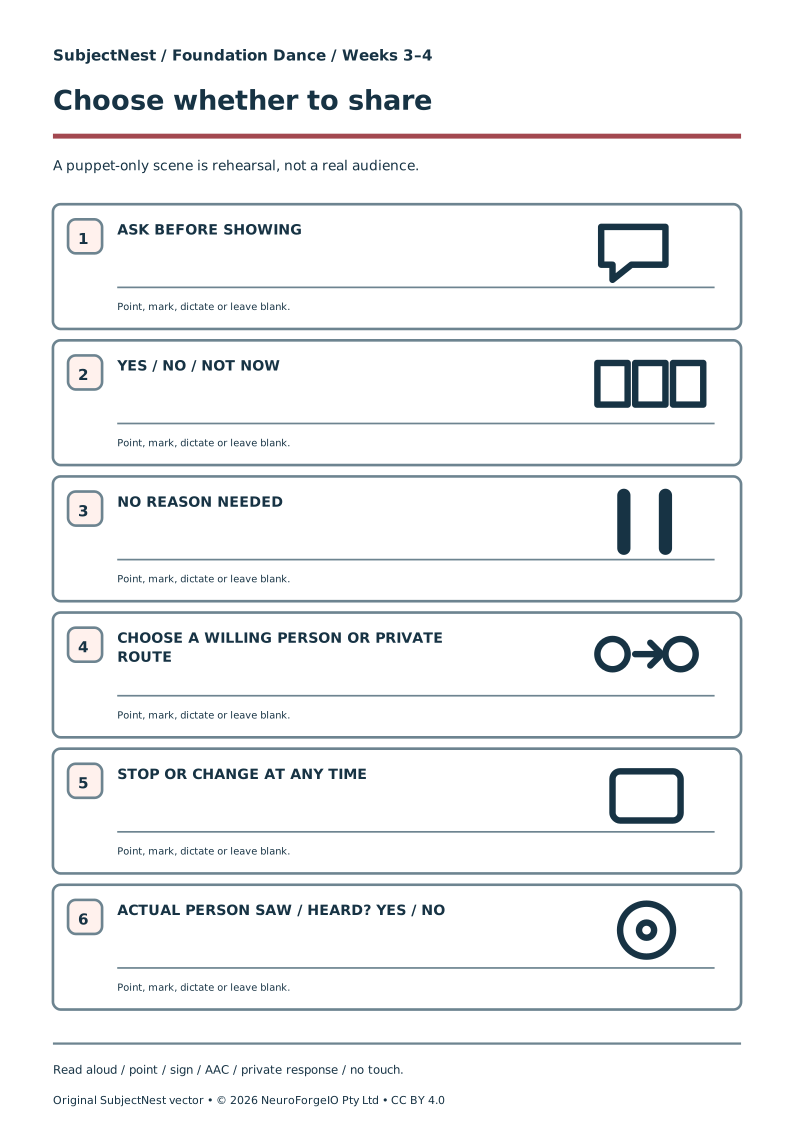
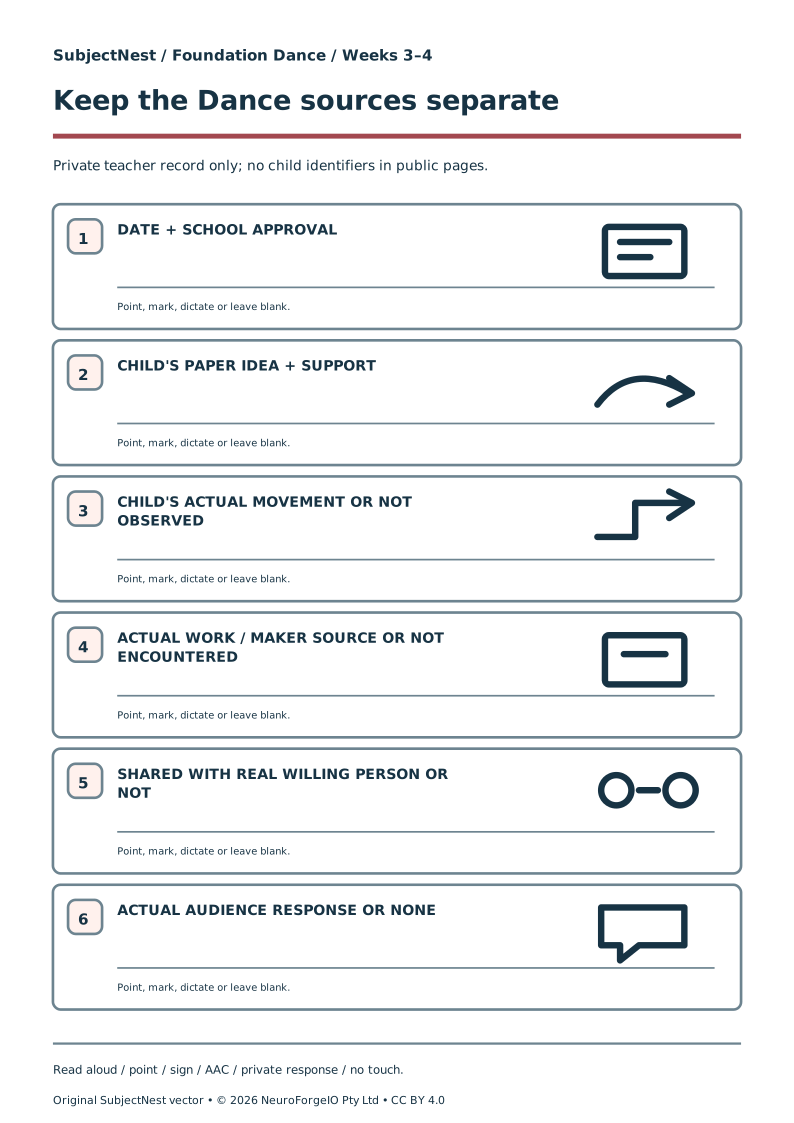
Safety and choice: a child can create a score using words, large cards, AAC, a broad tactile strip, a paper mover or an adult scribe without physical movement. Actual dance movement is optional and follows local floor/space, individual range, rest, cue, supervision and warm-up/cool-down checks. No peer contact, enforced synchrony, jump, floor roll, spin, speed target, touch, loud music, filming, voice capture, personal disclosure or public solo. Stop or change a movement whenever the child asks. A paper mover or adult-directed action shows composition, not the child's physical movement skill. A fictional puppet is not a real audience. Share only with a willing person when the child chooses, and record that event separately.
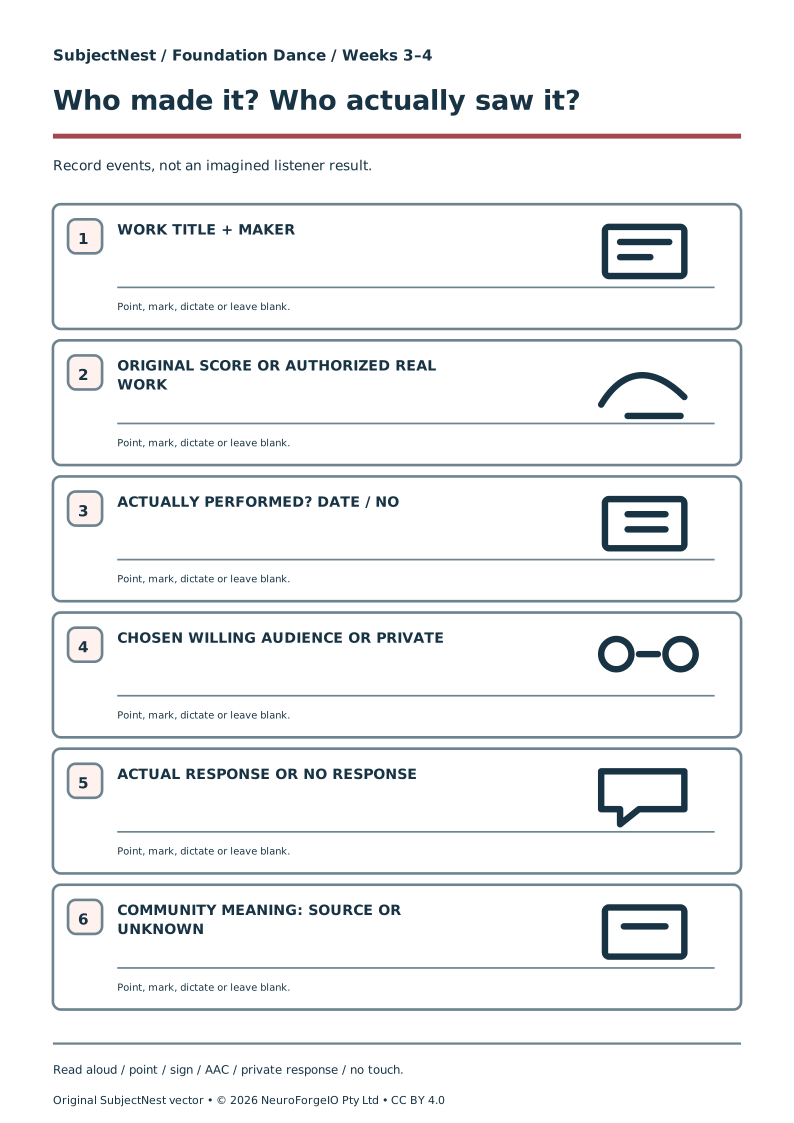
Real work and culture: Sources A–F and the optional two-note audio cue are original to this pack. The score describes a maker intention; it does not claim that anyone has performed it in class or that a real community values it. If a school educator actually performs/adapts the teacher demo for learners, record maker, date, what was performed and real responses; otherwise label TEACHER DEMO NOT PERFORMED. To explore other people's and communities' dance work, use the school-held authorised source slot. Do not copy a First Nations or other cultural dance from an image, video or vague description.
Six original A4 aids
The SVG pages have one-page selectable-text PDFs. MATERIALS.md gives exact text, linear order and optional broad tactile equivalents. The PDFs contain an embedded DejaVu subset; its font licence is included.
| Aid | |
|---|---|
| Offer a movement idea | SVG · PDF |
| Choose an answer without copying | SVG · PDF |
| Ask/accept/stop around sharing | SVG · PDF |
| Smooth, change and pause score | SVG · PDF |
| Identify maker, work and actual audience | SVG · PDF |
| Keep paper, performance and response evidence apart | SVG · PDF |
Status: original partial draft pending human Dance educator, accessibility, physical-safety, cultural-authority, local-syllabus and classroom review. The verifier checks internal integrity; it cannot prove classroom suitability, artistic quality or outcomes. No pilot, real listener response, authority endorsement or complete Foundation Dance achievement is claimed.
Original texts, scores, graphics and optional sound © 2026 NeuroForgeIO Pty Ltd, CC BY 4.0. Attribute SubjectNest by NeuroForgeIO Pty Ltd, link the source/licence and note changes. ACARA, QCAA and any locally chosen external work retain their own rights.