Offer the day's three same-target routes, large paper/raised cards and exact print alternatives. Optional enactment needs local space/access and child consent; no speaking in role, touching, filming, solo show or disclosure is required. Paper direction is a full route to the day's scene-devising choice, not evidence of enacted role, body/voice skill or actual social interaction. A neutral adult may place cards only as directed. Each script totals 3 + 4 + 5 + 7 + 4 + 2 = 25 minutes.
Week 1 · Day 1 · One visitor, two invented places
Target/codes: choose GALLERY or GARDEN for the same paper visitor and explain one possible scene purpose; AC9ADRFD01, AC9ADRFC01. Prepare: A place aid, A, broad place cards.
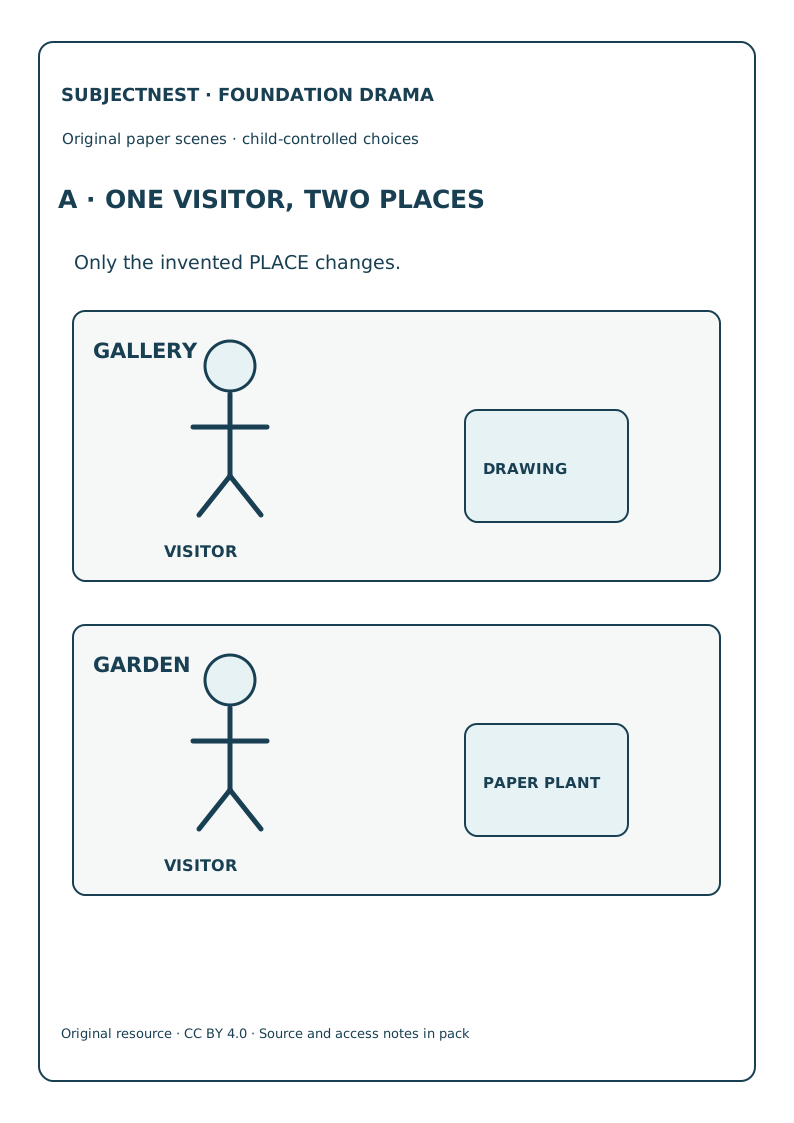
- Welcome · 3 min. Name the paper visitor and two invented places. No child must pretend to enter a real location.
- Model · 4 min. Keep VISITOR fixed; slide only PLACE from GALLERY to GARDEN. Point to the changed word and picture border.
- Try together · 5 min. Ask which setting might suit looking for a drawing and why. Accept either with a coherent imagined reason.
- Child choice · 7 min. Child selects a setting and gives a possible next event using enactment if chosen, cards, drawing or AAC.
- Notice · 4 min. Record setting and child's intention; do not claim a real audience saw the scene.
- Close · 2 min. Save the setting card and reason. Tomorrow the figure's role can change.
Week 1 · Day 2 · Who is the figure in this fiction?
Target/codes: compare VISITOR and GUIDE in the same invented gallery, explaining how a role choice could change a scene; AC9ADRFD01, AC9ADRFC01. Prepare: B role aid, B, broad labels.
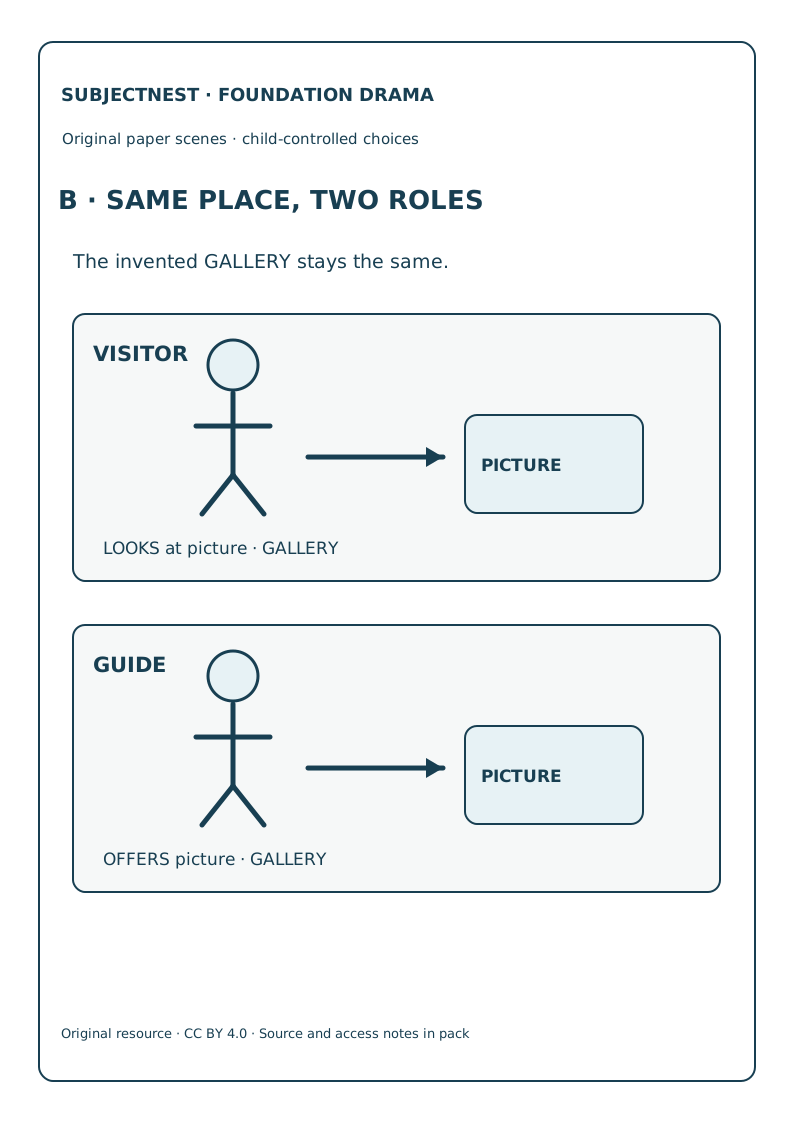
- Welcome · 3 min. Show the same paper gallery for both role cards. These are fiction labels, not judgments about real people or jobs.
- Model · 4 min. Put VISITOR beside LOOK, then GUIDE beside OFFER. Name both role and action changes explicitly, keeping PLACE.
- Try together · 5 min. Ask which version invites a paper friend to see a drawing. A child may direct an adult figure; no role performance is expected.
- Child choice · 7 min. Child chooses one role/action pair for an invented picture scene and states why; optional short enactment is child-led.
- Notice · 4 min. Record chosen role, action and setting separately. Do not infer empathy, character feeling or observed interaction from paper.
- Close · 2 min. Keep both versions for tomorrow's action order.
Week 1 · Day 3 · First something, then something
Target/codes: hold LOOK first and choose WAIT or SHOW as the second beat, naming how the scene plan changes; AC9ADRFD01, AC9ADRFC01. Prepare: C two-beat strip, C.
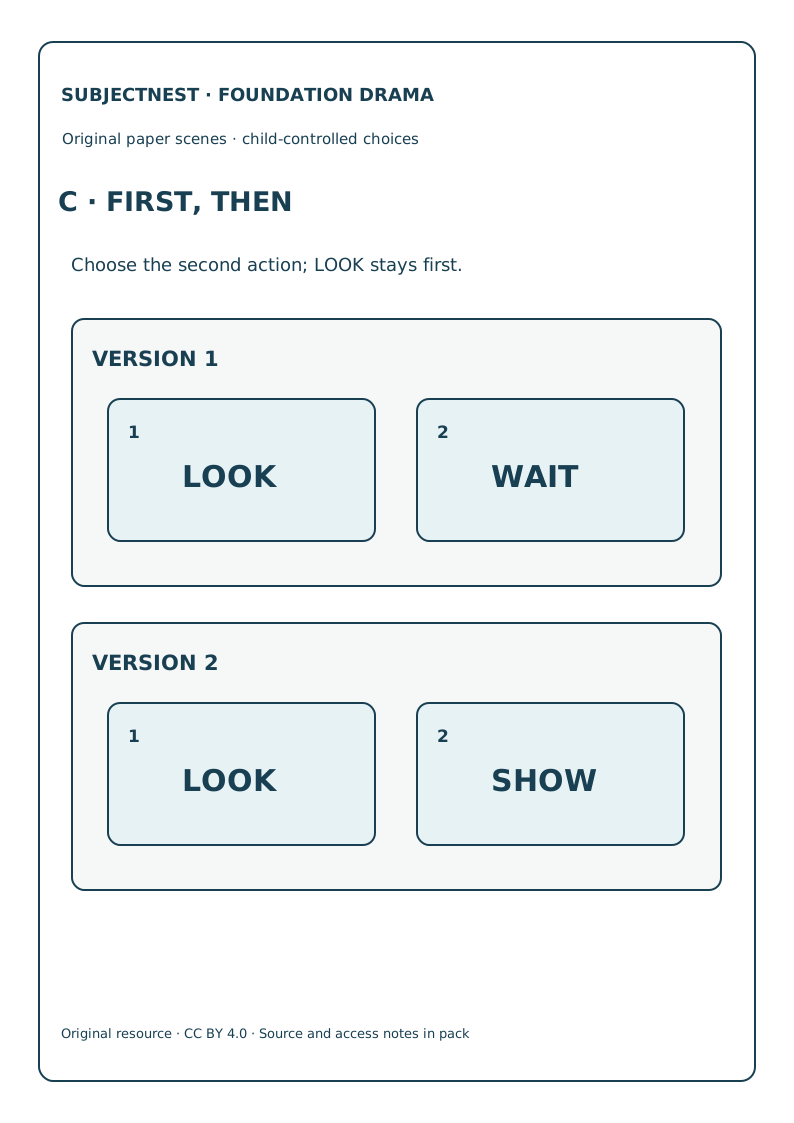
- Welcome · 3 min. Two numbered boxes mean an order in an imaginary story; nobody must physically wait.
- Model · 4 min. Put LOOK at 1, WAIT at 2, then change only beat 2 to SHOW. Explain that the paper visitor's next action changes.
- Try together · 5 min. Ask child to point to what stayed and what changed. Read words or provide corresponding broad picture cards.
- Child choice · 7 min. Child scores LOOK→WAIT or LOOK→SHOW for an invented paper box and gives one possible reason.
- Notice · 4 min. Check order 1 then 2, noting whether the child chose to enact, narrate or only plan.
- Close · 2 min. Save one two-beat scene; tomorrow focus can move without changing figures.
Week 1 · Day 4 · Where is the scene's focus?
Target/codes: direct intended attention to CIRCLE or SQUARE while keeping two objects and room fixed; AC9ADRFD01, AC9ADRFC01. Prepare: D focus aid, D.
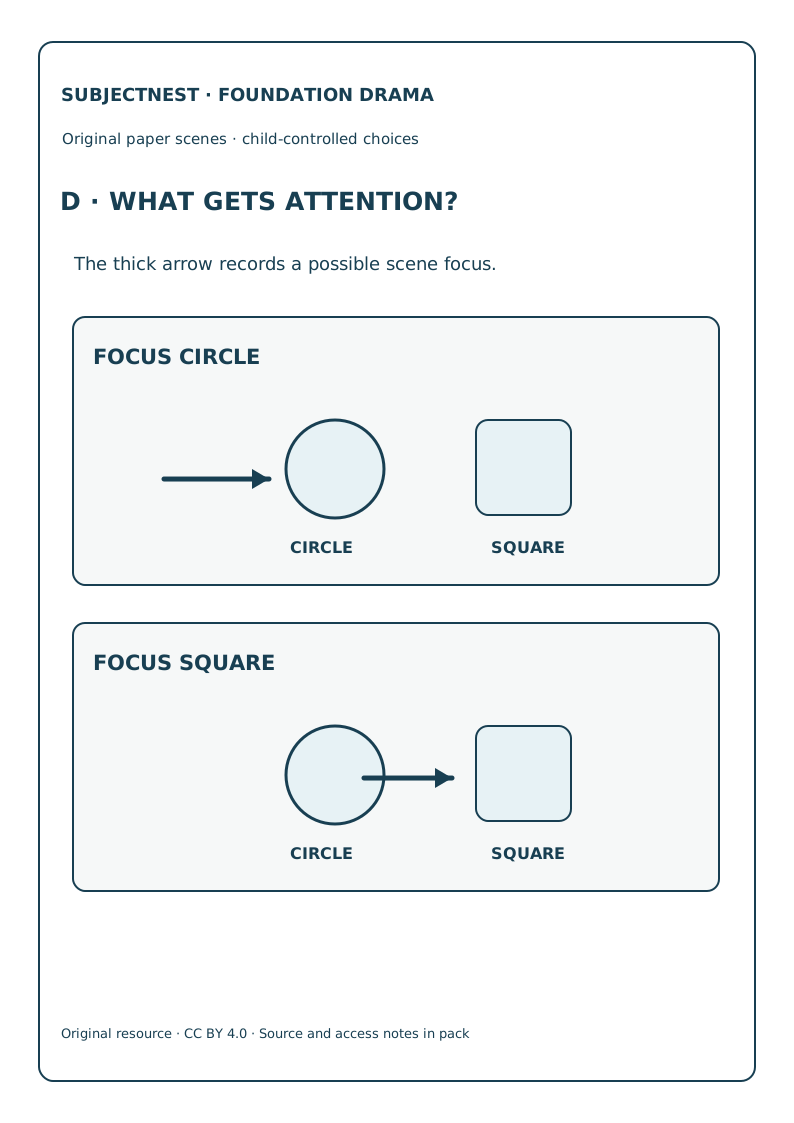
- Welcome · 3 min. Introduce a large paper circle and square in an invented room. They are neutral shapes, not cultural symbols.
- Model · 4 min. Point a broad arrow first to CIRCLE, then SQUARE. The arrow records intended focus, not measured gaze.
- Try together · 5 min. Let a child direct the arrow and name the held objects. No child must point with their body.
- Child choice · 7 min. Child chooses focus for a paper visitor's “look here” moment, through a selected route, and gives a possible purpose.
- Notice · 4 min. Ask what card carries the choice. Avoid saying every audience member would see the same thing.
- Close · 2 min. Keep a selected focus; fresh Check A uses a new place and action brief.
Week 1 · Day 5 · Fresh Check A: paper workshop
Target/codes: independently change one second action in a new two-beat fiction while holding first action and place; AC9ADRFD01, AC9ADRFC01. Prepare: new G public check, G A4, broad action cards. Keep teacher key closed until first response.
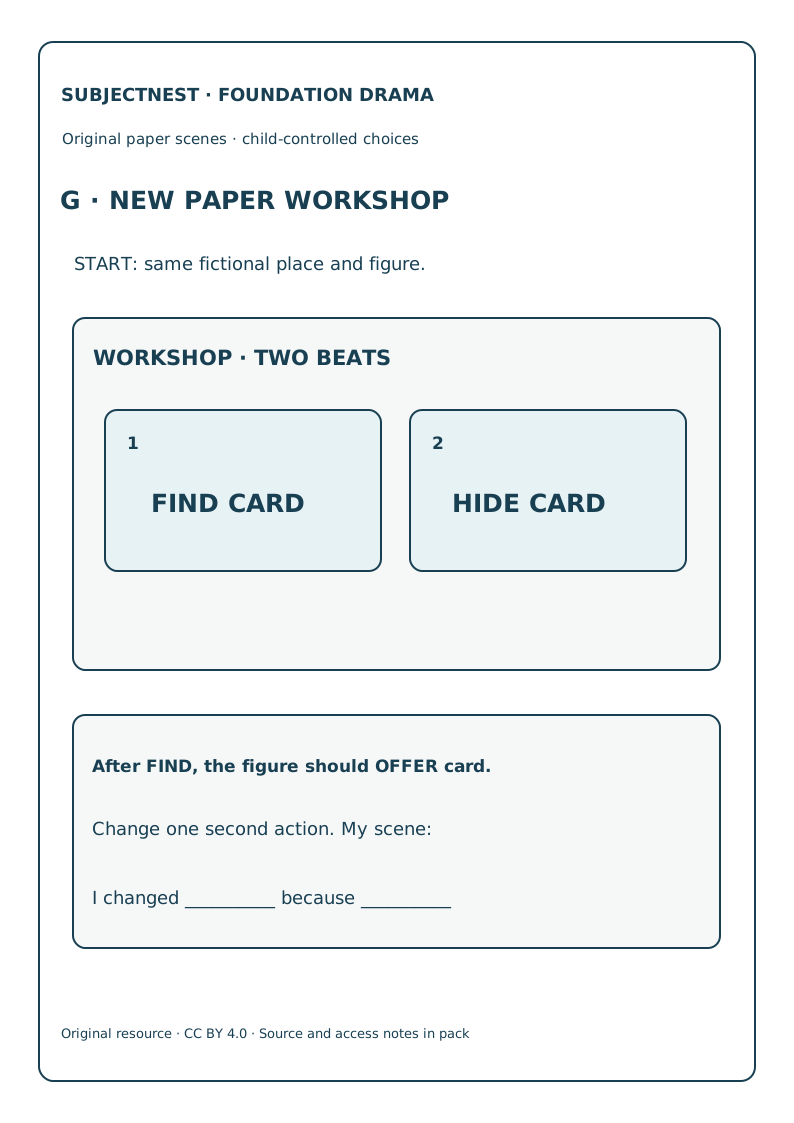
- Welcome · 3 min. Explain this new paper scene helps plan next teaching; it is not a public performance task.
- Access · 4 min. Present
FIND blank card → HIDE blank cardin a paper workshop and the brief neutrally. Do not indicate the action to replace. - Independent plan · 5 min. Child decides how the second action should change so the figure offers the card to a paper visitor after finding it.
- Child response · 7 min. Child shows first and revised two beats by chosen route and gives a reason; neutral adult records the first decision.
- Self-check · 4 min. Invite naming PLACE and first action as held. Do not call paper direction an enacted social exchange.
- Close · 2 min. Save first response, then consult the separate key. Day 5 swaps use other sources after check.
Week 2 · Day 6 · Who takes the first turn?
Target/codes: compare A OFFERS/B LOOKS with B OFFERS/A LOOKS, identifying changed first-turn role; AC9ADRFD01, AC9ADRFC01. Prepare: E turn aid, E.
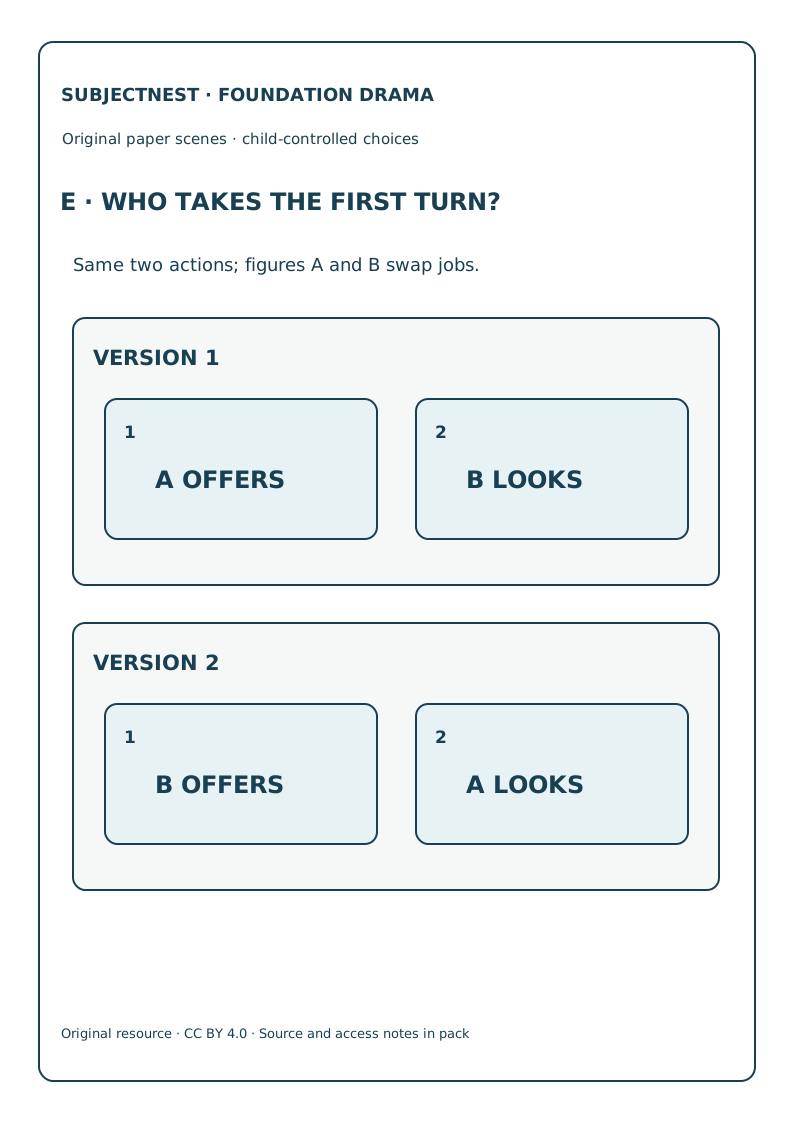
- Welcome · 3 min. Show two neutral paper figures A and B. No real partner interaction is needed.
- Model · 4 min. Score A OFFERS, B LOOKS; then B OFFERS, A LOOKS. Explain that the same two actions occur but the figures swap who does each.
- Try together · 5 min. Ask which figure acts first in each version. Let a child direct cards or optional safe enactment.
- Child choice · 7 min. Child chooses a turn order for a fictional desk scene and gives a possible story effect.
- Notice · 4 min. Record the turn order and chosen mode; no actual peer collaboration is inferred from moving cards.
- Close · 2 min. Keep one chosen order for tomorrow's pause/choice.
Week 2 · Day 7 · Pause or show in the second beat
Target/codes: keep an initial FIND beat, choose WAIT or SHOW next, and explain a possible scene effect; AC9ADRFD01, AC9ADRFC01. Prepare: C strip, broad FIND/WAIT/SHOW cards and child-selected F scene log.
- Welcome · 3 min. Say a pause on a paper score is a planned beat; no child has to freeze or wait physically.
- Model · 4 min. Draw FIND→WAIT, then FIND→SHOW. The first card and setting remain fixed; only second action changes.
- Try together · 5 min. Ask which plan reveals the found paper object to another figure; neither entails an actual social encounter yet.
- Child choice · 7 min. Child chooses a second action for an invented box story using a route, and states an intended audience question or focus.
- Notice · 4 min. Note planned pause/show and any actual enactment separately; do not infer performed timing from the card.
- Close · 2 min. Save scene plan for a three-beat extension.
Week 2 · Day 8 · Make a beginning, change, ending
Target/codes: devise an original three-beat scene with coherent PLACE, ROLE and ACTION order; AC9ADRFD01, AC9ADRFC01. Prepare: F scene log, large A–E cards, blank numbered strip.
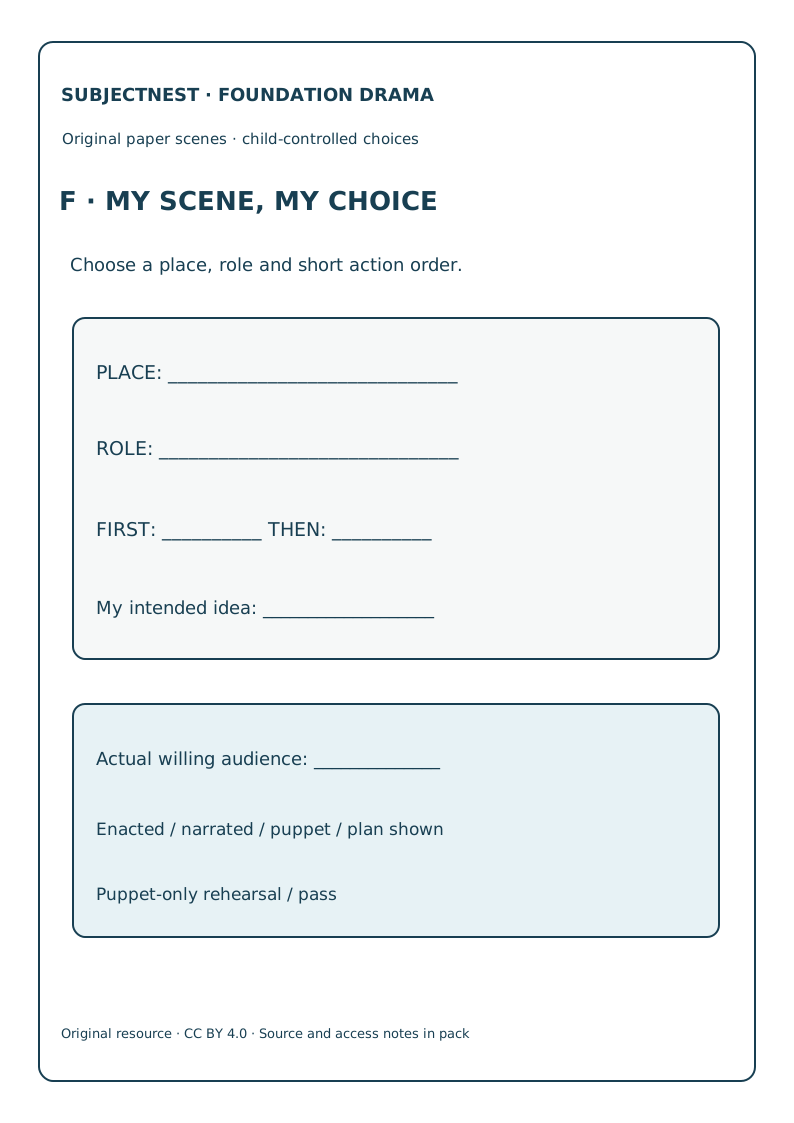
- Welcome · 3 min. Review that place, role and action are different choices in a fictional scene.
- Model · 4 min. Adult's invented paper scene: GUIDE at GALLERY, LOOK at drawing, OFFER it, then WAIT. Clearly label this as one possible plan.
- Try together · 5 min. Children point to a beginning, changed middle and ending on three broad cards. They may reject the adult's plan and make another.
- Child choice · 7 min. Child directs a three-beat original scene with one role/place and a possible reason. Optional enactment is opt-in, non-contact and separate evidence.
- Notice · 4 min. Record actual beats and whether they were planned, narrated, puppeted or enacted; do not collapse modes.
- Close · 2 min. Save only with consent; tomorrow asks who made and may see a work.
Week 2 · Day 9 · Real maker, chosen audience
Target/codes: pose maker/context/permission questions for an authorised real drama work and choose whether to share an original scene; AC9ADRFE01 as opening inquiry, AC9ADRFP01 only for actual willing-audience sharing. Prepare: F share log, real-work source slot, child's original scene plan.
- Welcome · 3 min. Offer an actual willing educator as audience, a later small group, puppet rehearsal or pass. No public solo is required.
- Model · 4 min. Adult shares their own original micro-scene with a willing adult, naming whether it was enacted, narrated or shown on paper. For a real work, use only school-approved first-party information; do not replay/copy without permission.
- Try together · 5 min. Ask “Who made the real work?” and “Why do its makers say it matters?” Keep unknowns open; do not invent cultural meaning.
- Child choice · 7 min. Child chooses whether/how to share an original scene. If someone actually receives it, record person and medium. A paper score viewed by an adult is limited sharing of a plan, not a performed scene.
- Notice · 4 min. Ask for one child-directed choice; do not assume anyone felt a specified emotion.
- Close · 2 min. Note source question and permissions still needed for a later authentic encounter.
Week 2 · Day 10 · Fresh Check B: paper workshop role
Target/codes: independently compare two new same-role frames, change one second-frame role while holding action/place, and choose sharing mode; AC9ADRFD01, AC9ADRFC01, AC9ADRFP01 only for actual sharing. Prepare: new H public check, H A4, large role labels. Keep key closed until first response.
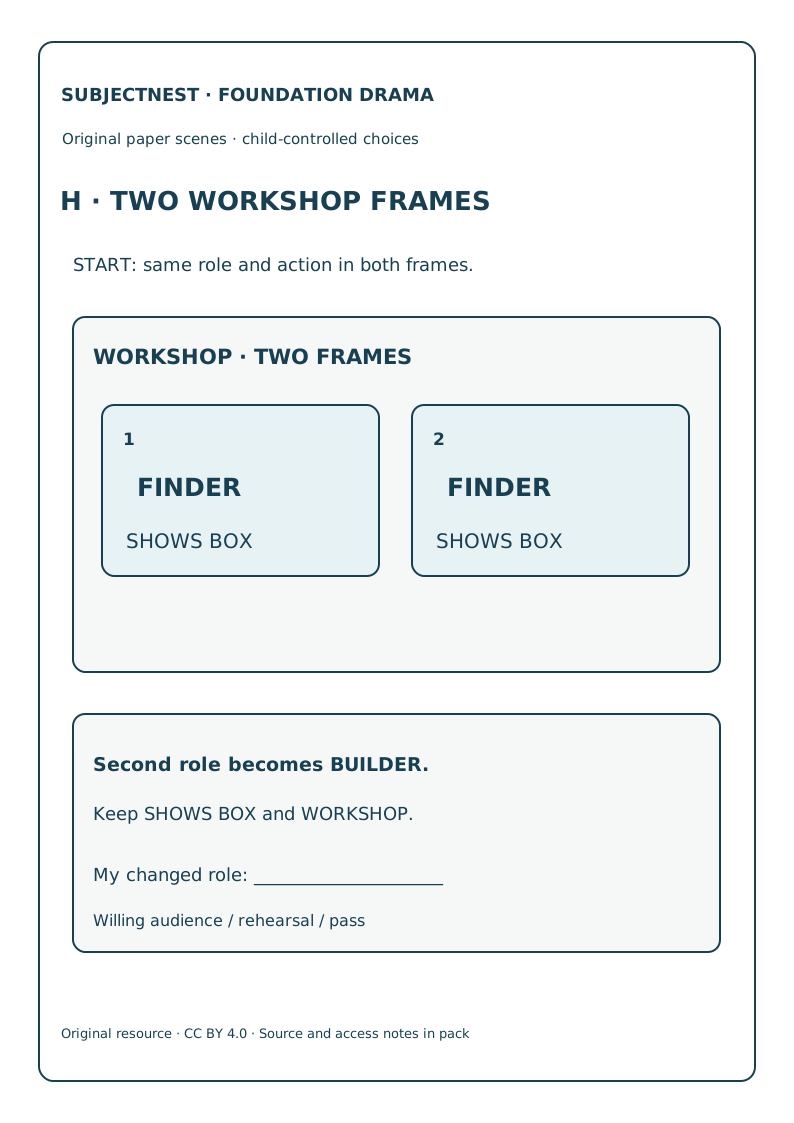
- Welcome · 3 min. Explain that this new role puzzle helps select a next lesson. No compulsory speaking or showing to a group.
- Access · 4 min. Present FINDER SHOWS BOX / FINDER SHOWS BOX in the same fictional workshop. Brief: second frame's figure is now BUILDER, but action SHOWS and place stay. Give labels neutrally.
- Independent plan · 5 min. Child identifies the repeated role, chooses one role label to change and keeps the two action/place labels.
- Child response · 7 min. Child shows both frames and explains a possible story difference through chosen route. Record any actual sharing and medium apart from paper planning.
- Self-check · 4 min. Invite child to point to the single changed label and held labels without coaching.
- Close · 2 min. Save first response, then consult key and plan later authorised drama and supported enactment opportunities.