Each session totals 3 + 4 + 5 + 7 + 4 + 2 = 25 minutes. The core target is a child-owned media decision expressible by drawing, large cards, text/tactile description or directed adult placement. The optional sound is gentle, brief and only offered with local access/sensory approval; a silent route gives the same cue-planning information. Do not infer hearing or physical sound technique from a paper answer. No recording of a child, device, upload, real soundtrack, personal data or compulsory public performance. Keep the teacher key closed until first check responses.
Week 9 · Day 41 · Quiet can be a deliberate cue
Target/codes: choose a quiet slot or one tick slot for a fictional one-picture paper card and state an intended attention cue; AC9AMAFD01, AC9AMAFC01. Prepare: A quiet/tick board, broad EMPTY/TICK cards, A notes.
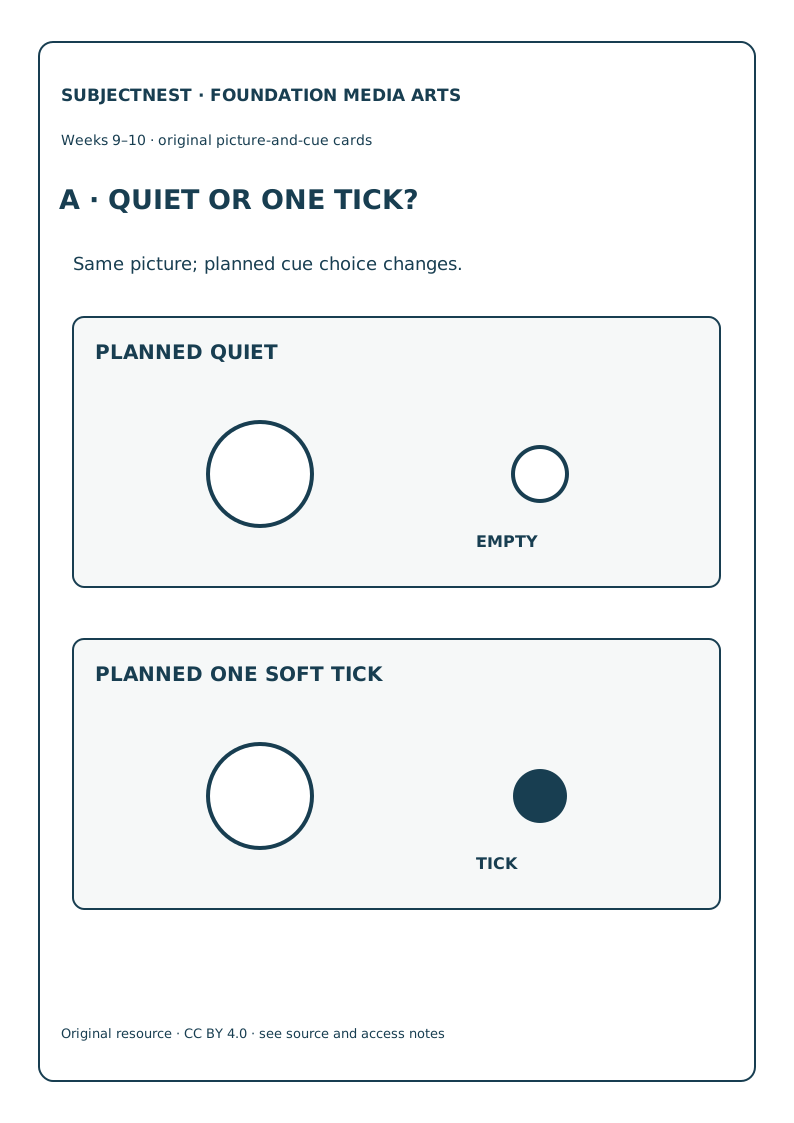
- Welcome · 3 min. Show one original circle picture and two possible cue boxes: EMPTY means planned quiet; TICK means one planned soft tick. Quiet is a design choice, not missing work.
- Model · 4 min. Adult keeps the picture still and swaps only EMPTY/TICK below it. Speak the planned cue; optional live tick only if local guidance allows.
- Try together · 5 min. Ask which version has a sound plan and which has a quiet plan. Do not claim everyone notices or likes the tick.
- Child choice · 7 min. Child chooses a cue for an invented paper display and gives an intended reason, using a chosen route. Adult moves only as directed.
- Notice · 4 min. Save intended cue and whether any sound actually occurred; a card with TICK is a plan, not audio production.
- Close · 2 min. Tomorrow one or two ticks can make a different pattern.
Week 9 · Day 42 · One tick or two?
Target/codes: distinguish and choose a one-tick versus two-tick paper cue for the same still image; AC9AMAFD01, AC9AMAFC01. Prepare: B count board, one-/two-mark cards, optional original one-tick WAV and two-tick WAV only after volume check.
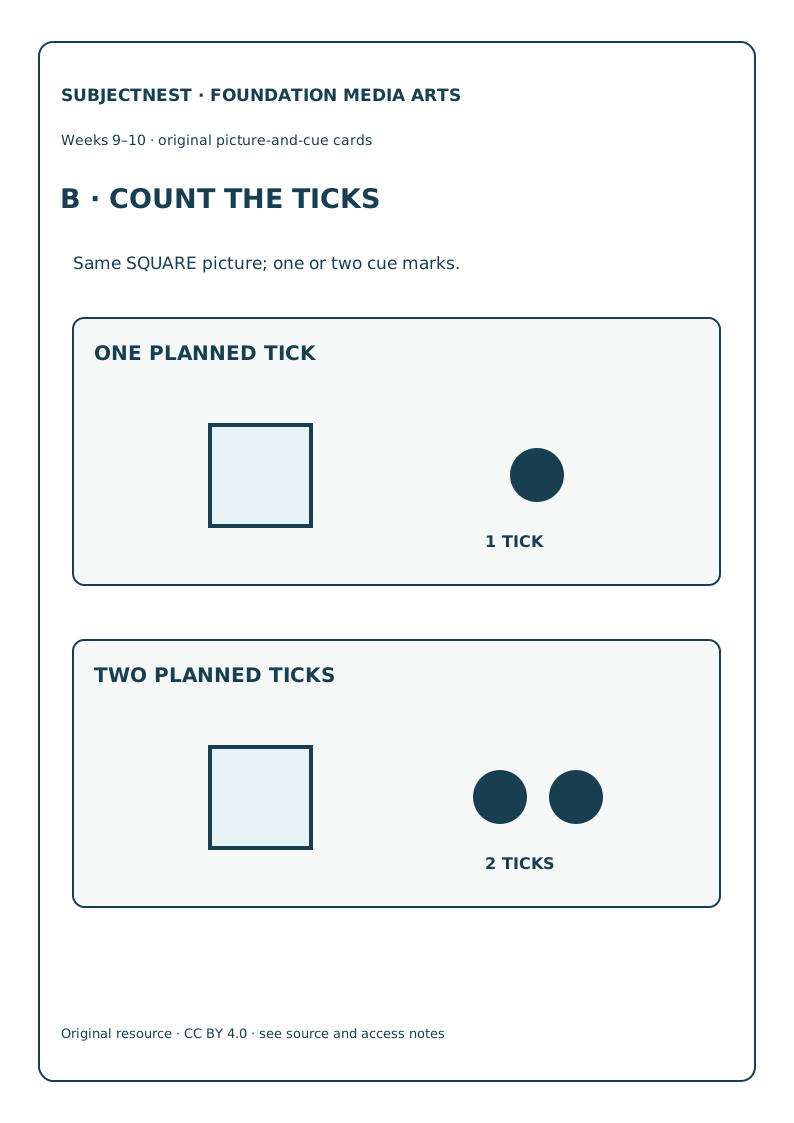
- Welcome · 3 min. Read one broad TICK mark and two separate TICK marks. Count marks visually, verbally or tactually; no sound is required.
- Model · 4 min. Keep the original square picture fixed. Change only mark count from one to two, saying “one possible cue” then “two possible cues.”
- Try together · 5 min. Child compares cards by count. If optional audio is played, adult notes it as actual playback and offers immediate quiet option; audio does not replace accessible marks.
- Child choice · 7 min. Child chooses one or two ticks for an imaginary paper game turn and names the intended difference. Adult records exact count.
- Notice · 4 min. Check count matches child’s named choice, not whether they heard or preferred audio.
- Close · 2 min. Keep the chosen card; timing also matters when one slot is quiet.
Week 9 · Day 43 · Tick then quiet, or quiet then tick
Target/codes: place one TICK and one EMPTY in two numbered timing slots and distinguish first/second position; AC9AMAFD01, AC9AMAFC01. Prepare: C timing strip, two broad slot cards, optional one-tick example with exact transcript.
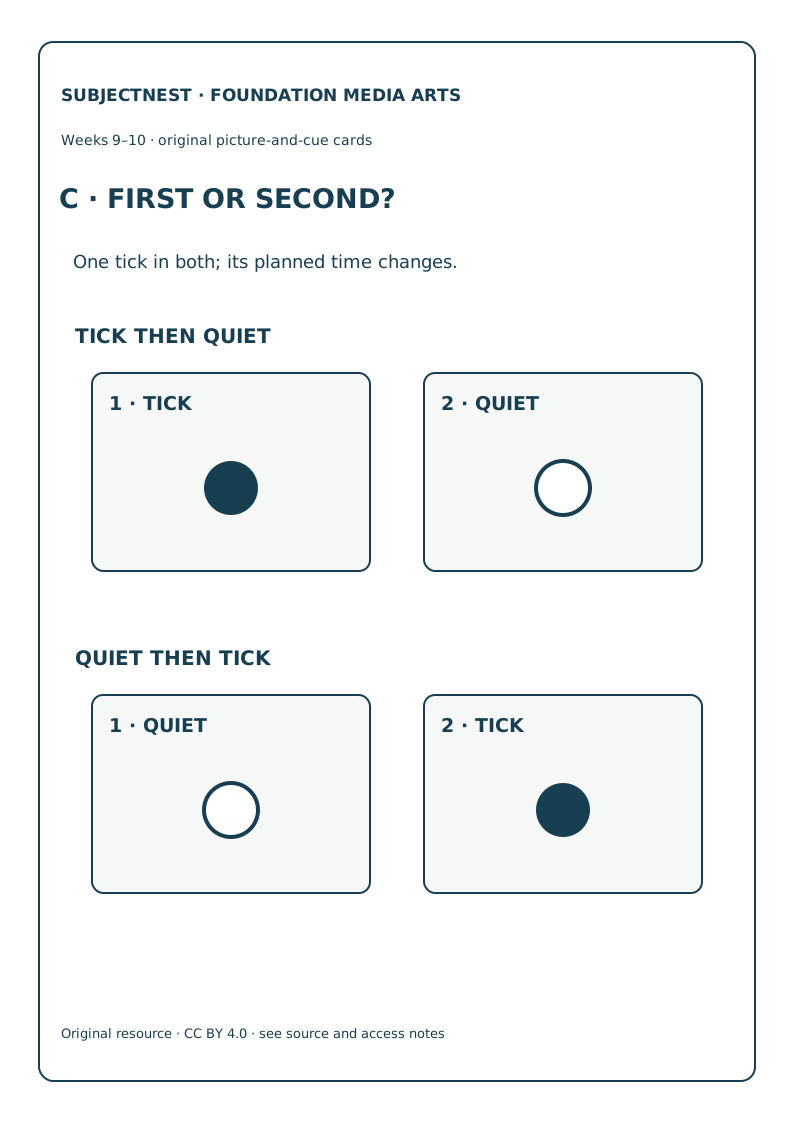
- Welcome · 3 min. The two slots are paper times 1 and 2, not a requirement to move or make sound.
- Model · 4 min. Arrange TICK/EMPTY, then EMPTY/TICK. The same number of ticks remains; the planned moment changes.
- Try together · 5 min. Ask which version begins quiet and which ends quiet. Trace one slot at a time on raised cells.
- Child choice · 7 min. Child chooses a timing order for an invented paper picture card and explains where attention is intended. Adult confirms both slots.
- Notice · 4 min. Record exact order. A text/tactile route is valid timing planning; it does not show auditory perception.
- Close · 2 min. Tomorrow a picture and its printed cue can agree or conflict.
Week 9 · Day 44 · Picture and cue belong together
Target/codes: hold one original image while selecting a printed cue line that states the intended one/two/quiet pattern consistently; AC9AMAFD01, AC9AMAFC01. Prepare: D picture/cue card, broad symbol and exact-text strips.
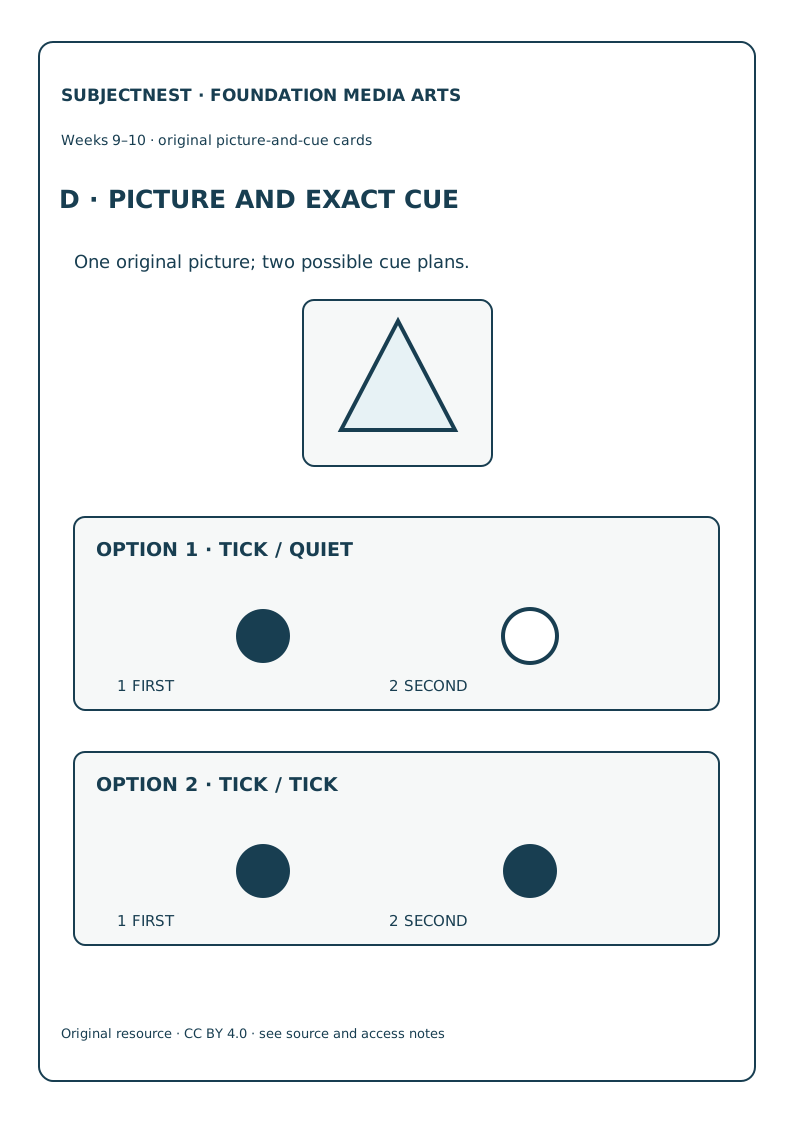
- Welcome · 3 min. A still picture can be accompanied by a cue plan. The cue does not become an actual soundtrack unless someone makes or plays it.
- Model · 4 min. Adult keeps the triangle picture and shows two cue options:
TICK / QUIETandTICK / TICK; read both neutrally. - Try together · 5 min. Child traces filled versus empty slot marks and matches each to its exact spoken/text description.
- Child choice · 7 min. Child chooses one pattern for the picture and adds/directs its exact print or raised cue; child may choose a new original picture.
- Notice · 4 min. Check two slot marks and description agree. Do not infer an emotion from the pattern.
- Close · 2 min. A fresh cue-count check tomorrow uses another source.
Week 9 · Day 45 · Fresh Check M: one tick in a new card
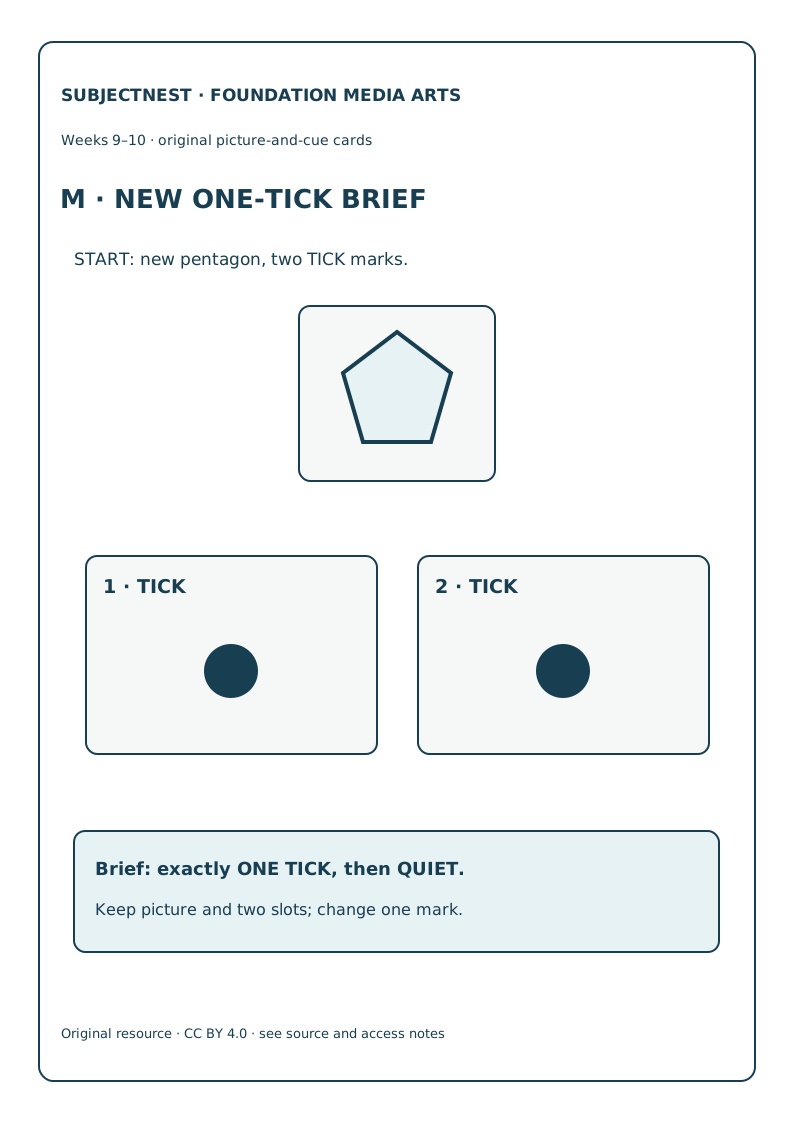
Target/codes: independently revise a new two-mark cue to match the maker’s stated one-tick brief while holding the picture and cue slots; AC9AMAFD01, AC9AMAFC01. Prepare: public Check M, M A4, two broad tick marks. Keep key closed.
- Welcome · 3 min. This paper challenge guides next teaching; no sound, reading speed or device is required.
- Access · 4 min. Present new pentagon picture with
TICK / TICKin two slots. Read maker brief: “I want exactly ONE TICK, then QUIET.” Do not change the marks. - Independent plan · 5 min. Child chooses which slot should stay and which should become quiet.
- Child response · 7 min. Child draws, selects, points or directs revised slots and explains what held. Save first response verbatim.
- Self-check · 4 min. Child counts ticks and names slot 1/2 without answer feedback.
- Close · 2 min. Keep first response before key; Day 45 worked swaps are After Check only.
Week 10 · Day 46 · Make an original picture-and-cue card
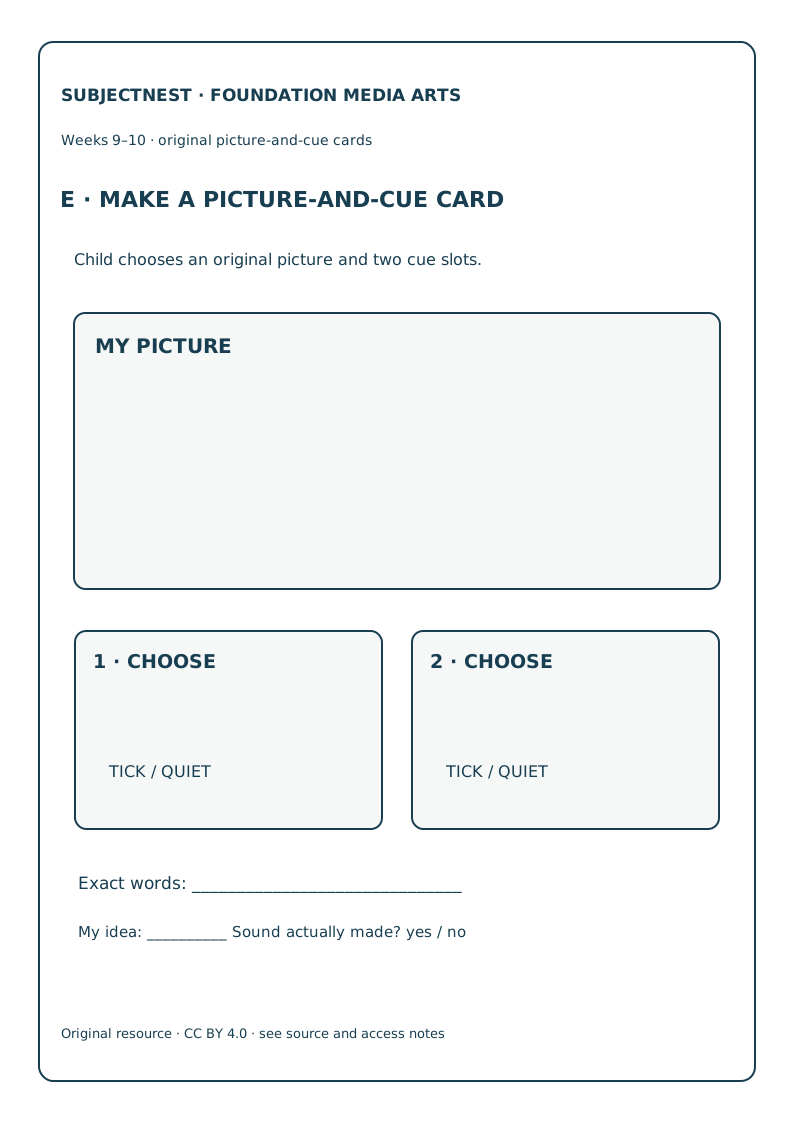
Target/codes: make or direct a child-owned paper card with original picture, two-slot cue plan and an exact equivalent text/raised description; AC9AMAFD01, AC9AMAFC01. Prepare: E maker card, broad adult-prepared shapes/cue marks, E notes.
- Welcome · 3 min. A blank template or adult model is not yet the child’s work. Child chooses picture and timing; adult may scribe.
- Model · 4 min. Adult makes a separate example: one square, EMPTY/TICK, exact words “quiet, then tick.” Children may choose a different design.
- Try together · 5 min. Child chooses a fictional purpose and names one original picture and two cue slots. Read available quiet and tick choices.
- Child choice · 7 min. Child draws/arranges or directs adult to complete picture, cue marks and matching text/raised route. No live sound is required.
- Notice · 4 min. Check child’s two slots and equivalent description agree; record which choices were child-owned and whether any sound was actually made.
- Close · 2 min. Save the original paper work without photo or upload. Tomorrow sound can optionally be made from this plan.
Week 10 · Day 47 · Optional gentle sound from a plan
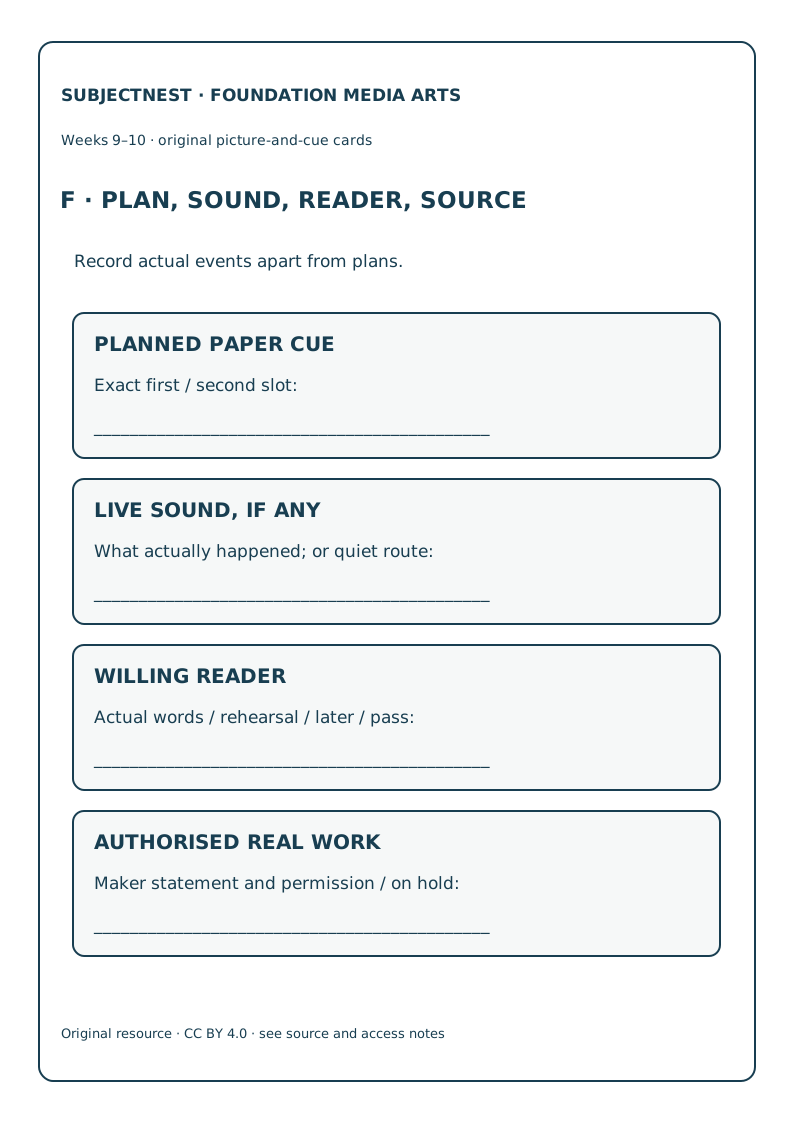
Target/codes: use the child’s own two-slot plan to direct one optional gentle live tick pattern, or demonstrate the same plan through quiet printed/raised cues; record plan versus actual delivery accurately; AC9AMAFD01, AC9AMAFC01. Prepare: child’s card, F record, quiet space, local sound/access consent.
- Welcome · 3 min. Ask whether a live tick is welcome. The quiet route is fully available; no child is asked to use their voice, body or recording device.
- Model · 4 min. Adult reads their own two-slot card. If approved, they gently tap a padded surface once in slot 1 then pause; otherwise point/read the same timing.
- Try together · 5 min. Child directs adult to identify two slots from their own card. If a live trial is wanted and approved, adult gives immediate stop choice.
- Child choice · 7 min. Child chooses quiet demonstration or optional live tick(s). They may direct an adult to make the sound; adult logs what actually occurred, not just the paper plan.
- Notice · 4 min. Compare plan and event if sound happened; if no sound, record paper demonstration only. No assumed hearing or enjoyment.
- Close · 2 min. Put materials away and preserve the no-device description for any future viewer.
Week 10 · Day 48 · A silent route carries timing too
Target/codes: translate an existing two-slot cue into exact printed/spoken/raised description so a reader need not hear the optional tick; AC9AMAFD01, AC9AMAFC01. Prepare: D picture/cue, E maker card, thick filled/empty slot labels.
- Welcome · 3 min. Sound is optional and information about timing should also be available without it. A silent caption reports cue plan, not that audio occurred.
- Model · 4 min. Adult reads a plan
TICK / QUIETand writes “tick, then quiet.” Build raised filled/empty two-cell route. - Try together · 5 min. Child checks which word/card matches slot 1 and slot 2 on a different simple plan.
- Child choice · 7 min. Child adds/directs an exact caption or tactile pair for their own card, preserving count and order.
- Notice · 4 min. Compare source cue and alternative slot by slot. A text/tactile route does not claim a child heard the WAV.
- Close · 2 min. The card can be offered to a willing reader tomorrow if child chooses.
Week 10 · Day 49 · A willing reader and a real maker question
Target/codes: offer original paper card to a willing person only if child chooses and record actual response; ask first-party maker/purpose question about an authorised real media work only if available; AC9AMAFP01/AC9AMAFE01 only for actual events. Prepare: F log, child card, authentic source slot.
- Welcome · 3 min. Child may show one willing educator, rehearse privately, choose later or pass. Sound may remain quiet; no recording or upload.
- Model · 4 min. Adult shows own original card to a willing adult and asks “What cue do you see planned?” If an authorised real work exists, cite its maker’s own purpose statement.
- Try together · 5 min. Child chooses a neutral reader question. Separate actual viewer words, child intention and any sound event.
- Child choice · 7 min. Share only by choice and with willing recipient; ask the question once, record exact words if offered. For real media, use only verified permission and accessible maker information; otherwise mark encounter on hold.
- Notice · 4 min. Do not infer comprehension, enjoyment or cultural meaning from silence or facial expression. Record which modality the reader actually accessed.
- Close · 2 min. Thank child and reader; tomorrow a fresh silent caption check asks for precise timing.
Week 10 · Day 50 · Fresh Check N: match a silent caption
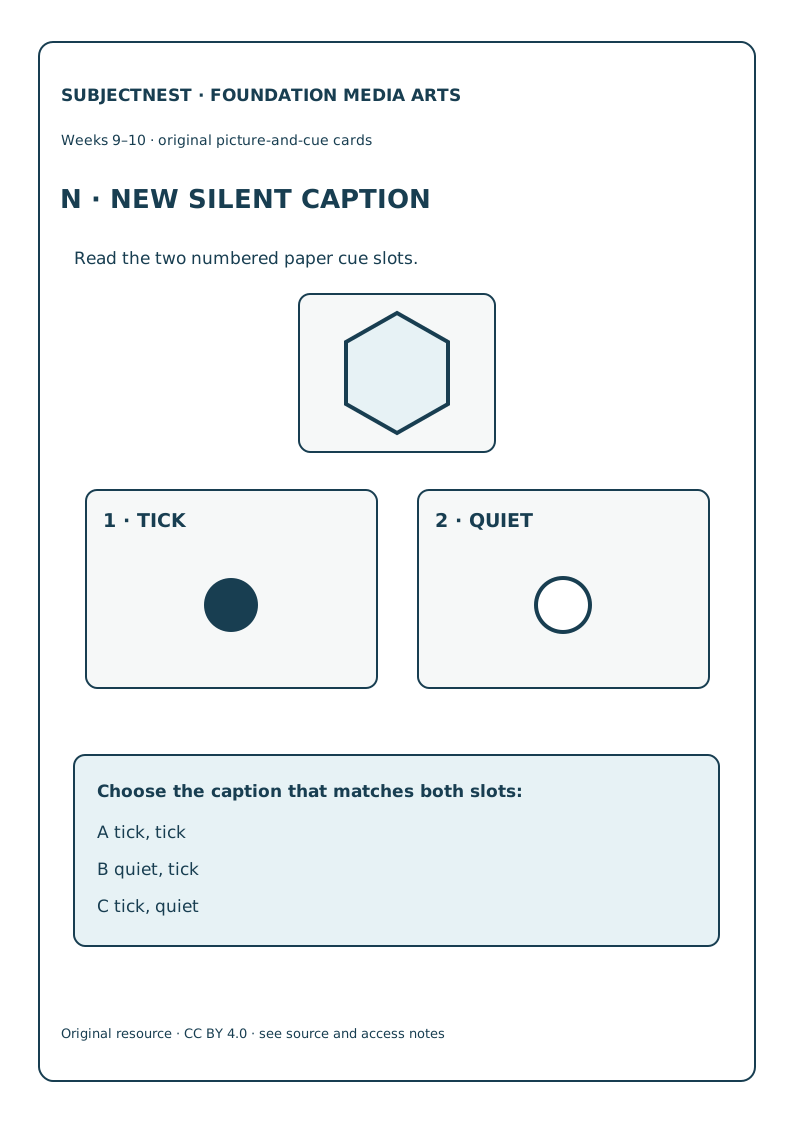
Target/codes: independently choose a text/tactile caption matching a new two-slot cue source (TICK then QUIET), distinguishing it from two ticks or quiet then tick; AC9AMAFD01, AC9AMAFC01. Prepare: public Check N, N A4, broad cue cards. Keep key closed.
- Welcome · 3 min. No playback, hearing or reading fluency required; adult reads the three captions neutrally.
- Access · 4 min. Show slot 1 filled TICK mark, slot 2 empty QUIET box with a new hexagon picture. Present three candidate captions without identifying the match.
- Independent plan · 5 min. Child compares count and order slot by slot.
- Child response · 7 min. Child selects/points/directs one matching caption and explains first/second timing. Save first response.
- Self-check · 4 min. Child reads/feels both slots once more, without answer feedback.
- Close · 2 min. Use separate key after response, then plan wider forms of media production and actual authorised works later in the year.